Easy Chicken Breast Recipes: Delicious & Quick Meals

Why are easy chicken breast recipes so popular in American homes? They offer quick and healthy dinner options that are easy to make. These recipes are great for busy weeknights because they require little effort. With the right ingredients and techniques, you can make tasty meals that everyone will enjoy.

Chicken Breast Recipes

Easy chicken breast recipes are ideal for those who want to cook healthy meals fast. They range from simple dishes to more complex meals, fitting any taste or diet. This guide will help you learn how to cook delicious, quick meals with ease.

Key Takeaways

  • Easy chicken breast recipes offer a wide range of simple poultry dishes that can be prepared with minimal effort
  • Quick chicken dinners can be healthy and delicious with the right techniques and ingredients
  • Easy chicken breast recipes are perfect for busy weeknights and can be adapted to suit any taste or dietary preference
  • Simple poultry dishes can be elevated to elaborate meals with the right cooking techniques
  • Mastering easy chicken breast recipes requires practice and patience, but the results are well worth the effort
  • Easy chicken breast recipes can be used to create a variety of quick chicken dinners that are perfect for any occasion

Getting Started with Chicken Breast Preparation

To start making tasty chicken dishes, you need the right tools and ingredients. Choosing high-quality chicken breasts is key for healthy meals. Look for fresh, plump breasts without any damage or color changes.

Having the right kitchen tools is also important for quick meals. You’ll need a sharp knife, cutting board, and cooking utensils. These tools help you prepare a variety of healthy chicken meals, like grilled chicken or chicken salads.

Essential Kitchen Tools You’ll Need

  • Sharp knife
  • Cutting board
  • Cooking utensils (tongs, spatula, etc.)

Choosing Quality Chicken Breasts

When picking chicken breasts, choose brands known for quality and freshness. Brands like Perdue and Tyson are good choices. Organic or free-range options are also healthy choices.

Basic Preparation Methods

With your tools and ingredients ready, it’s time to prepare your chicken. You can season, marinate, or cook it by grilling, baking, or sautéing. These methods help you make delicious chicken recipes for any meal.

Preparation MethodDescription
SeasoningAdding herbs and spices to enhance flavor
MarinatingSoaking chicken in a mixture of ingredients to add flavor and tenderize
GrillingCooking chicken over direct heat to achieve a crispy exterior and juicy interior

The Secret to Perfectly Tender Chicken Breasts

Cooking chicken breasts can be tricky, but it’s doable for beginners. The key is to not overcook them, which makes them dry. This is a common mistake that can ruin the dish.

Choosing the right cooking method is also important. Grilling or pan-searing helps keep the meat moist and flavorful. Adding marinades or sauces also helps, making the chicken tender and tasty. This is vital for low effort chicken dishes to avoid overcooking.

Here are some tips for tender chicken breasts:

  • Don’t overcrowd the pan to prevent steaming instead of searing.
  • Use a meat thermometer to check the chicken’s internal temperature.
  • Let the chicken rest for a few minutes before slicing to keep the juices in.

By following these tips, anyone can cook tender chicken breasts. With a bit of practice, you’ll be making delicious beginner-friendly chicken dishes and low effort chicken dishes in no time. Your family and friends will love them.

Quick Pan-Seared Chicken Breast Recipes

For a tasty and quick meal, try pan-searing chicken breasts. This method gives you a crispy outside and a soft inside. It’s ideal for easy chicken breast recipes. With just a few ingredients, you can make many flavors to enjoy.

When you need a quick chicken dinner, pan-searing is perfect. It’s fast, simple, and leaves little mess. You can pair pan-seared chicken with veggies, rice, or salad for a complete meal.

Classic Lemon Garlic Chicken

This recipe is loved for its bright and savory taste. Lemon, garlic, and herbs make the chicken taste amazing.

Honey Mustard Pan-Seared Chicken

For a sweeter twist, try the honey mustard recipe. Honey makes it smooth, while mustard adds a tangy flavor.

Mediterranean Style Chicken Breast

This recipe takes you to the Mediterranean. It’s filled with herbs and spices that remind you of the region’s flavors.

These easy chicken breast recipes are great for any night. They cook fast and taste amazing. Whether you want something classic or adventurous, pan-seared chicken is a fantastic choice for quick chicken dinners.

Healthy Baked Chicken Breast Variations

Baking chicken breasts is a healthy and easy way to cook. It offers a range of delicious chicken recipes. Start by preheating your oven to 375°F (190°C). Season the chicken with your favorite herbs and spices.

For a moist and flavorful dish, use a thermometer. This ensures the chicken reaches a safe internal temperature of 165°F (74°C).

Some healthy chicken meal ideas include baking chicken with lemon and garlic. Or try a Mediterranean-style dish with olives and sun-dried tomatoes. You can also experiment with different marinades, like olive oil, soy sauce, and honey, to add flavor.

Here are some tips for baking chicken breasts:

  • Use a rimmed baking sheet to prevent juices from spilling over
  • Line the baking sheet with parchment paper for easy cleanup
  • Baste the chicken with melted butter or olive oil for added moisture

For a crispy exterior and a juicy interior, bake the chicken at 425°F (220°C) for a shorter time. You can also add some crunch by topping the chicken with chopped nuts or seeds. With these healthy chicken meal ideas and delicious chicken recipes, you’ll be inspired to create a variety of tasty and nutritious meals.

By following these tips and experimenting with different seasonings and marinades, you can create a range of healthy and delicious baked chicken breast variations. Whether you’re looking for a quick and easy weeknight dinner or a special occasion meal, baked chicken breasts are a great option. So why not get creative and start baking your way to a healthier and more flavorful you?

RecipeIngredientsCooking Time
Lemon Garlic Chickenchicken breasts, lemon juice, garlic, olive oil25-30 minutes
Mediterranean Chickenchicken breasts, olives, sun-dried tomatoes, feta cheese30-35 minutes

Simple Marinades for Flavorful Results

Marinades are a great way to add flavor to chicken breasts. They’re perfect for quick meals on weeknights. With just a few ingredients, you can make tasty chicken dishes that everyone will love. The secret is to mix acid, oil, and spices well.

A good marinade can really change how your chicken tastes and feels. For example, a mix of lemon juice, olive oil, and herbs like thyme and rosemary can add a bright flavor. Or, a marinade with soy sauce, honey, and ginger can give a sweet and savory taste.

Basic Marinade Combinations

  • Lemon juice, olive oil, and herbs like thyme and rosemary
  • Soy sauce, honey, and ginger
  • Balsamic vinegar, olive oil, and garlic

These marinade mixes are great for beginners and can be used for many quick meals. By trying different marinades, you can make a variety of flavors. This will help you create dishes that you’ll want to make again and again.

Marinating Times and Tips

How long you marinate depends on the marinade and the chicken size. Generally, marinate for at least 30 minutes to an hour. But, you can marinate for up to several hours or even overnight for stronger flavors.

Marinade TypeMarinating Time
Acid-based marinade30 minutes to 1 hour
Oil-based marinade1-2 hours
Overnight marinade8-12 hours

By following these tips and trying different marinades, you can make delicious chicken breasts. They’re perfect for quick meals and easy chicken dishes.

One-Pan Easy Chicken Breast Recipes

One-pan easy chicken breast recipes are perfect for a quick, delicious meal. They’re great for busy weeknights, letting you cook a full meal in just one pan. You can choose from skillet dinners to sheet pan meals, with endless options.

These recipes are not only tasty but also healthy. They offer the benefit of less cleanup and the chance to cook multiple ingredients at once. This makes them ideal for quick chicken dinners. You can use a cast-iron skillet or a non-stick pan to cook your chicken and other ingredients.

Here are some tips for one-pan cooking:

  • Choose the right pan: A large skillet or sheet pan is perfect for one-pan meals.
  • Prepare your ingredients: Chop your vegetables and season your chicken breast before cooking.
  • Cook in stages: Cook your protein and vegetables in stages to ensure everything is cooked through.

One-pan easy chicken breast recipes simplify your cooking routine. They allow you to have a delicious, healthy meal in just a few minutes. Try adding your favorite ingredients, like vegetables and spices, to make a unique dish. For a quick and easy meal, try one-pan easy chicken breast recipes tonight.

Some popular one-pan easy chicken breast recipes include chicken and vegetable stir-fries, chicken and rice bowls, and chicken fajitas. These recipes are quick, easy, and delicious, making them perfect for busy weeknights. With one-pan cooking, you can have a healthy, tasty meal ready in no time, making it a great option for quick chicken dinners.

Quick Chicken Breast Meal Prep Ideas

Meal prep saves time and helps you eat healthy. With healthy chicken meal ideas, you can make tasty and nutritious dishes. Cooking chicken breasts in bulk is a smart move. Store them in the fridge or freezer for later.

There are countless delicious chicken recipes to try. Marinate chicken breasts and grill or bake them for a quick meal. Popular ideas include chicken salad, wraps, and stir-fries.

Weekly Prep Strategies

Set aside one day a week for meal prep. Cook chicken breasts, roast veggies, and portion meals. Use a slow cooker for soups or stews that simmer all day.

Storage and Reheating Tips

Cool cooked chicken to room temperature before refrigerating or freezing. This prevents bacterial growth and keeps chicken fresh. Reheat by microwaving or oven-heating until warm.

Versatile Recipe Combinations

Meal prep lets you mix ingredients for new dishes. Combine chicken with roasted veggies, quinoa, or brown rice for a filling meal. Add your favorite sauces or seasonings for extra flavor.

Meal Prep IdeaIngredientsInstructions
Chicken SaladCooked chicken breasts, mayonnaise, celery, onionMix all ingredients together and serve on a bed of lettuce
Chicken WrapsCooked chicken breasts, tortilla, lettuce, tomato, cheeseAssemble all ingredients in a tortilla and serve

Common Chicken Breast Cooking Mistakes to Avoid

Cooking chicken breasts can be tricky, even for beginners. It’s easy to end up with dry, overcooked, or underseasoned meat. To cook chicken breasts perfectly, it’s key to know these common mistakes and how to avoid them. Making simple chicken dishes is great for busy weeknights.

Common errors include overcooking, not seasoning enough, and not letting the chicken rest. To avoid these, use a meat thermometer to check the chicken’s temperature. Season the chicken well before cooking and let it rest before slicing. Grilled or baked chicken is quick and easy to make, yet delicious and moist.

Here are some more tips to remember:

  • Don’t overcrowd the pan, as this can cause the chicken to steam instead of sear.
  • Use a gentle touch when handling the chicken to avoid tearing the meat.
  • Don’t be afraid to experiment with different seasonings and marinades to add flavor to your chicken.

By following these tips and avoiding common mistakes, you can make delicious and moist chicken breasts. These are perfect for many beginner-friendly chicken dishes. Whether you’re looking for simple or more complex recipes, the secret to success is in the details and trying new things.

Time-Saving Tips for Weeknight Chicken Dishes

When cooking chicken breasts on weeknights, time is key. Prepare ingredients early for your easy chicken breast recipes. This can mean chopping veggies, marinating chicken, or cooking it ahead of time. Then, just reheat it for your fast weeknight meals.

Quick-cook methods like pan-searing or baking are great time savers. They cook chicken fast and evenly, making a tasty, healthy meal. Here are some tips:

  • Use a thermometer to ensure the chicken is cooked to a safe internal temperature.
  • Don’t overcrowd the pan, as this can lower the temperature and affect the cooking time.
  • Let the chicken rest for a few minutes before slicing and serving.

By using these tips and your favorite easy chicken breast recipes, you can make quick, healthy meals. Whether you want something classic or adventurous, there’s a recipe for you.

With a bit of planning and creativity, you can enjoy tasty meals on busy weeknights. Try out your favorite chicken breast recipes and see what you can make.

RecipeCooking TimeDifficulty Level
Chicken Breast with Lemon and Herbs20-25 minutesEasy
Chicken Breast with Honey and Mustard15-20 minutesMedium
Chicken Breast with Mediterranean Spices25-30 minutesHard

Pairing Suggestions and Side Dishes

There are countless ways to serve chicken breasts. Delicious chicken recipes can be paired with many side dishes for a complete meal. For beginners, try pairing chicken with rice and steamed veggies.

Other great pairings include:

  • Roasted potatoes and carrots
  • Quinoa and black beans
  • Grilled asparagus and bell peppers

These sides enhance the chicken’s flavor and add texture. Experimenting with different pairings can help you find your favorite chicken breast dishes.

Adding a salad or soup to your meal can also be a good idea. It offers a refreshing contrast to the chicken’s richness. With these ideas, you can make a variety of tasty chicken recipes for beginners that everyone will love.

Side DishDescription
Rice and Steamed VegetablesA classic combination that pairs well with chicken
Roasted Potatoes and CarrotsA hearty and flavorful side dish that complements chicken
Quinoa and Black BeansA nutritious and filling side dish that pairs well with chicken

Conclusion: Mastering Easy Chicken Breast Recipes

We’ve looked into easy chicken breast recipes and found many tasty, quick, and healthy meals. From simple dishes to creative marinades and one-pan wonders, chicken breasts are incredibly versatile. As we wrap up, remember to have fun and try new things in the kitchen.

The trick to quick chicken dinners is knowing how to prepare and cook chicken breasts well. With the right tools, quality ingredients, and creativity, you can make amazing meals from chicken breasts. Feel free to mix and match flavors to discover new favorites.

By using the tips and recipes from this article, you’ll become a skilled home chef. You’ll be able to make delicious and healthy chicken breast meals anytime. So, let’s celebrate the endless tasty adventures you’ll have with chicken breasts.

FAQ

What are the essential kitchen tools needed for chicken breast preparation?

You’ll need a sharp knife, a cutting board, and cooking tools like tongs or a spatula.

How do I choose quality chicken breasts?

Look for plump, firm chicken breasts without discoloration. Avoid any with a strong smell or slimy texture.

What are some basic preparation methods for chicken breasts?

Season with salt, pepper, and herbs. You can also marinate or cook by baking, pan-searing, or grilling.

How can I ensure my chicken breasts are perfectly tender?

Don’t overcook. Use the right cooking methods and add moisture with marinades or sauces.

What are some quick and easy pan-seared chicken breast recipes to try?

Try lemon garlic chicken, honey mustard chicken, or Mediterranean-style chicken breast for a tasty meal.

What are some healthy baked chicken breast variations I can try?

Try simple seasoning, complex marinades, or use a thermometer for safe cooking.

What are some tips for making flavorful chicken breast marinades?

Use basic marinade combinations and marinate for the right time. Prepare make-ahead marinades for convenience.

What are some one-pan easy chicken breast recipes I can try?

Skillet dinners and sheet pan meals are great for busy nights. They’re quick and easy to make.

What are some quick chicken breast meal prep ideas?

Use weekly prep strategies and proper storage and reheating tips. Choose versatile recipes for easy meals.

What are some common chicken breast cooking mistakes to avoid?

Avoid overcooking, underseasoning, and other mistakes that can ruin the dish’s texture and flavor.

What are some time-saving tips for cooking chicken breasts on weeknights?

Use smart shortcuts and quick-cook methods like pan-searing and baking to save time.

What are some pairing suggestions and side dish ideas for chicken breasts?

Pair chicken breasts with classic sides like chicken and rice or try adventurous options like chicken and quinoa.

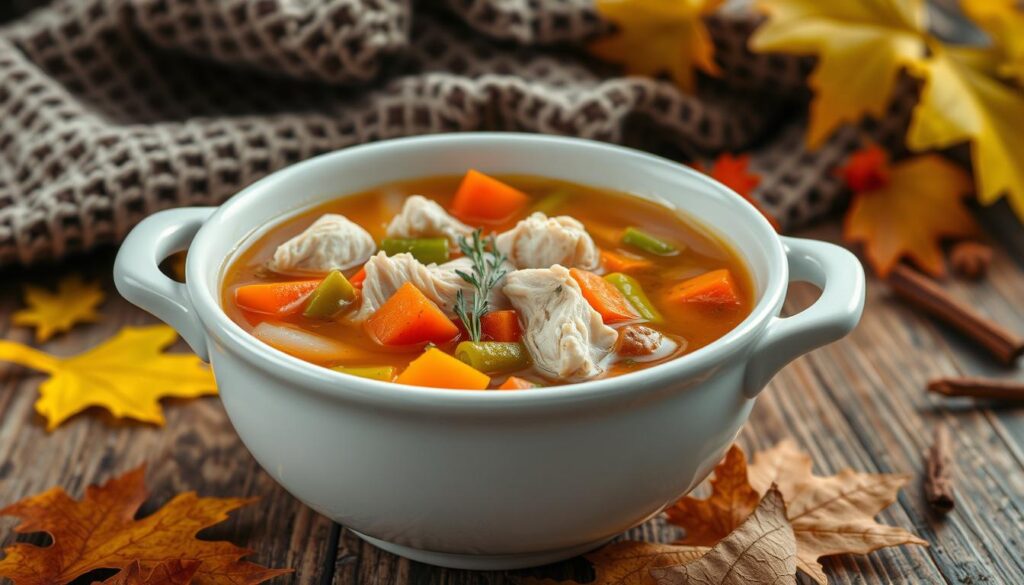
The Best Turkey Soup Recipe for a Cozy Winter Meal

What makes a perfect turkey soup recipe for a cold winter day? As the temperature drops, a warm and comforting bowl of homemade turkey soup is just what you need to cozy up. Turkey soup is the perfect solution for a chilly winter evening. It has rich flavors and nourishing ingredients.

In this article, we will explore the best turkey soup recipe. We will cover essential ingredients, kitchen tools, and step-by-step instructions. This will help you make a delicious and easy turkey soup recipe.

A good turkey soup recipe can be a game-changer for your winter meals. Whether you’re looking for a comforting and healthy meal or a delicious way to use up leftover turkey, a homemade turkey soup is the perfect choice. Turkey soup is sure to become a staple in your household.

So, what are the key elements of a great turkey soup recipe? Let’s dive in and find out.

Key Takeaways

  • Learn how to make a delicious and easy turkey soup recipe
  • Discover the essential ingredients and kitchen tools needed for a great turkey soup
  • Get step-by-step instructions for preparing a homemade turkey soup
  • Understand the importance of using high-quality ingredients in your turkey soup recipe
  • Find out how to customize your turkey soup to suit your taste preferences
  • Learn how to store and reheat your turkey soup for later use

Why Turkey Soup Is the Perfect Winter Comfort Food

Turkey soup is a favorite in American cuisine. It’s not just tasty, but also full of nutrients. A warm bowl of delicious turkey soup can make a cold winter day better.

Some key benefits of turkey soup include:

  • High protein content to help keep you full and satisfied
  • Low calorie count, making it a great option for those watching their weight
  • Rich vitamin and mineral profile, including vitamins A and C, and minerals like potassium and iron

Turkey soup also has a rich history in American cuisine. It’s a dish that’s been passed down through generations. Each family adds their own twist and flavors.

Looking for a delicious turkey soup to warm you up? Or a healthy and easy turkey soup to nourish your body? This classic American dish is perfect.

NutrientAmount per serving
Protein25g
Calories150
Vitamin A10% of the Daily Value (DV)
Vitamin C20% of the DV

Essential Ingredients for Classic Turkey Soup Recipe

To make a tasty and healthy turkey soup, you need the right stuff. A classic turkey soup recipe has veggies, herbs, and spices that go well with turkey.

Here’s what you’ll need:

  • Turkey meat (use leftover or fresh turkey breast or thighs)
  • Vegetables like carrots, celery, and onions
  • Herbs such as thyme, rosemary, and parsley
  • Spices like salt, pepper, and bay leaves
  • Chicken or turkey broth for extra flavor

Pick fresh, quality ingredients for the best taste and health benefits. Use fresh herbs and low-sodium broth to make it a healthy turkey soup.

You can also add other veggies like potatoes, peas, or corn to your turkey soup recipe. The goal is to mix flavors and textures nicely.

IngredientNutritional Benefits
Turkey meatHigh-quality protein, low in fat
VegetablesRich in vitamins, minerals, and fiber
Herbs and spicesAntioxidant properties, anti-inflammatory effects

With these ingredients and a simple turkey soup recipe, you can make a delicious and healthy turkey soup. It’s great for a cozy winter meal.

Kitchen Tools and Equipment You’ll Need

To make a delicious homemade turkey soup, you’ll need the right kitchen tools and equipment. Having the essential cookware and utensils will make the cooking process easier and more efficient. For a classic easy turkey soup recipe, you’ll need a large pot, preferably one that’s at least 8 quarts in size. This will give you enough room to cook the turkey, vegetables, and broth.

When it comes to cookware, it’s essential to choose the right type of pot for your homemade turkey soup. A stainless steel or enameled cast iron pot is ideal, as they retain heat well and are easy to clean. You’ll also need a set of utensils, including a large spoon, whisk, and tongs. These will come in handy when preparing and cooking your easy turkey soup.

Essential Cookware

  • Large pot (at least 8 quarts)
  • Stainless steel or enameled cast iron pot
  • Set of utensils (large spoon, whisk, tongs)

Optional Kitchen Gadgets

While not essential, some kitchen gadgets can make the cooking process more convenient. An immersion blender, for example, can be used to puree the soup right in the pot. A meat thermometer will ensure that your turkey is cooked to a safe internal temperature.

Measuring Tools

Accurate measurements are crucial when making homemade turkey soup. You’ll need a set of measuring cups and spoons to ensure that you’re using the right amount of ingredients. This will help you achieve the perfect balance of flavors in your easy turkey soup recipe.

Preparing Your Turkey Stock from Scratch

To make a delicious traditional turkey soup, start with a rich turkey stock. It’s the base of a great turkey soup recipe. Making it is simpler than you might think. Here’s a step-by-step guide to help you begin:

First, collect your ingredients. You’ll need turkey bones, vegetables, and aromatics. Use leftover turkey bones or buy them from a butcher. Next, heat your oven to 400°F (200°C). Roast the turkey bones for about 30 minutes, until they’re browned.

While the bones roast, chop your vegetables like carrots, celery, and onions. Add herbs and spices, such as thyme and bay leaves, for extra flavor. Once the bones are done, put them in a large pot or stockpot. Add the chopped vegetables, herbs, and spices.

Now, add liquid to the pot. Use water and white wine, or just water if you like. Bring it to a boil, then lower the heat to a simmer. Let it cook for at least 6 hours, or overnight.

After cooking, strain the stock through a fine-mesh sieve into a clean pot or container. Throw away the solids. Let the stock cool to room temperature. Then, refrigerate or freeze it for later use in your favorite turkey soup recipe. With homemade turkey stock, you can make a delicious and comforting traditional turkey soup for any occasion.

IngredientQuantity
Turkey bones2-3 pounds
Carrots2-3
Celery2-3 stalks
Onions1-2
Herbs and spicesto taste

Step-by-Step Turkey Soup Recipe

To make a tasty turkey soup, start by cooking the base. Sauté onions, carrots, and celery in olive oil until they’re soft. Then, add turkey stock made from leftover bones and veggies for a rich flavor.

Next, add your favorite veggies like diced potatoes, green beans, and peas. They add sweetness and texture. Choose colorful veggies for a healthy soup with lots of nutrients.

Seasoning Guidelines

Season your soup with salt, pepper, and herbs like thyme, rosemary, and bay leaves. Taste and adjust the seasoning to your liking.

Cooking Time and Temperature

Cook the soup over medium heat, stirring now and then, until veggies are tender. This should take 20-25 minutes. Aim for a temperature of 180°F to 190°F for the best flavor.

By following these steps, you’ll make a healthy, delicious turkey soup. It’s perfect for a cozy winter meal, with its rich flavor and nutritious ingredients.

Creative Ways to Customize Your Turkey Soup

Making a delicious homemade turkey soup is fun because you can make it your own. This easy turkey soup recipe lets you add your favorite spices, herbs, and ingredients. This way, you can make it truly unique.

Think about adding noodles, rice, or other grains to make it more filling. You can also add different vegetables like carrots, celery, or potatoes. For a spicy touch, try red pepper flakes or diced jalapenos.

To elevate your turkey soup, add fresh herbs like parsley, thyme, or rosemary. A squeeze of fresh lemon juice or a splash of wine can also enhance the flavor. The key is to experiment and find what you like best.

  • Add your favorite spices, such as paprika or garlic powder
  • Include different vegetables, such as diced bell peppers or zucchini
  • Use various types of noodles or grains, such as egg noodles or quinoa

Customizing your homemade turkey soup lets you create a dish that’s truly yours. Whether you prefer it spicy, savory, or sweet, the options are endless. So, don’t be afraid to get creative and make your easy turkey soup recipe special.

Common Mistakes to Avoid When Making Turkey Soup

When making a tasty traditional turkey soup, knowing common mistakes is key. A good turkey soup recipe needs careful attention and knowledge of cooking pitfalls.

To make sure your turkey soup is delicious, watch out for these common mistakes:

  • Temperature control issues: Not keeping an eye on the temperature can result in overcooked or undercooked soup.
  • Seasoning errors: Wrong seasoning can upset the flavor balance in your turkey soup recipe.
  • Texture problems: If the texture is off, your soup might not be appealing.

By avoiding these mistakes, you can make a delicious traditional turkey soup that everyone will love. Always stick to a reliable turkey soup recipe and take steps to avoid common errors.

With time and effort, you’ll get your turkey soup just right. Then, you can enjoy a warm, comforting bowl on a cold day.

Storage and Freezing Guidelines

After making your homemade turkey soup, it’s key to store and freeze it right. This keeps it fresh and safe to eat. A healthy turkey soup is great for your meals, and with the right storage, you can enjoy it longer.

To keep your homemade turkey soup fresh, follow these tips:

  • Refrigerate the soup at a temperature of 40°F (4°C) or below within two hours of cooking.
  • Use airtight, shallow containers to prevent moisture from accumulating and to cool the soup quickly.
  • Label the containers with the date and contents, and use them within three to four days.

Freezing Methods

Freezing is a great way to keep your healthy turkey soup for longer. You can freeze it in airtight containers or freezer bags. Make sure to remove as much air as possible before sealing.

Reheating Instructions

When reheating your frozen homemade turkey soup, heat it to 165°F (74°C). This ensures it’s safe to eat. You can reheat it on the stovetop, in the microwave, or in the oven.

Reheating MethodTemperatureTime
Stovetop165°F (74°C)10-15 minutes
Microwave165°F (74°C)3-5 minutes
Oven165°F (74°C)20-25 minutes

By following these storage and freezing guidelines, you can enjoy your homemade turkey soup for a longer period while maintaining its quality and safety.

Pairing Suggestions and Serving Ideas

There are many ways to serve delicious turkey soup. You can pair it with sides, salads, and bread for a complete meal. Try crusty bread, a green salad, or roasted veggies for a great match.

How you present your delicious turkey soup matters. Add fresh herbs or grated cheese for elegance. For a casual vibe, serve with crackers or croutons. The goal is to make your dish look good and taste even better.

Here are some ideas to start:

  • Serve with warm bread, like baguette slices or cornbread
  • Offer toppings like shredded cheese, sour cream, or diced onions
  • Pair with a simple green salad or a grain salad

To make your delicious turkey soup stand out, add some extra touches. Sour cream or fresh herbs can add flavor and color. Serve your easy turkey soup with a smile and be ready to share.

With these ideas, you’ll create a memorable meal with your delicious turkey soup. Be creative and let your easy turkey soup shine!

Pairing SuggestionsDescription
Crusty BreadA classic pairing that is easy to execute and always a crowd-pleaser
Green SaladA light and refreshing option that pairs well with the rich flavors of the soup
Roasted VegetablesA hearty and flavorful option that complements the soup nicely

Conclusion: Mastering Your Homemade Turkey Soup

Congratulations on mastering the art of making perfect turkey soup. This dish is a beloved part of American cuisine, offering comfort in cold winter months. By following this guide, you now know how to make a delicious, healthy turkey soup for your family.

Remember, the secret to great turkey soup is in the details. Focus on making a rich stock and balancing the flavors. Feel free to try different vegetables or add-ins to make it your own. With each batch, you’ll get better and add your own twist to this classic dish.

Now, invite your loved ones over for a warm bowl of your homemade turkey soup. You’ve reached a new level in cooking, and you should be proud of mastering this recipe.

FAQ

What are the essential ingredients for a classic turkey soup recipe?

A classic turkey soup needs turkey, onions, carrots, and celery. You’ll also need herbs like thyme and parsley, and a savory broth.

What kitchen tools and equipment are needed to make homemade turkey soup?

To make homemade turkey soup, you’ll need a large pot or Dutch oven. You’ll also need a sharp knife, cutting board, ladle, spoon, and measuring cups and spoons.

How do I prepare turkey stock from scratch?

To make turkey stock, simmer the turkey carcass with onions, carrots, celery, and herbs for hours. This makes a rich, flavorful stock for your soup.

What are some common mistakes to avoid when making turkey soup?

Avoid not controlling the temperature, seasoning errors, and texture issues. Keep the soup at a gentle simmer, adjust seasoning, and balance ingredients for a smooth soup.

How can I store and freeze homemade turkey soup?

Cool the soup completely before storing it in airtight containers or freezer bags. It lasts 4-5 days in the fridge or months in the freezer. Reheat it to a full simmer for safety.

What are some creative ways to customize my turkey soup?

Customize your turkey soup with herbs, spices, noodles, or grains. Try adding mushrooms, greens, or potatoes. Top it with croutons, cheese, or cream for extra flavor.

What are some good pairing suggestions and serving ideas for turkey soup?

Serve turkey soup with crusty bread, a fresh salad, or roasted veggies. Garnish with parsley, bacon, or Parmesan cheese. Try it in a bread bowl or with a grilled cheese sandwich for a cozy meal.

Baked Ziti Recipe Without Meat – Easy, Cheesy Goodness

Can a baked ziti recipe without meat be as good as one with meat? This question has sparked debate among food lovers. Many wonder if it’s possible to get the rich flavors and textures of traditional baked ziti without meat. For those seeking a tasty and easy vegetarian baked ziti, the answer is yes. It’s all about finding the right mix of cheeses, sauces, and ingredients.

A meatless baked ziti is a tasty and flexible option for everyone. It’s creamy, cheesy, and comforting. By trying vegetarian baked ziti, you can find new flavors and ingredients that make this classic dish even better.

Key Takeaways

  • A baked ziti recipe without meat can be just as flavorful and satisfying as its meat-based counterpart
  • Vegetarian baked ziti offers a versatile and customizable alternative to traditional pasta dishes
  • A meatless baked ziti recipe combines the perfect blend of cheeses, sauces, and ingredients
  • This dish is perfect for vegetarians and non-vegetarians seeking a comforting and satisfying meal
  • A baked ziti recipe without meat can be easily customized to suit various tastes and dietary preferences
  • Exploring vegetarian baked ziti can lead to new flavor discoveries and ingredient combinations

The Perfect Meatless Baked Ziti: An Introduction

A plant-based ziti recipe is a great choice for a tasty meal. It combines flavors and textures that everyone loves. With more options for meat-free ziti, making a delicious, healthy meal is easy.

Choosing a meat-free option is good for the planet. It lowers your carbon footprint and supports sustainable food systems. Plus, these dishes are often more nutritious, making them a healthy choice.

Why Choose a Meat-Free Version

There are many reasons to pick a meat-free baked ziti. It helps you eat less meat and eat more plants. This can lower your risk of heart disease and some cancers. It’s also lower in calories and fat, helping with weight management.

Benefits of Vegetarian Pasta Dishes

Vegetarian pasta dishes offer several benefits:

  • Lower environmental impact
  • Higher nutritional value
  • Lower risk of heart disease and certain types of cancer
  • Lower in calories and saturated fat

What Makes This Recipe Special

This ziti recipe is special because of its flavors and textures. It has a tangy tomato sauce, savory vegan cheese, and sautéed veggies. It’s perfect for vegetarians or anyone looking to try something new.

Essential Ingredients for Your Baked Ziti Recipe Without Meat

To make a tasty baked ziti recipe without meat, you need the right stuff. This vegetarian baked ziti uses pasta, sauces, cheeses, and veggies for its flavor.

Here’s what you’ll need:

  • Ziti pasta
  • Marinara sauce
  • Ricotta cheese
  • Mozzarella cheese
  • Grated Parmesan cheese
  • Fresh veggies like spinach, bell peppers, and onions
  • Herbs and spices like basil, oregano, and garlic powder

Choose the freshest, best-quality ingredients for your baked ziti recipe without meat. Go for organic veggies and whole-milk cheeses for the best taste.

Here’s a table with the main ingredients and how much you’ll need:

IngredientQuantity
Ziti pasta1 pound
Marinara sauce2 cups
Ricotta cheese1 cup
Mozzarella cheese2 cups, shredded
Grated Parmesan cheese1 cup

With these ingredients, you can make a delicious vegetarian baked ziti for any event. Pick the freshest ingredients and follow the recipe well for the best taste.

Kitchen Tools and Equipment Needed

To make a tasty meatless baked ziti, you need the right tools and equipment. Having the right utensils and gadgets makes cooking easier and faster. You’ll need basic items like pots, pans, and baking dishes for an easy meat-free ziti.

A large baking dish is key for even cooking and presentation. You’ll also need a colander to drain pasta and a cutting board for chopping veggies. A food processor can help chop and slice ingredients fast.

Basic Utensils Required

  • Large baking dish
  • Colander
  • Cutting board
  • Measuring cups and spoons

Optional Tools for Better Results

Some optional tools can enhance your meatless baked ziti. A stand mixer is great for mixing cheese blends. A food processor makes chopping and slicing easier. With the right tools, you’ll make a delicious and satisfying easy meat-free ziti.

Step-by-Step Preparation Method

To make a tasty baked ziti recipe without meat, just follow these steps:

First, heat your oven to 375°F (190°C). Cook the ziti pasta as the package says until it’s al dente. Then, drain and set it aside.

Next, make the sauce. Mix canned tomatoes, tomato paste, and herbs in a saucepan. Let it simmer for 10-15 minutes, stirring now and then.

While the sauce cooks, mix ricotta cheese, parmesan cheese, and eggs in a bowl. Stir until it’s smooth.

Now, let’s build the vegetarian baked ziti. Start with a layer of tomato sauce in a big baking dish. Add a layer of ziti pasta, then the ricotta cheese mix. Keep layering until you’ve used up all the ingredients. Top it off with mozzarella cheese.

Put the baked ziti recipe without meat in the oven for 25-30 minutes. It’s ready when the cheese is melted and bubbly.

Here’s a quick summary of the steps:

  • Cook the ziti pasta
  • Prepare the sauce
  • Combine the ricotta cheese mixture
  • Assemble the vegetarian baked ziti
  • Bake the dish

By following these steps, you’ll get a delicious baked ziti recipe without meat. It’s great for any night or a special event.

IngredientQuantity
Ziti pasta1 pound
Canned tomatoes2 cups
Ricotta cheese1 cup
Mozzarella cheese1 cup

Creating the Perfect Cheese Blend

To make a tasty plant-based ziti, you need the right cheese mix. Mozzarella, parmesan, and ricotta give it a creamy taste. For a vegan version, try soy cheese or nutritional yeast instead.

Melting cheese well is key. Temperature control helps prevent burning or separation. Here’s how to melt cheese perfectly:

  • Use a low heat setting to prevent the cheese from burning
  • Stir the cheese constantly to ensure even melting
  • Add a little liquid, such as milk or cream, to help the cheese melt smoothly

For a cheesy tomato ziti, add herbs like basil, oregano, or thyme. These tips and the right cheese mix will make your vegan pasta dish delicious.

Here’s a simple table to help you choose the right cheese for your plant-based ziti recipe:

Cheese TypeFlavorMelting Point
MozzarellaMild, creamyLow
ParmesanSharp, saltyHigh
RicottaLight, airyLow

Sauce Preparation and Seasoning Tips

For a tasty baked ziti recipe without meat, the sauce is key. Start by cooking down high-quality tomatoes with olive oil, garlic, and herbs. This makes a rich, flavorful base for your meatless baked ziti. Use fresh or canned San Marzano tomatoes for the best taste.

Seasoning is important for the sauce. Mix salt, pepper, and dried herbs like basil and oregano for depth. A pinch of sugar can balance the tomatoes’ acidity. For more flavor, cook the sauce longer or add a bit of red wine.

To enhance your sauce, try different seasoning methods. Here are a few ideas:

  • Roast garlic before adding it for a richer taste
  • Use fresh herbs like parsley or basil for brightness
  • Add a splash of lemon juice for acidity

Follow these tips to make a delicious baked ziti recipe without meat. With practice and trying new things, you’ll become a pro at meatless baked ziti soon.

Vegetable Add-ins and Variations

To make your easy meat-free ziti better, add different vegetables. Try using zucchini, bell peppers, and mushrooms. Sauté them and mix them with the cheese and tomato ziti.

When preparing vegetables, cut them into small pieces. Cook them until they’re tender but still crisp. This adds texture and freshness. You can mix and match vegetables to suit your taste.

For a tasty meal, mix your favorite vegetables with cheese and tomato sauce. Layer them with ziti in a baking dish. This makes a hearty, satisfying vegetarian baked ziti, great for any meal.

These vegetables add flavor, texture, and nutrition. They make your cheese and tomato ziti a complete and satisfying meal.

Storage and Reheating Guidelines

After making your tasty baked ziti without meat, it’s key to store and reheat it right. This keeps the flavor and texture just right. A good plant-based ziti recipe can last for days if stored well. Here are some tips for keeping your vegan baked pasta fresh.

For a short time, keep your baked ziti in the fridge in an airtight container. Make sure it’s at 40°F (4°C) or colder. This stops bacteria and keeps it fresh for up to 3 days. To reheat, use the oven or microwave for the best taste.

Proper Storage Methods

  • Refrigerate at 40°F (4°C) or below
  • Use airtight containers to prevent moisture and contamination
  • Label and date containers for easy identification

Best Reheating Practices

To reheat your baked ziti, preheat your oven to 350°F (175°C). Bake for 15-20 minutes, or until it’s hot. Or, use the microwave with a microwave-safe lid or plastic wrap to keep it moist.

Freezing Instructions

For longer storage, freeze your baked ziti. Let it cool down to room temperature first. Then, put it in an airtight container or freezer bag, squeezing out air before sealing. Frozen baked ziti lasts up to 3 months. To thaw, leave it in the fridge overnight and then reheat in the oven or microwave.

Storage MethodTemperatureShelf Life
Refrigeration40°F (4°C)3 days
Freezing0°F (-18°C)3 months

Conclusion: Enjoying Your Homemade Meatless Baked Ziti

Congratulations, you’ve mastered the baked ziti recipe without meat! This recipe opens a world of vegetarian pasta joy. It’s not only tasty but also healthier than the traditional version.

As you enjoy your vegetarian baked ziti, try new things. Add seasonal veggies, unique cheeses, and your favorite spices. The secret to a great baked ziti recipe without meat is balancing flavors and textures.

This meatless baked ziti will be a hit at any dinner. Serve it with a salad and wine for a full meal. Enjoy every bite, knowing you made a delicious, vegetarian-friendly dish at home.

FAQ

What are the main ingredients in a baked ziti recipe without meat?

A meatless baked ziti recipe needs ziti pasta, tomato sauce, and ricotta cheese. Mozzarella and parmesan cheese are also key. Onions, garlic, and bell peppers add flavor and texture.

What are the benefits of choosing a vegetarian baked ziti recipe?

Choosing a vegetarian baked ziti is good for the environment and your health. It’s also great for those who follow a plant-based diet. Plus, it’s often cheaper and enjoyed by everyone.

What makes this baked ziti recipe unique?

This recipe stands out with its mix of flavors and textures. It uses a special blend of cheeses for creaminess. Seasonal veggies add freshness and depth to the dish.

What basic kitchen tools and equipment are needed to make baked ziti without meat?

You’ll need a large pot for pasta, a skillet for sauce, and a baking dish for the final dish. Tools like a food processor or stand mixer can help too.

How do I prepare the perfect cheese blend for my baked ziti?

For a great cheese blend, mix mozzarella, parmesan, and ricotta. Melt them well for a creamy texture. You can also use vegetarian cheese alternatives for a dairy-free option.

How can I store and reheat leftover baked ziti?

Store leftover baked ziti in the fridge for 4 days or freeze for 3 months. Reheat in the oven at 350°F or microwave, stirring often. Thaw frozen dishes in the fridge before reheating.

Discover the Secret to Mouthwatering Chicken Cutlets

What makes a chicken cutlet recipe unforgettable? Is it the tender chicken, the crispy breading, or the flavors? To impress, you need the right ingredients and cooking techniques. Learning to make chicken cutlets at home can change your meals.

Mastering chicken cutlets lets you make dishes that everyone loves. You can try classic Italian cutlets or new flavors. A simple recipe can turn a meal into a hit.

Key Takeaways

  • Learning how to make chicken cutlets at home can elevate your cooking skills
  • A good chicken cutlet recipe requires the right ingredients and cooking techniques
  • Mastering the art of making chicken cutlets can help you create a variety of dishes
  • Chicken cutlets can be made with a range of flavors and seasonings
  • With practice, you can create mouthwatering chicken cutlets that impress
  • Understanding the basics of how to make chicken cutlets is essential for success
  • A simple chicken cutlet recipe can be the starting point for many delicious meals

Introduction to Classic Chicken Cutlets

Chicken cutlets are loved worldwide for their simplicity and flexibility. The secret to a great dish is in the ingredients and cooking method. A classic cutlet starts with fresh chicken breast, pounded thin for tenderness.

Homemade chicken cutlets are cost-effective and customizable. You can add fresh herbs and spices to create your own flavor. Plus, cooking them at home is a fun way to try new breading and seasonings.

What Makes a Perfect Chicken Cutlet

A perfect cutlet has a crispy outside and a juicy inside. The right ingredients and cooking technique are key. Quality chicken, the right breading, and proper cooking time and temperature matter.

Origins and Cultural Significance

Chicken cutlets have a rich history and cultural importance. Different regions have their own versions, like Italian breaded cutlets and Japanese teriyaki cutlets. Exploring these variations can deepen your appreciation for this dish.

Benefits of Making Cutlets at Home

Making chicken cutlets at home has many advantages. You can choose the best ingredients and control the cooking method. This way, you can make a healthier, tastier dish that fits your diet. Plus, it’s a fun way to get creative in the kitchen.

Essential Ingredients for Perfect Chicken Cutlets

To make perfect chicken cutlets, you need the right ingredients. A classic recipe includes fresh chicken breasts, all-purpose flour, eggs, and breadcrumbs. Choose boneless, skinless breasts for the best results.

Freshness matters when picking chicken. Look for chicken with a nice smell and firm texture. For breading, use plain or seasoned breadcrumbs. Some recipes add grated Parmesan cheese, garlic powder, or dried herbs for extra flavor.

Having the right ingredients is key to making tasty chicken cutlets. Here are the must-haves:

  • Fresh chicken breasts
  • All-purpose flour
  • Eggs
  • Breadcrumbs
  • Salt and pepper
  • Optional: grated Parmesan cheese, garlic powder, or dried herbs

Keep chicken ingredients cool and dry. Store fresh chicken in the fridge at 40°F (4°C) or below. Breadcrumbs and flour go in airtight containers at room temperature.

With these ingredients, you can make a delicious chicken cutlet recipe quickly. Always follow food safety guidelines when handling and storing chicken for a healthy meal.

Required Kitchen Tools and Equipment

When cooking chicken cutlets, the right tools are key. You’ll need a frying pan, utensils, and a cutting board to start. These basics help you prepare and cook your chicken cutlets well.

There are also optional tools that can improve your results. A meat thermometer ensures your chicken is cooked safely. A food processor makes breading and seasoning easier. Having these tools can make cooking chicken cutlets faster and more enjoyable.

Basic Equipment Needs

  • Frying pan
  • Utensils (tongs, spatula, etc.)
  • Cutting board

Optional Tools for Better Results

  • Meat thermometer
  • Food processor
  • Breading station

Setting Up Your Workspace

To cook safely and efficiently, organize your tools and equipment. Keep your cutting board and utensils clean. Have a trash can nearby for waste. With these steps and the right tools, you’ll make delicious chicken cutlets.

Kitchen ToolPurpose
Frying PanCooking chicken cutlets
Meat ThermometerEnsuring safe internal temperature
Food ProcessorBreading and seasoning

How to Make Chicken Cutlets: Step-by-Step Process

To make delicious chicken cutlets, follow a simple recipe and technique. The key is to get a crispy outside and a juicy inside. Start by getting your ingredients ready, like fresh chicken breasts, breadcrumbs, and your favorite seasonings.

When making chicken cutlets, pound the chicken breasts to an even thickness. This ensures they cook evenly. Then, set up your breading station with flour, eggs, and breadcrumbs. Dip each chicken breast in flour, then eggs, and finally breadcrumbs, pressing the crumbs onto the chicken.

You can customize your chicken cutlet recipe with different seasonings and herbs. Some favorites include:

  • Italian-style with parmesan cheese and basil
  • Spicy with cayenne pepper and paprika
  • Lemon pepper for a bright, citrusy flavor

Heat about 1/2 inch of oil in a large skillet over medium-high heat. When hot, add the chicken cutlets. Cook for 3-4 minutes on each side, until golden brown and the internal temperature is 165°F.

For an extra crispy coating, chill the breaded chicken cutlets in the fridge for 30 minutes before cooking. This helps the breadcrumbs stick better and makes the outside crunchier. By following these steps and tips, you’ll make a delicious chicken cutlet dish that everyone will love.

IngredientQuantity
Chicken breasts4
Breadcrumbs1 cup
Eggs2
Flour1 cup

Breading Techniques for Maximum Crispiness

To get the perfect crispy chicken cutlets, mastering breading is key. The right technique can greatly improve the texture and taste. You can use traditional breadcrumbs, panko breadcrumbs, or even grated cheese for breading.

A good breading should be light and airy. This lets the chicken’s natural flavor come through. Avoid over-breading to keep the cutlets juicy inside and crispy outside. Panko breadcrumbs are great for this because they are light and airy.

Common mistakes include over-breading, which makes the cutlets greasy, and under-breading, which makes them lack texture. To avoid these, find the right balance and use the right techniques. Here are some tips for perfect breading:

  • Use the right type of breadcrumbs: Panko breadcrumbs or grated cheese can add a light and airy texture to your cutlets.
  • Don’t over-bread: A light coating of breadcrumbs is all you need to create a crispy exterior.
  • Experiment with different seasonings: Add some flavor to your breadcrumbs with herbs and spices to create a unique taste.

By following these tips and mastering breading, you can make crispy chicken cutlets that will wow anyone. Whether you’re experienced or new to cooking, the right breading technique can elevate your dishes.

Breading MaterialDescription
Panko BreadcrumbsLight and airy texture, perfect for creating crispy chicken cutlets
Grated CheeseAdds a rich and creamy flavor to your cutlets
Traditional BreadcrumbsA classic choice for breading chicken cutlets, but can be heavier than panko breadcrumbs

Proper Frying Temperature and Timing

Getting the right frying temperature and timing is key for chicken cutlet cooking. The best frying temperature is between 350°F and 375°F. It’s also important to cook the chicken for the right amount of time.

Here are some tips for achieving the perfect frying temperature and timing:

  • Use a thermometer to monitor the oil temperature.
  • Do not overcrowd the pan, as this can lower the oil temperature.
  • Cook the chicken cutlets for 3-4 minutes on each side, or until they reach an internal temperature of 165°F.

By following these tips, you can get the perfect frying temperature and timing for your chicken cutlet cooking. Always remember to cook the chicken to the recommended internal temperature for food safety.

With practice and patience, you can master frying chicken cutlets. The secret is finding the right balance between frying temperature and timing.

Cooking MethodFrying TemperatureCooking Time
Deep-frying350°F – 375°F3-4 minutes on each side
Pan-frying325°F – 350°F4-5 minutes on each side

Flavor Variations and Seasonings

Chicken cutlet seasonings offer endless possibilities. You can try different herbs and spices to make unique flavors. Italian seasoning is a favorite, mixing basil, oregano, and thyme for a savory taste. For something different, use lemon pepper or garlic parmesan for a citrus or umami kick.

Want to elevate your chicken cutlets? Try these flavor variations:

  • Classic Italian style, featuring tomato sauce and melted mozzarella cheese
  • International flavors, like Korean BBQ or Indian spices
  • Herb and spice mixes, such as rosemary and garlic or paprika and chili powder

Exploring different seasonings can lead to a variety of tasty dishes. Whether you prefer something traditional or bold, the right seasonings can transform your meal.

Storage and Reheating Guidelines

Keeping chicken cutlets fresh is key to their taste and safety. Cool them down to room temperature within two hours after cooking. This stops bacteria from growing. Once cooled, store them in airtight containers in the fridge for up to three days or freeze for up to three months.

There are several ways to reheat chicken cutlets safely. You can use the oven, microwave, or pan. Make sure they reach an internal temperature of 165°F (74°C) for food safety. Here are some reheating tips:

  • Oven reheating: Preheat the oven to 350°F (180°C) and bake the chicken cutlets for 10-15 minutes, or until heated through.
  • Microwave reheating: Place the chicken cutlets in the microwave and heat on high for 30-60 seconds, or until heated through.
  • Pan-frying: Heat a skillet with a small amount of oil over medium heat and cook the chicken cutlets for 2-3 minutes on each side, or until heated through.

By following these guidelines, you can enjoy your chicken cutlets safely and deliciously. Whether you store them in the fridge or freezer, or reheat them in the oven, microwave, or pan, proper handling and cooking are crucial.

Storage MethodStorage Time
RefrigeratorUp to 3 days
FreezerUp to 3 months

Serving Suggestions and Pairings

Chicken cutlet serving offers endless possibilities. Pair them with salads or vegetables for a complete meal. A classic choice is chicken cutlets with marinara sauce and a green salad.

Try different sauces like aioli or teriyaki for a twist. Exploring international flavors and seasonings can make your meal exciting. Here are some pairing ideas:

  • Grilled vegetables, such as zucchini or bell peppers
  • A side of quinoa or brown rice
  • A fresh salad with mixed greens and a light vinaigrette
  • A side of roasted potatoes or sweet potatoes

For a tasty meal, serve chicken cutlets with roasted vegetables and aioli sauce. The secret to a great meal is balancing flavors and textures. Experiment with different pairings and sauces to find your favorite.

These pairings and suggestions will please even the most finicky eaters. So, be creative and find your favorite chicken cutlet serving and pairing!

Chicken Cutlet PairingSide DishSauce
Grilled Chicken CutletRoasted VegetablesAioli
Breaded Chicken CutletQuinoaMarinara
Chicken Cutlet with HerbsGrilled VegetablesTeriyaki

Troubleshooting Common Chicken Cutlet Problems

When making chicken cutlets, you might face issues like breading problems and uneven cooking. Understanding the causes and using effective solutions is key. It’s all about paying attention to details and adjusting your cooking methods.

Common problems include breading falling off, oil temperature being off, and cutlets cooking unevenly. Here are some tips to help:

  • Check the breading mixture for the right balance of ingredients to prevent it from falling off.
  • Use a thermometer to ensure the oil temperature is within the ideal range for frying chicken cutlets.
  • Don’t overcrowd the pan, as this can lead to uneven cooking and increase the risk of chicken cutlet problems.

By following these tips, you can fix common chicken cutlet problems. Remember, making perfect chicken cutlets takes practice. Don’t get discouraged by initial challenges. With patience and persistence, you’ll master making delicious chicken cutlets.

Common IssuesTroubleshooting Tips
Breading falls offAdjust breading mixture, use proper coating technique
Uneven cookingDon’t overcrowd the pan, use thermometer to control oil temperature
Oil temperature too high or too lowUse thermometer to monitor oil temperature, adjust heat as needed

Conclusion

Creating delicious chicken cutlets is an art that you can master. You now know how to pick the best chicken and get that perfect crispy breading. You’re ready to make chicken cutlet recipes that will wow your loved ones.

Success comes from focusing on the details and trying new flavors. Don’t hesitate to mix up seasonings or explore different tastes. This will help you create your own unique chicken cutlet style.

Most importantly, enjoy the time you spend in the kitchen. With these tips, you’re on your way to becoming a pro at making chicken cutlets. You’ll be able to share your cooking skills with everyone at your table.

FAQ

What makes a perfect chicken cutlet?

A perfect chicken cutlet uses fresh, high-quality chicken. It has a crispy breading and is cooked right. This makes the inside juicy and the outside golden.

What are the essential ingredients for chicken cutlets?

For chicken cutlets, you need boneless, skinless chicken breasts. Also, all-purpose flour, eggs, breadcrumbs or panko, and seasonings like salt, pepper, and garlic powder are key.

What kitchen tools and equipment are needed to make chicken cutlets?

You’ll need a frying pan, a meat mallet or tenderizer, and a breading station. Tongs or a slotted spoon are also helpful. A meat thermometer can improve your results.

What are the steps to make chicken cutlets?

To make chicken cutlets, start by pounding the chicken to an even thickness. Then, bread the chicken in a three-step process. Finally, fry the cutlets in hot oil until they’re golden and cooked through.

What are some common breading techniques for chicken cutlets?

The traditional method is to dredge the chicken in flour, then in eggs, and lastly in breadcrumbs or panko. You can also try grated cheese, crushed crackers, or mix different coatings.

What is the proper frying temperature and timing for chicken cutlets?

The best frying temperature is 350°F to 375°F. Fry the cutlets for 3 to 5 minutes on each side. They should reach an internal temperature of 165°F.

What are some flavor variations and seasoning options for chicken cutlets?

Chicken cutlets can be seasoned in many ways. Try classic Italian herbs, international spices, or your favorite herbs and spices. Garlic, parmesan, lemon, paprika, and herbs like basil, oregano, or thyme are popular choices.

How should I store and reheat cooked chicken cutlets?

Cooked chicken cutlets can be stored in an airtight container in the fridge for 3-4 days. To reheat, bake at 400°F for 5-10 minutes or microwave in 30-second intervals until hot.

What are some common serving suggestions and pairings for chicken cutlets?

Chicken cutlets go well with salads, roasted vegetables, mashed potatoes, or pasta. Try them with marinara, pesto, or aioli for extra flavor.

What are some common problems that can occur when making chicken cutlets, and how can they be addressed?

Problems like uneven breading, oil temperature issues, and uneven cooking can happen. Use a consistent breading process, keep the oil at the right temperature, and ensure even cooking by turning the cutlets often.

The Best Tauhu Recipe for a Flavorful Meal

What makes a tauhu recipe unforgettable? How can you make a meal that leaves you wanting more? The secret is in tauhu’s versatility and ability to soak up flavors. It’s high in protein and low in calories, making it great for those who care about their health.

Whether you’re an expert in the kitchen or just starting out, a good tauhu recipe can take your cooking to new heights. It offers a delicious and nutritious meal experience.

Finding the right tauhu recipe can transform your dining experience. By trying different flavors and techniques, you can discover new dishes you’ll love. From classic Asian recipes to modern twists, the options are endless. The key is to find the perfect mix of tastes and textures.

Key Takeaways

  • Tauhu is a versatile ingredient that can absorb a wide range of flavors
  • A well-crafted tauhu recipe can provide a flavorful meal experience
  • Tauhu is an excellent choice for health-conscious individuals due to its high protein content and low calorie count
  • Exploring various flavorful meal ideas and techniques can help unlock the full potential of tauhu
  • Balance of flavors and textures is crucial in creating a successful tauhu recipe
  • Tauhu can be used in a variety of dishes, from traditional Asian-inspired recipes to modern fusion creations

Understanding Tauhu: An Introduction to Asian Tofu

Tauhu, also known as Asian tofu, is a key ingredient in many Asian dishes. It’s made from soybeans and is packed with protein. We’ll explore what tauhu is, its history, and its health benefits.

A tofu introduction wouldn’t be complete without talking about its history. Tauhu has been a staple in Asian diets for centuries, offering a rich source of protein. It’s believed to have started in China and spread to Japan and Korea.

What is Tauhu?

Tauhu is a soybean-based food. It’s made by curdling soy milk with a coagulant like calcium sulfate. The curds are then pressed into blocks, varying from soft to firm.

Historical Significance in Asian Cuisine

Tauhu has been crucial in Asian cuisine for ages. It’s used in many dishes, from stir-fries to desserts. In many cultures, it’s seen as a sign of good luck and prosperity.

Nutritional Benefits

Tauhu is a nutritious food, rich in protein, fiber, and iron. It’s perfect for those who don’t eat meat. It’s also low in calories and fat, making it great for a healthy diet.

Some key benefits of tauhu include:

  • High in protein
  • Rich in fiber
  • Good source of iron
  • Low in calories
  • Low in saturated fat

In conclusion, tauhu is a versatile and healthy ingredient that’s been part of Asian cuisine for centuries. Whether you’re new to it or already know about it, adding tauhu to your diet is a smart choice.

Essential Ingredients for the Perfect Tauhu Recipe

For tofu cooking, the right ingredients are key. A basic tauhu recipe has tauhu, veggies, and seasonings. First, pick a tauhu type that fits your taste and texture needs. You can choose from silken, firm, or extra-firm tauhu.

Vegetables add flavor and texture to tauhu. Popular choices include:

  • Bok choy
  • Mushrooms
  • Bell peppers
  • Carrots

Stir-fry or sauté these veggies with tauhu for a tasty dish.

Seasonings and sauces are crucial in tofu cooking. Soy sauce, garlic, ginger, and chili flakes are common. Mixing these with tauhu and veggies makes a flavorful meal.

Choose fresh ingredients for your tauhu recipe. Freshness ensures your dish is tasty, healthy, and safe. With the right ingredients, you can master tofu cooking and enjoy many delicious tauhu dishes.

Choosing the Right Type of Tauhu for Your Dish

Choosing the right type of tauhu is key to a tasty tau hu recipe. There are many types of tofu, each with its own special qualities. Knowing the differences will help you pick the best one for your dish.

The main types are silken, firm, and extra firm. Silken tauhu is soft and creamy, great for desserts and sauces. Firm tauhu is denser, perfect for stir-fries and braises. Extra firm tauhu is the driest, ideal for grilling and pan-frying.

Characteristics of Tauhu Types

  • Silken tauhu: soft and creamy texture, high water content
  • Firm tauhu: denser texture, medium water content
  • Extra firm tauhu: dense and dry texture, low water content

Think about the cooking method and texture you want. For stir-fries, firm tauhu is best. For desserts, go with silken tauhu. Choosing the right type ensures a delicious and authentic dish.

The brand and quality of tauhu also matter. Choose reputable brands for the best results. Follow the package instructions for storage and preparation. With the right tauhu and practice, you can make many tasty dishes.

Type of TauhuTextureWater ContentBest Uses
SilkenSoft and creamyHighDesserts, sauces
FirmDenserMediumStir-fries, braises
Extra FirmDense and dryLowGrilling, pan-frying

Preparation Techniques and Tips

Preparing tauhu requires the right cooking techniques for the best taste and texture. First, drain and press the tauhu to get rid of extra moisture. This helps it stay together while cooking. Then, marinating the tauhu with different preparation methods can make it even more flavorful.

Remember to handle the tauhu carefully to avoid it breaking. Also, use just the right amount of marinade to keep its natural taste. Here are some important preparation methods to try:

  • Draining and pressing the tauhu to remove excess moisture
  • Marinating the tauhu using a combination of soy sauce, garlic, and ginger
  • Freezing and thawing the tauhu to create a softer texture

By using these cooking techniques and preparation methods, you can make a tasty and authentic tauhu dish. Always be gentle with the tauhu and try different marinades to find your favorite flavor.

With time and practice, you’ll get better at preparing tauhu. You can make many dishes with this versatile ingredient. Whether you’re experienced or new in the kitchen, learning preparation methods and cooking techniques is key to success with tauhu.

Preparation MethodDescription
Draining and PressingRemoving excess moisture from the tauhu
MarinatingAdding flavor to the tauhu using a combination of ingredients
Freezing and ThawingCreating a softer texture by freezing and thawing the tauhu

Step-by-Step Tauhu Recipe for Beginners

To start cooking tauhu, it’s key to follow a simple tofu recipe. This step-by-step guide will show you how to prepare and cook tauhu perfectly.

First, drain and press the tauhu to get rid of extra liquid. This step is important for better flavor absorption. Then, marinate the tauhu with your favorite seasonings and sauces.

Draining and Pressing

Draining and pressing the tauhu is easy but takes patience. Use a clean kitchen towel or paper towels to soak up the excess liquid.

Marinating Methods

Marinating the tauhu lets you be creative with flavors. Choose from many seasonings, sauces, and herbs to make it taste great.

Cooking Instructions

After marinating, cook the tauhu your way, like pan-frying, baking, or grilling. Always follow a trusted tofu recipe and step-by-step guide for the best results.

Advanced Cooking Methods for Tauhu

For those who love to cook, advanced methods can really boost your tofu dishes. Techniques like stir-frying, baking, and deep-frying add texture and flavor. Stir-frying, in particular, requires high heat and a bit of oil for the best texture.

Some top methods for cooking tauhu include:

  • Stir-frying with veggies like bell peppers and broccoli for a tasty, healthy dish
  • Baking tauhu with herbs and spices for a crispy outside and soft inside
  • Deep-frying tauhu for a crispy outside and a soft inside, great for snacks or appetizers

To get the best results, mastering advanced cooking is key. Trying out different marinades and seasonings can also make your tauhu taste amazing. Whether you’re making a quick snack or a complex meal, these methods can elevate your dishes.

Learning advanced cooking techniques opens up a world of delicious tofu dishes. You can make everything from stir-fries to baked goods. With time and effort, you’ll become a pro at making tasty tauhu dishes that wow everyone.

Cooking MethodDescription
Stir-fryingCooking tauhu quickly over high heat with a small amount of oil
BakingCooking tauhu in the oven with herbs and spices to create a crispy exterior
Deep-fryingCooking tauhu in hot oil to create a crispy exterior and a soft interior

Tauhu is a versatile ingredient that can be paired with many flavors. The right flavor combinations can make any meal better. We’ll look at popular pairings, from Asian-inspired to Western fusion.

Asian-Inspired Seasonings

Asian seasonings like soy sauce, ginger, and garlic are key in tauhu dishes. They add depth and flavor. Here are some great options:

  • Soy sauce and ginger for a savory and umami flavor
  • Garlic and chili for a spicy and aromatic flavor
  • Ginger and lemongrass for a refreshing and citrusy flavor

Western Fusion Options

Western fusion brings a new twist to tauhu dishes. Think Italian tomato sauce or Mexican salsa. These pairings can turn tauhu into tacos or pasta.

Exploring different flavors can lead to many tasty tauhu dishes. Whether you like Asian or Western flavors, there’s always something new to try.

Common Mistakes to Avoid When Cooking Tauhu

Cooking tauhu can be tricky, even for experts. Knowing the common mistakes helps make a perfect dish. One big problem is controlling the temperature. If it’s off, the tauhu can end up too hard or too soft.

Other mistakes include temperature control issues and seasoning errors. These can make the dish taste bad. Also, texture problems happen if you’re not gentle when handling the tauhu.

Temperature Control Issues

To fix temperature problems, keep an eye on the heat. Use a thermometer to check the oil or liquid’s temperature. This ensures it’s just right.

Seasoning Errors

Seasoning mistakes can be fixed by tasting and adjusting. Use top-notch ingredients and balance the flavors. This makes the dish taste great.

Texture Problems

Texture issues are solved by being gentle and cooking it right. Don’t overcook or undercook. Follow the recipe to get the right texture.

Knowing these common mistakes helps make tasty tauhu dishes. Whether you’re new or experienced, avoiding cooking issues is key. This way, you’ll always get great results with tauhu.

Storage and Preservation Tips

Keeping tauhu fresh and safe is key. To do this, follow some simple storage tips. Refrigeration is a good way to slow down bacteria growth. Always store tauhu in a sealed container, away from strong-smelling foods.

Freezing is another great option for longer storage. Frozen tauhu can last up to 3 months. Wrap it tightly in plastic or foil to avoid freezer burn. To thaw, leave it in the fridge overnight or thaw quickly in cold water.

Some important preservation methods include:

  • Refrigeration: Store tauhu in a sealed container in the refrigerator at a temperature of 40°F (4°C) or below.
  • Freezing: Wrap tauhu tightly in plastic wrap or aluminum foil and store it in the freezer at 0°F (-18°C) or below.
  • Dehydration: Remove excess moisture from tauhu to prevent bacterial growth.

By using these tips, you can enjoy fresh tauhu for longer. Always check for spoilage before eating. Discard any tauhu with bad smells, slimy texture, or mold.

Different tauhu types need different storage. Silken tauhu spoils faster than firm tauhu. Store it in the fridge and eat it sooner. Knowing your tauhu’s needs helps keep it tasting and feeling its best.

Storage MethodShelf LifeTemperature
Refrigeration3-5 days40°F (4°C) or below
Freezing3 months0°F (-18°C) or below

Serving Suggestions and Meal Pairings

Tauhu is a versatile ingredient for any meal. It can be served in many ways. From traditional dishes to modern twists, tauhu pairs well with a variety of foods.

Traditional Accompaniments

Traditional sides for tauhu include steamed veggies, rice, and noodles. These meal ideas are tasty and easy to make. For instance, try tauhu with stir-fried veggies and steamed rice for a quick dinner.

Modern Fusion Combinations

Tauhu also works well in modern dishes. You can make tauhu tacos, salads, or wraps. These meal ideas are great for those who want to try something new. Tauhu’s flavor makes it perfect for any dish, limited only by your creativity.

Looking for something traditional or modern? Tauhu is a great choice. With so many serving suggestions and meal ideas, you’ll find something you like. So, why not try something new with tauhu today?

Conclusion

As we wrap up our journey into tauhu, it’s clear this Asian ingredient is a treasure trove of flavors. Its rich history and nutritional benefits make it a favorite in kitchens worldwide.

We’ve looked at how to pick the best tauhu, learn cooking techniques, and make tasty dishes. Whether you like silken or extra-firm tauhu, the fun is in finding your favorite flavors.

Keep exploring with tauhu in your cooking. Try it with Asian spices or mix it with Western flavors. The endless possibilities are a celebration of global cuisine.

So, food lovers, let this article kickstart your tauhu adventures. Don’t be afraid to try new things and enjoy the delicious dishes you make. The world of tauhu is waiting for you to discover it!

FAQ

What is Tauhu?

Tauhu, also known as tofu, is a traditional Asian food. It’s made from soybean curds. It’s a versatile ingredient used in many Asian dishes.

What are the different types of Tauhu?

There are several types of tauhu. These include silken, firm, and extra-firm. Each type has a unique texture and absorbs differently, making them perfect for various dishes.

What are the nutritional benefits of Tauhu?

Tauhu is low in calories but high in protein. It’s also packed with essential vitamins and minerals. It’s a great source of calcium, iron, and more, making it a healthy choice for meals.

How do I prepare and cook Tauhu?

To prepare tauhu, you need to drain, press, and marinate it. This ensures the right texture and flavor. You can cook it by stir-frying, baking, or deep-frying, creating many different dishes.

What are some common mistakes to avoid when cooking Tauhu?

Avoid common mistakes like temperature control issues, seasoning errors, and texture problems. Knowing the right cooking techniques can help you make a great tauhu dish.

How should I store and preserve Tauhu?

Store tauhu in the fridge and freeze it for longer preservation. Proper storage and thawing keep it fresh and of high quality.

Tauhu goes well with many flavors, from traditional Asian to Western fusion. You can try Asian-inspired seasonings or Western flavors like Italian and Mexican.

Homemade Macaroni Penne Recipe: Enjoy a Tasty Pasta Dish

What makes a great macaroni penne recipe? How can you make a homemade version as tasty as your favorite Italian restaurant? A classic macaroni penne recipe is a staple in Italian cuisine. Our easy recipe is perfect for any night or special event.

It has a rich flavor and a satisfying texture. This dish will quickly become a family favorite. Our recipe needs just a few ingredients and is simple to make. It’s ideal for a quick, delicious meal.

Our homemade macaroni penne recipe lets you enjoy a tasty pasta dish without losing flavor or quality. By following our easy recipe, you can make a meal that everyone will love. Whether you want a classic dish or something new, our recipe is a great starting point.

Key Takeaways

  • Our homemade macaroni penne recipe is easy to make and requires minimal ingredients
  • The recipe is perfect for a weeknight dinner or special occasion
  • Our easy macaroni penne recipe has a rich flavor and satisfying texture
  • The dish is a great option for those looking for a quick and delicious meal
  • Our homemade macaroni penne recipe is a great way to enjoy a tasty pasta dish without sacrificing flavor or quality
  • The recipe is versatile and can be customized to suit your tastes

Understanding the Classic Macaroni Penne Recipe

To make the best macaroni penne recipe, knowing its history is key. Penne pasta has been a favorite in Italy for centuries. It started in the 12th century and has evolved over time, with each region adding its own touch.

The secret to a great penne dish lies in the ingredients and how they’re prepared. Our recipe uses top-notch ingredients and modern cooking methods. This makes it both true to tradition and fresh.

  • High-quality penne pasta made from durum wheat semolina
  • A rich and flavorful sauce made with fresh tomatoes and herbs
  • A blend of traditional Italian cheeses, including parmesan and mozzarella

By following our recipe, you’ll make a dish that will wow your loved ones. It’s perfect for both experienced cooks and beginners. So, why not try it and taste the true flavors of Italy?

History of Penne Pasta

Penne pasta has a rich history, starting in the 12th century. The name “penne” means “quill” in Italian, describing its shape. Over time, it has become a beloved part of Italian cuisine, with each area adding its own special flavor.

Essential Ingredients for Perfect Penne

To make a tasty macaroni penne recipe, you need top-notch ingredients. The secret to a great easy macaroni penne recipe is picking the right pasta, sauces, and cheeses. For a homemade macaroni penne recipe, choose whole wheat penne pasta. It’s healthier than white pasta because it has more fiber and nutrients.

Here are some must-haves for a perfect penne dish:

  • Fresh veggies like cherry tomatoes and bell peppers
  • Lean proteins like grilled chicken or turkey
  • Whole grain pasta, like whole wheat penne
  • Low-fat cheeses, such as part-skim mozzarella or reduced-fat parmesan

A macaroni penne recipe can be tailored to your taste and dietary needs. For an easy macaroni penne recipe, use pre-made sauces or mix different cheeses for a special flavor. When making a homemade macaroni penne recipe, feel free to try new ingredients and flavors. This way, you can make a dish that’s uniquely yours.

By choosing quality ingredients and watching portion sizes, you can make a delicious macaroni penne recipe. It’s perfect for a weeknight dinner or a special event.

IngredientQuantityNotes
Whole wheat penne pasta8 ozCan be substituted with traditional white pasta
Marinara sauce2 cupsHomemade or store-bought
Part-skim mozzarella cheese1 cupCan be combined with other cheeses for unique flavor

Kitchen Tools and Equipment Needed

To make a tasty best macaroni penne recipe, you need the right tools. A classic macaroni penne recipe needs basic items. These include a big pot for boiling pasta, a colander for draining, and a saucepan for warming the sauce.

Some essential tools are:

  • A wooden spoon for stirring the sauce
  • A spatula for serving the pasta
  • A cheese grater for adding parmesan cheese

For a more detailed recipe, you might want a food processor for chopping veggies or a stand mixer for kneading dough. A traditional macaroni penne recipe can be done with simple tools. But, the right equipment makes the process smoother and more fun.

Investing in the right kitchen tools helps you make a delicious best macaroni penne recipe. It will surely impress your loved ones.

Step-by-Step Macaroni Penne Recipe Guide

To make a tasty easy macaroni penne recipe, start by cooking the penne pasta. Follow the package instructions. This homemade macaroni penne recipe is easy and doesn’t need much cooking skill.

Here are the steps for a perfect macaroni penne recipe:

  • Cook the penne pasta until it’s al dente
  • Prepare the sauce by mixing tomato sauce, olive oil, and herbs
  • Combine the cooked pasta and sauce, then top with grated cheese

This easy macaroni penne recipe is perfect for a quick, delicious meal. You can also make it your own by adding different herbs or spices.

With these simple steps, you can make a delicious macaroni penne recipe that everyone will love. It’s great for both beginners and experienced cooks. This easy macaroni penne recipe is a tasty and satisfying choice for any meal.

Sauce Variations and Flavor Combinations

The sauce in a macaroni penne recipe is key to making it great. A classic tomato sauce is common, but you can try other flavors. For a creamy version, mix heavy cream, parmesan, and a bit of nutmeg.

For a vegetarian dish, use a sauce with roasted veggies like eggplant, zucchini, and peppers. This adds taste and nutrients. Other sauce options include:

  • Arrabbiata sauce, with crushed tomatoes, garlic, and red pepper flakes
  • Pesto sauce, featuring basil, garlic, and olive oil
  • Mushroom sauce, with sautéed mushrooms and thyme

These variations can make your macaroni penne unique. Whether you like a classic tomato sauce or something creamy, there’s a choice for everyone.

Classic Tomato-Based Sauces

Tomato-based sauces are a favorite in many recipes. They’re made with crushed tomatoes, garlic, and herbs. You can also add ground beef or sausage for a meaty taste.

Creamy Sauce Options

For a rich macaroni penne, try a creamy sauce. It’s made with heavy cream, parmesan, and nutmeg. You can also add veggies or chicken for extra flavor and texture.

Vegetarian Alternatives

Vegetarian sauces are great for those who don’t eat meat. They’re made with roasted veggies like eggplant, zucchini, and peppers. You can also add tofu or tempeh for protein and texture.

Sauce VariationIngredientsTaste
Classic Tomato-Based SauceCrushed tomatoes, garlic, herbsSimple yet flavorful
Creamy SauceHeavy cream, parmesan cheese, nutmegRich and indulgent
Vegetarian SauceRoasted vegetables, tofu, tempehDelicious and nutritious

Tips for Achieving the Perfect Al Dente Texture

To get the perfect al dente texture in your best macaroni penne recipe, cooking time is key. The time needed varies by pasta type. But aim for a texture that’s still slightly firm.

The right sauce is crucial for your easy macaroni penne recipe. A great sauce can enhance the pasta’s texture. Use top-notch ingredients, cook the sauce right, and season it well.

Here are more tips for the perfect al dente texture in your homemade macaroni penne recipe:

  • Use a timer to ensure you’re cooking the pasta for the right amount of time
  • Don’t overcook the pasta – this can make it mushy and unappetizing
  • Use a variety of sauces to find the one that works best for you

By following these tips, you can make a delicious best macaroni penne recipe that everyone will love. With practice, you’ll get the perfect al dente texture every time.

Remember, the secret to a great easy macaroni penne recipe is to experiment. Try new ingredients and sauces until you find the perfect mix.

Pasta TypeCooking TimeTexture
Macaroni8-10 minutesAl dente
Penne10-12 minutesAl dente

Common Cooking Mistakes to Avoid

When making a macaroni penne recipe, it’s key to know common mistakes. These can ruin your dish. To get it right, watch out for temperature, sauce, and storage issues. With the right steps, your dish will be tasty and satisfying.

Temperature control is crucial in cooking macaroni penne. Incorrect water temperature can mess up the pasta. This affects the dish’s texture and taste. Always check and adjust the water temperature.

Temperature Control Issues

  • Using water that’s too hot or too cold
  • Not stirring the pasta regularly
  • Not checking the pasta’s doneness

Sauce consistency is also vital in a macaroni penne recipe. A good sauce can make the dish. Aim for a sauce that’s just right, not too thick or thin. Use the right ingredients and cook it for the right time.

Sauce Consistency Problems

By avoiding common mistakes and following a tested recipe, you can make a great dish. Stay alert and adjust your cooking as needed. This way, you’ll get the best results.

Nutritional Information and Dietary Considerations

When you make a macaroni penne recipe, think about the nutrition and diet it affects. A traditional recipe might have a lot of calories. But, you can make it healthier by changing a few things. For example, a vegetarian version is perfect for those who don’t eat meat.

A creamy version might have more calories because of the sauce. But, you can make it healthier by choosing lighter ingredients and eating smaller portions. Here are some important nutrition points for a macaroni penne recipe:

  • Caloric content: A traditional macaroni penne recipe can range from 500-700 calories per serving.
  • Dietary modifications: Vegetarian, gluten-free, and low-fat options can be made by substituting ingredients and adjusting the recipe.

If you want a healthier choice, try a vegetarian macaroni penne recipe. Use whole wheat penne and add lots of veggies. This makes the dish both healthy and tasty. You can also make a creamy version healthier by using low-fat cream and less cheese.

In conclusion, you can make a macaroni penne recipe fit many diets and tastes. Just a few tweaks, like using whole wheat penne and less cheese, can make it healthier. Whether you like creamy or vegetarian, there are many options to explore.

Dietary OptionCaloric ContentIngredients
Traditional Macaroni Penne Recipe500-700 calories per servingPenne pasta, tomato sauce, ground beef, cheese
Vegetarian Macaroni Penne Recipe400-600 calories per servingWhole wheat penne, marinara sauce, roasted vegetables, cheese
Creamy Macaroni Penne Recipe600-800 calories per servingPenne pasta, creamy sauce, chicken, cheese

Conclusion

This baked macaroni penne recipe is a complete guide to making a delicious pasta dish. You’ll learn about penne pasta’s history and how to cook it perfectly. This way, you can make the best macaroni penne recipe in your kitchen.

Whether you like a tomato-based sauce or something creamy, this recipe is versatile. It lets you explore different flavors and customize your dish.

With the right tools and ingredients, you’ll get the perfect texture and taste. Avoiding common mistakes and using helpful tips will make your dish a hit. It’s perfect for any event or just a cozy night at home. So, start cooking, be creative, and enjoy the delicious results of this classic pasta recipe.

FAQ

What is a macaroni penne recipe?

A macaroni penne recipe is a classic Italian dish. It combines penne pasta with various sauces and ingredients.

What are the main ingredients in a homemade macaroni penne recipe?

The main ingredients include penne pasta, a tomato-based or creamy sauce, cheese, and vegetables or proteins.

How do I achieve the perfect al dente texture for my macaroni penne?

To get the perfect al dente texture, watch the pasta’s cooking time closely. Avoid overcooking. The sauce’s choice and how it’s mixed with pasta also matter.

What are some common cooking mistakes to avoid when making macaroni penne?

Common mistakes include temperature control issues, sauce consistency problems, and errors in storing and reheating the dish.

Can I make a vegetarian or creamy version of the macaroni penne recipe?

Yes, you can make a vegetarian or creamy version. Just adjust the sauce options to suit your taste.

What kitchen tools and equipment are needed to make a homemade macaroni penne recipe?

You’ll need pots, pans, colanders, and basic utensils. Optional tools like food processors or stand mixers can help with advanced prep.

Easy Taco Bowl Recipe: Bring the Fiesta Home

What makes a taco bowl recipe special? Can you really bring the flavor of a fiesta home with an easy recipe? A delicious taco bowl is more than a meal. It’s an experience that combines fiesta food with homemade comfort. With a simple recipe, you can make a taco bowl for any occasion.

A taco bowl recipe is about mixing the right ingredients and flavors. It’s perfect for a quick meal or a traditional fiesta dish. So, what are the key elements of a great taco bowl, and how can you make it your own?

Key Takeaways

  • Learn how to make a delicious and easy taco bowl recipe at home
  • Discover the key elements of a great taco bowl, including the importance of fresh ingredients and bold flavors
  • Find out how to customize your taco bowl recipe to suit your tastes and dietary needs
  • Get tips and tricks for making a taco bowl that’s perfect for any occasion, from a quick weeknight dinner to a festive fiesta food celebration
  • Explore the world of fiesta food and learn how to bring the flavor and excitement of a taco bowl to your home
  • Learn how to make a taco bowl recipe that’s both easy and delicious, with a focus on using simple and accessible ingredients

What Makes a Perfect Taco Bowl

A perfect taco bowl is more than just ingredients. It’s an experience that combines flavors, textures, and presentation. To make a perfect taco bowl, you need to think about the essential parts. A traditional taco bowl has a base, protein, toppings, and sauce.

Building a perfect taco bowl starts with the essential components. You need a flavorful base like rice or beans. Then, add a protein like seasoned ground beef or chicken. Don’t forget the toppings like diced tomatoes, shredded lettuce, and sliced avocado.

Modern taco bowls add new ingredients like grilled salmon or roasted vegetables. These changes give the classic dish a fresh twist. By knowing the traditional taco bowl, you can create your own unique version.

Essential Components

  • Flavorful base, such as rice or beans
  • Protein source, like seasoned ground beef or chicken
  • Variety of toppings, including diced tomatoes, shredded lettuce, and sliced avocado

By mixing these essential components, you can make a delicious taco bowl. Whether you stick to the traditional or try something new, the key is to have fun. Be creative with your ingredients and presentation.

Essential Ingredients for Your Taco Bowl Recipe

To make a tasty taco bowl, you need the right taco bowl ingredients. These can be split into proteins, vegetables, grains, and toppings. Knowing what each part needs helps make a balanced and tasty dish.

Start with a base like rice, beans, or roasted veggies. Then, choose your protein: seasoned ground beef, shredded chicken, or refried beans for veggies. Next, add veggies like diced tomatoes, shredded lettuce, and sliced avocado.

  • Proteins: ground beef, shredded chicken, refried beans
  • Vegetables: diced tomatoes, shredded lettuce, sliced avocado
  • Grains: rice, beans, roasted vegetables
  • Toppings: shredded cheese, sour cream, salsa, cilantro

These taco bowl ingredients form a great base. Feel free to add your favorite toppings to make it yours. By following the recipe requirements and using the right essential ingredients, you’ll create a delicious taco bowl everyone will love.

Ingredient CategoryExamples
ProteinsGround beef, shredded chicken, refried beans
VegetablesDiced tomatoes, shredded lettuce, sliced avocado
GrainsRice, beans, roasted vegetables
ToppingsShredded cheese, sour cream, salsa, cilantro

Kitchen Tools and Equipment Needed

To make a tasty taco bowl, you need the right tools and utensils. The right cooking equipment can really improve your dish. A good kitchen has basics like a chef’s knife, cutting board, and measuring cups.

Some gadgets can also help. A food processor for chopping, a skillet for browning, and bowls for mixing and serving are good examples. Quality tools make cooking easier and better.

Basic Utensils Required

  • Chef’s knife
  • Cutting board
  • Measuring cups
  • Spatula
  • Wooden spoons

Optional Kitchen Gadgets

Optional gadgets for a taco bowl include:

  • Food processor
  • Skillet
  • Set of bowls
  • Colander

With the right tools, your taco bowl will be delicious and look great. Choose high-quality equipment that fits your needs and budget.

Kitchen ToolDescription
Chef’s knifeA versatile knife for chopping and slicing ingredients
Cutting boardA surface for chopping and preparing ingredients
Measuring cupsAccurate measurements for ingredients

Step-by-Step Taco Bowl Recipe

To make a tasty taco bowl, follow this easy recipe. Start by cooking the meat, like ground beef or chicken. The secret to a great taco bowl is in how you prepare and cook it.

First, brown the meat in a pan. Then, add your favorite spices. While the meat cooks, prepare the taco bowl base. This can be lettuce, rice, or both. The base is where everything else goes.

Preparing the Meat and Creating the Base

After the meat is done, set it aside. Now, add your favorite toppings. You can use diced tomatoes, shredded cheese, and sour cream. Make sure to follow the recipe for each topping.

Adding Toppings and Final Assembly

Next, put the meat on the base and add your toppings. The last step is to serve and enjoy. With these simple steps, you’ll have a delicious taco bowl.

Remember, the secret to a great taco bowl is in the preparation and cooking. By following this recipe, you’ll make a tasty and unique taco bowl that everyone will love.

Customization Options and Variations

Taco bowls offer endless possibilities. You can mix and match to create a flavor that’s just right for you. Choose from chicken, steak, or fish for protein, and add veggies like bell peppers, onions, and tomatoes. You can also try adding beans, cheese, or salsa for extra flavor.

Customize with cilantro, lime juice, or hot sauce for a unique taste. Use whole wheat or corn tortillas to change the bowl’s texture and taste. For a spicy kick, add hot peppers or sauces. For a cool touch, try sour cream or guacamole.

Want to get creative? There are many recipe variations to explore. Try a vegan bowl with roasted veggies or a gluten-free version with corn tortillas. Add international flavors like Korean BBQ or Indian spices for a twist. With so many options, you can make your taco bowl truly special.

Here are some ideas to get you started:

  • Grilled chicken or steak with roasted veggies and balsamic glaze
  • Spicy fish tacos with mango salsa and avocado
  • Vegan black bean and sweet potato bowl with salsa and guacamole

Remember, the secret to a great taco bowl is to have fun and experiment. Try new ingredients and flavors. You might just discover a new favorite dish!

Make-Ahead Tips and Storage

Preparing taco bowls ahead of time can save you a lot of stress. To make your meal prep easier, cook proteins like ground beef or chicken first. Store them in airtight containers. Also, prepare the base ingredients like rice, beans, and veggies, and keep them separate.

Having a plan is key for meal prep. Figure out how many meals you want to make and portion the ingredients. Use containers that are easy to stack and label them with the date and what’s inside.

For storage guidelines, remember that cooked foods can stay in the fridge for up to 3 days. Raw foods like veggies and fruits can last up to 5 days. Always use airtight containers to keep things fresh and prevent contamination.

  • Store cooked ingredients in airtight containers in the refrigerator.
  • Label containers with the date and contents.
  • Reheat cooked ingredients to an internal temperature of 165°F (74°C) before serving.
IngredientStorage TimeReheating Instructions
Cooked proteinsUp to 3 daysReheat to 165°F (74°C)
Raw vegetablesUp to 5 daysStore in airtight containers

Vegetarian and Vegan Alternatives

Taco bowls can be just as tasty and filling with vegetarian or vegan options. Plant-based proteins like beans, lentils, or tofu make for a satisfying meal. Roasted veggies, grilled mushrooms, and sautéed spinach are great choices.

Vegan alternatives offer many dairy-free options. Vegan cheese and plant-based sour cream can replace traditional cheese and sour cream. Vegetarian and vegan options bring a variety of flavors and textures to the table.

Some top plant-based proteins include:

  • Black beans
  • Chickpeas
  • Lentils
  • Tofu

These can be seasoned and cooked in many ways. They’re perfect for adding to taco bowls. With a bit of creativity, vegan and vegetarian bowls can be just as tasty as the originals.

In conclusion, vegetarian and vegan alternatives open up a world of possibilities for taco bowl lovers. Exploring plant-based proteins and dairy-free options lets you create a dish that’s both delicious and fits your diet.

Vegetarian OptionsVegan Alternatives
Roasted vegetablesVegan cheese
Grilled portobello mushroomsPlant-based sour cream
Sautéed spinachDairy-free yogurt

Serving Suggestions and Pairings

There are many ways to serve taco bowls. Try adding beverages like aguas frescas or iced tea. A simple green salad or grilled vegetables can also add a nice contrast.

Here are some popular pairing ideas for taco bowls:

  • Mexican street corn: a classic combination that is easy to make and always a crowd-pleaser
  • Black beans: a staple in Mexican cuisine, black beans can be cooked with onion, garlic, and cumin for added flavor
  • Grilled chicken or steak: for a heartier option, consider adding some grilled protein to your taco bowl

For a unique twist, try adding international flavors to your taco bowl. Korean BBQ tacos offer sweet and spicy flavors. You can also add Indian-inspired spices like cumin and coriander for a distinct taste.

Creating a delicious taco bowl is all about trying new things. Don’t be afraid to mix and match different flavors. Find your perfect taco bowl by experimenting with different pairings.

Taco Bowl PairingDescription
Mexican Street CornA classic combination of grilled corn, mayonnaise, and cotija cheese
Black BeansCooked with onion, garlic, and cumin for added flavor
Grilled Chicken or SteakA heartier option for those looking for a more substantial meal

Common Mistakes to Avoid

When making taco bowls, it’s key to know common mistakes. These can ruin the dish’s quality and taste. Mistakes include not cooking ingredients well, not seasoning enough, or missing out on important parts. To avoid these, stick to a good recipe and watch cooking times and temperatures closely.

Another big issue is assembly errors. This happens when ingredients aren’t layered right in the bowl. It can mess up the taste and look. To fix this, make a list of what you need and arrange the bowl in a neat, attractive way.

Preparation Pitfalls to Watch Out For

  • Insufficient cooking of the protein sources
  • Inadequate seasoning of the ingredients
  • Neglecting to prepare essential components, such as salsa or guacamole

Assembly Errors to Avoid

  • Improper layering of the ingredients
  • Insufficient distribution of the toppings
  • Neglecting to add a balanced mix of textures and flavors

Knowing these mistakes and how to avoid them helps make tasty, good-looking taco bowls. Stay focused and careful while preparing and putting together your bowls. This way, you’ll impress everyone with your delicious creations.

MistakeConsequenceSolution
Insufficient cookingFoodborne illnessCook ingredients to recommended temperatures
Inadequate seasoningUnbalanced flavorTaste and adjust seasoning as needed
Improper assemblyUnappealing presentationAssemble ingredients in a logical and visually appealing manner

Conclusion: Mastering Your Homemade Taco Bowls

Learning to make homemade taco bowls is a great way to enjoy Mexican flavors at home. You can use the right ingredients and techniques to make taco bowl recipes that fit your taste and diet.

To get good at making taco bowls, try new flavor mixes, use plant-based options, and improve your cooking. The best part is, you can change up the protein, toppings, and base to make many different tasty bowls.

Homemade taco bowls are perfect for any meal, big or small. They’re healthy and delicious, making them great for any time of the year. So, be creative, have fun, and improve your cooking by mastering the taco bowl.

FAQ

What are the essential components of a perfect taco bowl?

A perfect taco bowl has a tasty protein, fresh veggies, and a base like rice or beans. It also needs crunchy toppings, like tortilla chips, and vibrant sauces.

How do traditional and modern taco bowl recipes differ?

Traditional taco bowls use classic Mexican ingredients. Modern ones add diverse proteins and more toppings for different flavors.

What are the health benefits of taco bowls?

Taco bowls are nutritious because they mix lean proteins, carbs, fiber, and healthy fats. They’re good when made with fresh ingredients.

What are the essential ingredients needed for a taco bowl recipe?

You need a protein, like ground beef or chicken, and a base like rice or beans. Add fresh veggies and toppings like cheese and avocado.

What basic utensils are required to prepare a taco bowl?

You’ll need a skillet for cooking, a cutting board for veggies, and a bowl for assembling. Don’t forget a can opener and colander.

What optional kitchen gadgets can be helpful for making taco bowls?

Gadgets like a food processor for sauces, a rice cooker for grains, and a spiralizer for veggie toppings can be useful.

How do you prepare the meat for a taco bowl?

Brown ground beef or turkey, then drain fat. Or, season and shred cooked chicken or pork.

How do you create the base for a taco bowl?

Start with cooked rice, quinoa, or beans. Add lime juice and cilantro for flavor.

How do you assemble the final taco bowl?

Begin with the base, then add protein. Next, layer veggies and toppings. Finish with sauces like salsa or guacamole.

What are some customization options and variations for taco bowls?

Try different proteins and veggies. Use unique toppings to make your own taco bowl.

How can you make taco bowls ahead of time?

Cook protein and prep rice or beans ahead. Store them in the fridge. Assemble bowls just before serving.

What are some vegetarian and vegan alternatives for taco bowls?

Use tofu, tempeh, or mushrooms as protein. Legumes like black beans are also good. For dairy-free, try cashew sour cream or vegan cheese.

What are some common mistakes to avoid when preparing taco bowls?

Avoid overcooking protein and not seasoning the base. Don’t add too many toppings. Proper storage and reheating are key.

Delicious Sourdough Bagel Recipe | Easy Homemade Bagels

What makes a homemade bagel perfect? Can you get that perfect crunch and chew with a sourdough bagel recipe? Making homemade bagels is fun and rewarding. With the right sourdough bagel recipe, you can make delicious treats that are just like those from your local bakery.

By following a simple sourdough bagel recipe, you can make homemade bagels full of flavor and texture. They’re perfect for topping with your favorite spreads or as a base for sandwiches. With a bit of practice and patience, you can make sourdough bagels at home. Enjoy the benefits of freshly baked bread without needing a commercial bakery.

Key Takeaways

  • Homemade bagels can be made with a simple sourdough bagel recipe
  • Sourdough bagels have a unique flavor and texture
  • Making homemade bagels can be a fun and rewarding experience
  • A sourdough bagel recipe requires patience and practice to master
  • Homemade bagels are perfect for topping with your favorite spreads or using as a base for sandwiches
  • Freshly baked sourdough bagels are a delicious alternative to commercial bakery products
  • With the right sourdough bagel recipe, you can achieve a perfect blend of crunch and chew

Understanding Sourdough Bagels: A Perfect Blend of Tradition and Taste

Sourdough bagels have a special history and taste. They use a sourdough starter, a mix of wild yeast and bacteria. This starter makes sourdough bagels unique.

The fermentation process is key. It lets the dough rest and rise. This breaks down sugars and creates lactic acid. It makes sourdough bagels tangy and chewy.

What Makes Sourdough Bagels Different

Sourdough bagels stand out because of their starter. This starter gives them a special flavor and texture. The longer fermentation makes their taste more complex.

  • A tangy, slightly sour flavor
  • A chewy, dense texture
  • A crispy crust

The Science Behind Sourdough Fermentation

The science of sourdough fermentation is complex. Wild yeast and bacteria in the starter feed on dough sugars. They produce lactic acid and carbon dioxide. This creates sourdough bagels’ unique taste and texture.

Benefits of Making Sourdough Bagels at Home

Making sourdough bagels at home has many benefits. You can control the ingredients and feel proud of your creation. It’s a rewarding process that can lead to delicious results. With practice and patience, anyone can make great sourdough bagels at home.

Essential Ingredients for Your Sourdough Bagel Recipe

To make a tasty sourdough bagel, you need top-notch ingredients. The sourdough starter is key, adding a special flavor and texture. You can pick a natural starter or make your own.

Other key ingredients for your bagel recipe are:

  • High-protein flour, like bread flour or high-protein all-purpose flour
  • Salt, which boosts flavor and controls yeast
  • Water, which should be filtered and at room temperature

Choosing the right ingredients is crucial for a perfect sourdough bagel. A great recipe balances ingredients, including the sourdough starter. This creates a delicious, chewy texture.

Look for fresh yeast and high-quality flour for the best results. Using a sourdough starter also adds a unique flavor and texture to your bagels.

IngredientQuantityImportance
Sourdough starter1 cupFoundation of the recipe
Flour3 cupsProvides structure and texture
Salt1 tablespoonEnhances flavor and controls yeast growth
Water1 cupHydrates the dough and creates texture

With the right ingredients and a good recipe, you can make delicious sourdough bagels. They’re perfect for any time.

Required Equipment and Tools

To bake sourdough bagels, you need the right tools. You’ll need basic kitchen stuff like a mixing bowl, measuring cups, and a wooden spoon. The right baking gear makes the process smoother and improves your results.

There are also special tools that can be handy for baking sourdough bagels. A stand mixer, dough scraper, and baking stone are some examples. These tools make mixing, kneading, and baking easier.

Basic Kitchen Equipment

  • Mixing bowl
  • Measuring cups
  • Wooden spoon
  • Oven

Optional Specialized Tools

  • Stand mixer
  • Dough scraper
  • Baking stone

Having the right tools is key for baking. Good kitchen tools make baking fun and help you get better results. Whether you’re new or experienced, the right tools help you reach your baking goals.

Setting Up Your Workspace

Setting up your workspace is crucial for baking. Make sure you have a clean, flat area for mixing and kneading. Also, have all your ingredients and tools ready. A well-set workspace lets you focus on baking and makes your sourdough bagels better.

EquipmentPurpose
Mixing bowlMixing and kneading the dough
Stand mixerMixing and kneading the dough
Baking stoneBaking the bagels to a crispy crust

Preparing Your Sourdough Starter

To make a tasty homemade sourdough bagel, you need a healthy sourdough starter. This starter is key for the fermentation process. It gives sourdough its special flavor and texture. Making your sourdough starter is easy but takes patience and care.

To start, mix equal parts of flour and water in a clean container. Let it sit in a warm, draft-free spot for 24-48 hours. This lets it ferment and grow its natural yeast. Once it’s active and bubbly, start feeding it to keep it healthy.

  • Use a glass or ceramic container, as metal can slow down fermentation.
  • Keep it at room temperature (70-75°F) for best fermentation.
  • Feed it once a day to keep it active and healthy.

By following these steps and tips, you can make a lively sourdough starter. This starter is crucial for your homemade sourdough bagels. Be patient and watch your starter’s activity. This will tell you when it’s ready for your recipe.

Step-by-Step Sourdough Bagel Recipe

To make delicious sourdough bagels, you need to follow a step-by-step guide. This recipe requires patience and attention to detail. The fermentation process is key to developing the bagels’ flavor and texture.

The journey starts with making the dough. You mix the ingredients together and let the dough rest. Then, the first fermentation begins, which can take hours. During this time, the dough rises and develops a sourdough flavor.

Making the Dough

Making the dough is the first step. You mix flour, water, salt, and sourdough starter together. The mix should be shaggy, then kneaded until smooth and elastic.

First Fermentation Process

The first fermentation is crucial. The dough rises and develops the sourdough flavor. Place the dough in a warm, draft-free area for several hours.

After the first fermentation, shape the dough into bagels. Divide the dough into smaller pieces and shape each into a ball. Roll out the ball into a rope and form a circle with overlapping ends.

Shaping Your Bagels

Shaping the bagels is key. They should have a hole in the center. Place the shaped bagels on a baking sheet lined with parchment paper, leaving space between each.

The final step is the final proofing. Let the shaped bagels rise again before boiling and baking. This step is vital for the bagels’ flavor and texture.

The Boiling Process: Creating That Perfect Chewy Crust

The boiling step is key to a chewy crust for your sourdough bagels. It involves briefly dipping the shaped bagels in boiling water before baking. This step is crucial for achieving the right crust texture.

It’s important not to overboil. A gentle boil is what you want for the perfect crust. The boiling process makes the bagel’s surface crunchy. You can use water with sugar or honey for a sweet, sticky solution.

Here are some tips for boiling your bagels:

  • Use a large pot to boil your bagels, as this will help to prevent them from sticking together.
  • Make sure the water is at a rolling boil before adding your bagels.
  • Boil your bagels for 1-2 minutes on each side, or until they are golden brown.

By following these tips and adding the boiling step to your recipe, you can make delicious, chewy crusts.

The type of bagel recipe also affects the crust’s texture and taste. A good recipe includes yeast, flour, and salt. It also needs a slow fermentation to develop flavors. With the right ingredients and techniques, you can make a sourdough bagel with a chewy crust.

Boiling TimeTemperatureResult
1-2 minutes200-210°FChewy crust
2-3 minutes210-220°FCrispy crust

Baking Methods and Temperature Guidelines

Baking sourdough bagels requires the right temperature and oven setup. The best temperature is between 425°F and 450°F. Baking time should be 15-20 minutes. A reliable oven thermometer is key to get it right.

The oven setup is also important. Using a baking stone or steel can make the crust crispy. A steamy oven helps achieve a real bagel texture. You can use a pan of water or a steam injection system for this.

Oven Setup and Preparation

Preheat the oven to the right temperature and put a baking stone or steel inside. If you have a steam injection system, follow the instructions. For a steamy oven, use a pan of water.

Timing and Temperature Control

Keep an eye on the temperature and time when baking. Bagels should be golden brown and crispy in 15-20 minutes. They should have an internal temperature of 200°F to 210°F for the best taste and texture.

Visual Cues for Perfect Doneness

To check if your bagels are done, look for these signs:

  • Golden brown color on the outside
  • Crispy crust with a slight sheen
  • Soft and chewy interior

By following these tips and watching the temperature and time, you can bake perfect sourdough bagels. They will have a delicious crust and texture.

Baking TemperatureBaking TimeInternal Temperature
425°F – 450°F15-20 minutes200°F – 210°F

Traditional and Creative Bagel Toppings

Bagel toppings are endless, from classic to creative. The right toppings can turn a simple snack into a tasty meal. Creative toppings like avocado, bacon, or eggs offer unique flavors. Traditional options like cream cheese, lox, or capers bring a classic taste.

Some favorite bagel toppings include:

  • Classic cream cheese and smoked salmon
  • Crispy bacon and scrambled eggs
  • Fresh vegetables like cucumber, tomato, and spinach
  • Melted cheese, such as cheddar or mozzarella

For a creative twist, try new combinations like:

  1. Fig jam and prosciutto
  2. Hummus and sliced cucumber
  3. Grilled chicken and pesto

Whether you like traditional or creative toppings, the goal is to find what you love. With so many choices, you can mix and match to discover your favorite bagel.

Bagel ToppingDescription
Cream CheeseA classic bagel topping, cream cheese provides a tangy and creamy flavor.
LoxSmoked salmon, or lox, adds a delicious and savory flavor to your bagel.
AvocadoMashed or sliced, avocado adds a creamy and healthy twist to your bagel.

Storage and Freshness Tips

To keep your sourdough bagels fresh, proper storage is key. After baking, cool your bagels well to stop cooking and keep texture. This step is crucial to avoid sogginess and bad flavors.

For storage, airtight containers are best. They keep air out and moisture away. You can store bagels at room temperature for up to 3 days or freeze them for longer. Freezing is great for keeping bagels fresh, and thawing and reheating them is easy.

Proper Cooling Methods

Cooling bagels on a wire rack is a good idea. It allows air to circulate, cooling them evenly and quickly. This method helps keep your bagels fresh and textured.

Storage Containers and Techniques

Using a paper bag or a breathable container helps keep bagels fresh. For longer storage, use a freezer-safe bag or airtight container. This keeps your bagels fresh for months.

Freezing and Reheating Guidelines

Freeze bagels in a single layer in a freezer-safe bag or container. To reheat, thaw the bagel and bake at 375°F (190°C) for a few minutes. This toasts the bagel to your liking.

Follow these tips to enjoy your homemade sourdough bagels longer. Use proper cooling, storage containers, and freezing methods. This way, you’ll keep your bagels fresh and delicious.

Storage MethodStorage TimeFreshness Level
Airtight ContainerUp to 3 daysHigh
Freezer-Safe BagUp to 3 monthsHigh
Room TemperatureUp to 1 dayMedium

Troubleshooting Common Issues

When making sourdough bagels, several common issues can arise. These issues affect the final product’s quality and appearance. Troubleshooting these problems is essential to achieve the perfect sourdough bagel. Common issues include overproofing, underbaking, and uneven crust formation.

To address these common issues, it’s crucial to understand the causes and apply the right solutions. For instance, overproofing can be prevented by monitoring the dough’s fermentation time and temperature. Underbaking can be avoided by ensuring the bagels are baked at the correct temperature and for the right amount of time.

  • Check the dough’s fermentation time and temperature to prevent overproofing
  • Ensure the bagels are baked at the correct temperature and for the right amount of time to prevent underbaking
  • Use a steamy environment to promote even crust formation

By following these tips and being mindful of the potential common issues, you can troubleshoot problems. This will help you achieve a delicious, chewy crust and a soft interior. Remember, making sourdough bagels is an art that requires practice and experimentation.

With time and experience, you’ll become more comfortable identifying and addressing common issues. Your sourdough bagels will become a staple in your household. Happy baking!

IssueCauseSolution
OverproofingExcessive fermentation time or temperatureMonitor fermentation time and temperature
UnderbakingInsufficient baking time or temperatureEnsure correct baking time and temperature
Uneven crust formationLack of steam or improper baking environmentUse a steamy environment to promote even crust formation

Conclusion: Mastering Your Homemade Sourdough Bagel Journey

Making delicious homemade sourdough bagels is a rewarding journey. You’ve learned about fermentation and how to shape and bake them. Each step has helped you improve and enjoy the process.

The path to mastering homemade sourdough bagels never ends. With each batch, you get better and try new things. Keep facing challenges, celebrating wins, and always learning.

Enjoying your homemade sourdough bagels with others or alone is special. It’s about the creativity, patience, and passion in every bite. Let your bagels bring nourishment, connection, and joy to your life.

FAQ

What is the difference between sourdough bagels and traditional bagels?

Sourdough bagels use a sourdough starter for a unique taste and chewy texture. They have a more complex flavor and a tangy quality. This is different from traditional yeast-based bagels.

How long does it take to make sourdough bagels?

Making sourdough bagels takes 12 to 24 hours. This time lets the starter develop and the dough to get the right texture and flavor.

What are the benefits of making sourdough bagels at home?

Making sourdough bagels at home lets you control the ingredients and enjoy the process. It’s rewarding and educational. You can also try different flavors.

What is the role of the sourdough starter in the recipe?

The sourdough starter gives sourdough bagels their unique taste and texture. It has wild yeast and bacteria that ferment the dough. This makes the bagels chewy on the outside and soft inside.

What is the importance of the boiling process in making sourdough bagels?

Boiling is key for a chewy crust on sourdough bagels. It gelatinizes the starch on the dough’s surface. This step is crucial for the traditional bagel texture.

How can I ensure my sourdough bagels stay fresh for longer?

To keep sourdough bagels fresh, cool them completely before storing. Store them in an airtight container or freeze. This helps keep their texture and flavor for days.

What are some common issues that can arise when making sourdough bagels, and how can I troubleshoot them?

Issues like overproofing, underbaking, and uneven crusts can happen. Adjust fermentation time, baking temperature, and shaping. Pay attention to visual cues to solve these problems.

Delicious Cherry Cheesecake Recipe

What makes a classic cheesecake unforgettable? Can a simple cherry cheesecake recipe take this beloved dessert to new heights? The mix of creamy cheesecake and sweet cherry topping is perfect for any occasion. It’s a treat that’s sure to impress with its rich flavor and smooth texture.

A classic cheesecake is a staple in American desserts. Adding a cherry topping gives it a unique twist. Whether you’re an experienced baker or just starting, a cherry cheesecake recipe is a great choice. We’ll show you how to make a delicious homemade cheesecake that will become a favorite.

Key Takeaways

  • Learn the secrets to making a creamy and delicious cherry cheesecake recipe
  • Discover the essential ingredients and tools needed to create a classic cheesecake
  • Find out how to add a sweet and tangy cherry topping to your homemade cheesecake
  • Get tips on baking and cooling techniques to ensure a smooth and creamy texture
  • Explore the world of cheesecakes and learn how to make a cherry cheesecake recipe that’s sure to impress

The History of Cherry Cheesecake

Cheesecakes have a long history, starting in ancient Greece. The first cheesecakes were made with cheese, honey, and flour. They were enjoyed as desserts or snacks.

Over time, cheesecakes changed with different cultures. They added new cheesecake ingredients and toppings.

In the United States, cherries became a favorite topping for cheesecakes. To make a great cherry topping, use fresh cherries. Cook them with sugar and cornstarch for a thick, tasty sauce.

Origins of Cheesecake

Cheesecakes have been around for centuries. Each culture added their own twist, like the Greek and American cheesecakes. These variations have unique flavors and textures.

Evolution of Cherry Toppings

The cherry topping has changed a lot. People use different baking techniques to make the perfect topping. You can cook cherries with sugar and cornstarch or use fresh cherries and jam.

Some common cheesecake ingredients include graham cracker crust, cream cheese, and sour cream. Mixing these with the right baking techniques makes a delicious cherry cheesecake.

Essential Ingredients for Your Cherry Cheesecake Recipe

To make a delicious cherry cheesecake, you’ll need certain cheesecake ingredients. These include graham cracker crumbs, sugar, cream cheese, eggs, sour cream, and cherries. The quality of these ingredients is key. It affects the cheesecake’s texture and taste.

In dessert recipes, the ingredients matter a lot. For a cherry cheesecake, use fresh or frozen cherries. They’re a favorite for fruit desserts. You can also try other fruits like blueberries or raspberries for a different taste.

Here are the must-have ingredients for your cherry cheesecake recipe:

  • Graham cracker crumbs
  • Sugar
  • Cream cheese
  • Eggs
  • Sour cream
  • Cherries

Using top-notch ingredients and a reliable recipe will help you make a fantastic cherry cheesecake. It’s perfect for impressing your loved ones. This recipe is great for both experienced bakers and beginners. It’s a tasty and memorable dessert choice.

Kitchen Tools and Equipment Needed

To bake a cherry cheesecake, you need the right tools and equipment. Proper baking techniques require basic and specialized tools. A springform pan is key for easy cake removal. A mixer, whisk, and thermometer are also essential for the right consistency and temperature.

Having the right tools is crucial for cheesecake baking tips. A well-stocked kitchen with tools like a pastry brush and silicone spatula helps achieve professional results. Optional equipment like a food processor or stand mixer can also be beneficial.

Essential Baking Tools

  • Springform pan
  • Mixer
  • Whisk
  • Thermometer
  • Pastry brush
  • Silicone spatula
  • Measuring cups

Optional Equipment for Professional Results

Optional equipment like a food processor or stand mixer can help achieve professional results. These tools make mixing and blending easier, making the baking process more efficient.

Measuring and Temperature Tools

Accurate measurements and temperature control are key in baking. A digital thermometer and measuring cups ensure ingredients are at the right temperature and proportion. By using these kitchen tools with expert baking techniques and cheesecake baking tips, you’ll make a delicious and memorable dessert.

ToolDescription
Springform panEssential for removing the cheesecake from the pan
MixerUsed for mixing and blending ingredients
ThermometerCrucial for ensuring the right temperature

Preparing the Perfect Cheesecake Crust

To make a tasty cheesecake, you need a great crust. A graham cracker crust is a favorite. With the right baking, you get a crunchy, flavorful base. The secret is to mix the ingredients right and bake for the right time.

When making the crust, mixing the ingredients is key. Mix graham cracker crumbs, sugar, and melted butter for a smooth texture. Press it into the pan to cover the whole surface. Bake until it’s lightly browned and firm.

  • Use high-quality ingredients, such as fresh graham cracker crumbs and real butter.
  • Don’t overmix the crust mixture, as this can lead to a tough and dense texture.
  • Bake the crust at the right temperature, usually around 350°F, to achieve a golden brown color and a crispy texture.

By following these tips and using the right baking techniques, you can create a delicious and well-made cheesecake crust. It will make your dessert even better.

Creating the Creamy Cheesecake Filling

To make a creamy cheesecake filling, focus on the right mixing techniques. The filling is the dessert’s heart, making it special. It should be smooth and even, without lumps or air pockets.

When making the filling, temperature control is key. Make sure all ingredients are at room temperature. This prevents texture changes. The mixing techniques used can also affect the filling’s texture. Overmixing makes it dense, while undermixing makes it too soft.

Mixing Techniques for a Smooth Filling

  • Use a stand mixer or hand mixer to cream the cheese and sugar until smooth.
  • Gradually add the eggs, one at a time, mixing well after each addition.
  • Scrape down the sides of the bowl to ensure all ingredients are well incorporated.

By following these tips and using the right mixing techniques, you can create a creamy cheesecake filling. Keep an eye on the temperature and texture. Don’t overmix. With practice and patience, you’ll make a delicious and creamy filling perfect for any occasion.

Cherry Topping Preparation Methods

Creating a delicious cherry cheesecake starts with the cherry topping. You need to pick the right cherries, cook them well, and mix them with sugar and other ingredients. Here are some tips to help you make a perfect cherry topping for your fruit desserts.

Some popular methods for preparing cherry toppings include:

  • Cooking fresh or frozen cherries with sugar and water to create a sweet and tangy sauce
  • Using cherry jam or preserves as a topping, which can be a convenient and delicious option
  • Mixing cherries with other fruits, such as blueberries or raspberries, to create a unique and flavorful topping

These methods can be used to create a variety of dessert recipes, from classic cherry cheesecakes to innovative fruit desserts. By following these tips and experimenting with different ingredients and techniques, you can create a cherry topping that elevates your desserts to the next level.

You can also try using different types of cherries, such as sweet or sour cherries, to create a unique flavor profile. With a little practice and patience, you can create a delicious cherry topping that complements your favorite dessert recipes and adds a touch of elegance to your fruit desserts.

Baking and Cooling Guidelines

To get a perfectly baked cheesecake, you need to follow some key steps. Keeping the temperature right is very important. It makes the cheesecake smooth and tasty. Using a water bath helps keep the temperature steady, which prevents cracks and uneven cooking.

It’s important to watch the temperature closely when baking. The best temperature for a cheesecake is between 325°F and 350°F. This range helps the cheesecake cook gently, avoiding cracks and a dense texture. By sticking to these guidelines, you’ll get a cheesecake that’s creamy and smooth.

Water Bath Techniques

A water bath is a great way to keep the temperature steady while baking. To do this, put the cheesecake pan in a bigger pan filled with hot water. This method lowers the chance of cracks and makes the texture even. Using a water bath helps you get a cheesecake that’s perfectly baked and shiny.

Cooling Process

After baking, it’s crucial to cool the cheesecake slowly. This step helps avoid cracks and keeps the texture even. To cool it, turn off the oven and let it sit in the oven for 1 hour. Then, take it out and let it cool down to room temperature. Following these cooling steps ensures your cheesecake is perfectly cooled and ready to eat.

Baking TemperatureCooling Time
325°F1 hour
350°F30 minutes

Troubleshooting Common Issues

When making a cheesecake, several issues can arise. These problems can affect the final product’s quality and appearance. To address these cheesecake problems, it’s essential to understand the causes and apply effective troubleshooting techniques.

One common issue is the formation of cracks on the surface. This can be prevented by ensuring the cheesecake cools slowly and evenly.

Another issue that can arise is texture problems, such as a dense or soggy consistency. This can be resolved by adjusting the baking time and temperature. Also, using the right storage solutions is crucial in preventing texture problems and maintaining the overall quality of the cheesecake.

Preventing Cracks

To prevent cracks, it’s essential to avoid sudden temperature changes. Ensure the cheesecake is properly cooled. This can be achieved by turning off the oven and letting the cheesecake cool inside with the door slightly ajar.

By following these tips and using the right storage solutions, you can minimize the risk of cheesecake problems. This way, you can achieve a perfectly baked cheesecake.

Texture Problems

Texture problems can be caused by overmixing or underbaking the cheesecake. To resolve this issue, it’s essential to follow the recipe carefully. Adjust the baking time as needed.

By applying these troubleshooting techniques and using the right storage solutions, you can achieve a smooth and creamy texture. This texture is free from cheesecake problems.

Conclusion: Mastering Your Cherry Cheesecake

Creating the perfect homemade cheesecake with a cherry topping is an art. We’ve explored the history, ingredients, and techniques needed. This guide will help you impress your loved ones with a delicious dessert.

Follow our step-by-step guide and try new flavors. Improve your baking skills to become a cheesecake expert. Remember, baking is all about the journey of discovery.

So, get ready to bake! Preheat your oven and gather your ingredients. Enjoy every bite of your homemade cherry cheesecake. Happy baking!

FAQ

What is the history of cherry cheesecake?

Cheesecakes have a long history, starting in ancient Greece. They were made with cheese, honey, and flour. Over time, they evolved with new ingredients and toppings.

In the United States, cherries became a favorite topping. They are sweet and tart, making them perfect for cheesecakes.

What are the essential ingredients needed to make a cherry cheesecake?

To make a great cherry cheesecake, you need several ingredients. These include graham cracker crumbs, sugar, cream cheese, eggs, sour cream, and cherries. The quality of these ingredients is key to a delicious cheesecake.

What kitchen tools and equipment are needed to prepare a cherry cheesecake?

You’ll need various tools to make a cherry cheesecake. These include a springform pan, a mixer, a whisk, and a thermometer. Optional tools like a food processor or stand mixer can also help.

How do I prepare the perfect cheesecake crust?

The crust is essential for a cheesecake. It provides a base for the filling and adds texture and flavor. To make a perfect crust, mix the ingredients, press it into the pan, and bake it well.

What techniques are used to create a creamy cheesecake filling?

The filling is what makes a cheesecake creamy. To achieve this, focus on mixing techniques and temperature guidelines. Also, avoid mistakes that can ruin the texture.

How do I prepare the cherry topping for my cheesecake?

Preparing the cherry topping is important. You need to choose the right cherries, cook them, and mix them with sugar and other ingredients. This will make your topping delicious.

What guidelines should I follow when baking and cooling a cheesecake?

Baking and cooling a cheesecake needs care. Wrong temperatures or cooling methods can harm the texture. Follow guidelines on temperature, water baths, and cooling to ensure a perfect cheesecake.

How can I troubleshoot common issues that may arise when making a cheesecake?

Even with the best recipe, problems can occur. To fix issues like cracks, texture problems, and storage, follow tips and advice. This will help you solve these common problems.

Easy Carrot Juice Recipe for Healthy Sipping

Carrot Juice Recipe ,What makes a perfect healthy juice recipe? Is it the mix of ingredients, how easy it is to make, or the health perks it offers? Carrot juice is a standout because of its vitamins and antioxidants. It’s a tasty drink that can give you energy and help your health.

Carrot juice tastes sweet and refreshing. It’s a great way to add healthy habits to your day. But what’s so special about carrot juice, and how can you get the most health benefits from it? Let’s explore the world of healthy juices and see why carrot juice is so good for you.

Key Takeaways

  • Carrot juice is a nutritious beverage rich in vitamins and antioxidants
  • It provides numerous health benefits, including boosting energy and supporting overall well-being
  • Carrot juice is a great addition to healthy juice recipes due to its sweet and refreshing taste
  • It can be easily incorporated into your daily routine for a healthy habit
  • Carrot juice benefits include supporting healthy digestion and immune function
  • It can be made at home with a simple and easy recipe

Benefits of Fresh Carrot Juice

Fresh carrot juice is a nutritious drink that offers many health benefits. Juicing for health is getting more popular, and carrot juice is a top choice. It’s full of vitamins A, C, and K, and minerals like potassium and iron.

Carrot juice helps reduce inflammation, boosts the immune system, and aids digestion. To get these benefits, drink it in moderation. Aim for 1-2 cups a day.

Nutritional Profile

A single cup of fresh carrot juice has:

  • Vitamins A, C, and K
  • Minerals like potassium and iron
  • Antioxidants and phytochemicals

Health-Boosting Properties

Carrot juice has many health benefits, including:

  1. Reducing inflammation
  2. Supporting immune function
  3. Promoting healthy digestion

To enjoy carrot juice’s benefits, drink it in moderation. The right amount varies by person. But, a good rule is to have 1-2 cups a day as part of your juicing for health routine.

Selecting the Perfect Carrots for Juicing

Creating easy juice recipes starts with the right ingredients. Choosing fresh, organic, and ripe carrots is key. Look for carrots that are firm, straight, and bright orange.

Steer clear of wilted, bruised, or green-topped carrots. They might taste bitter and be less healthy. Choose carrots with a sweet and earthy smell. They will make your juice taste richer.

For the best results, follow these tips:

  • Choose carrots that are heavy for their size
  • Opt for carrots with a smooth, glossy skin
  • Avoid carrots with visible signs of mold or rot

By picking the right carrots, your juices will be tasty and full of nutrients.

Remember, the key to making great juice is to use high-quality ingredients and to experiment with different combinations to find your favorite flavors.

Adding careful carrot selection to your recipes can make your juices better in taste and health. With a bit of practice, you’ll be making delicious, healthy drinks in no time.

Essential Equipment for Making Carrot Juice

To make tasty and healthy carrot juice, you need the right tools. There are many juicer types, like centrifugal, masticating, and cold-press. Each has its own benefits, so picking the right one is key.

Centrifugal juicers are fast and efficient. Masticating juicers are slower but make better juice. Cold-press juicers crush and press to keep more nutrients and flavor. The equipment you choose greatly affects the juice’s quality and taste.

You’ll also need a cutting board, knife, and strainer. These help prepare carrots and make juicing smooth. Blenders or food processors can also work, but they might not make juice as good as a juicer.

Key Considerations for Choosing a Juicer

  • Speed and efficiency
  • Quality of juice
  • Ease of use and cleaning
  • Price and value

Think about these points and pick the best juicer and equipment. This way, you can make delicious and healthy carrot juice at home.

Juicer TypeSpeedQuality of JuicePrice
CentrifugalFastGoodAffordable
MasticatingSlowHighMedium
Cold-PressSlowHighHigh

Basic Carrot Juice Recipe

To make a tasty and healthy homemade carrot juice, you need a few simple things. You’ll need carrots, apples, and ginger. This recipe is one of the easy juice recipes you can make at home with a juicer.

Here’s how to make this basic carrot juice recipe:

  • Wash and peel the carrots, then chop them into chunks.
  • Feed the carrot chunks into your juicer, along with an apple and a slice of ginger.
  • Strain the juice and serve immediately.

This recipe is perfect for beginners who want to try homemade carrot juice. You can also play with different easy juice recipes by adding or swapping ingredients.

With this basic recipe, you can enjoy fresh carrot juice easily with a juicer. It’s great for both new and experienced juicers. This recipe is a fantastic way to start making homemade carrot juice and exploring easy juice recipes.

Preparation and Cleaning Tips

When making juice, cleaning carrots right is key. Start by washing them in cold water to get rid of dirt. This makes sure your juice is safe and good to drink.

To clean carrots, first rinse them under cold water. Then, use a vegetable brush to scrub off dirt. Next, peel the carrots with a vegetable peeler to remove the skin.

Washing and Peeling Guidelines

Peeling carrots keeps dirt and bacteria out of your juice. Some juicers need carrots chopped before juicing. Use a light touch when cutting to avoid pulpy carrots.

Cutting Techniques

Here are tips for cutting carrots for juice:

  • Chop the carrots into chunks or slices, depending on the juicer’s requirements
  • Use a sharp knife to prevent crushing or tearing the carrots
  • Cut the carrots in a way that minimizes waste and maximizes juice extraction

By following these tips, your carrot juice will be fresh and tasty. Always focus on cleaning and handling carrots well for the best juice.

StepDescription
1. WashingRinse carrots under cold running water
2. PeelingUse a vegetable peeler to remove the skin
3. CuttingChop carrots into chunks or slices for juicing

Flavor-Boosting Ingredients

To make your carrot juice taste better, try adding a squeeze of fresh lemon, lime, or orange juice. These citrus flavors mix well with carrots’ natural sweetness. They make your drink refreshing and lively.

There are other carrot juice ingredients you can try too. Here are a few:

  • A pinch of salt to enhance the taste
  • A handful of fresh herbs like parsley or cilantro for extra depth
  • A few dates or a drizzle of honey for sweetness

Creating a great juice flavor is all about trying different things. With a bit of creativity, you can make your carrot juice a tasty and healthy choice every day.

Adding these carrot juice ingredients to your routine can make your juice even better. It lets you enjoy all the good things about this healthy drink.

Creative Carrot Juice Combinations

Carrot juice is great for mixing with fruits and veggies. This creates unique and tasty flavors. It’s key to pick ingredients that taste good and are good for you.

Fruit Additions

Fruits like pineapple, mango, or berries make carrot juice sweet and tangy. They’re full of vitamins, minerals, and antioxidants. Try carrot juice with pineapple and coconut water for a refreshing drink.

Vegetable Mix-ins

Adding veggies like cucumbers, celery, or bell peppers adds a fresh and savory taste. These are low in calories but packed with nutrients. You can also try different spices and herbs to make your juice even better.

Spice Enhancements

Spices like ginger, turmeric, or cayenne pepper add a kick to carrot juice. They’re good for fighting inflammation and boosting your immune system. Start with a little spice and adjust to taste, as they can be strong.

Storage and Shelf Life

Keeping carrot juice fresh is key to its nutritional value and taste. It can stay good in the fridge for up to 24 hours. Make sure to store it in a sealed container and keep it out of sunlight.

To keep carrot juice fresh longer, freeze it in ice cube trays or glass bottles. This way, you save its nutrients and taste. Here are some tips for storing carrot juice:

  • Use airtight containers to prevent oxidation and contamination.
  • Keep the juice away from direct sunlight and heat sources.
  • Label and date the containers for easy identification.
  • Store the juice in the refrigerator at a temperature below 40°F (4°C).

By following these tips, you can enjoy your carrot juice while keeping its nutritional value and taste. Always check the juice for any signs of spoilage before drinking it.

Freezing is a good option for longer storage. Frozen carrot juice can last up to 3 months. Just thaw it in the fridge or at room temperature when you’re ready to drink it.

Proper storage and handling are crucial for the quality and safety of your carrot juice. By following these guidelines, you can enjoy the benefits of carrot juice while keeping its nutritional value and flavor.

Troubleshooting Common Issues

When making carrot juice, you might face issues like texture problems or taste adjustments. Understanding the causes and solutions is key. Texture issues, like a pulpy or foamy juice, are common.

To fix texture problems, strain the juice through a fine-mesh sieve or cheesecloth. This removes excess pulp, making the juice smoother. Adding a pinch of salt can also reduce foam and improve texture. For taste issues, like bitterness or sweetness, a squeeze of lemon or honey can balance the flavor.

  • Use fresh, high-quality carrots for the best taste and texture.
  • Try different ingredient combinations to find the perfect flavor balance.
  • Keep the juice in the fridge to prevent spoilage and keep its nutrients.

By following these tips and being aware of common issues, you can enjoy a tasty and healthy carrot juice. Always prioritize food safety and proper handling when making and storing your juice.

IssueSolution
Texture problemsStrain the juice or add a pinch of salt
Taste adjustmentsAdd a squeeze of lemon or a drizzle of honey

Best Times to Drink Carrot Juice

Drinking carrot juice is good at any time, but knowing the best juice timing boosts its benefits. Studies show that having it in the morning can increase energy and support your immune system. It’s packed with vitamins and minerals, making it a great morning pick-me-up.

Drinking carrot juice before a workout is also beneficial. It’s full of carbs and electrolytes, which can improve your performance and prevent dehydration. It’s good for anyone, whether you’re a pro athlete or just starting out.

Morning Benefits

  • Boosts energy levels
  • Supports immune function
  • Rich in vitamins and minerals

Pre-workout Options

  • Natural source of carbohydrates
  • Provides essential electrolytes
  • Enhances workout performance

Choosing the right juice timing and understanding the carrot juice benefits can make a big difference. Always pick fresh, quality carrots. Enjoy your juice in moderation as part of a healthy diet.

Potential Side Effects and Precautions

Carrot juice is usually safe, but there are some juice side effects to watch out for. These can include allergic reactions, digestive problems, and issues with certain medicines. Always talk to a doctor before drinking carrot juice, if you have health issues.

Some people might get stomach upset or diarrhea because of carrots’ high fiber. To avoid this, start with a little and slowly add more. Also, if you have diabetes, keep an eye on your blood sugar, as carrot juice can change it.

  • Consult with a healthcare professional before consuming carrot juice, if you have health issues.
  • Start with small amounts and gradually increase to avoid digestive problems.
  • Monitor blood sugar levels, as carrot juice can affect blood sugar control.

Knowing the juice side effects and taking the right carrot juice precautions lets you enjoy its health benefits. This way, you can minimize risks.

Conclusion

Adding carrot juice recipes to your daily routine can change your life for the better. This drink is packed with nutrients and offers many health benefits. It can boost your immunity and help your eyes stay healthy.

Carrot juice is made from fresh, organic carrots. It’s a treasure trove of natural goodness. You can enjoy it on its own or mix it with other fruits and veggies for a tasty treat.

Drinking carrot juice regularly is important. It helps you get the most health benefits. So, make it a part of your diet and enjoy the journey to wellness.

Carrot juice is not just good for you; it’s also delicious. Its vibrant color and rich nutrients can improve your health. Enjoy it and make it a key part of your healthy lifestyle.

FAQ

What are the key benefits of drinking carrot juice?

Carrot juice is packed with vitamins, minerals, and antioxidants. It boosts your immune system, supports healthy vision, and aids in digestion.

How should I select the perfect carrots for juicing?

Choose fresh, organic carrots that are vibrant and firm. Avoid wilted or bruised carrots with green tops, as they’re less nutritious.

What type of juicer is best for making carrot juice?

You can use centrifugal, masticating, or cold-press juicers for carrots. Centrifugal juicers are common and affordable. Masticating and cold-press juicers make higher-quality juice.

Can I use a blender or food processor to make carrot juice?

Yes, blenders or food processors can make carrot juice. But, the juice might not be as smooth and could have more pulp.

How long can I store freshly made carrot juice?

Store carrot juice in the fridge for up to 24 hours. For longer storage, freeze it in ice cube trays or glass bottles.

What are some common issues I might encounter when making carrot juice?

You might face texture or taste problems. For texture issues, strain the juice. For taste, add a pinch of salt or a squeeze of lemon.

When is the best time to drink carrot juice?

Drink carrot juice anytime, but it’s great in the morning or before a workout. It gives a natural energy boost and improves physical performance.

Are there any potential side effects or precautions to be aware of when drinking carrot juice?

Carrot juice is usually safe, but be aware of potential side effects. These include allergic reactions, digestive issues, and interactions with medications. Always consult a healthcare professional, even if you have no health issues.

Get The Best Recipes In 2025

Exit mobile version