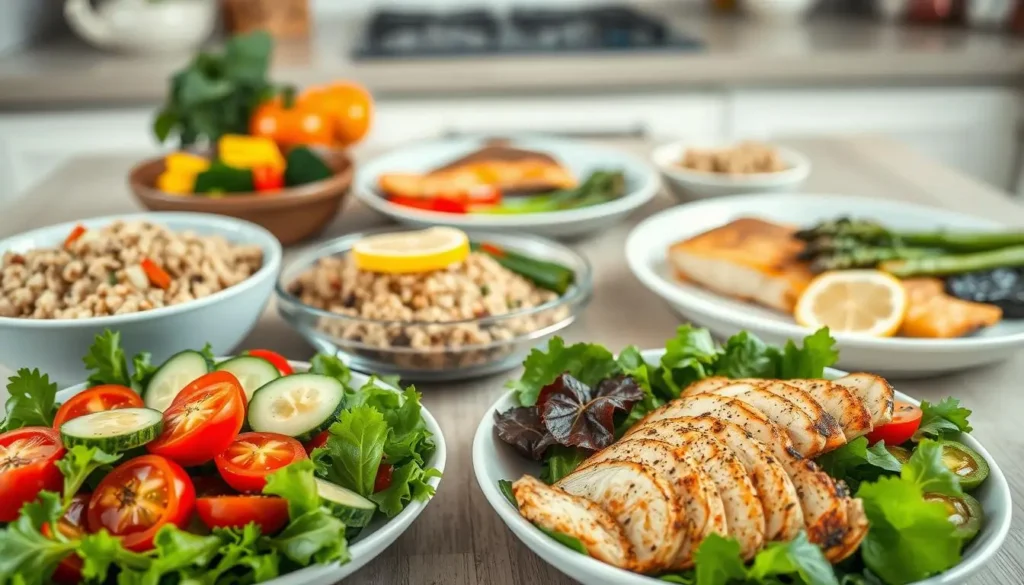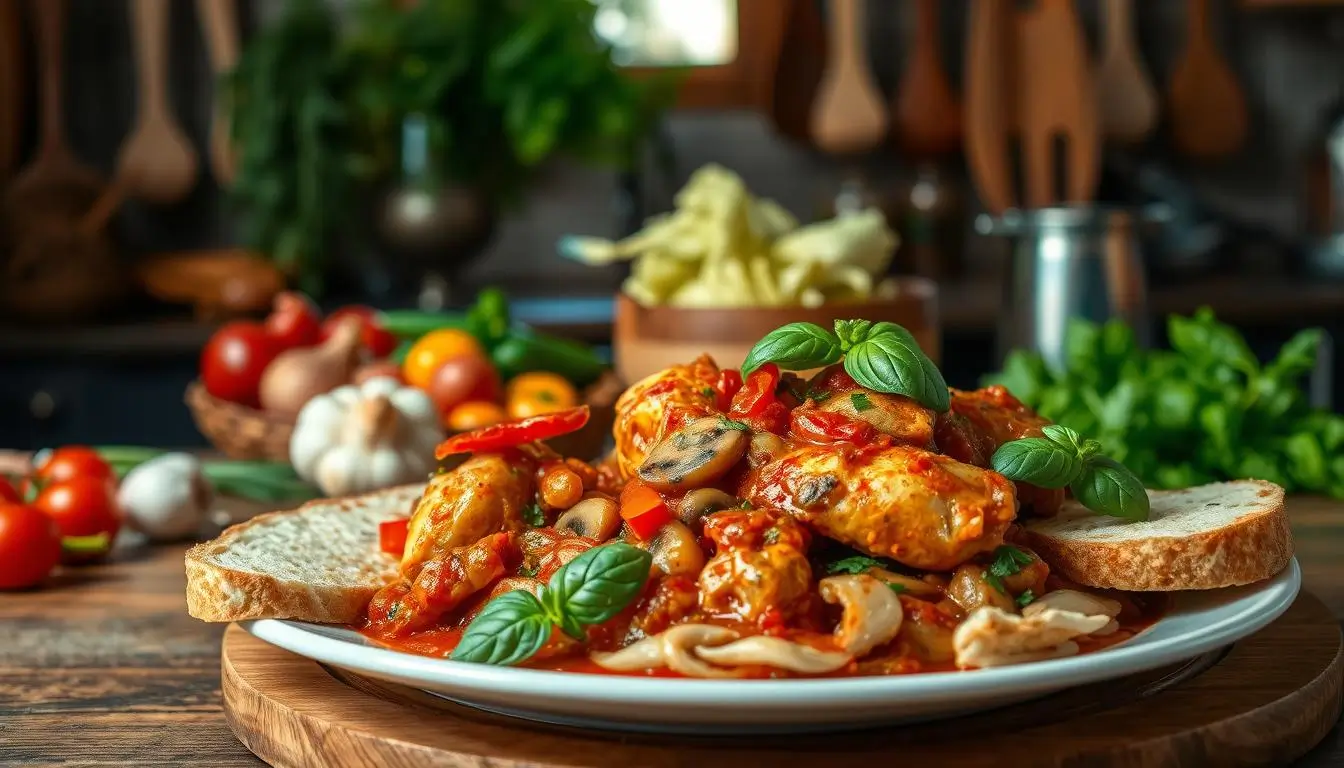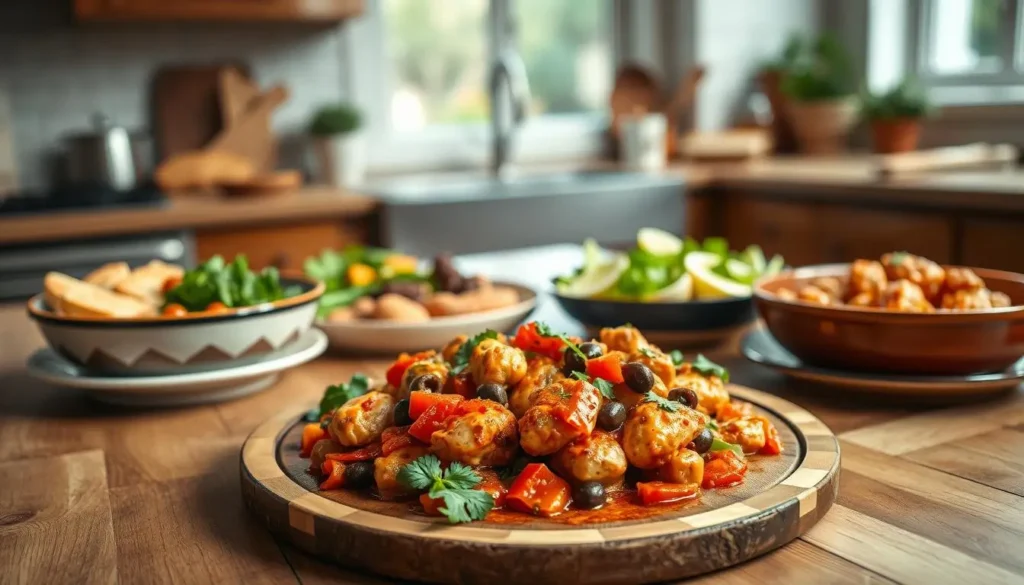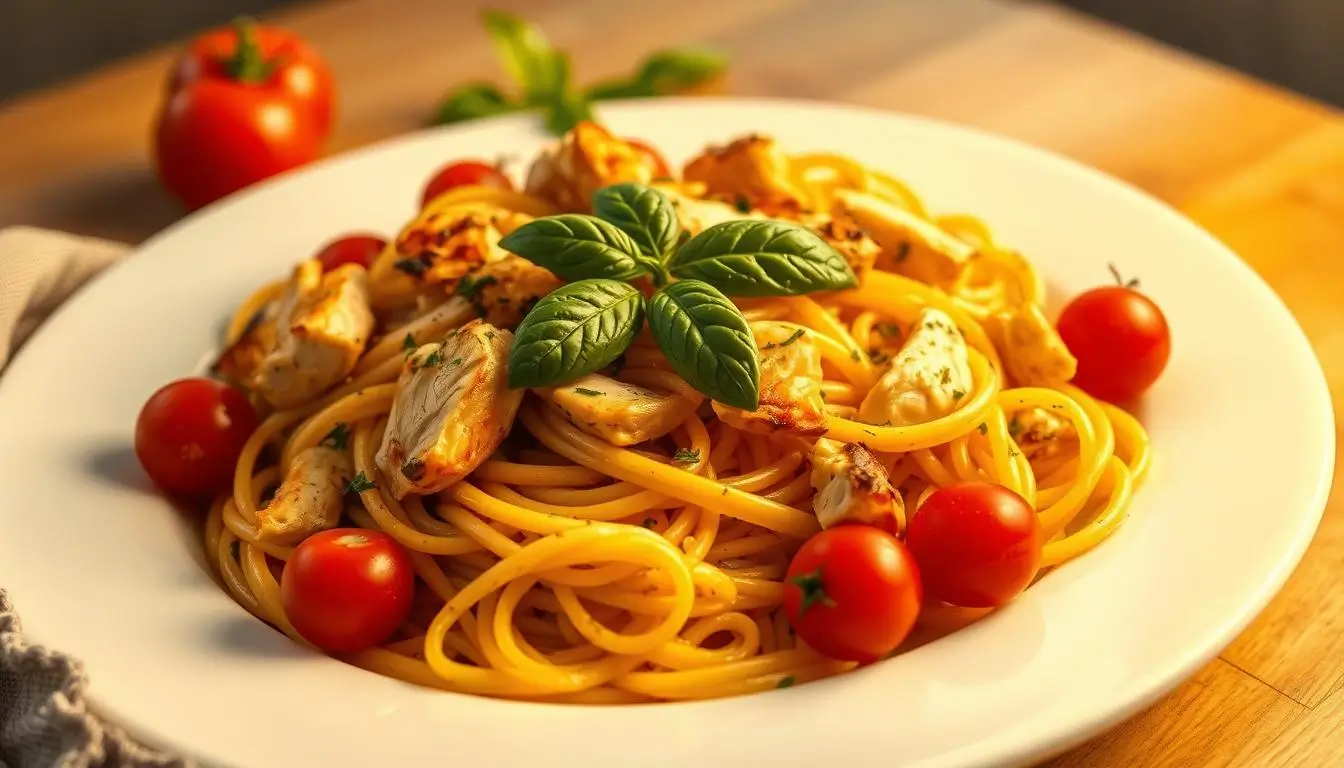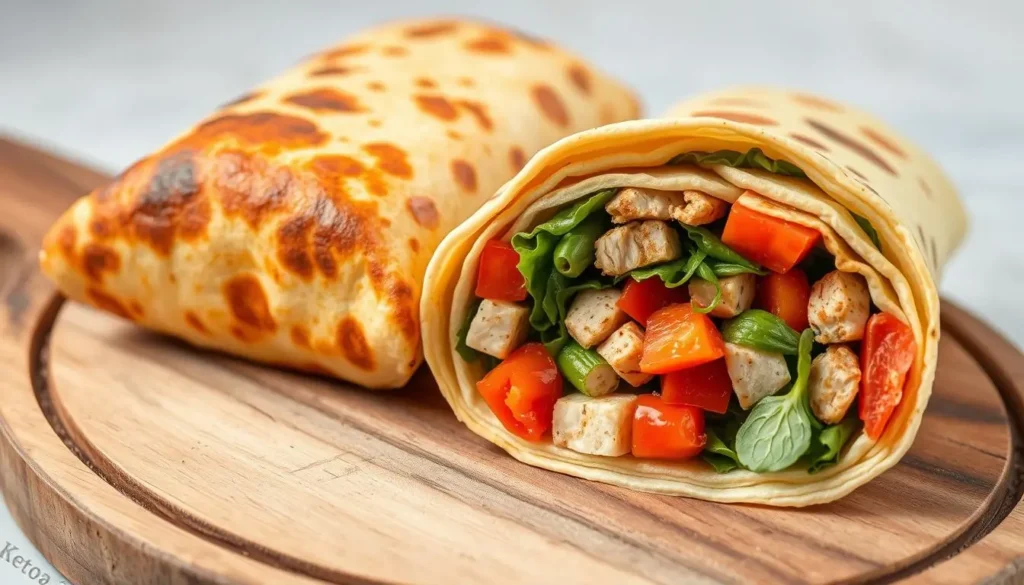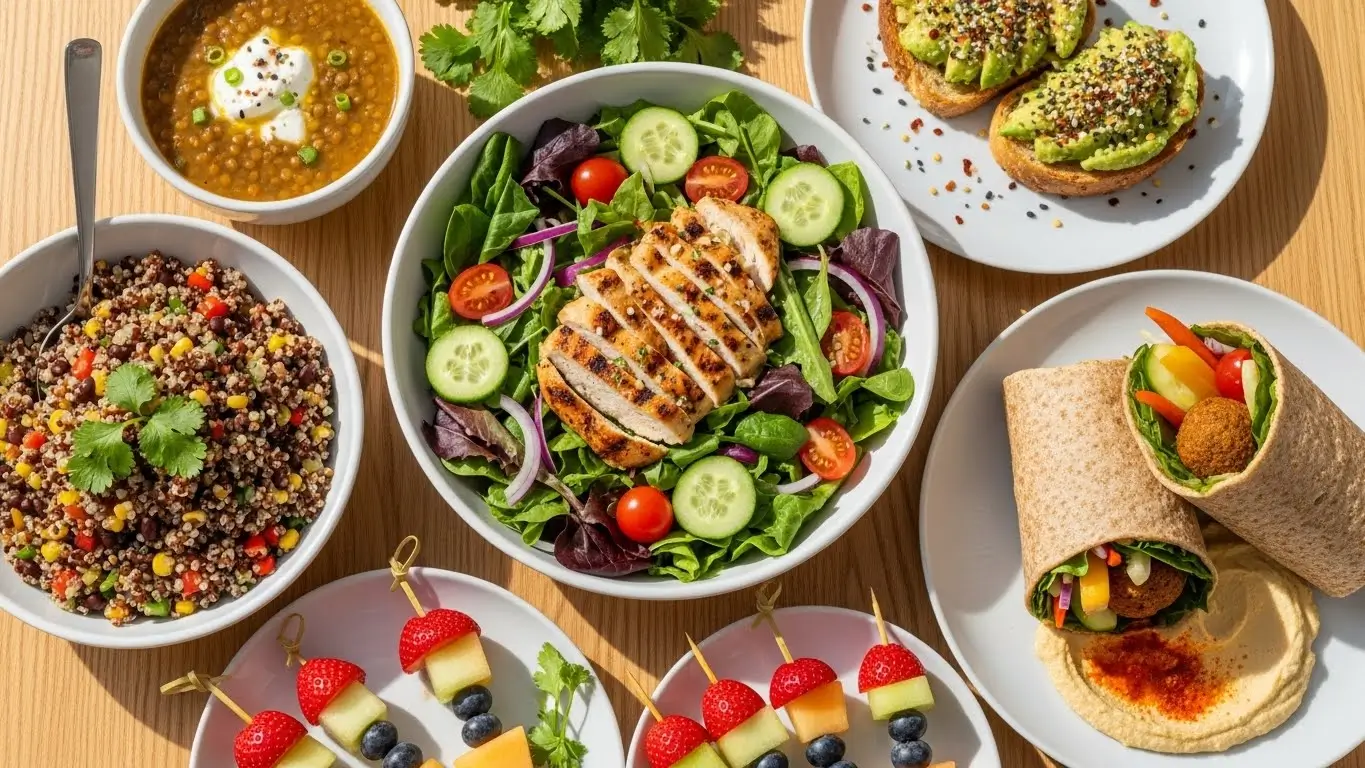
Low Fat Healthy Lunch Recipes: Quick & Easy Meals

In today’s fast world, keeping a balanced diet is tough, especially at lunchtime. Many of us turn to quick, but often unhealthy, foods because of our busy lives.

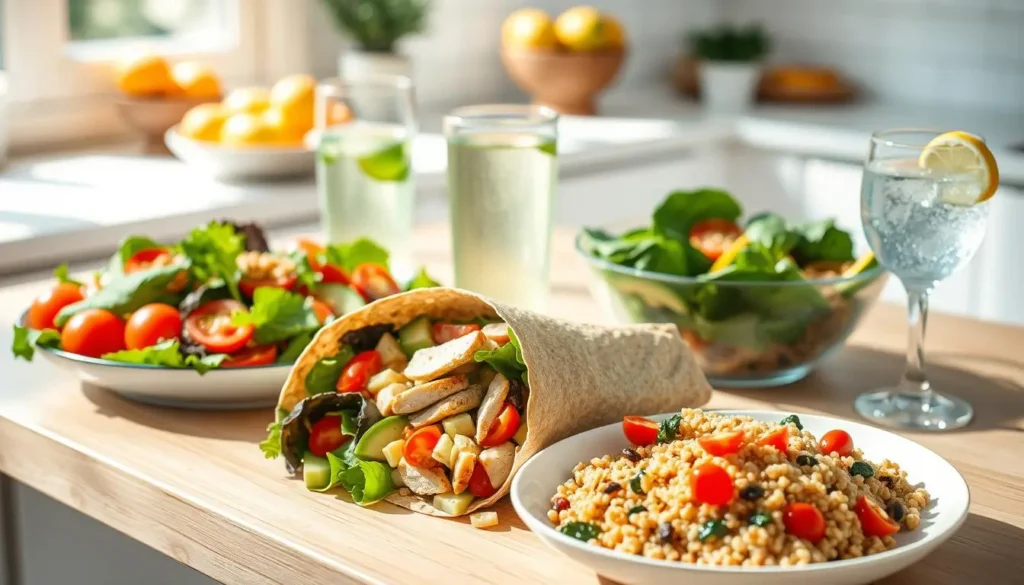
low fat healthy lunch recipes

Eating a healthy lunch can really help you feel more energetic and focused. It’s not hard to add low fat and nutritious meals to your day. This article will show you some easy and quick healthy lunch recipes that are great for when you’re in a hurry.

Key Takeaways

  • Discover simple and delicious low fat healthy lunch recipes.
  • Learn how to prepare quick and easy meals that fit into your busy schedule.
  • Explore the benefits of maintaining a healthy diet during the day.
  • Find inspiration for easy healthy lunch recipes that are both nutritious and tasty.
  • Get tips on how to make quick healthy lunch options a part of your daily routine.

The Benefits of Low Fat Healthy Lunches

Eating a low fat healthy lunch boosts your energy and helps with weight management. Adding low fat healthy lunch recipes to your day can greatly improve your health.

Nutritional Advantages of Low Fat Meals

Low fat meals are packed with nutritional benefits. They let you eat fewer calories without losing out on important nutrients. This keeps your diet balanced and supports your health.

Reduced Calorie Intake Without Sacrificing Nutrients

Low fat lunches help you eat fewer calories but still get the nutrients you need. Focus on foods like lean proteins, whole grains, and lots of veggies.

Heart Health Benefits

Eating simple low fat lunches is good for your heart. Lower fat intake, especially bad fats, can lower heart disease risk. It helps keep your cholesterol healthy.

Energy Levels and Productivity

A healthy low fat lunch boosts your energy and productivity. Foods rich in nutrients give your body the fuel it needs. This improves your focus and work performance all day.

Weight Management Benefits

Low fat healthy lunch recipes are also key for weight management. They help control calorie intake and focus on nutrient-rich foods. This makes it easier to manage your weight.

Essential Nutrition Principles for Healthy Lunches

Learning about nutrition is key to making healthy lunches. A good lunch should have the right mix of nutrients. It should also be the right size and use top-quality ingredients.

Balancing Macronutrients

It’s important to balance macronutrients in your lunch. This means getting the right amounts of protein, carbs, and fats.

Protein, Carbs, and Fat Ratios

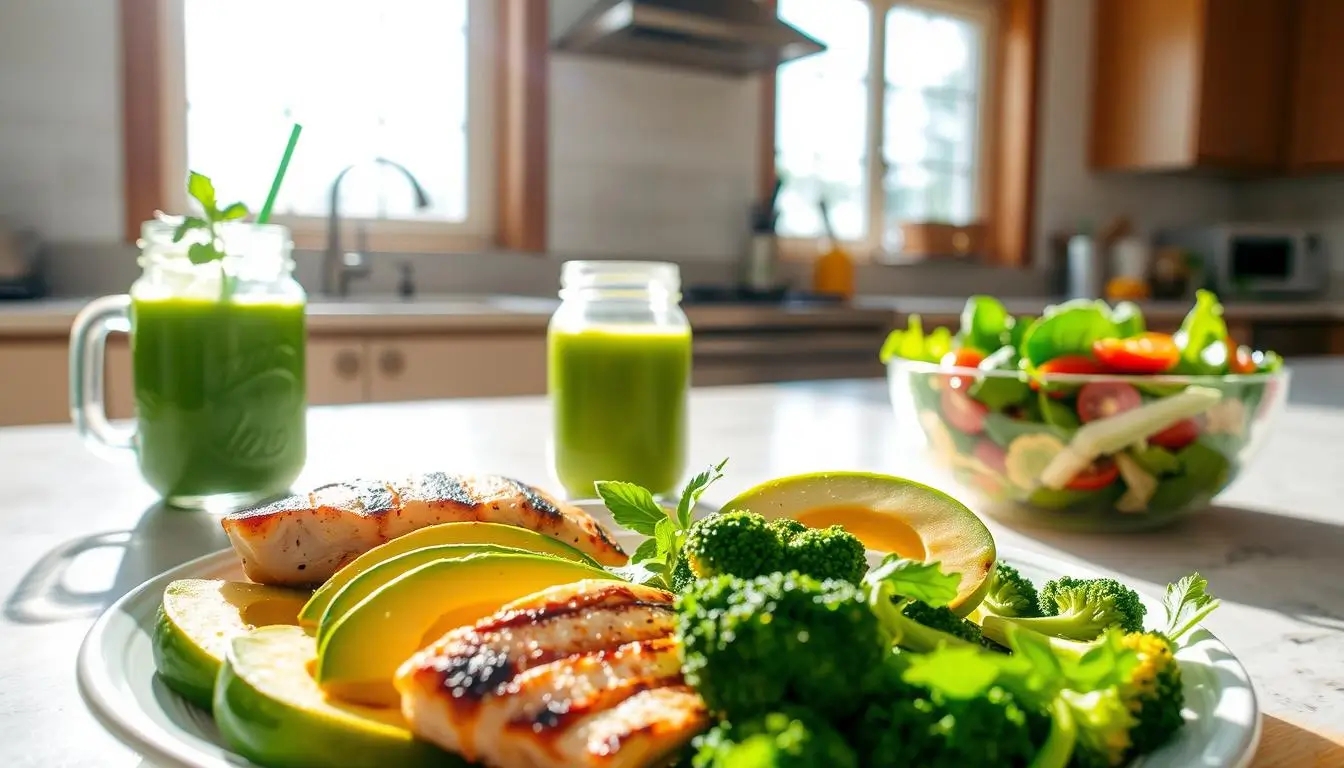
A balanced lunch should have protein, complex carbohydrates, and healthy fats. For example, grilled chicken, quinoa, and avocado together make a great mix.

Incorporating Fiber for Satiety

Adding fiber-rich foods like veggies, fruits, and whole grains helps you feel full. A high-fiber lunch can stop you from snacking too much.

Portion Control Guidelines

Keeping an eye on portion control is crucial for not eating too many calories. Using small plates and measuring your food helps avoid eating too much. Remember, the right serving size is key to a healthy lunch.

Choosing Quality Ingredients

Choosing high-quality ingredients is essential for a nutritious lunch. Always pick whole foods over processed ones. Fresh veggies, lean proteins, and whole grains are the best choices for a healthy meal.

By following these nutrition tips, you can make healthy vegetarian lunch options and low calorie lunch ideas that are both tasty and good for you.

Kitchen Essentials for Quick Low Fat Meal Preparation

Having the right kitchen tools can make a big difference in making quick low fat meals. A well-equipped kitchen saves time and makes sure meals are healthy and nutritious.

Time-Saving Kitchen Tools

The right kitchen tools can make meal prep faster. Must-have appliances include a slow cooker for easy cooking, a food processor for quick chopping, and an immersion blender for soups and sauces.

Must-Have Appliances

  • Slow Cooker
  • Food Processor
  • Immersion Blender

Meal Prep Containers

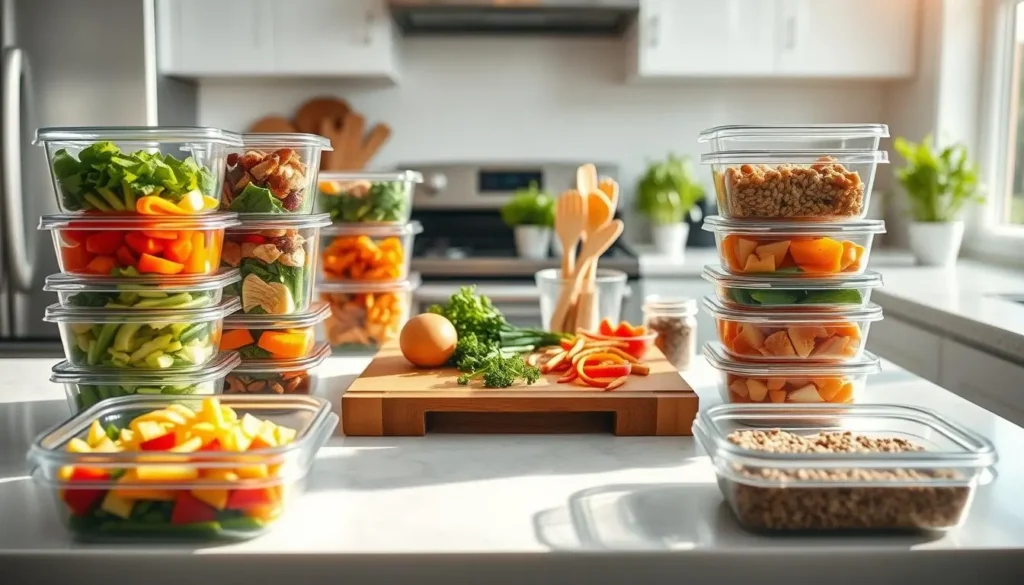
Meal prep containers are key for portion control and keeping meals fresh. Choose containers that are microwave-safe, dishwasher-friendly, and BPA-free.

Pantry Staples for Healthy Lunches

A well-stocked pantry is vital for quick meals. You’ll need whole grains like brown rice and quinoa, canned beans, and various spices.

Smart Food Storage Solutions

Proper food storage keeps food fresh and reduces waste. Use airtight containers for grains, nuts, and dried fruits.

Storage SolutionBenefit
Airtight ContainersMaintains freshness
Glass ContainersNon-toxic and durable

Low Fat Healthy Lunch Recipes for Beginners

Starting a healthy eating journey is easy. With simple ingredients and recipes, you can make tasty, nutritious lunches. Here are three low fat healthy lunch recipes for beginners.

Mediterranean Chickpea Salad

This salad is a Mediterranean favorite, full of nutrients. It’s a great easy healthy lunch recipe that’s both filling and tasty.

Ingredients and Preparation Steps

  • 1 can chickpeas, drained and rinsed
  • 1/2 cup chopped cucumber
  • 1/2 cup cherry tomatoes, halved
  • 1/4 cup red onion, thinly sliced
  • 2 tbsp olive oil
  • 1 tbsp lemon juice
  • Salt and pepper to taste
  • Fresh parsley, chopped (optional)

Mix chickpeas, cucumber, cherry tomatoes, and red onion in a bowl. Whisk olive oil and lemon juice in a small bowl. Pour over the salad and toss. Season with salt and pepper. Add chopped parsley if you like.

Nutritional Information

This salad is tasty and healthy, offering protein, fiber, and healthy fats. Each serving has about 350 calories, 5g fat, 60g carbs, and 15g protein.

Lean Turkey Wrap with Avocado

A lean turkey wrap with avocado is a quick, satisfying lunch. It’s a low fat healthy lunch recipe that’s easy to make and full of nutrients.

Ingredients and Preparation Steps

  • 1 whole wheat tortilla
  • 2 oz lean turkey breast, sliced
  • 1/2 avocado, mashed
  • 1 cup mixed greens
  • 1/4 cup sliced cucumber
  • 1/4 cup cherry tomatoes, halved

Place the tortilla flat and add turkey, avocado, greens, cucumber, and tomatoes. Roll up and slice in half.

Nutritional Information

This wrap is packed with protein, healthy fats, and carbs. Each serving has about 400 calories, 10g fat, 40g carbs, and 30g protein.

Quinoa Power Bowl

A quinoa power bowl is a nutritious meal for lunch. It’s a great way to add quinoa recipes to your diet, offering protein and fiber.

Ingredients and Preparation Steps

  • 1 cup cooked quinoa
  • 1 cup roasted vegetables (such as broccoli, carrots, and sweet potatoes)
  • 1/4 cup chopped fresh parsley
  • 2 tbsp olive oil
  • 1 tbsp lemon juice
  • Salt and pepper to taste

Mix cooked quinoa, roasted veggies, and parsley in a bowl. Whisk olive oil and lemon juice in a small bowl. Pour over the quinoa mix and toss. Season with salt and pepper.

Nutritional Information

This quinoa bowl is rich in nutrients, offering carbs, protein, and healthy fats. Each serving has about 500 calories, 15g fat, 60g carbs, and 15g protein.

Vegetarian Low Fat Lunch Options

Looking for healthy vegetarian lunch ideas? There are many tasty and low fat options. Vegetarian diets are good for your health, lowering heart disease and cancer risks. Adding low fat vegetarian meals to your diet is both tasty and healthy.

Protein-Rich Vegetarian Recipes

Protein is key, and you can find it in many vegetarian foods. Here are some protein-rich vegetarian recipes for a low fat lunch:

Lentil and Vegetable Salad

Lentils are packed with protein and fiber, making them perfect for a salad. Mix cooked lentils with bell peppers, cucumbers, and tomatoes. Add a light vinaigrette for a refreshing, filling meal.

Tofu Stir-Fry with Brown Rice

Tofu is a high-protein vegetarian choice with many preparation options. Stir-frying tofu with veggies and serving it over brown rice is a balanced, satisfying lunch.

Colorful Buddha Bowls

Buddha bowls are a favorite for their versatility. For a low fat vegetarian bowl, start with quinoa or brown rice. Add roasted or steamed veggies and top with beans or tofu.

  • Roasted sweet potatoes
  • Steamed broccoli
  • Sliced avocado
  • Chickpeas or black beans

Hearty Bean and Vegetable Soups

Soups are comforting and nutritious, especially with beans and veggies. Black bean, lentil, and minestrone soups are healthy and filling. Make them low in fat by using vegetable broth and minimal oil.

Key ingredients for hearty soups:

  1. Dried beans or lentils
  2. Vegetable broth
  3. A variety of vegetables (e.g., carrots, celery, onions)
  4. Herbs and spices for flavor

By adding these vegetarian low fat lunch options to your routine, you can enjoy a variety of healthy, delicious meals that support your well-being.

Protein-Packed Low Fat Lunch Ideas

Protein-packed lunches are both filling and key for keeping energy up all day. They help you reach your health goals without losing flavor.

Lean Meat Options

Lean meats are full of protein and fit well in low-fat meals. Chicken breast and lean beef are top picks.

Chicken Breast Recipes

Chicken breast is great for many dishes, like salads and wraps. Try grilling it and pair it with quinoa and veggies for a healthy meal.

Lean Beef Alternatives

Lean beef, like sirloin or tenderloin, is a better choice than fatty cuts. Use it in stir-fries or on top of salads.

Fish and Seafood Recipes

Fish and seafood are not just protein-rich but also full of omega-3s, good for your heart. Grilled salmon or a shrimp salad make for a great protein lunch.
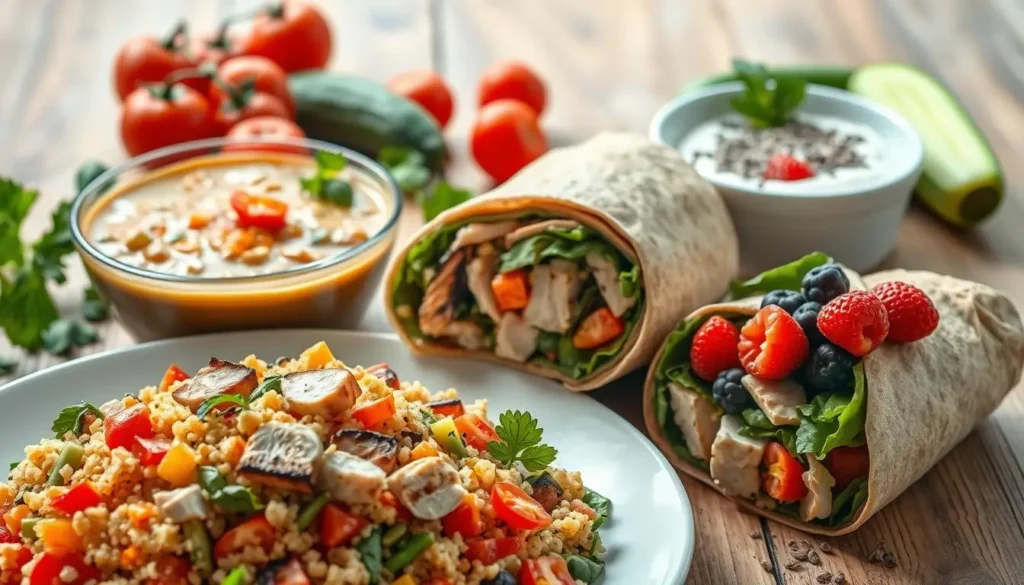
Plant-Based Protein Alternatives

Vegetarians and vegans can go for plant-based proteins like lentils, chickpeas, and tofu. They’re perfect for soups, salads, and wraps.

Adding these protein-rich, low-fat lunch ideas to your diet means you can enjoy a balanced meal. It supports your health and well-being.

Make-Ahead Low Fat Meal Prep Strategies

Low fat meal prep strategies are key for a healthy lifestyle without too much kitchen time. Spend a few hours on the weekend to prep healthy meals. This way, you’ll have low fat meals ready all week.

Weekend Prep Routines

Starting a meal prep routine on the weekend is super helpful. It saves time and lets you plan meals that fit your diet.

Time-Saving Techniques

Use quick tips like chopping veggies in bulk and cooking proteins ahead. Assemble salads just before eating. These tricks cut down meal prep time a lot.

Grocery Shopping Lists

Having a good grocery list is key for meal prep. Include lean proteins, whole grains, and lots of veggies. Organize your list by category for easier shopping.

Batch Cooking Techniques

Batch cooking means making big batches of meals that can be reheated all week. It’s great for low fat meals like soups and casseroles.

Storage and Reheating Tips

Right storage and reheating are crucial for keeping meals safe and tasty. Use airtight containers and label them. Reheat to a safe temperature to avoid illness.

These make-ahead strategies make healthy meals easy without daily cooking stress. Meal prep is great for busy people or health lovers aiming for their diet goals.

Low Calorie Lunch Ideas Under 300 Calories

Low-calorie lunches are more than just cutting calories. They’re about nourishing your body with the right foods. A balanced lunch boosts your energy and supports your health.

Satisfying Salad Combinations

Salads are perfect for a lunch under 300 calories. They’re filling and tasty. The trick is to mix different ingredients for variety.

Greek Yogurt Dressing Alternatives

Using Greek yogurt in salad dressings adds protein and creaminess. Mix it with herbs and lemon juice for a zesty dressing.

Adding Volume with Low-Calorie Vegetables

Vegetables like cucumbers, bell peppers, and carrots are low in calories. They’re also full of fiber and water, making them very filling.
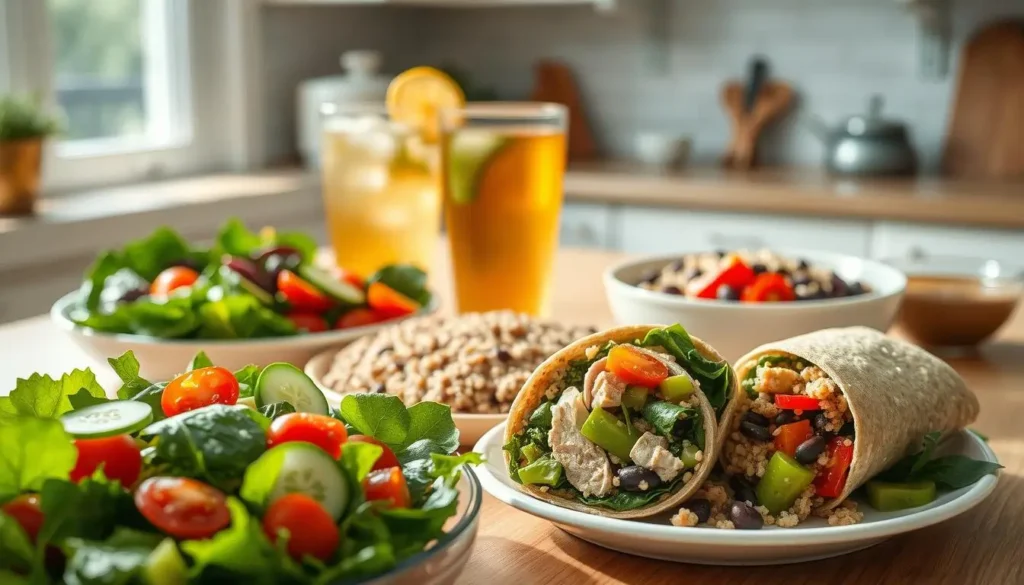
Light Soup and Sandwich Pairings

Pairing a light soup with a small sandwich makes a filling lunch under 300 calories. Choose soups that are broth-based, not creamy.

Nutrient-Dense Low Calorie Options

Choosing nutrient-dense foods is key for a healthy lunch. Foods high in fiber, protein, and healthy fats keep you full and meet your nutritional needs.

Lean proteins, whole grains, and colorful vegetables are great choices. They provide essential nutrients and help keep your weight healthy.

Quick and Easy Low Fat Healthy Lunch Recipes

For those with busy lives, finding quick and easy healthy lunch recipes is a big help. With the right ingredients and simple steps, you can make nutritious meals. These meals are good for your health and don’t take up too much time.

15-Minute Meal Ideas

15-minute meal ideas are perfect for when you’re in a rush. They’re great for busy days when you need a healthy lunch quickly.

Tuna and White Bean Salad

A Tuna and White Bean Salad is a quick and protein-rich option. Just mix canned tuna with white beans, onions, and lemon juice. It’s ready in no time.

Microwave Egg and Vegetable Mug

Another fast choice is a Microwave Egg and Vegetable Mug. Crack an egg into a mug, add your favorite veggies, and cook for a minute. It’s a healthy and filling meal.

No-Cook Lunch Options

No-cook lunch options are perfect for hot days or when you don’t want to cook. Salads, wraps, and cold soups are all quick and easy to make without heating up the kitchen.

Healthy Lunch Box Ideas for Work

Packing a healthy lunch box for work is a smart move. Include fruits, nuts, and lean proteins to keep your meals interesting and nutritious.

By adding these quick and easy low fat healthy lunch recipes to your daily routine, you can eat well even on the busiest days.

Conclusion: Sustaining Healthy Lunch Habits

Starting healthy eating habits is a journey. It takes commitment and creativity. By adding low fat healthy lunch recipes to your day, you keep your diet balanced and improve your health.

Making healthy habits fun and easy is key. Try new ingredients, flavors, and ways to prepare meals. This keeps your lunches interesting. Whether you’re busy or love health, the recipes and tips here can help you reach your goals.

Healthy eating boosts energy, helps with weight, and improves health. Keep finding new low fat healthy lunch recipes. Make healthy eating a lasting part of your life.

FAQ

What are some easy healthy lunch recipes that are low in fat?

Easy healthy lunches include Mediterranean Chickpea Salad, Lean Turkey Wrap with Avocado, and Quinoa Power Bowl. These meals are tasty, nutritious, and quick to make.

How can I make my lunches more nutritious and low in fat?

To make lunches healthier, balance macronutrients and add fiber-rich foods. Choose quality ingredients. Meal prep can also save time.

What are some protein-rich vegetarian low fat lunch options?

Protein-rich vegetarian lunches include Lentil and Vegetable Salad, Tofu Stir-Fry with Brown Rice, and Hearty Bean and Vegetable Soups. These meals are protein-rich and full of fiber and nutrients.

Can I prepare low fat healthy lunches in advance?

Yes, you can prep healthy lunches in advance. Use weekend prep, batch cooking, and storage tips. This saves time and ensures healthy meals are ready.

What are some low calorie lunch ideas under 300 calories?

Low calorie lunches under 300 calories include satisfying salads, light soups with sandwiches, and Greek yogurt with fruit and nuts. Greek yogurt dressing and adding veggies can also help.

How can I make healthy lunches for work?

For work lunches, prepare no-cook meals, healthy lunch boxes, and use meal prep containers. Include fruits, veggies, whole grains, and lean proteins for a balanced meal.

What are some quick and easy low fat healthy lunch recipes?

Quick and easy lunches include Tuna and White Bean Salad and Microwave Egg and Vegetable Mug. These are great for busy days when you need a fast, healthy meal.

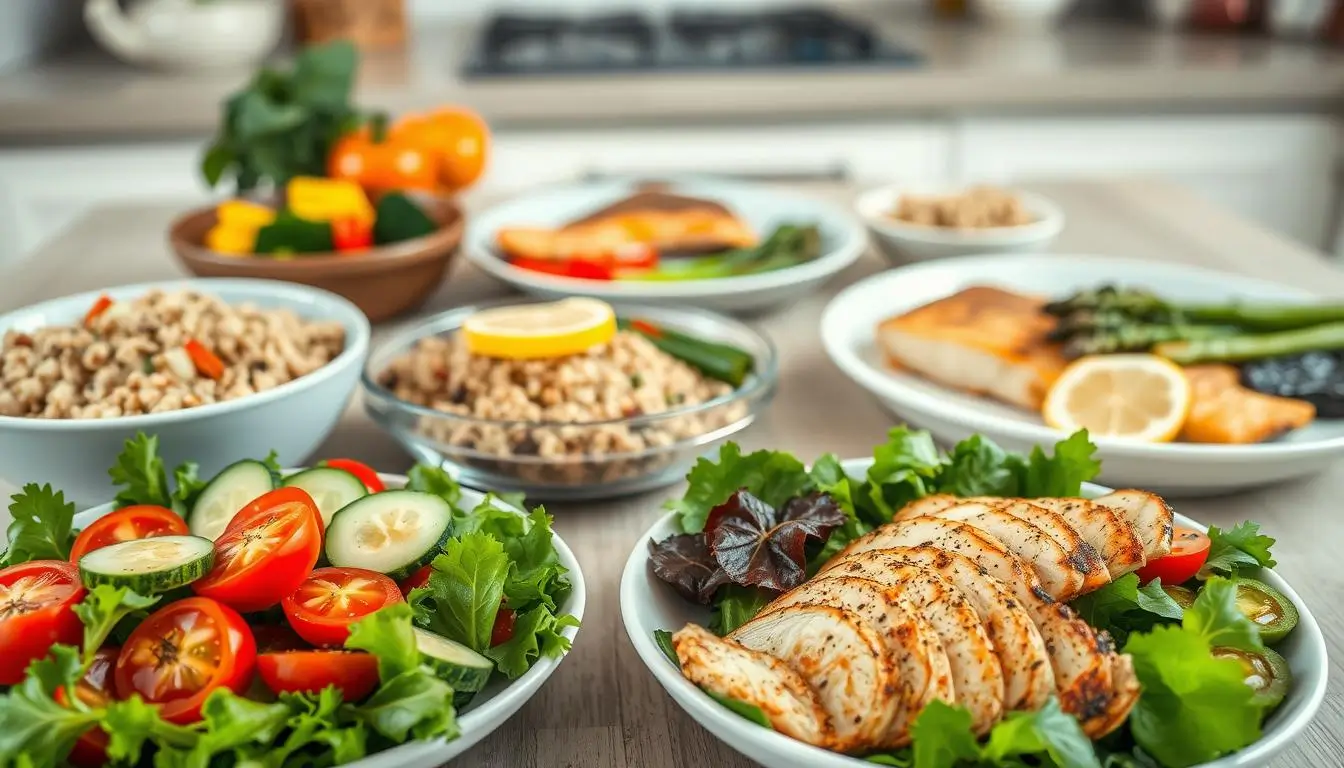
Do You Like Our Recipe ?

0.0
0.0 out of 5 stars (based on 0 reviews)
Excellent0%
Very good0%
Average0%
Poor0%
Terrible0%

Tasty and Nutritious Weight Loss Recipes

Eating delicious and nutritious meals is crucial for achieving your weight loss goals. A well-balanced diet not only helps you shed pounds but also improves your overall health and wellbeing. Incorporating Weight Loss Recipes can enhance your meal planning and support your journey.

Imagine savoring wholesome cooking ideas that are both tasty and good for you. With the right nutritious diet plans, you can enjoy flavorful meals while working towards a healthier you.

Our collection of recipes is designed to make mealtime enjoyable and stress-free. We’ve carefully curated a selection of dishes that are not only mouth-watering but also packed with nutrients.

The Science Behind Healthy Eating for Weight Loss

Understanding the science behind healthy eating is crucial for effective weight loss. It’s not just about cutting calories or following the latest diet trend; it’s about making informed choices that nourish your body while promoting a healthy weight.

Caloric Deficit: The Foundation of Weight Loss

A caloric deficit occurs when you consume fewer calories than your body burns, resulting in weight loss. This can be achieved through a combination of reducing your daily caloric intake and increasing your physical activity. For instance, incorporating Weight Loss Recipes and low calorie meal ideas into your diet can help create this deficit without sacrificing nutrition.

Nutrient Density vs. Empty Calories

Not all calories are created equal. Nutrient-dense foods provide vitamins, minerals, and other beneficial compounds, whereas empty calories offer little to no nutritional value. Choosing clean eating dishes rich in nutrients over empty calories is vital for overall health and successful weight loss.

Nutrient-Dense FoodsEmpty Calorie Foods
Leafy greensSugary drinks
BerriesProcessed snacks
Nuts and seedsFast food

As the table illustrates, making informed choices about the foods you eat can significantly impact your weight loss journey. By focusing on nutrient-dense foods and avoiding empty calories, you can achieve a healthier, more sustainable weight loss.

“The food you eat can either be the safest and most powerful form of medicine, or the slowest form of poison.”

Ann Wigmore

Essential Nutrients for Effective Weight Management

Achieving effective weight management requires a comprehensive approach that includes understanding the role of essential nutrients. A diet rich in the right nutrients not only supports weight loss but also enhances overall health.

Protein: Your Weight Loss Ally

Protein is a crucial nutrient for weight loss. It helps build and repair muscles, making it an essential component of easy weight loss meals. Foods high in protein include lean meats, fish, eggs, and legumes.

Fiber: Keeping You Fuller Longer

Fiber is another key nutrient that aids in weight management by promoting satiety and reducing cravings. Incorporating Weight Loss Recipes that are high in fiber, such as those featuring whole grains, fruits, and vegetables, can be particularly effective.

Healthy Fats: Not All Fats Are Created Equal

Healthy fats, found in foods like avocados, nuts, and olive oil, are vital for overall health and can support weight loss efforts by providing a feeling of fullness and satisfaction.

Breakfast Recipes to Kickstart Your Metabolism

Starting your day with a nutritious breakfast is crucial for kickstarting your metabolism. A well-balanced breakfast helps in boosting your energy levels and supports your weight loss efforts.

Protein-Packed Breakfast Bowls

Protein-packed breakfast bowls are an excellent way to start your day. They are not only filling but also provide the necessary protein to build and repair muscles.

Greek Yogurt Parfait with Berries and Nuts

A Greek yogurt parfait with berries and nuts is a delicious and healthy breakfast option. Layer Greek yogurt with fresh berries and top with chopped nuts for a protein-rich breakfast that keeps you full until lunchtime.

Savory Egg Muffins with Vegetables

Savory egg muffins with vegetables are a great make-ahead breakfast option. Whisk eggs with salt and pepper, add diced vegetables, pour into muffin tins, and bake until set.

Quick Smoothie Recipes Under 300 Calories

For those in a hurry, quick smoothie recipes under 300 calories are an ideal breakfast solution. Blend your favorite fruits with Greek yogurt or milk, add a handful of spinach for an extra nutritional boost, and enjoy a quick healthy meal on-the-go.

Healthy Oatmeal Variations

Oatmeal is a versatile breakfast option that can be customized to suit any taste. Try adding different fruits, nuts, or spices to create healthy weight loss recipes that are both satisfying and delicious.

Satisfying Lunch Ideas That Won’t Derail Your Diet

Finding healthy lunch options that are both satisfying and diet-friendly can be challenging, but there are several delicious solutions. The key is to focus on nutrient-dense foods that are low in calories but high in flavor and satiety.

Mason Jar Salads for Busy Weekdays

Mason jar salads are a convenient and healthy lunch option. Layering ingredients like greens, vegetables, lean proteins, and healthy fats in a jar creates a meal that’s both nutritious and easy to transport. Prepare your salad the night before to save time in the morning.

Hearty Soups Under 400 Calories

Soups can be a very satisfying lunch option, especially when they’re packed with vegetables and lean protein. Here are a couple of recipes to try:

Chicken and Vegetable Soup

This classic soup is a staple for a reason. With lean chicken, a variety of vegetables, and a clear broth, it’s a low-calorie option that’s full of flavor.

Lentil and Kale Soup

Lentils are a great source of protein and fiber, making this soup very filling. Paired with kale, it’s a nutrient-dense option that’s under 400 calories.

SoupCaloriesProtein
Chicken and Vegetable32035g
Lentil and Kale38018g

Protein-Rich Wraps and Sandwiches

Wraps and sandwiches are another convenient lunch option. Using whole grain wraps or bread and filling them with lean proteins, vegetables, and healthy fats can create a satisfying meal that’s easy to take on the go.

By incorporating these ideas into your lunch routine, you can enjoy low calorie meal ideas that support your diet goals without sacrificing flavor or satisfaction.

Healthy Weight Loss Recipes for Dinner

Healthy dinner recipes are crucial for weight loss, offering a balance of nutrients without sacrificing flavor. Preparing dinner can be straightforward and enjoyable with the right recipes.

Sheet Pan Dinners: Minimal Effort, Maximum Nutrition

Sheet pan dinners are a great way to cook a complete meal with minimal cleanup. Simply arrange your protein and vegetables on a baking sheet, season, and roast. This method helps retain the nutrients in your food and allows for a variety of slimming recipes.

Lean Protein and Vegetable Combinations

Combining lean protein with a variety of vegetables is a cornerstone of wholesome cooking ideas. Not only do these combinations provide essential nutrients, but they also help keep you full and satisfied.

Grilled Salmon with Roasted Asparagus

Grilled salmon paired with roasted asparagus makes for a delicious and healthy dinner. Salmon is rich in omega-3 fatty acids, while asparagus is a good source of fiber and vitamins.

Turkey Meatballs with Zucchini Noodles

For a twist on traditional pasta, try turkey meatballs served with zucchini noodles. This dish is low in carbs and rich in protein, making it an excellent option for those looking to lose weight.

Healthy Comfort Food Makeovers

Comfort food doesn’t have to be unhealthy. By making a few simple substitutions, you can enjoy your favorite comfort foods while still working towards your weight loss goals. Think baked sweet potato fries instead of regular fries, or cauliflower mac and cheese.

By incorporating these healthy dinner recipes into your routine, you can enjoy delicious meals while staying on track with your weight loss objectives.

Smart Snacking for Weight Loss Success

Healthy snacking is a vital component of a successful weight loss plan, providing essential nutrients and satiety. By choosing the right snacks, you can curb hunger, maintain energy levels, and support your overall weight loss journey.

Protein-Rich Snacks Under 200 Calories

Protein-rich snacks are excellent for weight loss as they help build and repair muscles. Some options under 200 calories include Greek yogurt with nuts, hard-boiled eggs, and cottage cheese with fruit. These snacks are not only high in protein but also provide a feeling of fullness that lasts.

Fiber-Filled Options to Beat Cravings

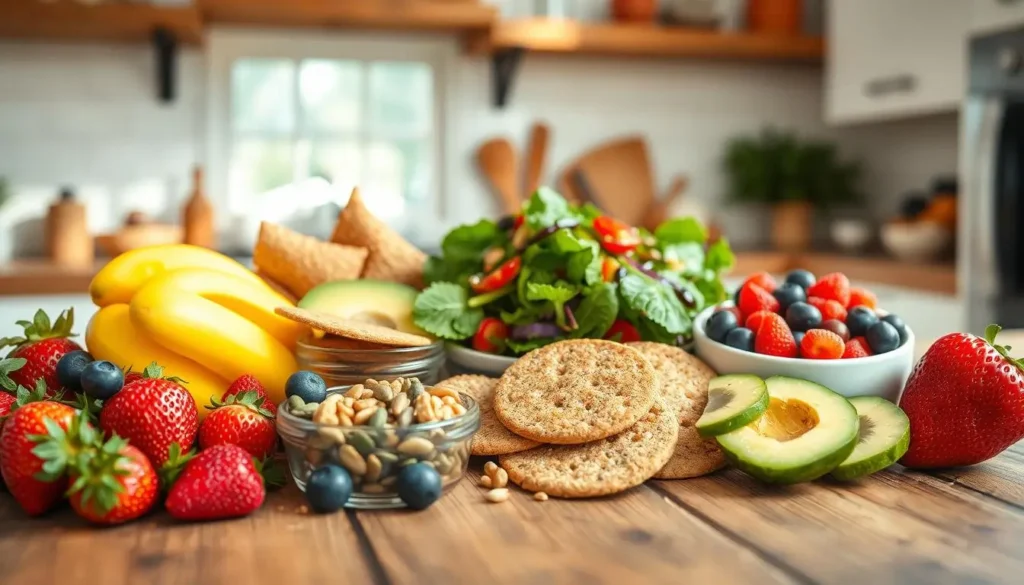
Fiber-filled snacks are another great option for weight loss. They help keep you full and satisfied, reducing the likelihood of overeating. Examples include raw vegetables with hummus, apple slices with almond butter, and whole-grain crackers with avocado. Fiber-rich foods also support healthy digestion and bowel function.

“The key to successful weight loss is not just about cutting calories, but also about nourishing your body with the right foods.”

Sweet Treats That Won’t Sabotage Your Progress

Who says you can’t have sweet treats on a weight loss diet? There are plenty of options that are both delicious and diet-friendly. For instance:

  • Dark Chocolate Covered Strawberries: A classic treat that’s easy to make and rich in antioxidants.
  • Baked Apple with Cinnamon: A warm, comforting dessert that’s low in calories and high in fiber.

Dark Chocolate Covered Strawberries

To make dark chocolate covered strawberries, simply melt some dark chocolate, dip fresh strawberries into it, and let them cool. This treat is not only delicious but also packed with antioxidants and fiber.

Baked Apple with Cinnamon

Baked apples are a great dessert option for those watching their weight. Simply core some apples, fill them with cinnamon, and bake until tender. This snack is low in calories and high in fiber, making it very satisfying.

Snack OptionCaloriesNutritional Benefits
Greek Yogurt with Nuts150High in Protein, Calcium
Apple Slices with Almond Butter120Rich in Fiber, Healthy Fats
Dark Chocolate Covered Strawberries100Antioxidants, Fiber

By incorporating these smart snacking options into your diet, you can support your weight loss goals and maintain overall health. Remember, the key is to choose snacks that are nutrient-dense and low in empty calories.

Low-Carb Recipe Options for Faster Results

For those seeking to accelerate their weight loss journey, incorporating low-carb recipes can be a highly effective strategy. Low-carb diets focus on reducing the intake of carbohydrates, such as those found in sugary foods, pasta, and bread, and instead emphasize foods high in protein and fat.

This dietary approach not only aids in weight loss but also helps in maintaining stable energy levels throughout the day. By choosing the right low-carb recipes, individuals can enjoy a variety of delicious meals while staying on track with their weight loss goals.

Cauliflower Rice Dishes

Cauliflower rice has become a staple in low-carb cooking, offering a versatile and nutritious alternative to traditional rice. It’s easy to make by pulsing cauliflower florets in a food processor until they resemble rice.

Some popular cauliflower rice dishes include:

  • Cauliflower Fried Rice with Shrimp
  • Cauliflower Rice Pilaf with Roasted Vegetables
  • Cauliflower Rice Bowl with Grilled Chicken

Zucchini Noodle Creations

Zucchini noodles, or “zoodles,” are another low-carb favorite, providing a great substitute for traditional pasta. They’re rich in vitamins and minerals and can be prepared in a variety of ways.

Popular zucchini noodle dishes include:

  • Zucchini Noodles with Pesto Sauce and Cherry Tomatoes
  • Zucchini Noodle Stir-Fry with Shrimp and Vegetables
  • Zucchini Noodle Salad with Grilled Chicken and Avocado

Protein-Forward Meals with Minimal Carbs

Protein is a crucial component of a successful weight loss diet, as it helps build and repair muscle tissue. Incorporating protein-rich foods into your meals can keep you feeling fuller for longer.

Steak and Mushroom Lettuce Wraps

A flavorful and satisfying low-carb option, steak and mushroom lettuce wraps combine grilled steak, sautéed mushrooms, and fresh lettuce leaves for a meal that’s both healthy and filling.

Stuffed Bell Peppers with Ground Turkey

This recipe involves filling bell peppers with a mixture of ground turkey, vegetables, and spices, then baking until tender. It’s a nutritious and filling meal that’s perfect for a weeknight dinner.

RecipeCarb CountProtein Content
Steak and Mushroom Lettuce Wraps5g50g
Stuffed Bell Peppers with Ground Turkey10g35g
Cauliflower Fried Rice with Shrimp8g20g

As nutrition expert, Marion Nestle, once said, “The most important thing to know about food is that it’s not just about nutrients, it’s about the overall pattern of eating.”

“The key to a successful low-carb diet is not just cutting out carbs, but focusing on whole, nutrient-dense foods that provide the body with the necessary building blocks for optimal health.”

By incorporating these low-carb recipe options into your meal plan, you can enjoy a variety of quick healthy meals that support your weight loss goals.

Plant-Based Weight Loss Recipes

Plant-based weight loss recipes offer a delicious and nutritious path to achieving your weight management goals. By focusing on whole, unprocessed foods, you can create meals that are not only satisfying but also conducive to weight loss.

High-Protein Vegetarian Meals

For vegetarians, incorporating high-protein foods is crucial for maintaining muscle mass during weight loss. Options like lentils, chickpeas, and tofu are excellent sources of protein. Try making a lentil soup with spinach and quinoa for a filling meal that’s under 400 calories.

Vegan Options That Keep You Satisfied

Vegans can also enjoy satisfying meals that support weight loss. Vegan stir-fries with a variety of vegetables and a protein source like tempeh or edamame can be very filling. Adding healthy fats like avocado enhances the satiety of these meals.

Nutrient-Dense Plant Bowls

Nutrient-dense plant bowls are a great way to pack a variety of nutrients into one meal. Two examples include:

Southwest Quinoa Bowl

This bowl combines cooked quinoa with black beans, roasted vegetables, diced tomatoes, and a drizzle of a citrus-based dressing. It’s a flavorful and filling option that’s rich in fiber and protein.

Mediterranean Chickpea Bowl

Featuring chickpeas, mixed greens, sliced cucumbers, cherry tomatoes, and a dollop of tzatziki sauce, this bowl is not only delicious but also packed with nutrients. It’s an excellent example of a clean eating dish that supports weight loss.

By incorporating these plant-based weight loss recipes into your diet, you can enjoy a variety of flavors while working towards your weight loss goals. These meals are designed to be nutritious, filling, and conducive to a healthy weight loss journey.

Meal Prep Strategies for Consistent Weight Loss

Effective meal prep is the cornerstone of consistent weight loss, allowing you to stay on track with your healthy eating goals. By preparing your meals in advance, you can ensure that you’re fueling your body with nutritious food, even on the busiest days.

Weekend Prep for Weekday Success

Dedicate a few hours on the weekend to prepare your meals for the week ahead. This can include cooking proteins, roasting vegetables, and assembling salads or meal containers. Having a plan in place makes it easier to stick to your easy weight loss meals plan.

  • Plan your meals for the week
  • Make a grocery list based on your meal plan
  • Shop for ingredients on the weekend
  • Prep and cook meals in bulk

Batch Cooking Fundamentals

Batch cooking involves preparing large quantities of a single ingredient or meal, which can then be portioned out for future meals. This technique is a cornerstone of wholesome cooking ideas and can save you time during the week.

  1. Cook a large batch of grains like brown rice or quinoa
  2. Roast a big batch of vegetables
  3. Grill or bake proteins in bulk

Storage Tips for Maximum Freshness

Proper storage is crucial to maintaining the freshness and safety of your prepped meals. Use airtight containers to keep food fresh and label them with the date they were prepared.

Best Containers for Different Food Types

Different foods require different types of containers. For example, glass containers are great for storing soups and sauces, while BPA-free plastic containers are suitable for salads and meal prep.

Most prepped meals can be safely stored in the refrigerator for 3 to 5 days. If you won’t be using a meal within that timeframe, consider freezing it. Frozen meals can be just as nutritious and delicious as fresh ones.

Quick 15-Minute Healthy Meals

Preparing nutritious meals doesn’t have to be time-consuming. With a few simple strategies, you can create quick healthy meals that fit into your busy schedule.

No-Cook Options for Busy Days

No-cook meals are a lifesaver on busy days. Consider preparing overnight oats, salads with canned proteins, or fruit and yogurt parfaits. These meals are not only quick but also packed with nutrients.

Simple Cooking Techniques for Fast Results

When you do have a few minutes to cook, simple techniques like grilling, sautéing, or steaming can produce healthy meals quickly. For example, grilling chicken or fish with a side of steamed vegetables is a nutritious and fast option.

Pantry Staples for Last-Minute Meals

Having the right pantry staples can make all the difference. Keep canned beans, tuna, and tomatoes on hand, along with frozen vegetables and whole grains.

Canned Proteins That Work

Canned tuna, salmon, and chicken are excellent sources of protein that can be used in salads or as part of a quick meal.

Frozen Vegetables Worth Stocking

Frozen vegetables like broccoli, spinach, and bell peppers are nutritious and can be steamed or sautéed in minutes.

By incorporating these strategies into your daily routine, you can enjoy nutritious diet plans without spending hours in the kitchen.

Flavor Boosters That Won’t Add Calories

Transform your healthy eating plan with these innovative ways to add flavor without the extra calories. When it comes to slimming recipes, the key is not just about reducing calories, but also about making meals enjoyable and satisfying.

Herbs and Spices for Weight Loss

Herbs and spices are not only flavor enhancers but also come with their own set of health benefits. They can add depth and variety to your low-calorie meal ideas without the need for extra salt or sugar.

Metabolism-Boosting Spices

Certain spices have been shown to have a positive effect on metabolism. For example, cayenne pepper contains capsaicin, which can boost your metabolism and help burn fat. Similarly, turmeric with its active compound curcumin, has anti-inflammatory properties that can aid in weight management.

Fresh Herbs to Grow at Home

Growing your own herbs can be a rewarding experience and ensures you have fresh flavors at your fingertips. Herbs like basil, mint, and cilantro are easy to grow and can add a burst of freshness to any dish.

“The discovery of a new dish does more for human happiness than the discovery of a new star.” – Jean Anthelme Brillat-Savarin

Homemade Dressings and Sauces

Store-bought dressings and sauces can be high in calories and preservatives. Making your own at home allows you to control the ingredients and keep them healthy. For instance, a simple vinaigrette made with olive oil, vinegar, and herbs can be a great addition to your salads.

Dressing/SauceMain IngredientsCalories per Serving
Balsamic VinaigretteOlive oil, balsamic vinegar, Dijon mustard60
Yogurt Dill SauceGreek yogurt, dill, lemon juice50

Cooking Methods That Enhance Flavor

The way you cook your food can significantly impact its flavor. Techniques like grilling, roasting, and sautéing can enhance the natural flavors of your ingredients, making your meals more enjoyable without adding extra calories.

Making Healthy Weight Loss Recipes Part of Your Lifestyle

Incorporating healthy weight loss recipes into your daily routine can be simple and enjoyable. Start by planning your meals around easy weight loss meals that include a balance of protein, healthy fats, and complex carbohydrates. This will help you stay on track and avoid last-minute, unhealthy choices.

Grocery shopping is a crucial step in maintaining a healthy diet. Focus on buying whole foods, such as vegetables, lean proteins, and whole grains, which are essential for wholesome cooking ideas. Consider meal prepping on the weekends to save time during the week and ensure you have healthy options readily available.

Developing healthy cooking habits is also vital. Experiment with new recipes and flavors to keep your diet interesting. Use herbs and spices to add flavor without extra calories. By making these simple changes, you can make healthy weight loss recipes a sustainable part of your lifestyle.

FAQ

What are some healthy weight loss recipes that are easy to prepare?

You can try low-calorie meal ideas like grilled chicken with roasted vegetables, clean eating dishes such as quinoa salads with lean protein, or slimming recipes that incorporate wholesome cooking ideas like baked salmon with sweet potatoes.

How can I make healthy meals that are also quick and delicious?

Quick healthy meals can be achieved by preparing nutritious diet plans in advance, using easy weight loss meals like one-pot recipes, and incorporating healthy weight loss recipes that are rich in protein and fiber.

What are some good sources of protein for weight loss?

Good sources of protein for weight loss include lean meats like chicken and turkey, fish like salmon, eggs, tofu, and legumes like lentils and chickpeas. These can be incorporated into protein-rich snacks and meals.

Can I still enjoy my favorite comfort foods while trying to lose weight?

Yes, you can make healthy comfort food makeovers by substituting high-calorie ingredients with lower-calorie alternatives and using cooking methods that enhance flavor without adding calories.

How can I keep my meals interesting while following a weight loss diet?

You can keep your meals interesting by trying new flavor boosters like herbs and spices, making homemade dressings and sauces, and experimenting with different cooking methods that enhance flavor.

Are there any low-carb recipe options that are effective for weight loss?

Yes, low-carb recipe options like cauliflower rice dishes, zucchini noodle creations, and protein-forward meals with minimal carbs can be effective for weight loss.

How can I meal prep effectively for weight loss?

Effective meal prep strategies include preparing meals over the weekend for the week ahead, using batch cooking fundamentals, and storing meals in containers that maintain freshness.

What are some tips for making healthy eating a sustainable part of my lifestyle?

To make healthy eating sustainable, focus on meal planning, grocery shopping for whole foods, and developing cooking habits that support long-term weight loss and overall health.

Do You Like Our Recipe ?

0.0
0.0 out of 5 stars (based on 0 reviews)
Excellent0%
Very good0%
Average0%
Poor0%
Terrible0%

Tasty Vegetarian Dinner Ideas: Healthy Recipes for the UK

In the UK, more people are choosing plant-based eating and vegetarian lifestyles. This change is because they know how good it is for their health. Eating more fruits, vegetables, and whole grains is key.

There’s a big need for delicious and easy vegetarian dinner ideas in the UK. Luckily, the country’s food scene is full of inspiring vegetarian recipes. These recipes suit many tastes and diets.

Key Takeaways

  • Explore the variety of vegetarian dinner ideas available in the UK.
  • Discover healthy vegetarian dinner recipes for a balanced diet.
  • Find inspiration for your next vegetarian meal with our recipe suggestions.
  • Learn how to create delicious and easy-to-make vegetarian dinners.
  • Get started with simple and flavorful vegetarian recipe ideas.

The Rise of Vegetarian Dining in the UK

The UK is moving towards more vegetarian meals. This change is due to health and environmental concerns. Now, many people are looking for tasty, meat-free options.

Current Trends in Plant-Based Eating

More people want vegan and flexitarian choices. Restaurants and food makers are listening. They now offer more plant-based options.

Recent numbers show the UK’s plant-based market is booming. Vegan product sales have jumped by over 20% in a year.

Health Benefits of Going Meat-Free

Eating less meat can lower heart disease and cancer risks. A vegetarian diet is full of nutrients. It includes vitamins, minerals, and antioxidants.

Dr. Michael Greger says a plant-based diet is life-saving and health-promoting. Choosing meatless meals can boost your health and wellbeing.

Essential Ingredients for a UK Vegetarian Kitchen

Setting up a vegetarian kitchen in the UK means choosing the right ingredients. This ensures you can make a variety of healthy, easy meals. A well-stocked kitchen is key to cooking nutritious veggie dinners.

Staple Vegetables and Where to Source Them

Carrots, onions, and potatoes are must-haves for any veggie kitchen. You can find them at UK supermarkets or local farmers’ markets. For the freshest produce, try local farmers’ markets.

Plant-Based Proteins Available in UK Supermarkets

Plant-based proteins are vital for a balanced diet. UK supermarkets offer a wide range, including tofu, tempeh, and seitan. You’ll also find beans and lentils. Look for them in the international or health food sections.

Must-Have Herbs and Spices

Herbs and spices make vegetarian dishes taste great. You’ll need basil, oregano, cumin, and turmeric. These are available in most supermarkets, fresh or dried.

IngredientCommon UseSource
TofuStir-fries, curriesSupermarkets
LentilsSoups, stewsSupermarkets, health food stores
TurmericCurries, soupsSupermarkets, spice shops

Healthy Vegetarian Dinner Recipes for Beginners

Discover the ease of cooking vegetarian meals with these quick, healthy, and delicious dinner recipes. For beginners, it’s all about simplicity and flavor.

15-Minute Veggie Stir Fry

A 15-minute veggie stir fry is a perfect quick vegetarian dinner recipe. Simply sauté your favorite vegetables (like bell peppers, broccoli, and carrots) with some oil, garlic, and ginger. Add a splash of soy sauce and serve over rice or noodles. This dish is not only fast but also highly customizable.

  • Use pre-cut vegetables to save time.
  • Add tofu or tempeh for extra protein.
  • Experiment with different seasonings like chili flakes or sesame oil.

Simple Bean and Vegetable Soup

A simple bean and vegetable soup is a hearty and healthy vegetarian dinner recipe. Combine canned beans, diced vegetables, and vegetable broth in a pot. Simmer until the vegetables are tender, then season with herbs and spices. This soup is great for meal prep and can be frozen for later.

Speedy Chickpea Curry

For a speedy chickpea curry, sauté onions, ginger, and garlic, then add canned chickpeas, curry powder, and coconut milk. Simmer until heated through and serve with rice or naan. This curry is a flavorful and nutritious quick vegetarian dinner recipe.

These recipes showcase how easy it is to prepare healthy vegetarian dinner recipes that are both quick and delicious. Perfect for beginners, they offer a great introduction to vegetarian cooking.

Hearty British-Inspired Vegetarian Meals

Classic British dishes are now vegetarian, offering warm, filling meals. These dishes are great for a chilly evening or a special event.

Vegetarian Shepherd’s Pie with Lentils

This vegetarian version of shepherd’s pie uses lentils for protein. It’s filled with sautéed veggies and topped with mashed potatoes. It’s a comforting, satisfying meal.

  • 1 cup lentils, cooked
  • 2 cups mixed vegetables
  • 2 tbsp tomato paste
  • 3 cups mashed potatoes

This recipe is not only tasty but also full of nutrients. It’s a great example of vegetarian recipe inspiration.

Meat-Free Bangers and Mash

Plant-based sausages can be just as tasty as meat ones. Pair them with mashed potatoes and steamed veggies for a delicious vegan dinner. You can find these sausages in UK supermarkets.

Plant-Based Sunday Roast

The traditional Sunday roast can be made vegetarian. Roast veggies like carrots, Brussels sprouts, and parsnips. Serve with a plant-based meat substitute or tofu. This hearty, plant-based meal will be a hit with your family.

These British-inspired vegetarian meals show the variety and richness of plant-based food. Whether you’re a vegetarian or just looking for vegetarian recipe inspiration, these dishes will please everyone.

Mediterranean-Inspired Vegetarian Dishes

The Mediterranean region is full of healthy and tasty vegetarian dishes. The Mediterranean diet focuses on fresh veggies, fruits, and herbs. This makes it easy to create nutritious and flavorful vegetarian meals.

Greek-Style Stuffed Peppers

Greek-style stuffed peppers are a colorful and healthy choice for dinner. They are filled with rice, herbs, and veggies, then baked until soft. It’s a tasty way to enjoy Greek flavors.

Italian Aubergine Parmigiana

Italian Aubergine Parmigiana is a classic dish that’s both tasty and healthy. It has layers of fried aubergine, tomato sauce, and mozzarella cheese. It’s a great option for those who love Italian food but don’t eat meat.

Spanish Vegetable Paella

Spanish Vegetable Paella is a vibrant and hearty dish. It’s made with saffron rice and a mix of veggies like artichokes and bell peppers. It’s a filling and flavorful plant-based dinner.

DishMain IngredientsCooking Time
Greek-Style Stuffed PeppersBell peppers, rice, herbs, vegetables45 minutes
Italian Aubergine ParmigianaAubergine, tomato sauce, mozzarella cheese60 minutes
Spanish Vegetable PaellaSaffron-infused rice, mixed vegetables50 minutes

Asian-Inspired Vegetarian Recipes

Asian cuisine is full of tasty and healthy vegetarian dishes. Each region has its own flavors and ingredients. This makes Asian vegetarian cooking incredibly diverse.

These recipes show the wide range of Asian vegetarian dishes. From India’s spices to Japan’s soy sauce, there’s something for everyone.

Indian Dhal with Seasonal Vegetables

Indian dhal is a comforting, healthy meal. It’s made with lentils and seasonal veggies. It’s easy to make and full of flavor.
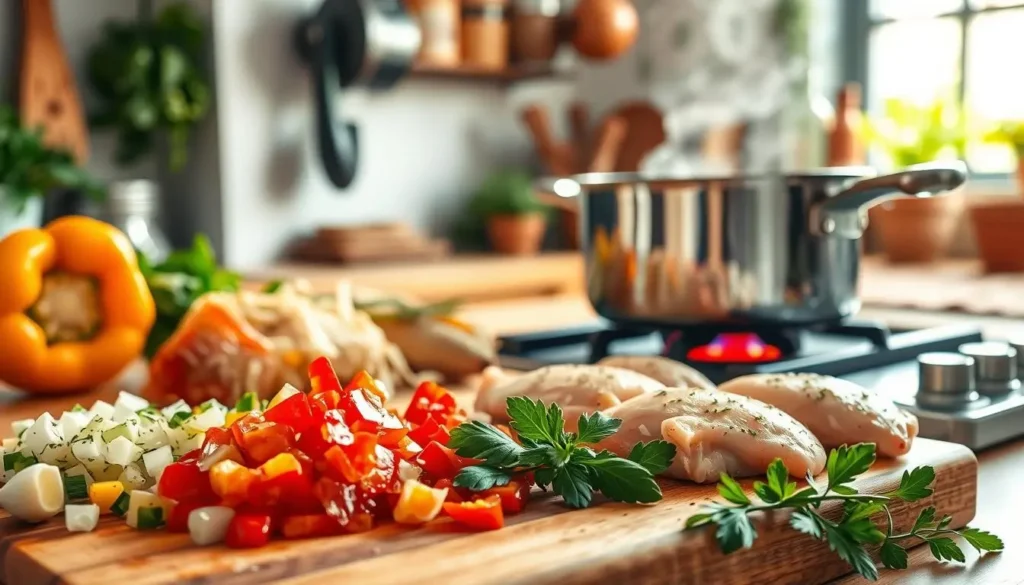
Thai Green Curry with Tofu

Thai green curry is famous for its creamy coconut milk and spices. Adding tofu makes it a quick, nutritious option.

Japanese Vegetable Ramen

Japanese ramen is loved around the world. Making it vegetarian is easy by using veggies instead of meat. It’s a hearty, nutritious meal for any time.

RecipeMain IngredientsPrep Time
Indian DhalLentils, Seasonal Vegetables, Spices30 minutes
Thai Green CurryTofu, Coconut Milk, Green Curry Paste20 minutes
Japanese Vegetable RamenRamen Noodles, Vegetables, Soy Sauce40 minutes

These Asian-inspired vegetarian recipes add variety to your meals. They ensure you enjoy nutritious and tasty dishes.

Quick and Easy Healthy Vegetarian Dinner Recipes

For those with busy lives, finding fast and healthy vegetarian dinners is key. With the right ingredients and simple cooking, you can make tasty, nutritious meals quickly.

Low-Calorie Vegetable Stir-Fry Options

Low-calorie vegetable stir-fries are great for a quick dinner. Pick your favorite veggies like broccoli, bell peppers, and carrots. Stir-fry them with oil, garlic, and ginger. Serve with brown rice or whole-grain noodles for a satisfying meal.

High-Protein Plant-Based Meals

High-protein plant-based meals are vital for vegetarians. Lentil soup, chickpea curry, and tofu stir-fries are packed with protein, fiber, and vitamins. They’re quick to make, perfect for busy weeknights.

Nutrient-Dense Salad Bowls

Nutrient-dense salad bowls are a fantastic way to get lots of nutrition in one meal. Mix greens with various veggies, beans, and nuts. Top with a healthy dressing. These bowls are nutritious, quick to make, and can be tailored to your liking.

Family-Friendly Vegetarian Dinners

Finding vegetarian recipes that everyone likes can make dinner time fun. Vegetarian meals have lots of flavors and textures. We’ll look at some tasty and easy vegetarian dinner ideas for families.

Kid-Approved Veggie Pasta Dishes

Pasta is a favorite in many homes, and it’s easy to make it vegetarian. Add roasted veggies like zucchini, bell peppers, and cherry tomatoes for extra taste. Use vegetarian sauces like pesto or marinara for an Italian flavor.

Some kid-friendly veggie pasta dishes include:

  • Vegetarian mac and cheese with hidden veggies
  • Pesto pasta with roasted vegetables
  • Tomato and spinach pasta bake

Vegetarian Taco Night Ideas

Taco nights are fun for the whole family. Make them vegetarian with beans, cheese, and veggies. Let everyone add their favorite toppings like salsa, avocado, and sour cream.

Here are some vegetarian taco ideas:

  • Black beans and roasted sweet potatoes
  • Grilled portobello mushrooms
  • Roasted vegetable and guacamole

Plant-Based Pizza Alternatives

Pizza is a hit with kids, and it’s easy to make vegetarian. Use a cauliflower crust or whole-wheat base. Top it with veggies and cheese. Try different sauces like BBQ or pesto for a twist.

Pizza ToppingVegetarian Option
PepperoniRoasted red peppers
MushroomsGrilled portobello mushrooms
OlivesArtichoke hearts

By using these ideas, you can make a fun and varied vegetarian dinner menu. The whole family will love it.

Seasonal Vegetarian Cooking in the UK

Seasonal vegetarian cooking in the UK is a journey of fresh flavors and sustainable eating. It focuses on the produce of each season. This way, home cooks make dishes that taste great and are good for the planet.

Spring Vegetable Recipes

Spring in the UK brings vibrant veggies like asparagus, peas, and radishes. A tasty dish is a spring vegetable risotto with fresh peas and asparagus. You can also try roasted radish salad and grilled asparagus with lemon butter.

Summer Harvest Dishes

Summer in the UK is full of colorful veggies like tomatoes, courgettes, and bell peppers. These are great for summer vegetable skewers, ratatouille, and salads with heirloom tomatoes.

Autumn Root Vegetable Meals

Autumn brings out root veggies like carrots, parsnips, and sweet potatoes. Try roasted root vegetable soup, mashed parsnips with garlic, and carrot and ginger soup for a cozy meal.
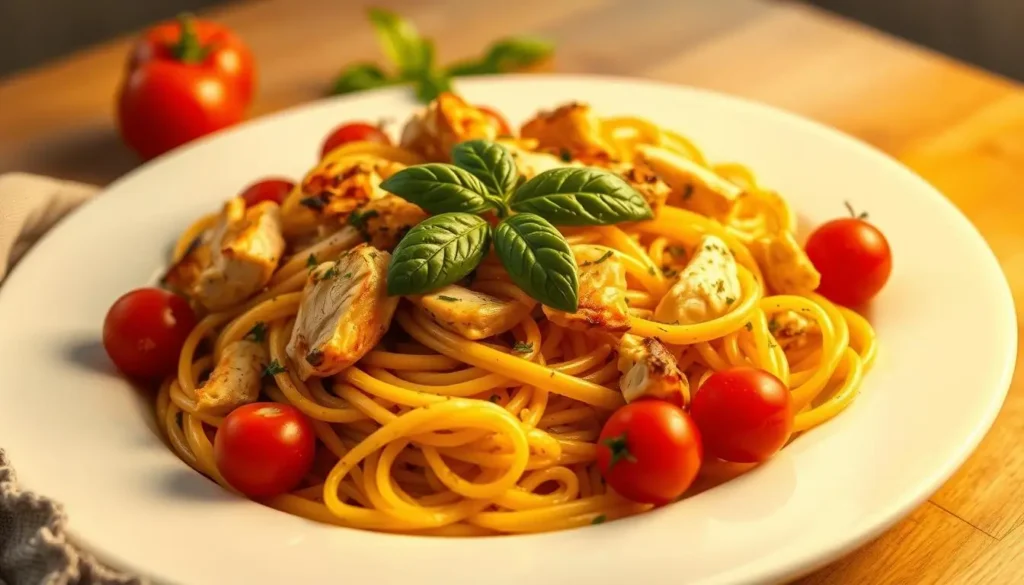
Winter Warming Vegetarian Recipes

Winter in the UK calls for warm, comforting meals. Options like lentil stew, roasted vegetable quinoa bowl, and vegetable and bean chili are both nourishing and flavorful.

By cooking with the seasons, UK home cooks enjoy a varied and exciting vegetarian diet all year. This supports local farmers and cuts down on carbon emissions from transporting produce.

Meal Prepping Vegetarian Dinners

Preparing vegetarian dinners ahead of time can make weeknights easier. Spend a few hours on the weekend on meal prep. This way, you can enjoy healthy meals all week.

This method saves time and ensures you eat nutritious and balanced meals. With a good meal prep plan, you can try many easy vegetarian meals without daily stress.

Weekend Prep for Weekday Ease

On weekends, chop veggies, cook grains, and prep proteins. This makes weeknight meals quick and simple. For example, roasting a big batch of veggies on Sunday can be used for several meals.

Freezer-Friendly Vegetarian Meals

Some vegetarian dishes freeze really well. Make big batches of soups, stews, or casseroles. These can be reheated when you’re too busy to cook.

Storage Tips for Fresh Ingredients

Keeping fresh ingredients in good shape is key. Use airtight containers for veggies and damp paper towels for herbs. This keeps your ingredients fresh and cuts down on waste.

Using these meal prep tips can save you time and let you enjoy a variety of easy vegetarian meals. Whether you’re a long-time vegetarian or just starting, meal prep can really help your daily life.

Addressing Nutritional Needs in Vegetarian Cooking

A well-planned vegetarian diet is key to maintaining overall health and well-being. Vegetarian cooking offers a variety of delicious and nutritious options. It’s essential to be mindful of the nutrients your body needs.

To ensure you’re getting all the necessary nutrients, focus on consuming a diverse range of foods. This includes a variety of vegetables, fruits, whole grains, and plant-based proteins.

Ensuring Adequate Protein Intake

Protein is a crucial nutrient that can be found in various plant-based foods. Some high-protein options include:

  • Legumes like lentils, chickpeas, and black beans
  • Nuts and seeds such as almonds, chia seeds, and hemp seeds
  • Tofu and tempeh for a versatile protein source
  • Whole grains like quinoa and farro

Iron-Rich Vegetarian Recipes

Iron is another vital nutrient that requires attention in a vegetarian diet. Increase your iron intake with:

  • Dark leafy greens like spinach and kale
  • Legumes and beans
  • Nuts and seeds such as pumpkin seeds and sesame seeds
  • Fortified cereals for an added boost

Balancing Essential Nutrients

Balancing nutrients is vital for a healthy vegetarian diet. Ensure you’re getting enough:

  • Vitamin B12 through fortified foods or supplements
  • Omega-3 fatty acids from walnuts, flaxseeds, and chia seeds
  • Calcium from fortified plant milk and dark leafy greens

By being mindful of these nutrients and incorporating a variety of whole foods into your diet, you can enjoy a balanced and nutritious vegetarian lifestyle.

Conclusion: Embracing a Flavorful Vegetarian Lifestyle

Choosing a vegetarian lifestyle can be both rewarding and delicious. It offers many health benefits and opens up a world of flavors. We’ve shared many healthy vegetarian dinner recipes to spark your cooking.

There’s a wide range of vegetarian dinner recipes to try, from British to Mediterranean and Asian dishes. By using seasonal ingredients and meal prepping, you can make your vegetarian lifestyle both healthy and fun.

Keep exploring vegetarian cuisine by trying new ingredients and flavors. With creativity and the right recipes, you can enjoy a healthy and tasty vegetarian lifestyle. It will make your meals exciting and good for you.

FAQ

What are some easy vegetarian dinner recipes?

Easy vegetarian dinner recipes include veggie stir-fries and bean soups. Chickpea curries are also great. These meals are quick, simple, and full of nutrients.

How can I ensure I’m getting enough protein in a vegetarian diet?

Include beans, lentils, tofu, and tempeh in your diet. Quinoa and farro are also good protein sources. This variety ensures you get enough protein.

What are some healthy vegetarian dinner ideas for weight loss?

For weight loss, try low-calorie stir-fries and nutrient-rich salad bowls. Vegetable soups are also good. These meals are tasty, low in calories, and full of nutrients.

Can I meal prep vegetarian dinners?

Yes, meal prepping vegetarian dinners saves time. Prep roasted veggies, beans, and grains on weekends. Then, use them to make quick meals during the week.

What are some delicious vegan dinner ideas?

Delicious vegan dinner ideas include vegan versions of comfort foods. Try vegan shepherd’s pie or pasta dishes. Explore cuisines like Indian and Thai for more ideas.

How can I make vegetarian cooking more flavorful?

To add flavor, try different herbs and spices. Use umami-rich ingredients like mushrooms and soy sauce. Aromatics like garlic and ginger also add depth to your dishes.

What are some quick and easy vegetarian dinner recipes for busy weeknights?

For busy nights, try one-pot wonders like lentil soup. Veggie stir-fries and roasted vegetable bowls are also quick. These meals are fast, simple, and easy to clean up.

How can I incorporate more seasonal ingredients into my vegetarian cooking?

Visit local farmer’s markets or join a CSA program to find seasonal produce. Try new recipes that use these ingredients. This way, you can enjoy the freshest flavors.

Do You Like Our Recipe ?

0.0
0.0 out of 5 stars (based on 0 reviews)
Excellent0%
Very good0%
Average0%
Poor0%
Terrible0%

My Favorite Healthy Vegan Snack Recipes

I’ve been on a vegan journey for a while. I’ve learned how important the right snacks are, especially when exploring Healthy Vegan Snack Recipes.

Snacking is more than just stopping hunger. It’s about feeding our bodies well. Having delicious vegan snack ideas has really helped me.

In this article, I’ll share my top vegan snack recipes. They’re tasty and simple to make.

In this article, I’ll share my top Healthy Vegan Snack Recipes. They’re tasty and simple to make.

Key Takeaways

  • Easy-to-make vegan snack recipes
  • Delicious ideas for on-the-go snacking
  • Nourishing options for a healthy diet
  • Simple ingredients for complex flavors
  • Perfect for anyone looking for vegan snack inspiration

Why I Switched to Healthy Vegan Snacks

I started a healthier lifestyle by adding Healthy Vegan Snack Recipes to my day. It wasn’t just about food; it was a choice for a kinder, greener life.

My Personal Journey to Plant-Based Eating

At first, I was hesitant to give up my favorite snacks. But easy vegan snacks surprised me with their taste and variety. I loved making energy balls and smoothies.

It wasn’t easy, but the benefits were worth it. My health and happiness improved a lot.

Health Benefits I’ve Experienced

My energy and digestion got better with vegan snacks.

Increased Energy Levels

Now, I have more energy thanks to plant-based snack ideas. My go-to snacks are energy bars and trail mix.

Improved Digestion

My digestion improved fast with easy vegan snacks. I feel less bloated and have regular bowel movements. A healthy gut is essential for me.

“A plant-based diet is not just about food; it’s about nourishing your body and soul.” – Anonymous

Here’s how my snacking changed:

AspectOld HabitsNew Habits
Energy LevelsFluctuating energyConsistent energy
DigestionOccasional bloatingRegular bowel movements
Snacking OptionsLimited to processed snacksVariety of whole foods

Essential Ingredients for Vegan Snack Preparation

To make tasty and healthy vegan snacks, you need the right ingredients. Having the basics on hand makes it easy to make snacks quickly.

Pantry Staples to Keep on Hand

A good pantry is key for easy vegan snack making. Here are some must-haves:

Nuts, Seeds, and Dried Fruits

Nuts and seeds are tasty and full of nutrients. Almonds, cashews, pumpkin seeds, and chia seeds are great for many snacks. Dried fruits like dates, apricots, and prunes add sweetness and chewiness.

Whole Grains and Flours

Whole grains like oats, quinoa, and brown rice are full of fiber and nutrients. Having different flours like almond flour, oat flour, and coconut flour lets you be creative in the kitchen.

A study in the Journal of Nutrition found that eating whole grains can lower the risk of chronic diseases (1). Adding whole grains to your snacks boosts their nutritional value.

Fresh Produce Must-Haves

Fresh fruits and veggies are crucial for healthy vegan snacks. Having a variety ensures you can make many different snacks.

My favorite fruits and veggies include apples, carrots, berries, and leafy greens. They’re perfect for quick snacks like fruit salads or veggie sticks with hummus.

Recommended Plant-Based Proteins

Plant-based proteins are key for filling and satisfying snacks. My top picks are lentils, chickpeas, tofu, and tempeh.

Protein SourceNutritional BenefitsSnack Ideas
LentilsHigh in protein and fiberLentil soup, lentil salad
ChickpeasRich in protein and vitaminsHummus, roasted chickpeas
TofuExcellent source of proteinTofu scramble, tofu stir-fry

“The future of food is plant-based, and the future is now.”

— Unknown

With these essential ingredients, you’re ready to make delicious and healthy vegan snacks.

Quick No-Bake Vegan Snack Ideas

On busy days, I rely on quick no-bake vegan snacks to curb my cravings. These snacks are not only simple to make but also full of nutrients.

5-Minute Energy Balls

Energy balls are a top pick for me. They’re quick to make and don’t need baking.

Chocolate Peanut Butter Recipe

To whip up chocolate peanut butter energy balls, I mix oats, peanut butter, cocoa, and maple syrup. Then, I shape them into balls and chill them until they’re firm.

Coconut Date Recipe

Mixing dates, coconut flakes, and a bit of vanilla makes another tasty energy ball. They’re great for a quick energy boost.

Vegetable Sticks with Homemade Dips

For a savory snack, I love vegetable sticks with homemade dips. They’re easy to make and can be tailored to your taste.

Creamy Avocado Dip

A simple dip from ripe avocados, lemon, and garlic is a favorite. I serve it with carrot and cucumber sticks.

Roasted Red Pepper Hummus

I also make a tasty hummus with roasted red peppers, chickpeas, and tahini. It’s a great dip for veggie sticks.

Fruit and Nut Butter Combinations

Fruit with nut butter is a fulfilling snack. I often have apples with almond butter or bananas with peanut butter.

These quick vegan snack recipes are a daily must-have for me. They keep me energized and focused all day.

Nutritious Vegan Smoothies and Drinks

Vegan smoothies and drinks are a big part of my day. They’re tasty and full of nutrients that keep me healthy. These drinks are not just refreshing but also good for you.

Protein-Packed Green Smoothies

Green smoothies help you get more protein and important vitamins and minerals. Here are two recipes I love:

Spinach Banana Protein Smoothie

This smoothie mixes banana’s creaminess with spinach’s health benefits and protein powder. Just blend 1 frozen banana, 1 cup of spinach, 1 scoop of vegan protein powder, and 1 cup of almond milk.

Kale Pineapple Smoothie

The Kale Pineapple Smoothie is another favorite. It blends pineapple’s sweetness with kale’s health perks. Blend 1 cup of kale, 1 cup of frozen pineapple, 1/2 banana, and 1 cup of coconut water.

Refreshing Fruit-Based Beverages

Fruit-based drinks are great for hot days. I make a simple fruit salad drink by blending fruits with water or plant-based milk.

Warming Plant-Based Lattes

When it gets cooler, I love making warming plant-based lattes. They’re comforting and healthy. Here are two recipes I always go back to:

Golden Turmeric Milk

The Golden Turmeric Milk is a calming drink. It’s made with turmeric, almond milk, and a bit of honey. It’s good for fighting inflammation.

Cacao Almond Butter Latte

The Cacao Almond Butter Latte is rich and tasty. It mixes cacao and almond butter with almond milk. It’s a healthy treat that satisfies your sweet tooth.

DrinkMain IngredientsBenefits
Spinach Banana Protein SmoothieSpinach, Banana, Protein PowderHigh in Protein, Rich in Vitamins
Kale Pineapple SmoothieKale, Pineapple, BananaAntioxidant-Rich, Supports Eye Health
Golden Turmeric MilkTurmeric, Almond Milk, HoneyAnti-Inflammatory, Soothing
Cacao Almond Butter LatteCacao, Almond Butter, Almond MilkRich in Healthy Fats, Satisfies Sweet Tooth

My Favorite Healthy Vegan Snack Recipes for Baking

As a vegan, baking is a great way to make tasty and healthy snacks. It lets you try out many ingredients, making treats that are both delicious and good for you.

Oil-Free Granola Clusters

Oil-free granola clusters are a favorite of mine. They’re healthier than regular granola and you can add your favorite nuts, seeds, and fruits.

Maple Cinnamon Recipe

For a Maple Cinnamon version, mix rolled oats, almond butter, maple syrup, and cinnamon. Bake until lightly toasted, then cool and cluster.

Chocolate Cherry Recipe

The Chocolate Cherry mix adds cocoa powder and dried cherries. It’s a sweet treat that’s perfect for indulging.

Vegetable Chips and Crisps

Baking vegetable chips is a healthy snack option. Use sweet potatoes, beets, and kale to make a colorful, nutritious snack.

Sweet Potato Brownies

Sweet Potato Brownies are a delicious vegan snack idea. They mix sweet potatoes with cocoa powder for a rich, fudgy treat.

Step-by-Step Preparation

  • Preheat your oven to 350°F (175°C).
  • Mix cooked sweet potatoes with cocoa powder, maple syrup, and vanilla extract.
  • Pour the mixture into a baking dish and bake for about 25-30 minutes.

Storage Tips

To keep your baked goods fresh, store them in airtight containers. For longer storage, freeze them.

Baking healthy vegan snacks is rewarding and creative. By trying different ingredients and recipes, you can make many delicious and nutritious snacks.

Savory Vegan Snack Options

Explore the tasty world of savory vegan snacks that are also nutritious. I’ve found that these snacks add excitement to my day. They’re perfect for anyone on a plant-based diet.

Roasted Chickpea Variations

Roasted chickpeas are crunchy and delicious. You can season them in many ways. Two favorites are Spicy Buffalo Style and Garlic Herb Flavor.

Spicy Buffalo Style

For a spicy taste, season chickpeas with buffalo seasoning. Add a dash of cayenne pepper and a squeeze of lime juice.

Garlic Herb Flavor

For a savory snack, mix chickpeas with minced garlic. Add dried herbs like thyme and rosemary. Finish with a drizzle of olive oil.

Homemade Veggie Crackers

Homemade veggie crackers are another great option. Use whole wheat flour, flaxseeds, and vegetable purees.

Plant-Based “Cheese” Bites

Plant-based “cheese” bites are a tasty snack. You can make them with different bases.

Cashew-Based Recipe

Make a creamy cheese alternative by blending soaked cashews. Add nutritional yeast, lemon juice, and spices.

Nutritional Yeast Options

Nutritional yeast gives these bites a cheesy flavor. It’s a favorite among vegans.

Savory SnackMain IngredientsNutritional Highlights
Roasted ChickpeasChickpeas, olive oil, spicesHigh in protein, fiber
Homemade Veggie CrackersWhole wheat flour, flaxseeds, vegetable pureesGood source of whole grains, omega-3 fatty acids
Plant-Based “Cheese” BitesCashews, nutritional yeast, lemon juiceRich in healthy fats, vitamin B12

These savory vegan snacks are not just tasty. They also boost your diet with nutrients.

Sweet Treats Without Refined Sugar

I love healthy eating and I’m excited to share my favorite vegan desserts. They’re free from refined sugar and taste amazing. Plus, they help me stay healthy.

Date-Sweetened Dessert Balls

Using dates as a sweetener is a favorite trick of mine. I blend them with nuts and a bit of salt. This makes delicious dessert balls that are great for snacking.

Fruit-Based Ice Creams

Fruit-based ice creams are a great vegan snack. I make Banana Nice Cream by freezing bananas and blending them. You can also try Berry Coconut Freeze for a cool summer treat.

Banana Nice Cream

This creamy dessert is made by freezing bananas and blending them. You can add your favorite toppings, like cocoa powder or chopped nuts.

Berry Coconut Freeze

Frozen berries mixed with coconut milk make a tasty ice cream. It’s vegan-friendly and doesn’t have refined sugars.

Naturally Sweet Baked Goods

I also enjoy baking treats that are naturally sweet. Apple Oatmeal Cookies and Banana Bread Bites are favorites of mine. They use fruit sweetness to cut down on added sugars.

Apple Oatmeal Cookies

These cookies have rolled oats, apples, and cinnamon. They’re a great snack for any time.

Banana Bread Bites

Ripe bananas make these bite-sized treats moist and delicious. They’re perfect for snacking on the go.

Meal-Prep Friendly Vegan Snacks

Being always on the move, I’ve found that making vegan snacks ahead of time is a big help. It lets me have quick vegan snack recipes ready, even when I’m super busy. Meal prep has become key for me, helping me eat well without losing out on convenience.

Make-Ahead Snack Containers

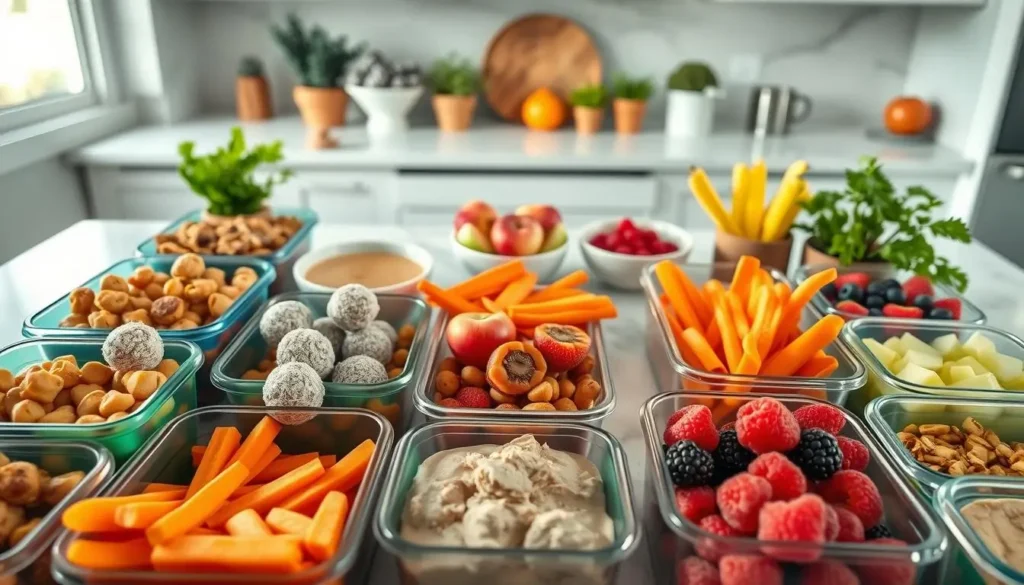
One of my top meal prep tips is making snack containers ahead of time. They’re perfect for when I’m really short on time.

Balanced Nutrition Boxes

I aim to make snack boxes with a mix of protein, healthy fats, and carbs. For instance, a box might have roasted chickpeas, sliced veggies, and a bit of hummus.

ComponentExampleNutritional Benefit
Protein SourceRoasted ChickpeasHigh in Protein
VegetablesSliced CarrotsRich in Vitamins
Healthy DipHummusGood Source of Healthy Fats

Portion Control Tips

To keep from eating too much, I use small containers for my snacks. This helps me stay within a healthy calorie range while still feeling full.

“The key to successful meal prep is planning ahead and having a clear understanding of your nutritional needs.” –

A registered dietitian

Freezer-Friendly Options

Freezer-friendly homemade vegan snacks are also great for meal prep. I often make energy balls or smoothie packs that freeze well for quick snacks.

Batch Cooking for Busy Weeks

Batch cooking is a huge help during hectic weeks. It lets me make lots of snacks that I can portion out and enjoy all week.

Sunday Prep Routine

I spend Sundays on meal prep, cooking big batches of grains and veggies. I also prep snack containers for the week.

Storage Solutions

To keep my snacks fresh, I use airtight containers and bags. Mason jars are great for overnight oats or other liquid snacks.

Nutritional Benefits of Plant-Based Snacking

Switching to a vegan lifestyle has shown me the health perks of plant-based snacks. Adding nutritious vegan snacks to my day boosts my health and energy.

Protein Sources in Plant-Based Snacks

Plant-based snacks offer many protein options. Snacks like energy balls with nuts and seeds, or vegan bars, help meet my protein needs. Nuts and seeds like almonds, chia seeds, and hemp seeds are great protein sources.

Essential Vitamins and Minerals

Plant-based snacks are full of vitamins and minerals. Dark leafy greens like kale and spinach are rich in iron and calcium. Fortified plant milk is also a good source of calcium and vitamins.

Iron-Rich Options

Iron is vital, and plant-based foods offer it. Snacks like roasted chickpeas with turmeric and cumin, or lentil-based snacks, are iron-rich.

Calcium Sources

Calcium is key for strong bones, and plant-based snacks have plenty. Options include calcium-fortified tofu, dark leafy greens, and calcium-set tofu.

SnackProtein ContentCalcium Content
Almond Energy Balls8g100mg
Fortified Plant Milk1g300mg
Roasted Chickpeas5g50mg

Balancing Macronutrients in Vegan Snacking

It’s important to balance macronutrients in a vegan diet. I make sure my snacks have carbs, proteins, and healthy fats. For example, apple slices with almond butter offer a good mix.

“The food you eat can either be the safest and most powerful form of medicine, or the slowest form of poison.” – Ann Wigmore

Choosing the right plant-based snacks helps me keep a balanced diet. This way, I enjoy the health benefits they offer.

Conclusion: Embracing a Healthier Lifestyle Through Vegan Snacking

Exploring vegan snacking has opened my eyes to tasty and healthy choices. Adding healthy vegan snack recipes to my day has really improved my energy and health.

There are so many easy vegan snacks out there, making it easy to eat well, even when I’m busy. From no-bake energy balls to roasted chickpeas, there’s always something new to try. Choosing the right snacks has made me feel more in charge of my health.

I think you should check out vegan snacking too. With a bit of creativity, you can find the best healthy vegan snack recipes for you. It’s all about finding what you like and what fits your diet.

FAQ

What are some easy vegan snack recipes?

Easy vegan snacks include energy balls with oats and nuts. You can also try roasted chickpeas with herbs. Banana nice cream is a tasty fruit-based dessert.

How can I make healthy vegan snacks?

Choose whole, plant-based foods like nuts, seeds, fruits, and veggies. Stay away from processed foods and added sugars.

What are some nutritious vegan snack options?

Good choices are raw or roasted veggies with hummus. Trail mix with nuts and dried fruits is also great. Plus, energy bars made from wholesome ingredients are nutritious.

Can I meal prep vegan snacks?

Yes, you can prep snacks like energy balls, trail mix, and veggie sticks with hummus. It saves time and keeps healthy snacks ready.

What are some quick vegan snack ideas?

Quick snacks include apple slices with almond butter and carrot sticks with hummus. Smoothies with frozen fruit and plant-based milk are also fast and easy.

How can I make vegan snacks more satisfying?

Mix protein sources like nuts or seeds with complex carbs like fruits or veggies. Add healthy fats like avocado or nut butters for extra satisfaction.

Are there any vegan snack options that are high in protein?

Yes, high-protein snacks include energy balls with nuts and seeds. Edamame and protein-rich smoothies with plant-based protein powder are also good choices.

Can I make vegan snacks without refined sugar?

Yes, use natural sweeteners like dates, maple syrup, or coconut sugar. Focus on whole, plant-based ingredients to avoid refined sugar.

Do You Like Our Recipe ?

0.0
0.0 out of 5 stars (based on 0 reviews)
Excellent0%
Very good0%
Average0%
Poor0%
Terrible0%

Indulge in Healthy Chocolate Desserts

I crave sweet treats every day, but the guilt is overwhelming. What if I told you there’s a way to enjoy them without feeling guilty?

Delicious and guilt-free desserts are now easy to find. Thanks to new recipes, you can enjoy healthy chocolate desserts that taste great and are good for you.

By using dark chocolate, nuts, and fruits, you can make delicious healthy chocolate recipes. These treats are not only tasty but also healthy.

Key Takeaways

  • Healthy chocolate desserts can satisfy your sweet tooth without the guilt.
  • Wholesome ingredients like dark chocolate, nuts, and fruits make for nutritious desserts.
  • Guilt-free desserts are now easily accessible with innovative recipes.
  • Delicious healthy chocolate recipes offer a tasty and healthy alternative.
  • Satisfy your cravings with healthy chocolate desserts that are good for you.

The Sweet Truth About Chocolate and Health

The link between chocolate and health is complex. Dark chocolate is a nutritional powerhouse. It’s a healthier choice compared to regular chocolate.

Nutritional Benefits of Dark Chocolate

Dark chocolate is packed with nutrients and antioxidants. It’s a guilt-free treat. Its benefits include:

  • High antioxidant content
  • Mineral-rich, including iron, magnesium, and copper
  • Potential to improve heart health

Understanding Cacao vs. Cocoa

Cacao and cocoa are often confused, but they’re different. Cacao is the raw material for chocolate. Cocoa is the processed version. Knowing this helps us see dark chocolate’s nutritional value.

Antioxidant Properties

Dark chocolate has lots of antioxidants. These protect our bodies from harm. It’s a tasty, low-calorie treat that’s good for us.

Mineral Content

Dark chocolate is full of important minerals like iron, magnesium, and copper. These minerals help our bodies work right, from carrying oxygen to keeping bones strong.

Eating dark chocolate can add nutrients to your diet. It’s rich in antioxidants and minerals. This makes dark chocolate a better choice than milk chocolate for those looking for a guilt-free treat.

Why Healthy Chocolate Desserts Are Worth Making

Healthy chocolate desserts are a treat that’s good for you. They mix indulgence with nutrition. By tweaking traditional recipes, you can make desserts that taste great and are good for your health.

Balancing Indulgence and Nutrition

To make healthy chocolate desserts, balance is key. Use dark chocolate, natural sweeteners, and nutrient-rich ingredients. This way, you get desserts that are both tasty and healthy.

Benefits for Weight Management

Healthy chocolate desserts help with weight management. They make you feel full and satisfied, cutting down on unhealthy snacking. Two key benefits are:

Blood Sugar Regulation

  • Desserts with natural sweeteners and fiber help control blood sugar.

Satisfaction Factor

  • Protein, healthy fats, and complex carbs in these desserts keep you full longer.

Adding healthy chocolate desserts to your diet is a smart choice. It lets you enjoy chocolate while staying healthy. Start with easy homemade chocolate desserts.

Essential Ingredients for Healthy Chocolate Desserts

Making guilt-free chocolate treats starts with picking the right ingredients. It’s key to know the healthy alternatives to bad ingredients in desserts.

Natural Sweeteners

Instead of refined sugars, use natural sweeteners. They add sweetness and offer health benefits.

Honey, Maple Syrup, and Dates

Honey is full of antioxidants and fights germs. Maple syrup has minerals like manganese and zinc. Dates are packed with fiber and potassium.

Stevia and Monk Fruit

Stevia and monk fruit are sweet but have few calories. You only need a little bit.

Flour Alternatives

Swap traditional flour for healthier options. These alternatives are higher in fiber and protein.

Almond and Coconut Flour

Almond flour is full of protein and healthy fats. Coconut flour is rich in fiber and aids digestion.

Oat and Chickpea Flour

Oat flour is a fiber-rich choice. Chickpea flour is packed with protein and fiber, making it nutritious.

Healthy Fats

Healthy fats in desserts boost flavor and nutrition.

Avocado and Nut Butters

Avocado adds creaminess and healthy fats. Nut butters offer rich flavor and are full of healthy fats and protein.

Coconut Oil and Greek Yogurt

Coconut oil adds flavor and is a healthy fat. Greek yogurt brings creaminess and protein.

IngredientNutritional BenefitUsage in Desserts
HoneyRich in antioxidantsSweetener
Almond FlourHigh in protein and healthy fatsFlour alternative
AvocadoRich in healthy fatsAdds creaminess

Using these key ingredients, you can make healthy chocolate desserts. They’re tasty and good for you.

How to Stock Your Kitchen for Healthy Chocolate Desserts

Starting with healthy chocolate desserts means getting your kitchen ready. You’ll need the right tools and ingredients. For delicious healthy chocolate recipes, a few basic tools and a stocked pantry are key.

Basic Equipment You’ll Need

First, make sure you have these basic tools:

  • A mixing bowl
  • A measuring cup
  • A whisk
  • A baking sheet
  • A blender or food processor (optional)

Pantry Essentials

Your pantry should have these basics:

  • Dark chocolate chips or bars
  • Cocoa powder
  • Natural sweeteners (e.g., honey, maple syrup)
  • Flour alternatives (e.g., almond flour, coconut flour)

Refrigerator and Freezer Items

Don’t forget to stock your fridge and freezer with:

  • Fresh fruits (e.g., bananas, berries)
  • Nuts and seeds
  • Coconut milk
  • Egg replacers (for vegan options)

With these essentials, you’re ready to make easy homemade chocolate desserts. They’ll be both healthy and tasty.

Step-by-Step Guide to Quick Healthy Chocolate Desserts

Enjoying healthy chocolate desserts is now easy with these quick recipes. They’re great for when you’re in a hurry or just want a sweet treat. These desserts are tasty and good for you.

5-Minute Chocolate Avocado Mousse

This creamy dessert is quick to make and full of nutrients. You’ll need ripe avocados, cocoa powder, and a sweetener like honey.

Ingredients and Preparation

  • 2 ripe avocados
  • 1/4 cup cocoa powder
  • 1/4 cup maple syrup or honey
  • 1/2 cup heavy cream or coconut cream

Blend the avocados, cocoa powder, and sweetener until smooth. Whip the cream until stiff, then mix it with the chocolate.

Serving Suggestions

Serve in cups or glasses. Add fresh fruits, nuts, or shaved chocolate for extra flavor and texture.

No-Bake Chocolate Energy Balls

These energy balls are great for a quick snack or dessert. They’re made with oats, nut butter, and dark chocolate for energy and satisfaction.

Mixing and Rolling Technique

Mix oats, nut butter, and melted dark chocolate in a bowl. Roll into small balls, about 1 inch in diameter.

Storage Tips

Keep them in an airtight container in the fridge for up to a week. Freeze for longer storage.

Chocolate Banana “Nice Cream”

This is a healthier ice cream alternative. Freeze bananas, then blend until creamy. Top with chocolate sauce or shaved chocolate.

Blending Method

Freeze bananas for 2 hours. Blend until smooth, scraping the sides as needed.

Flavor Variations

Customize with vanilla, cocoa, or peanut butter. Try different combinations to find your favorite.

These quick, healthy chocolate desserts are perfect for satisfying your sweet tooth. Enjoy delicious treats without sacrificing nutrition.

Mastering Baked Healthy Chocolate Desserts

Baking healthy chocolate desserts is an art that mixes nutrition with indulgence. You can make treats that are tasty and healthy by using good ingredients and smart techniques.

Flourless Chocolate Cake

A classic dessert, flourless chocolate cake is rich and decadent. You’ll need high-quality dark chocolate and careful mixing and baking.

Mixing and Baking Instructions

To get a smooth batter, melt the chocolate and butter together. Then, gently fold in the eggs. Bake at 425°F (220°C) for 12-15 minutes, or until the edges are set.

Texture Troubleshooting

If your cake is too dense, it might be from overmixing. For a lighter texture, be gentle when folding in the eggs and avoid overbaking.

Black Bean Brownies

Black bean brownies are a healthy twist on a classic dessert. They use pureed black beans for moisture and fiber.

Preparation Secrets

To make black bean brownies, blend cooked black beans with sugar, eggs, and cocoa powder. The goal is a smooth, fudgy texture.

Cutting and Serving

For clean cuts, chill the brownies before slicing. Serve with a sprinkle of sea salt for extra flavor.

Sweet Potato Chocolate Muffins

Sweet potatoes add natural sweetness and moisture to these chocolate muffins. They make for a healthy and satisfying treat.

Batter Consistency Tips

To get the right consistency, make sure the sweet potatoes are cooked and mashed smoothly. The batter should be thick but pourable.

Baking Time and Temperature

Bake the muffins at 375°F (190°C) for 20-25 minutes. They’re done when a toothpick inserted comes out clean. Watch them to avoid overbaking.

By mastering these recipes, you can enjoy delicious healthy chocolate recipes that meet your cravings without sacrificing nutrition.

Creating Vegan Healthy Chocolate Desserts

As a vegan baking enthusiast, I’ve found that healthy chocolate desserts are both possible and delicious. With a few simple swaps and creative choices, you can enjoy rich, satisfying treats that fit your diet.

Aquafaba Chocolate Mousse

Aquafaba chocolate mousse is one of my top vegan desserts. It’s light and airy, made by whipping chickpea liquid with cocoa and natural sweeteners.

Whipping Technique

Getting the right consistency is key. Whip the aquafaba until it’s stiff and holds its shape. It might take a few minutes, but it’s worth it.

Flavor Enhancers

Adding a pinch of salt and a teaspoon of vanilla extract can make your mousse even more decadent.

Coconut Milk Chocolate Pudding

Coconut milk is great for vegan desserts. Mix it with cocoa and a natural sweetener for a creamy, indulgent pudding.

Thickening Methods

Use cornstarch or arrowroot powder to thicken. Mix the powder with cold water before adding it to the coconut milk.

Cooling Process

Chill the pudding in the fridge to set and smooth out. You can also chill it in individual cups for a convenient dessert.

Chocolate Chia Seed Parfait

Layering chia seed pudding with cocoa nibs and fresh fruit makes a nutritious, appealing dessert.

Layering Approach

Start with chia seed pudding, then cocoa nibs and fruit. Keep layering until your glass or bowl is full.

Make-Ahead Options

This dessert is great for making ahead. The chia seeds need time to soak and gel. Just assemble before serving.

Adding these vegan healthy chocolate desserts to your diet can satisfy your sweet tooth while keeping you healthy. Try these recipes and find your new favorite treats!

Perfecting Gluten-Free Healthy Chocolate Desserts

Gluten-free baking for chocolate desserts is more than just swapping flours. It’s about finding the right mix of taste, texture, and health. I’m excited to share how to make tasty treats that everyone can enjoy.

Almond Flour Chocolate Cookies

Almond flour is a top pick for gluten-free baking. It gives chocolate cookies a rich, nutty taste. Getting the right dough consistency is key.

Dough Consistency

The dough should be firm but still soft. If it’s too dry, add a bit of almond milk. If it’s too wet, a little coconut flour can soak up the extra moisture.

Baking Adjustments

Gluten-free cookies need special baking settings. Lowering the oven temperature prevents burning. Baking them a bit longer ensures they’re fully cooked.

Quinoa Chocolate Cake

Quinoa is a great choice for gluten-free desserts because it’s packed with protein and fiber. To make a quinoa chocolate cake, preparing quinoa right is crucial.

Preparing Quinoa

Before cooking quinoa, rinse it to remove a bitter coating. Cook it until it’s soft, then cool it completely. This is important before mixing it into your cake batter.

Moisture Balance

Quinoa can soak up a lot of moisture. Make sure your recipe has enough liquid. Using coconut milk or applesauce helps keep the cake moist.

Learning to make these gluten-free healthy chocolate desserts lets you enjoy low-calorie chocolate sweets and guilt-free chocolate treats for any event.

Nutritional Breakdown of Healthy Chocolate Desserts

Healthy chocolate desserts are a better choice than regular sweets. They are made with ingredients that taste great and are good for you.

Calorie Comparison with Traditional Desserts

Healthy chocolate desserts have fewer calories than old-fashioned ones. For example, a dark chocolate avocado mousse has about 150 calories per serving. Traditional chocolate mousse can have over 300 calories.

Protein, Fiber, and Fat Content

These desserts use nuts, seeds, and avocados. These ingredients are full of healthy fats, protein, and fiber. They help you feel full longer and are good for your heart.

Micronutrient Benefits

Healthy chocolate desserts also have lots of micronutrients. Vitamins and minerals like iron, magnesium, and copper are found in dark chocolate. Dark chocolate is a main ingredient in many of these desserts.

Vitamins and Minerals

Dark chocolate is packed with iron and magnesium. These help make healthy red blood cells and support bone health.

Antioxidant Levels

Dark chocolate also has a lot of antioxidants. Antioxidants fight off free radicals and lower inflammation in the body.

Choosing healthy chocolate desserts lets you enjoy tasty treats while getting nutritional benefits.

Troubleshooting Common Issues with Healthy Chocolate Desserts

Enjoying easy homemade chocolate desserts can sometimes come with problems. Making guilt-free chocolate treats might seem tricky. But, with the right tips, you can fix these issues.

Texture Problems and Solutions

Texture is key to a great dessert. Let’s tackle a few common texture problems.

Too Dry or Too Moist

If your dessert is too dry, it might be overbaked or have too much flour. If it’s too moist, adjust the liquid or add eggs or flaxseed.

Crumbly or Dense

A crumbly texture could mean not enough binding or too much leavening. For dense desserts, check if you’ve used too much coconut flour.

Sweetness Adjustments

Getting the sweetness right is important. Try using natural sweeteners like honey or maple syrup.

Balancing Flavors

Boost your dessert’s flavor with a pinch of salt or a teaspoon of vanilla extract.

Enhancing Chocolate Taste

For a richer chocolate taste, use high-quality dark chocolate or add more cocoa powder.

Storage Solutions

Proper storage can keep your desserts fresh longer.

Refrigeration Guidelines

Most healthy chocolate desserts can stay in the fridge for up to a week.

Freezing Methods

Freezing is great for longer storage. Wrap your desserts tightly and store them in airtight containers.

Conclusion

Healthy chocolate desserts are a tasty way to enjoy sweets without ruining your diet. By using natural sweeteners and healthy fats, you can make low-calorie treats that are good for you. They’re both delicious and nutritious.

There are many types of healthy chocolate desserts to try. You can make flourless chocolate cakes or coconut milk chocolate puddings. Don’t be afraid to try new recipes and ingredients. You might find your new favorite dessert.

Adding healthy chocolate desserts to your diet can be great for your health. It lets you enjoy chocolate while taking care of your body. So, get creative in the kitchen and enjoy the rich flavors of healthy chocolate desserts.

FAQ

What are healthy chocolate desserts?

Healthy chocolate desserts are treats that are good for you. They use natural sweeteners, flour alternatives, and healthy fats. This makes them delicious and guilt-free.

Are healthy chocolate desserts suitable for people with dietary restrictions?

Yes, many healthy chocolate desserts can be made for different diets. You can use vegan, gluten-free, or low-calorie ingredients to meet various needs.

Can I make healthy chocolate desserts without sacrificing flavor?

Absolutely, you can make healthy chocolate desserts that taste amazing. Using high-quality chocolate and creative flavors lets you enjoy your sweet treats without guilt.

What are some common ingredients used in healthy chocolate desserts?

Common ingredients include dark chocolate, natural sweeteners like honey and maple syrup. Almond flour, coconut oil, and avocado are also used. They make desserts nutritious and tasty.

How do I store healthy chocolate desserts to maintain their freshness?

Store them in airtight containers in the fridge or freezer. Follow specific storage tips for each dessert. This keeps them fresh and flavorful.

Can I customize healthy chocolate dessert recipes to suit my taste preferences?

Yes, you can experiment with ingredients and flavors. Create unique desserts that you’ll love. Adjust sweetness and texture to your liking.

Are healthy chocolate desserts a good option for weight management?

Yes, they can help with weight management. They use nutritious ingredients that are low in calories. They’re rich in fiber and protein, keeping you full and reducing unhealthy snacking.

Do You Like Our Recipe ?

0.0
0.0 out of 5 stars (based on 0 reviews)
Excellent0%
Very good0%
Average0%
Poor0%
Terrible0%

The Best Chicken Cacciatore Recipe I’ve Made

Looking back, my homemade chicken cacciatore is a standout. It’s a classic Italian-American dish that I’ve perfected over time. I’m excited to share it with you.

After many tries, I’ve got the flavors and techniques just right. The dish combines tender chicken, savory mushrooms, and tangy tomatoes. Together, they make a rich, satisfying sauce that will be a favorite in your kitchen.

My take on this beloved recipe is a real game-changer. I’m sure you’ll love it just as much as I do.

Key Takeaways

  • A simple yet flavorful recipe that’s perfect for weeknight dinners
  • Tender chicken and savory mushrooms in a rich tomato sauce
  • A classic Italian-American dish with a homemade twist
  • Easy to make and customizable to your taste
  • A great way to impress family and friends with minimal effort

My Journey to the Perfect Chicken Cacciatore

My quest for the perfect chicken cacciatore has been a long and rewarding journey. It’s filled with trial and error, leading to a deeper understanding of what makes a authentic chicken cacciatore.

How I Discovered This Recipe

I first tried chicken cacciatore in Italy. It was a moment that changed my cooking forever. The dish’s simplicity and rich flavors, with tender chicken and fresh herbs, left a lasting impression.

Why It Became My Signature Dish

Over time, I’ve made the recipe my own, adding touches that make it special. Now, my traditional chicken cacciatore is a favorite in my kitchen. The secret is in the balance of flavors and the quality of the ingredients.

IngredientRole in the DishTips for Preparation
ChickenMain protein sourceUse fresh, high-quality chicken for the best flavor.
Onions, Peppers, MushroomsAdd flavor and textureSauté until tender to bring out their natural sweetness.
Herbs and SeasoningsEnhance the overall flavorUse a mix of dried and fresh herbs for depth.

What is Chicken Cacciatore? History and Origins

Chicken Cacciatore’s history takes us on a journey through Italy’s diverse landscapes and cultures. This dish is known for its rich flavors and hearty ingredients. Its story is as captivating as its taste.

The Hunter’s Dish: Etymology and Meaning

The word “Cacciatore” means “hunter” in English. This dish was made like a hunter would, using ingredients like onions, bell peppers, mushrooms, and tomatoes. It was often cooked with chicken or rabbit. The etymology of Cacciatore shows its roots in Italian hunting culture, where meals were made with local ingredients.

Regional Variations Across Italy

Chicken Cacciatore, or Pollo alla Cacciatora in Italian, has many regional variations. Each region adds its own twist, using local ingredients and traditions. For example, in the north, it’s made with white wine and mushrooms. In the south, tomatoes and hot peppers are more common.

RegionKey IngredientsCharacteristics
Northern ItalyMushrooms, white wineMild flavor, creamy sauce
Southern ItalyTomatoes, hot peppersSpicy, tangy flavor
Central ItalyOnions, bell peppersBalanced flavors, slightly sweet

The variety in Italian Chicken Cacciatore recipes shows its adaptability and deep roots in Italian cuisine. Whether you’re trying the classic versions or adding your own twist, Chicken Cacciatore is loved across Italy and beyond.

Why This Chicken Cacciatore Recipe Stands Out

My chicken cacciatore recipe has been perfected over years. It’s the authenticity and personal touches that make it special. This dish combines traditional Italian flavors with modern tweaks, making it exceptional.

The Secret to Authentic Flavor

The secret to authentic chicken cacciatore is using fresh, high-quality ingredients. It’s about letting the natural flavors shine, not overpowering with spices or sauces. As they say, “good food is very often, even most often, simple food.” Simple, yet flavorful, that’s the essence of a great cacciatore.

“The discovery of a new dish does more for human happiness than the discovery of a new star.” – Jean Anthelme Brillat-Savarin

My Personal Touches and Improvements

I’ve made some personal adjustments to enhance the flavor and texture. I’ve added more garlic and used a mix of bell peppers for a sweeter taste.

These changes make the dish more appealing and give it a unique twist.

By blending traditional Italian cooking with modern touches, this easy chicken cacciatore recipe stands out. It’s perfect for any occasion, from a weeknight dinner to a special event. It’s sure to impress everyone.

Essential Ingredients for Classic Chicken Cacciatore

The secret to a delicious Chicken Cacciatore recipe is in its ingredients. A traditional Chicken Cacciatore needs a few key ingredients for its unique flavor.

Choosing the Right Chicken Cuts

For a true Chicken Cacciatore, picking the right chicken is key. I like using boneless, skinless chicken thighs. They stay juicy and flavorful, even after cooking for a long time.

The Vegetable Base: Onions, Peppers, and Mushrooms

The base of onions, peppers, and mushrooms gives Chicken Cacciatore its taste. Onions add sweetness, bell peppers add crunch, and mushrooms add earthiness. Mixing these vegetables creates a balanced flavor.

Herbs and Seasonings That Make the Difference

Herbs and seasonings are crucial for enhancing the dish. Fresh or dried herbs like oregano, basil, and thyme add a fragrant aroma. Salt, pepper, and a bit of paprika boost the flavor. The goal is to balance these to highlight the chicken and vegetables.

IngredientRole in the RecipeTips for Selection
Chicken ThighsMain protein sourceChoose boneless, skinless for best results
OnionsAdds depth and sweetnessUse yellow or white onions for a stronger flavor
Bell PeppersContributes crunch and sweetnessGreen or red peppers work well, depending on desired sweetness
MushroomsBrings earthy richnessButton or cremini mushrooms are good choices

Equipment You’ll Need for Success

The right tools can greatly improve your Chicken Cacciatore. The right equipment makes cooking easier and ensures your dish tastes great.

The Ideal Cooking Vessel

A large, heavy-bottomed skillet or Dutch oven is best for Chicken Cacciatore. These pans heat evenly, which is key for browning chicken and veggies. If you don’t have these, a large sauté pan with a heavy bottom works too.

Cooking VesselFeaturesBenefits
Large SkilletHeavy bottom, wide surface areaEven heat distribution, easy browning
Dutch OvenThick walls, tight-fitting lidRetains heat, perfect for slow cooking
Sauté PanHeavy bottom, straight sidesGood heat distribution, easy to stir

Other Helpful Tools and Alternatives

While a large skillet or Dutch oven is key, other tools help too. A cutting board, sharp knife, and wooden spoon are all useful. For a hands-off option, try a slow cooker for slow cooker chicken cacciatore. Brown the chicken and cook veggies in a pan, then move them to the slow cooker.

Preparation Before Cooking

Before starting to cook, it’s key to get all your ingredients and tools ready. This makes cooking easier and more fun.

Preparing the Chicken Properly

I begin by seasoning the chicken with salt, pepper, and herbs. Then, I cut it into small pieces for even cooking. This ensures the chicken cooks right and doesn’t get too dry.

Vegetable Prep Work

Next, I slice the onions, bell peppers, and mushrooms. I try to make the slices the same size so they cook evenly. This is important for the dish’s flavor.

Getting Your Workspace Ready

I make sure my workspace is organized. I have all my ingredients and tools within reach. This includes a big skillet, utensils, and more. A tidy workspace helps me cook better.

Preparation TaskImportance LevelTime Required
Preparing ChickenHigh5 minutes
Vegetable Prep WorkHigh10 minutes
Workspace OrganizationMedium3 minutes

My Step-by-Step Chicken Cacciatore Recipe

Let’s explore how to make my signature chicken cacciatore recipe. This dish is a key part of Italian cuisine. With these steps, you can make a real version at home.

Browning the Chicken to Perfection

The first step is to brown the chicken. I use boneless, skinless chicken thighs for this recipe. They stay juicy and tender. To brown the chicken, heat a couple of tablespoons of olive oil in a large skillet over medium-high heat.

Add the chicken thighs and cook until they’re nicely browned on both sides, about 5-7 minutes per side. Remove the chicken from the skillet and set it aside.

Building the Flavor Base

With the chicken browned and set aside, it’s time to build the flavor base. Start by sautéing sliced onions and bell peppers in the same skillet until they’re softened. Add a couple of cloves of minced garlic and cook for another minute, until fragrant.

This step is crucial for developing the rich, savory flavor that characterizes authentic chicken cacciatore.

Simmering to Tenderness

Once the flavor base is ready, add the browned chicken back into the skillet. Pour in a cup of chicken broth and a can of diced tomatoes. Bring the mixture to a simmer, then reduce the heat to low and let it cook, covered, until the chicken is tender and the sauce has thickened, about 20-25 minutes.

This slow cooking process ensures that the chicken is cooked through and the flavors are fully developed.

Final Adjustments and Finishing Touches

After the chicken cacciatore has simmered to perfection, taste and adjust the seasoning as needed. You may want to add a bit more salt, pepper, or herbs to taste. Serve the dish hot, garnished with fresh parsley or basil.

This final touch adds a bright, fresh flavor that complements the rich, savory sauce.

Common Mistakes to Avoid When Making Chicken Cacciatore

Even experienced cooks can make mistakes when making chicken cacciatore. Knowing these common errors can help you make a better dish.

Overcrowding the Pan

One big mistake is overcrowding the pan. This can make the chicken steam instead of brown. Browned chicken is key for rich flavors. Cook in batches to ensure each piece browns well.

Rushing the Cooking Process

Another mistake is rushing the cooking. Chicken cacciatore needs slow, gentle cooking. This slow cooking makes the flavors deeper and the chicken tender.

Seasoning Errors to Watch For

Seasoning mistakes can also ruin your dish. It’s important to season well and taste as you go. The right seasoning makes homemade chicken cacciatore delicious.

MistakeConsequenceSolution
Overcrowding the PanSteaming instead of browningCook in batches
Rushing the Cooking ProcessLess flavorful dishSimmer slowly
Seasoning ErrorsImbalanced flavorsTaste and adjust seasoning

Variations on the Traditional Chicken Cacciatore Recipe

The traditional Chicken Cacciatore recipe is a great base for many tasty variations. By changing ingredients or cooking methods, you can make new flavors and textures. This way, you can meet different tastes and preferences.

Slow Cooker Chicken Cacciatore

The slow cooker version of Chicken Cacciatore is perfect for those who want an easy meal. Brown the chicken and cook the veggies first. Then, put everything in the slow cooker with the rest of the ingredients.

Cook on low for 6-8 hours or high for 3-4 hours. This method makes the chicken tender and blends the flavors well.

Spicy Chicken Cacciatore

Adding a spicy twist to Chicken Cacciatore can make it even better. Add diced jalapeños or red pepper flakes with the onions and bell peppers. You can also use spicy Italian sausage instead of some or all of the chicken for more heat.

Adjust the spiciness to your taste.

White Wine Chicken Cacciatore

Using white wine in Chicken Cacciatore adds a rich flavor. Brown the chicken first, then deglaze the pan with a cup of white wine. This step helps bring out the flavors.

Then, follow the recipe as usual. The white wine makes the dish more sophisticated.

VariationKey IngredientCooking Method
Slow CookerSame as traditionalSlow Cooker (6-8 hours)
SpicyJalapeños or red pepper flakesTraditional stovetop
White WineWhite wineStovetop with deglazing

These variations show how versatile Chicken Cacciatore is. You can try different versions to find your favorite.

Serving Suggestions and Perfect Pairings

It’s time to serve your chicken cacciatore. I’m here to help you make it a memorable experience. Serving this classic Italian dish is all about pleasing the senses.

Traditional Italian Side Dishes

Pair your chicken cacciatore with traditional Italian sides. Try garlic roasted broccoli or sautéed spinach with garlic and lemon. A simple green salad with a light vinaigrette also works well.

Wine Pairings That Complement the Flavors

If you love wine, a medium-bodied Italian red like Chianti or Dolcetto is perfect. For white wine fans, a dry Pinot Grigio can balance the savory flavors.

Presentation Tips for Impressive Serving

Presentation is key. Serve your chicken cacciatore hot, topped with fresh parsley and Parmesan cheese. Use a rustic dish to enhance the Italian feel.

Storing, Reheating, and Making Ahead

To enjoy your homemade chicken cacciatore to the fullest, knowing how to store and reheat it is key. This dish is great for making ahead, as the flavors blend wonderfully.

How Flavors Develop Overnight

Making chicken cacciatore ahead lets the flavors grow stronger. The ingredients mix, making the taste richer and more complex. This happens because the proteins and veggies soak up the seasonings fully.

Proper Storage Methods

To store your easy chicken cacciatore recipe, cool it down first. Then, put it in an airtight container and refrigerate within two hours. It stays good in the fridge for up to 3 days.

Storage MethodDurationNotes
RefrigerationUp to 3 daysCool completely before refrigerating
FreezingUp to 3 monthsFreeze in airtight containers or freezer bags

Reheating Without Drying Out the Chicken

To reheat your homemade chicken cacciatore without drying it out, use low heat. Add a bit of liquid if it’s too dry. You can reheat it on the stovetop or in the microwave, stirring often, until the chicken is hot.

Conclusion: Why This Chicken Cacciatore Will Become Your Family Favorite

My chicken cacciatore recipe has become a staple in my household, and I’m confident it will in yours too. It combines tender chicken, flavorful vegetables, and rich tomato sauce. This makes it a truly unforgettable dish.

The traditional chicken cacciatore stands out because of the care in its preparation. From browning the chicken to simmering the sauce, every step is important. It brings out the full flavor of the dish.

This best chicken cacciatore recipe is more than just following a list. It’s about creating a culinary experience. The cooking process, the aromas, and sharing meals with loved ones make it special. I encourage you to try it and see for yourself.

As you make this traditional chicken cacciatore, feel free to add your own twist. Try different ingredients and adjust the seasoning to your liking. With its rich flavors and hearty portions, it’s sure to become a family favorite, just like it has for me.

FAQ

What is the best type of chicken to use for chicken cacciatore?

Boneless, skinless chicken thighs are the best for tender and flavorful results. Chicken breasts are also good if you prefer them.

Can I make chicken cacciatore in a slow cooker?

Yes, you can. Brown the chicken and cook the veggies first. Then add them to the slow cooker.

What are some common variations of chicken cacciatore?

You can add white wine, use different mushrooms, or add red pepper flakes for heat.

How do I prevent the chicken from becoming dry?

Don’t overcook the chicken. Use a thermometer to check if it’s done. Adding tomatoes or vinegar helps keep it moist.

Can I make chicken cacciatore ahead of time?

Yes, it’s perfect for making ahead. The flavors get better over time. Just reheat it gently before serving.

What are some traditional Italian side dishes that pair well with chicken cacciatore?

Try roasted veggies, garlic bread, or a green salad. Pasta or polenta make it a filling meal.
How do I store leftover chicken cacciatore?

Cool it down, then put it in an airtight container. Refrigerate or freeze it. Reheat it gently to keep the chicken moist.

Can I use different types of protein in place of chicken?

Yes, you can. Try turkey, pork, tofu, or tempeh instead of chicken.

Do You Like Our Recipe ?

0.0
0.0 out of 5 stars (based on 0 reviews)
Excellent0%
Very good0%
Average0%
Poor0%
Terrible0%

The Best Philly Cheesesteak Recipe

The Philly cheesesteak is a favorite dish for many. It comes from Philadelphia and is famous for its tender beef, melted cheese, and soft roll. Making it at home lets you pick your favorite ingredients.

With just a few ingredients and some tips, you can make a delicious homemade version of this classic. We’ll show you how to make the best Philly cheesesteak. You’ll get that perfect mix of flavors and textures.

Key Takeaways

  • Learn the essential ingredients for an authentic Philly cheesesteak.
  • Discover the best cooking techniques to achieve tender beef.
  • Understand how to assemble the perfect cheesesteak sandwich.
  • Get tips on customizing your cheesesteak to suit your taste.
  • Find out how to serve and enjoy your homemade Philly cheesesteak.

The History and Origins of the Philly Cheesesteak

The Philly cheesesteak was born on Philadelphia’s streets. It has become a classic American dish. Its history spans decades, rooted in the city’s food culture.

The Birth of an Icon in Philadelphia

In the 1930s, South Philadelphia hot dog vendor Pat Olivieri started serving thinly sliced steak. He offered it to truck drivers. This dish quickly became popular, leading to the creation of Pat’s King of Steaks.

How the Sandwich Evolved Over Time

Years went by, and the Philly cheesesteak got cheese, like Cheez Whiz or provolone. It was served on a crusty Amoroso roll. Soon, it became a must-try in Philadelphia, with many places offering their own twist.

YearEventDescription
1930sPat Olivieri starts serving steakThe foundation of the Philly cheesesteak is laid by Pat Olivieri.
1950sIntroduction of cheeseCheez Whiz and provolone become standard cheese options.
1960sPat’s King of Steaks gains fameThe restaurant becomes a landmark for the authentic Philly cheesesteak.

The Philly cheesesteak’s evolution shows Philadelphia’s love for food. From its simple start to its national fame, it still draws food lovers.

What Makes an Authentic Philly Cheesesteak

To understand what makes a Philly cheesesteak authentic, we need to look at its core components. An authentic Philly cheesesteak is characterized by its simplicity and the quality of its ingredients.

Key Components of a Traditional Cheesesteak

The foundation of an authentic Philly cheesesteak lies in its few but crucial ingredients: thinly sliced beef, melted cheese, and a crusty roll. The beef is typically ribeye or top round, sliced into thin strips and cooked on a griddle. The cheese is usually Cheez Whiz, though provolone is also common in some variations.

Common Misconceptions About Authentic Cheesesteaks

Many people mistakenly believe that an authentic Philly cheesesteak must be made with a specific type of cheese or that it’s always loaded with toppings. However, the classic version is quite straightforward, focusing on the quality of the meat and the cheese. Toppings like sautéed onions and bell peppers are common, but the essence of the cheesesteak lies in its simplicity.

By understanding these key components and avoiding common misconceptions, you can create an authentic Philly cheesesteak that captures the spirit of this beloved Philadelphia dish.

Essential Ingredients for the Perfect Philly Cheesesteak

A delicious Philly Cheesesteak starts with the right ingredients. The mix of flavors and textures comes from quality parts.

Selecting the Right Cut of Beef

The beef is the heart of the Philly Cheesesteak. Thinly sliced ribeye is key for a real taste. Ribeye’s marbling and tenderness are perfect for this sandwich. Choose a well-marbled ribeye roll or rib steak for the best taste and texture.

Cheese Options: Provolone, American, or Cheez Whiz

The cheese is crucial for a great Philly Cheesesteak. Cheez Whiz, provolone, and American are top picks. Pat’s King of Steaks co-founder Harry Olivieri said, “The cheese is what brings it all together.” Find the right cheese-to-meat balance, whether it’s Cheez Whiz or provolone.

The Perfect Roll: Amoroso’s and Alternatives

No Philly Cheesesteak is complete without its signature roll. Amoroso’s bakery in Philadelphia has been a staple for decades. Their rolls are soft and chewy. If Amoroso’s is hard to find, look for a similar Italian roll that’s soft but sturdy.

Optional Toppings and Add-ins

While the core ingredients are key, toppings can make it even better. Add sautéed onions and bell peppers for extra flavor and texture. Some might say too many toppings spoil the simplicity, but

“The beauty of a cheesesteak is in its simplicity, yet it’s also a canvas waiting for your personal touch,”

as many Philadelphia locals would say.

Equipment and Tools You’ll Need

Before you start cooking your Philly cheesesteak, it’s important to have the right tools. The cooking surface and utensils you choose can greatly affect the taste and quality of your dish.

Griddle vs. Skillet Options

A griddle is often the best choice for Philly cheesesteaks. It lets you cook multiple ingredients at once. Pat’s King of Steaks says, “A good griddle is key to making a great cheesesteak.” However, a skillet offers more control over the cooking process. Think about what you need before deciding.

Utensils for Proper Slicing and Cooking

Sharp knives and spatulas are essential for slicing the beef thinly and cooking it evenly. A meat slicer is also helpful for getting the beef just right.

Temperature Control Considerations

Keeping the right temperature is crucial for cooking the beef and melting the cheese. Using a thermometer ensures your cooking surface is at the perfect temperature for a delicious Philly cheesesteak.

With the right equipment and tools, you’ll be on your way to making a classic Philly cheesesteak. It will follow the philly cheesesteak recipe traditions perfectly.

Preparing Your Ingredients

Before you start making the perfect Philly cheesesteak, it’s important to prepare your ingredients well. This ensures everything is ready for cooking and putting together. It helps create a great mix of flavors and textures.

Slicing the Beef: Techniques for the Perfect Thinness

To get the beef slices just right, cut it against the grain with a sharp knife. Freezing the beef for about 30 minutes makes it firmer and easier to slice thinly. Try to get slices that are about 1/4 inch thick.

Preparing the Onions and Peppers

Onions and peppers add a sweet and crunchy texture. Slice them thinly so they cook evenly. As Pat’s King of Steaks advises, “cook the onions until they’re soft and caramelized.”

Getting Your Cheese Ready

For a real Philly cheesesteak, use provolone, American, or Cheez Whiz. If you’re using Cheez Whiz, have it ready to pour. For other cheeses, slice them thinly so they melt well.

Prepping the Rolls

Amoroso’s rolls are the classic choice for Philly cheesesteaks. If you can’t find them, look for a similar Italian roll. Slice the rolls so they can hold the filling without falling apart.

The Best Philly Cheesesteak Recipe Step-by-Step

To make a real Philly cheesesteak, follow these steps. They ensure your cheesesteak is both tasty and textured just right.

Heating the Cooking Surface to the Ideal Temperature

First, heat your cooking surface, like a griddle or large skillet, to the right temperature. Set it to medium-high heat, about 375°F (190°C). This helps get a nice sear on your ingredients.

Sautéing Onions and Peppers to Perfection

Next, sauté sliced onions and peppers until they’re tender and slightly caramelized. This step boosts the cheesesteak’s flavor. Use butter and oil to prevent burning and stir often for even cooking.

Cooking the Thinly Sliced Beef Properly

Then, add thinly sliced beef to the hot griddle. Cook it quickly until it’s browned and fully cooked. Make sure not to overcrowd the griddle. Cook in batches if you need to.

The Right Way to Add Cheese for Optimal Melting

After cooking the beef, place cheese slices on top of the meat. Use Cheez Whiz or provolone for an authentic Philly cheesesteak. Let the cheese melt a bit before moving on.

Assembling the Sandwich for the Perfect Bite

Finally, put the cooked beef and cheese on a toasted roll, like an Amoroso roll. Add sautéed onions and peppers on top or beside the beef, as you like.

IngredientPreparation MethodCooking Time
BeefThinly slice and cook on griddle3-5 minutes
Onions and PeppersSauté in butter and oil5-7 minutes
CheeseMelt on top of cooked beef1-2 minutes

Mastering the Meat Technique

To make a real Philly Cheesesteak, you need to get the meat right. The beef’s quality and how it’s prepared make a big difference.

Getting the Right Temperature for Beef

Cooking the beef to the right temperature is key. For a Philly Cheesesteak, cook it on a hot griddle at 350°F to 400°F. This high heat sears the beef fast, keeping the juices inside.

Chopping vs. Leaving the Meat in Slices

There’s a debate on whether to chop the meat or leave it in slices. Chopping spreads flavors better, but slices can be more tender. It’s up to what you like.

Achieving the Perfect Texture Without Overcooking

To make the beef tender, cook it just until it’s done, then take it off the heat. Overcooking makes it tough and dry.

Seasoning Secrets from Philadelphia Pros

Philadelphia chefs use simple but effective spices for their cheesesteak beef. They often add salt, pepper, and sometimes paprika or garlic powder.

SeasoningPurposeTips
SaltEnhances flavorUse liberally
PepperAdds depthFreshly ground is best
PaprikaProvides smokinessUse sparingly

By mastering these techniques, you can make a homemade philly cheesesteak as good as Philadelphia’s best. The secret to an authentic philly cheesesteak is in the quality of its philly cheesesteak ingredients and how it’s prepared.

The Art of Cheese Application

The art of cheese application is key to making the perfect Philly cheesesteak. It’s not just about adding cheese to the meat. It’s about blending them together perfectly.

Melting Techniques for Different Cheese Types

Different cheeses melt in different ways. Cheez Whiz melts fast and evenly, perfect for a true Philly cheesesteak. Provolone, however, needs care to avoid becoming stringy. Knowing these differences is crucial.

The “Wiz Wit” vs. “Provolone Without” Debate

The debate between “Wiz Wit” and “Provolone Without” is long-standing. Some love Cheez Whiz’s creamy texture, while others prefer provolone’s sharp taste. It all comes down to what you like best.

Creating the Perfect Cheese-to-Meat Ratio

Finding the right cheese-to-meat ratio is vital. Too little cheese, and it’s dry. Too much, and it’s too cheesy. The goal is to balance them perfectly.

Mastering cheese application can make your Philly cheesesteak stand out. It will impress even the pickiest eaters.

Regional Variations of the Philly Cheesesteak

The Philly cheesesteak has traveled far from Pennsylvania, meeting new tastes and places. It has changed in different areas, showing off local flavors and tastes.

Philadelphia Style: The Original

In Philadelphia, the cheesesteak stays true to its roots. It’s made with thin ribeye, melted cheese, and onions on a crusty Amoroso roll. It’s often topped with Cheez Whiz or provolone.

New Jersey and New York Adaptations

In New Jersey and New York, the cheesesteak gets a local twist. Chefs add their own cheese or toppings like hot peppers or marinara sauce.

West Coast and Southern Interpretations

On the West Coast and in the South, the cheesesteak gets a fresh makeover. Avocado or different meats are added for a new taste.

International Takes on the Classic

Worldwide, the Philly cheesesteak inspires new versions. You might find Korean BBQ or vegan cheesesteaks with plant-based ingredients.

The Philly cheesesteak’s many variations show its lasting appeal and flexibility. Whether in Philadelphia or elsewhere, it’s a favorite dish for many.

Dietary Adaptations of the Classic Recipe

Making the Philly cheesesteak more inclusive means looking at lower-calorie options, vegetarian choices, and gluten-free swaps. This way, everyone can enjoy this favorite dish, no matter their dietary needs.

Lower-Calorie Philly Cheesesteak Options

To cut calories, try using leaner beef or other proteins. Choose whole wheat or whole grain rolls for fewer calories and more fiber. Adding sautéed veggies like bell peppers and onions boosts flavor without extra calories.

Vegetarian and Vegan Alternatives

For those who don’t eat meat, portobello mushrooms or seitan are great substitutes. Vegan cheese or dairy-free provolone keeps the cheesy taste without dairy. Make sure the rolls are vegan-friendly too.

Gluten-Free Roll Substitutions

If you can’t eat gluten, swap traditional rolls for gluten-free ones. Many bakeries now offer gluten-free options that taste and feel like the real thing.

Dietary AdaptationKey ChangesBenefits
Lower-CalorieLeaner beef, whole grain rolls, more veggiesReduced calorie count, increased fiber
Vegetarian/VeganPortobello mushrooms, vegan cheese, dairy-free provolonePlant-based alternatives, dairy-free
Gluten-FreeGluten-free rollsSuitable for gluten intolerance, expanded dietary options

Serving Suggestions and Side Dishes

Enjoying a classic Philly cheesesteak is better with the right sides. Simple yet tasty sides can really make it stand out.

Traditional Philadelphia Pairings

In Philadelphia, people love to pair cheesesteaks with tomato and mozzarella salad or French fries. These combos have been favorites for years.

A tomato and mozzarella salad, with olive oil and basil, is a great contrast to the Philly cheesesteak sandwich.

Modern Side Dish Options

Want to try something new with your cheesesteak? There are many cool side dishes out there.

  • Coleslaw with red cabbage adds crunch and sweetness.
  • Roasted veggies like asparagus or Brussels sprouts are a healthier choice.
  • Sweet potato fries offer a sweet and salty taste.

Beverage Pairings for Your Cheesesteak

The right drink can make your classic Philly cheesesteak even better. Soft drinks like cola or root beer are classic. But, for a grown-up twist, try a craft beer or wine.

BeverageDescription
Craft BeerA hoppy IPA can cut through the richness of the cheesesteak.
Soft DrinksCola or root beer provides a classic, nostalgic pairing.
WineA dry red wine, such as Cabernet Sauvignon, complements the bold flavors.

Conclusion: Enjoying Your Homemade Philly Cheesesteak

Now that you’ve learned how to make the best Philly cheesesteak, it’s time to enjoy it. A homemade Philly cheesesteak brings the real taste of Philadelphia to your kitchen.

The secret to a great Philly cheesesteak is using high-quality ingredients and the right technique. From choosing the right beef to making the perfect roll, every step is important.

Don’t be afraid to try new things with your Philly cheesesteak. Use different cheeses like provolone or Cheez Whiz. Add sautéed onions and peppers for extra flavor. Making your own Philly cheesesteak at home means you can make it just how you like it.

Your homemade Philly cheesesteak will be a big hit, whether it’s for dinner or a snack. So, take a bite and enjoy the amazing taste of this classic sandwich.

FAQ

What is the best cut of beef for a Philly cheesesteak?

Thinly sliced ribeye or top round is best. They offer tenderness and flavor.

Can I use Cheez Whiz as a substitute for other cheeses in a Philly cheesesteak?

Yes, Cheez Whiz is a classic choice. But, provolone or American cheese work well too.

What type of roll is best for a Philly cheesesteak?

Amoroso’s rolls are traditional. But, other crusty, soft Italian rolls are good substitutes.

How do I achieve the perfect cheese-to-meat ratio in a Philly cheesesteak?

Use a lot of cheese, but don’t overdo it. You want a balance.

Can I make a Philly cheesesteak without a griddle or skillet?

Yes, you can use a grill or broiler. They work well too.

What are some common toppings and add-ins for a Philly cheesesteak?

Onions, peppers, mushrooms, and hot peppers are popular. They add flavor.

How do I store leftover Philly cheesesteak?

Wrap it tightly in plastic or foil. Refrigerate for up to a day.

Can I make a vegetarian or vegan version of a Philly cheesesteak?

Yes, use sautéed mushrooms, bell peppers, or other veggies. Vegan cheese works too.

What are some beverage pairings that complement a Philly cheesesteak?

Try cola, root beer, beer, or iced tea. They all pair well.

Do You Like Our Recipe ?

0.0
0.0 out of 5 stars (based on 0 reviews)
Excellent0%
Very good0%
Average0%
Poor0%
Terrible0%

Delicious Chicken Spaghetti: A Quick & Easy Meal

I still remember the first time I had chicken spaghetti. It was at a family gathering, and it became my favorite. The mix of tender chicken and tasty spaghetti is both yummy and easy to make.

For someone who loves quick meals, this simple chicken pasta dish is great. It needs just a few ingredients and is easy to make. Yet, it tastes rich and fulfilling.

Key Takeaways

  • A quick and delicious meal option for busy nights.
  • Minimal ingredients are required for this simple dish.
  • The combination of chicken and spaghetti is both flavorful and satisfying.
  • It’s an easy-to-make recipe that’s perfect for weeknight dinners.
  • This dish is ideal for those who enjoy pasta but are looking for something a bit different.

Why Chicken Spaghetti Deserves a Place in Your Meal Rotation

Chicken spaghetti is more than a meal; it’s a cozy choice for busy families. In today’s fast world, finding a quick chicken spaghetti recipe is a big help. It’s loved for its ease and the joy it brings to dinner.

The Perfect Comfort Food for Busy Weeknights

Homemade chicken spaghetti is great because it’s both comforting and easy. On a hectic weeknight, it can be ready in under 30 minutes. You can do other things while it cooks, making it a perfect choice.

Experts say a good comfort food should be easy and satisfying. Chicken spaghetti is a perfect match.

The charm of classic chicken spaghetti is its flexibility. You can add your favorite veggies or change the seasonings. This makes it a hit with both kids and adults.

My Personal Connection to This Classic Dish

Homemade chicken spaghetti means a lot to me, connecting me to my family’s history. My mom made it on weekends when I was young. Cooking it now brings back those happy memories.

I love how quick chicken spaghetti can be ready fast. It shows that simple meals can be the most fulfilling. “Comfort food at its best,” many agree.

Essential Ingredients for Perfect Chicken Spaghetti

Quality ingredients are key for a tasty chicken spaghetti. The dish’s flavor and texture depend on the freshness of the ingredients.

Pasta and Protein Components

The pasta and protein are the heart of chicken spaghetti. Choose spaghetti or other long shapes for pasta. Use boneless, skinless chicken breast or thighs for protein.

Sauce and Vegetable Elements

The sauce is vital for the dish. Make a basic sauce with canned tomatoes, onions, garlic, and herbs. Add bell peppers or mushrooms for extra flavor and nutrition.

Cheese and Seasoning Options

Cheese makes chicken spaghetti richer. Parmesan and mozzarella are great choices. Parmesan adds a salty taste, while mozzarella makes it creamy. Use Italian seasoning, paprika, and a bit of salt and pepper for flavor.

Kitchen Tools You’ll Need

Preparing one-pot chicken spaghetti needs a few basic tools. You probably have these in your kitchen already. The right tools make cooking easier and more fun.

Basic Equipment Requirements

You’ll need a big pot, at least 6 quarts. A deep skillet or Dutch oven is best for cooking chicken spaghetti. Also, a colander for pasta, a cutting board for veggies, and a sharp knife for prep are needed. Don’t forget a wooden spoon or spatula for stirring.

Optional Tools That Make Cooking Easier

Some tools are not essential but help a lot. A garlic press makes mincing garlic quick. A meat thermometer checks if chicken is cooked right. A grater or microplane is good for cheese, and a timer helps with cooking times.

Preparing Your Ingredients

Before we start the easy chicken spaghetti recipe, we need to get our ingredients ready. This step is key for the best taste and texture in our homemade dish.

Chicken Preparation Techniques

Getting the chicken right is crucial for our dish’s success. There are many ways to cook chicken for spaghetti. Your choice depends on what you like and how much time you have.

Boiling vs. Sautéing Methods

Boiling chicken is simple. Just put the chicken in water or broth and cook until it’s done. Sautéing cooks the chicken in a pan with oil or butter, adding flavor. Both ways can make the chicken tender and juicy.

Time-Saving Tips with Rotisserie Chicken

Using a rotisserie chicken is a quick option. Just shred or chop the cooked chicken and mix it with your spaghetti. This saves time and adds a rich, roasted taste to your dish.

Vegetable Cutting and Preparation

Vegetables are important in our easy chicken spaghetti recipe. Cutting and preparing them right makes sure they cook evenly and mix well with the pasta and sauce.

Onions, bell peppers, and mushrooms are common veggies used. It’s best to chop them into the same size pieces so they cook the same. Sautéing them in a bit of oil before adding the sauce can make them taste and feel better.

My Easy Chicken Spaghetti Recipe: Step-by-Step Instructions

Let’s make the best chicken spaghetti recipe together. It’s a favorite in my kitchen. You’ll need just a few ingredients and simple steps to make a tasty meal.
Step 1: Cooking the Pasta to Perfection

Start by cooking the pasta. Use high-quality spaghetti made from durum wheat semolina. Boil a large pot of salted water. Add the spaghetti and cook until it’s al dente, about 8-10 minutes.

Before draining, save 1 cup of pasta water. This water will help later when mixing everything together.

Step 2: Preparing the Chicken and Sauce

While the pasta cooks, prepare the chicken and sauce. Heat olive oil in a large skillet over medium-high. Add diced chicken breast and cook until browned and cooked through. Set the chicken aside.

In the same skillet, add more olive oil if needed. Sauté sliced onions and minced garlic until softened. Add canned diced tomatoes, chicken broth, and seasonings. Simmer until the sauce thickens slightly. Return the chicken to the skillet and stir to combine.

Step 3: Combining All Elements

Now, mix the cooked pasta, chicken, and sauce together. Add the drained spaghetti to the skillet. Toss until the pasta is well coated. If the sauce is too thick, add some pasta water.

Season with salt, pepper, and herbs or spices. Serve hot, topped with Parmesan cheese and parsley if you like.

Follow these steps for a quick and delicious chicken spaghetti dish. It’s sure to be a hit with your family!

Secret Tips for Extra Flavorful Chicken Spaghetti

Discover the secrets to making the most delicious delicious chicken spaghetti ever. The basic recipe is easy, but some techniques and ingredients can make it even better. This turns your classic chicken spaghetti into something amazing.

Seasoning Secrets That Make All the Difference

Seasonings are key to a flavorful dish. Mix Italian seasoning, garlic powder, and onion powder for a rich taste. Feel free to try different herbs and spices to find your favorite mix.

Also, the quality of your ingredients matters a lot. Choose the best chicken, fresh veggies, and olive oil. This will make your dish taste even better.

Cooking Techniques That Enhance Flavor

How you cook your ingredients affects the flavor. Browning the chicken before adding sauce adds a special taste. Also, cooking veggies until they’re tender makes them sweeter. This balances the savory flavors.

By using these seasoning tips and cooking methods, you’ll make a delicious chicken spaghetti that you’ll love to make again and again.

Troubleshooting Common Chicken Spaghetti Problems

Even though one-pot chicken spaghetti is easy, problems can still happen. Issues like dry pasta or broken sauce can ruin the dish. These problems can make the dish not as good as you hoped.

Fixing Dry or Overcooked Pasta

Overcooking can make pasta dry and not tasty. To prevent this, watch your pasta’s cooking time carefully. If your pasta is dry, adding more sauce or olive oil can help.

For the future, try cooking the pasta a bit less. Or check it more often while it’s cooking.

Rescuing Broken or Separated Sauce

A broken sauce can be a letdown. To fix it, whisk in some cream or milk to mix it back together. If the sauce is too thick, a little pasta water can help.

To avoid this problem, mix your sauce ingredients well before heating. This can stop the sauce from breaking apart.

IssueSolution
Dry or overcooked pastaAdd more sauce or olive oil; reduce cooking time
Broken or separated sauceWhisk in cream or milk; add pasta cooking water

Delicious Variations to Try

The beauty of a simple chicken pasta dish is its ability to change with different ingredients. This makes homemade chicken spaghetti perfect for trying new things. You can make it your own, based on what you like or need.

Spicy Southwestern Chicken Spaghetti

Want to add some spice to your chicken spaghetti? Try adding diced jalapeños or green chilies to the sauce. Add cooked chorizo or pepper jack cheese for more heat. Top it with cilantro, diced tomatoes, and a squeeze of lime for a fresh taste.

Creamy Garlic Parmesan Version

For a creamier dish, add more garlic and lots of Parmesan cheese. Mix in heavy cream or half-and-half for a rich sauce. This version is great for those who love a comforting, rich pasta dish.

Vegetable-Packed Healthy Alternative

Make a healthier chicken spaghetti by adding lots of veggies. Sauté spinach, bell peppers, mushrooms, and zucchini to boost the nutrients. Use whole wheat spaghetti and less cheese for a healthier option. This is perfect for a quick, nutritious dinner.

These ideas show how versatile homemade chicken spaghetti can be. Feel free to mix different ideas to make your own special dish. The most important thing is to have fun and enjoy making this simple chicken pasta dish your own.

Nutritional Information and Dietary Adaptations

Exploring chicken spaghetti’s nutrition shows it can be part of a healthy diet. Knowing the easy chicken spaghetti recipe‘s nutritional value helps with better eating choices.

Calorie and Macronutrient Breakdown

A serving of our best chicken spaghetti recipe has about 400 calories. It has a good mix of protein, carbs, and fats. The chicken provides protein, pasta gives carbs, and sauce and cheese add healthy fats.

Making It Gluten-Free or Dairy-Free

To make our easy chicken spaghetti recipe gluten-free, use gluten-free pasta. For a dairy-free option, swap cheese with dairy-free alternatives. Also, check the sauce ingredients.

These easy changes let everyone enjoy our best chicken spaghetti recipe, no matter their dietary needs. It’s a tasty and healthy meal for all.

Perfect Pairings: What to Serve with Chicken Spaghetti

Make your chicken spaghetti dinner better with the right sides and drinks. Choosing the right sides can really enhance your meal.
Side Dish Recommendations

Pair your delicious chicken spaghetti with a green salad or roasted veggies. Garlic bread is also a great choice.

Try steamed broccoli or sautéed spinach for extra health benefits. These sides add flavor and variety to your meal.
Beverage Pairings

The perfect drink can make your classic chicken spaghetti even better. Iced tea or lemonade are great for a laid-back dinner.

For a fancier meal, try Pinot Grigio or Chianti. If you don’t drink alcohol, sparkling water with lemon or flavored seltzer is refreshing.

Conclusion: Why This Chicken Spaghetti Will Become Your Go-To Recipe

A quick chicken spaghetti or simple chicken pasta dish is great for any night. The one-pot chicken spaghetti recipe is easy to make and clean up after. It’s perfect for a quick, tasty meal.

By following the steps and tips, you can make a dish that’s both comforting and flavorful. This recipe is flexible, letting you try new seasonings and ingredients. It’s a great way to make the dish your own.

Try this recipe and enjoy a homemade meal without the stress. It’s perfect for busy people or parents looking for a quick dinner. This quick chicken spaghetti will soon be a favorite in your kitchen.

FAQ

What is the best type of pasta to use for chicken spaghetti?

I suggest using spaghetti or linguine. They cook evenly and hold sauce well. Other long, thin pasta shapes like fettuccine or angel hair also work well.

Can I make chicken spaghetti in advance?

Yes, you can make the sauce and chicken ahead of time. Refrigerate or freeze them until ready. Cook pasta just before serving for the best taste.

How can I make my chicken spaghetti creamier?

To make it creamier, add heavy cream, Greek yogurt, or softened cream cheese to the sauce. Parmesan cheese also adds richness and flavor.

Is chicken spaghetti a healthy option?

Traditional chicken spaghetti can be high in calories and fat. But, you can make it healthier. Use whole wheat pasta, reduce cheese and sauce, and add more veggies.

Can I customize the recipe to suit my dietary needs?

Yes, you can! Make it gluten-free with gluten-free pasta or dairy-free by using cheese alternatives.

How do I prevent my chicken spaghetti from becoming dry?

To avoid dryness, don’t overcook the pasta. Use enough sauce to coat it. Adding diced tomatoes or sautéed veggies to the sauce also helps.

Can I make one-pot chicken spaghetti?

Yes, you can cook pasta, chicken, and sauce together in a large skillet or Dutch oven. This makes cooking easier and reduces cleanup.

Do You Like Our Recipe ?

0.0
0.0 out of 5 stars (based on 0 reviews)
Excellent0%
Very good0%
Average0%
Poor0%
Terrible0%

Adobo Chicken: A Mouthwatering Filipino Classic

Ever wondered what makes Filipino cuisine so special? The adobo chicken is a big reason. It’s loved by many in the Philippines.

I still remember my first taste of this dish. I’m excited to show you how to make adobo chicken at home.

Adobo chicken has a rich history and a unique flavor. It’s sure to become a favorite dish for you.

Key Takeaways

  • Learn the rich heritage behind adobo chicken
  • Discover the essential ingredients needed to make authentic adobo chicken
  • Follow a step-by-step guide to preparing delicious adobo chicken at home
  • Explore the unique flavor profile that makes adobo chicken a Filipino classic
  • Master the art of cooking adobo chicken with ease

The Rich Heritage of Filipino Adobo Chicken

Filipino Adobo Chicken is more than a dish; it’s a symbol of the Philippines’ rich heritage. The Philippines, with its history influenced by many cultures, has a unique culinary identity. Adobo Chicken is at the heart of this identity.

The National Dish of the Philippines

Adobo Chicken is seen as the national dish of the Philippines. This title shows its wide popularity and cultural importance. It’s a comfort food that brings a sense of home and nostalgia to many Filipinos.

The traditional Adobo recipe, with chicken cooked in vinegar, soy sauce, garlic, and bay leaves, has been passed down through generations. Each family adds their own twist to the recipe.

How Adobo Evolved Through Centuries

The evolution of Adobo Chicken shows the Philippines’ history with different cultures. These include Spanish, Chinese, and Malay influences. Originally, “adobo” was a cooking method using vinegar, salt, and spices.

Over time, soy sauce, brought by Chinese immigrants, was added. This created the flavorful dish we know today as delicious Filipino Adobo.

InfluenceContribution to Adobo
SpanishIntroduction of vinegar and garlic
ChineseUse of soy sauce
MalayIncorporation of various spices

What Makes Adobo Chicken So Special?

Adobo chicken is more than a dish; it’s a journey of flavors and history from the Philippines. This Filipino favorite is loved worldwide for its unique flavor profile and flexibility. We’ll dive into what makes it special, from its taste to its many variations in the Philippines.

The Unique Flavor Profile

The taste of adobo chicken is a mix of salty, sour, and sweet. Vinegar, soy sauce, garlic, and bay leaves make a rich sauce that goes well with the chicken. This authentic adobo chicken taste is both familiar and exciting, offering a unique culinary adventure.

Regional Variations Across the Philippines

Adobo chicken has many variations in the Philippines. Each region adds its own twist with local ingredients and cooking methods. Some use coconut milk for creaminess, while others add special vinegars or chili peppers for heat.

Trying these variations deepens our love for adobo chicken. It shows the rich culture and food diversity of the Philippines. Whether you stick to traditional recipes or try new ones, adobo chicken brings people together with its delicious flavors and history.

Essential Ingredients for Authentic Adobo Chicken Recipe

To make real Adobo Chicken, you need to know its main ingredients. The right mix is key for that special flavor Adobo Chicken is famous for.

Traditional Filipino Ingredients

Traditional Filipino Adobo Chicken uses a few important ingredients. Vinegar and soy sauce are the base, mixing sour and savory. Garlic adds depth, and bay leaves bring a bitter, aromatic taste. These ingredients make the adobo chicken marinade that gives it its unique flavor.

The quality of these ingredients really matters. For example, using top-notch vinegar can make the dish taste even better.

Suitable Substitutions for American Kitchens

In American kitchens, finding exact Filipino ingredients can be hard. But, you can find good substitutes that keep the flavor. For instance, Filipino vinegar can be swapped with apple cider vinegar or white vinegar. Regular soy sauce works well instead of Filipino soy sauce.

Traditional Filipino IngredientSuitable American Substitute
Filipino VinegarApple Cider Vinegar or White Vinegar
Filipino Soy SauceRegular Soy Sauce
Bay LeavesAvailable in most supermarkets or online

With these substitutes, you can make a tasty and real homemade adobo sauce. It will capture the true taste of Filipino Adobo Chicken.

Kitchen Tools You’ll Need

To start cooking adobo chicken, you need some kitchen tools. You probably have most of these items at home.

Traditional vs. Modern Cooking Equipment

Filipinos used to cook adobo in clay pots or palayok. Now, many use stainless steel or non-stick pots. These are easier to clean and keep up.

A big pot with a heavy bottom is best for adobo chicken thighs. It cooks evenly.

Time-Saving Appliance Options

Need to save time? Use a pressure cooker or Instant Pot for adobo chicken. They cook fast without losing flavor.

You can also try a slow cooker. It’s great for busy days and cooks while you’re away.

  • Pressure Cooker/Instant Pot: Reduces cooking time
  • Slow Cooker: Ideal for hands-off cooking
  • Large Pot: Essential for traditional cooking method

My Authentic Adobo Chicken Recipe

Now, let’s dive into my authentic Adobo Chicken recipe. This dish is a favorite in many Filipino homes. I’m excited to share it with you.

Preparing the Chicken Thighs

To start, prepare the chicken thighs. Use bone-in, skin-on thighs for the best taste. Rinse them under cold water, then dry with paper towels.

This step is key. It helps the marinade stick to the chicken better.

In a large bowl, mix the chicken thighs with a bit of salt. Let it sit for a few minutes. Then, rinse and dry the chicken again.

Creating the Perfect Adobo Marinade

The marinade is the heart of Adobo. Mine includes vinegar, soy sauce, garlic, and bay leaves. The vinegar tenderizes the chicken, while soy sauce adds flavor.

Put the chicken thighs in the marinade, making sure they’re fully covered. Cover the bowl and refrigerate for at least 2 hours or overnight.

Step-by-Step Cooking Process

Cooking the Adobo Chicken is easy. Remove the chicken from the marinade, letting any extra liquid drip off. Heat oil in a large pan over medium-high heat. Sear the chicken until it’s browned on both sides.

After browning, add the marinade to the pan and bring to a boil. Then, reduce the heat to low and simmer, covered, until the chicken is done and the sauce thickens. This takes about 30-40 minutes.

Finally, taste and adjust the seasoning. Serve the Adobo Chicken hot. You can garnish with green onions or black pepper if you like.

By following these steps, you’ll make a delicious Adobo Chicken dish. It’s sure to become a favorite in your home.

Slow Cooker Adobo Chicken: An Easy Alternative

Looking for an easy way to cook Adobo Chicken? Try using a slow cooker. It lets you prep the dish in the morning. Then, you’ll have a ready-to-eat meal when you get home, perfect for busy days.

Adapting the Traditional Recipe

To make the traditional Adobo Chicken recipe for a slow cooker, you need to adjust a few things. First, brown the chicken thighs in a pan before adding them to the slow cooker. This step adds flavor. Then, mix the Adobo ingredients like vinegar, soy sauce, garlic, and bay leaves in the slow cooker. You can also add potatoes or carrots if you like.

Using a slow cooker is great because it lets flavors blend together over time. As Chef Marcus Samuelsson said, “The slow cooker is a great tool for building layers of flavor.” This is especially true for Adobo Chicken. The slow cooking makes the chicken tender and full of tangy, savory flavors.

Slow Cooker Timing and Tips

Cooking time in a slow cooker can vary. Generally, Adobo Chicken cooks well on low for 6-8 hours or high for 3-4 hours. Make sure to check the chicken for tenderness before serving. You can also add coconut milk towards the end of cooking for different flavors.

To get the best results, don’t overfill the slow cooker. This can affect cooking. Also, taste and adjust the seasoning before serving. The flavors can change during cooking.

My Secret Tips for Elevating Your Homemade Adobo Sauce

Making your homemade adobo sauce better is simple. A few tweaks can turn your adobo chicken into a dish you’ll remember. The trick is to balance flavors and know how to boost them.

Balancing the flavors is key to a great adobo sauce. The mix of vinegar and soy sauce gives it its unique taste. Too much vinegar makes it too acidic, and too much soy sauce makes it too salty.

Balancing the Vinegar and Soy Sauce

To get the flavors just right, start with equal parts vinegar and soy sauce in your adobo chicken marinade. Then, taste and adjust as needed. If it’s too acidic, add more soy sauce. If it’s too salty, a bit of vinegar can fix it.

Adding Depth with Optional Ingredients

For a richer sauce, try adding bay leaves, peppercorns, or a bit of sugar. These can make your sauce more complex without drowning out other tastes. Bay leaves add a subtle earthy flavor, and peppercorns give a slight kick.

Playing with these ingredients can make your homemade adobo sauce richer and more complex. Just remember to taste and adjust as you go. This way, you can make your adobo chicken even more special.

Traditional Adobo chicken is tasty, but trying new ingredients can make it even better. Adobo is loved worldwide because it can be changed to fit many tastes.

The basic recipe is a great base for many new ideas. Adding different ingredients can make the classic Adobo taste even better.

Adobo Chicken with Coconut Milk

Coconut milk makes Adobo chicken creamy and rich. It’s a favorite in some parts of the Philippines where coconut is common.

Benefits of Coconut Milk: It makes the dish creamy and helps balance the vinegar’s acidity.

Spicy Adobo Chicken

Spicy Adobo chicken is great for those who like a little heat. Adding chili peppers or spicy seasonings makes the dish more exciting.

Tips for Adding Heat: Start with a little chili or spice and adjust to taste. This way, you won’t make the dish too spicy.

Adobo Chicken with Pineapple

Pineapple in Adobo chicken makes it sweet and savory. The pineapple’s sweetness balances the salt and vinegar, creating a perfect taste.

VariationKey IngredientFlavor Profile
Adobo with Coconut MilkCoconut MilkRich, Creamy
Spicy AdoboChili PeppersSpicy, Savory
Adobo with PineapplePineappleSweet, Savory

These changes show how flexible Adobo chicken is. You can try different versions to find your favorite. Whether you want an easy adobo chicken recipe or something more, these ideas are a good place to start.

Serving Suggestions and Pairings

Now that you’ve learned to cook authentic adobo chicken, it’s time to think about what to serve with it. A great meal with adobo chicken needs more than just the chicken. It’s about finding the right mix of flavors and textures.

Traditional Filipino Side Dishes

In the Philippines, adobo chicken goes well with steamed rice. This is a big part of Filipino food. You can also try ensalada (a fresh veggie salad) or lumpiang gulay (veggie spring rolls). These dishes add to the meal without taking over the chicken’s taste.

Wine and Beverage Pairings

Choosing drinks for traditional adobo recipe is important. A dry white wine or a light beer works well. For a real Filipino touch, try tuba (coconut wine) or fresh buko juice (young coconut water). These drinks cut the richness of the adobo sauce.

Nutritional Benefits of Delicious Filipino Adobo

Adobo chicken is full of nutrients. It has lots of protein, vitamins, and minerals. This makes it a great choice for a balanced diet.

Protein and Nutrient Content

Adobo chicken thighs are packed with protein. Protein is key for muscle growth and repair. They also have vitamin B6 and niacin. These vitamins help with energy and keep skin healthy.

Making Adobo Chicken Healthier

To make adobo chicken healthier, use less sodium. Try low-sodium soy sauce or salt. Adding more veggies like bell peppers and onions also boosts nutrition.

With these tweaks, you can enjoy a healthier version of this Filipino dish. You won’t lose any flavor.

Conclusion

Adobo chicken is a tasty Filipino dish you can make at home. Now, you know how to make authentic adobo chicken. It will impress your family and friends.

By following the recipe, you can make a dish that’s both delicious and traditional. The secret to great adobo is balancing flavors. I’ve shared tips on how to do that.

Whether you’re experienced or new to cooking, try different adobo chicken recipes. Add your favorite ingredients or change the spice levels. With practice, you’ll create your own special adobo chicken recipe.

FAQ

What is adobo chicken?

Adobo chicken is a traditional Filipino dish. It’s made with marinated chicken. The chicken is cooked in vinegar, soy sauce, garlic, and bay leaves.

Can I use chicken breast instead of chicken thighs for adobo chicken?

Yes, you can use chicken breast. But chicken thighs are better. They are more tender and juicy in adobo sauce.

What is the best substitute for Filipino vinegar in adobo chicken?

Apple cider vinegar or white vinegar works as a substitute. But the flavor might be a bit different.

Can I make adobo chicken in a slow cooker?

Yes, you can make it in a slow cooker. Brown the chicken and cook the aromatics first. Then put everything in the slow cooker.

How do I store leftover adobo chicken?

Store leftover adobo chicken in an airtight container. Keep it in the fridge for up to 3 days. Or freeze it for up to 2 months.

Can I adjust the level of spiciness in adobo chicken?

Yes, you can adjust the spiciness. Add more or fewer chili peppers or hot sauce to your liking.

What are some common variations of adobo chicken?

There are many variations. Some include adobo chicken with coconut milk, spicy adobo chicken, and adobo chicken with pineapple.

Can I make homemade adobo sauce ahead of time?

Yes, you can make it ahead of time. Store it in the fridge or freezer for later use.

What are some traditional Filipino side dishes that go well with adobo chicken?

Steamed rice, steamed vegetables, and ensalada (Filipino salad) are great sides. They pair well with adobo chicken.

Is adobo chicken a healthy meal option?

Adobo chicken can be healthy if made right. Use lean protein and lots of vegetables. But it can be high in sodium because of soy sauce and vinegar.

Do You Like Our Recipe ?

0.0
0.0 out of 5 stars (based on 0 reviews)
Excellent0%
Very good0%
Average0%
Poor0%
Terrible0%

My Favorite Keto Diet Recipes for Lunch

“The food you eat can either be the safest and most powerful form of medicine or the slowest form of poison.” – Ann Wigmore. This quote really hits home for me. I love sharing my top keto lunch ideas. They’re tasty and full of good stuff.

I follow a low-carb, high-fat diet. Finding the right lunch recipes is key. In this article, I’ll show you my go-to keto lunches. You’ll get the must-have ingredients and tasty recipe ideas.

Key Takeaways

  • Essential ingredients for a successful keto lunch
  • Delicious recipe ideas to keep your keto diet interesting
  • Tips for meal prepping and planning keto lunches
  • Benefits of a low-carb, high-fat diet for overall health

The Science Behind Keto Lunches

Keto lunches are all about timing and the right mix of nutrients. It’s not just about cutting carbs. It’s about fueling your body right.

Why Timing Matters for Keto Meals

When you eat keto meals matters a lot. Eating a keto lunch at the right time keeps your energy up all day. For me, eating between 12 pm and 2 pm works best. It matches my most active time.

Ideal Macronutrient Ratios for Midday Meals

For a keto lunch, the right mix of nutrients is key. A keto diet is mostly fat (70-80% of calories), some protein (15-20%), and very few carbs (5-10%). Here’s what that looks like in a keto lunch:

MacronutrientPercentage of CaloriesExample for a 500 Calorie Lunch
Fat75%41.7g
Protein20%25g
Carbohydrates5%6.25g

How Proper Keto Lunches Support Daily Energy Levels

A good keto lunch gives you energy all day. It does this by slowly releasing energy from fat. This stops the energy crashes that come with carbs.

Knowing the science behind keto lunches helps you eat better. It improves your energy and health.

Essential Ingredients for Keto Diet Recipes for Lunch

To make tasty keto lunches, you need the right ingredients. Having these on hand lets you make many healthy meals.

High-Quality Protein Sources

Protein is key in a keto diet. Grass-fed beef, pastured chicken, and wild-caught fish are top choices. They help keep your muscles strong and support your health.

Healthy Fat Options That Keep You Satisfied

Healthy fats help you feel full. Avocado, olive oil, and fatty fish are full of good fats. They’re good for your heart and give you energy all day.

Low-Carb Vegetables to Incorporate

Low-carb veggies add fiber and nutrients to your meals. Leafy greens like spinach and kale, and broccoli and cauliflower are low in carbs but full of good stuff.

Keto-Friendly Condiments and Flavor Enhancers

Condiments and flavor enhancers are important for taste. Herbs and spices like garlic, basil, and turmeric add flavor without carbs. Full-fat mayonnaise and ranch dressing also make your meals taste great.

Quick and Easy Keto Lunch Salads

My favorite keto lunch recipes often feature salads. They are easy to make and full of nutrients. Salads let you mix and match ingredients, keeping your keto diet exciting. Here are three tasty and healthy keto salad recipes for lunch.

Avocado Chicken Salad with Lime Dressing

This salad mixes creamy avocado with tangy lime dressing.

Ingredients List

  • 1 ripe avocado, diced
  • 1 cup cooked chicken breast, shredded
  • 1/4 cup red onion, finely chopped
  • 1/4 cup cilantro, chopped
  • 2 tbsp lime juice
  • 1 tsp olive oil
  • Salt and pepper to taste

Step-by-Step Preparation

  1. In a large bowl, mix diced avocado, shredded chicken, chopped red onion, and cilantro.
  2. In a small bowl, mix lime juice and olive oil.
  3. Pour the dressing over the salad and toss gently.
  4. Season with salt and pepper to taste.

Nutritional Breakdown

NutrientAmount
Calories420
Protein35g
Fat32g
Carbohydrates5g

Mediterranean Tuna and Egg Protein Bowl

This salad is great for a keto lunch. It combines tuna and egg with Mediterranean flavors.

Ingredients List

  • 1 can tuna in water, drained
  • 2 hard-boiled eggs, sliced
  • 1/4 cup Kalamata olives, pitted
  • 1/4 cup artichoke hearts, canned
  • 2 tbsp olive oil
  • 1 tbsp lemon juice
  • Salt and pepper to taste

Step-by-Step Preparation

  1. In a large bowl, mix tuna, sliced eggs, olives, and artichoke hearts.
  2. Drizzle with olive oil and lemon juice.
  3. Toss gently and season with salt and pepper.

Nutritional Breakdown

NutrientAmount
Calories380
Protein40g
Fat24g
Carbohydrates4g

Spinach and Bacon Salad with Hot Dressing

This salad is hearty and flavorful. It has crispy bacon and a warm dressing.

Ingredients List

  • 2 cups fresh spinach leaves
  • 4 slices of bacon, cooked and crumbled
  • 1/2 cup cherry tomatoes, halved
  • 1/4 cup red onion, thinly sliced
  • 2 tbsp olive oil
  • 1 tbsp apple cider vinegar

Step-by-Step Preparation

  1. In a large bowl, mix spinach, crumbled bacon, cherry tomatoes, and red onion.
  2. In a small pan, heat olive oil over medium heat.
  3. Pour the hot oil over the salad and toss.
  4. Drizzle with apple cider vinegar and serve immediately.

Nutritional Breakdown

NutrientAmount
Calories320
Protein20g
Fat26g
Carbohydrates6g

These keto salad recipes are delicious and quick to make. They’re perfect for a healthy lunch. By trying different ingredients, your keto diet will stay interesting and satisfying.

Satisfying Keto Soup Recipes

Soups are great for keto lunches. They’re quick, nutritious, and tasty. Plus, you can make them in big batches and keep them for later.

Creamy Broccoli Cheddar Soup

This soup is comforting and satisfying for a keto lunch. It’s full of healthy fats and low in carbs, making it perfect.

Ingredients List

  • 2 cups broccoli florets
  • 1 cup chicken broth
  • 1/2 cup heavy cream
  • 1/2 cup cheddar cheese
  • 1/4 cup butter
  • 1/2 teaspoon salt
  • 1/4 teaspoon black pepper

Step-by-Step Preparation

  1. Steam the broccoli until tender.
  2. In a pot, combine chicken broth and heavy cream. Bring to a simmer.
  3. Add cheddar cheese and stir until melted.
  4. Add steamed broccoli, butter, salt, and pepper. Blend until smooth.

Storage Tips

Keep the soup in an airtight container in the fridge for up to 3 days. Reheat it gently on the stovetop or in the microwave.

Nutritional Breakdown

This soup has about 500 calories per serving. It has 45g of fat, 10g of protein, and 5g of net carbs.

Spicy Keto Taco Soup

This soup is a flavorful and spicy twist on taco flavors. It’s great for those who like a little heat.

Ingredients List

  • 1 lb ground beef
  • 1 onion, diced
  • 2 cloves garlic, minced
  • 1 packet of taco seasoning
  • 2 cups beef broth
  • 1/2 cup diced tomatoes
  • 1/4 cup chopped cilantro

Step-by-Step Preparation

  1. Cook the ground beef in a pot until browned.
  2. Add onion and garlic; cook until softened.
  3. Add taco seasoning, beef broth, and diced tomatoes. Simmer for 20 minutes.
  4. Garnish with chopped cilantro.

Topping Ideas

  • Sour cream
  • Shredded cheese
  • Diced avocado
  • Sliced jalapeños

Nutritional Breakdown

This soup has about 400 calories per serving. It has 35g of fat, 20g of protein, and 5g of net carbs.

Protein-Packed Keto Wraps and Rolls

Wraps and rolls are great for keto lunches. They are easy to make and full of protein. They are perfect for anyone on a keto diet.

Lettuce Wrap Turkey Burgers

Lettuce wrap turkey burgers are a tasty and healthy choice. Here’s how to make them:

Ingredients List

  • 1 lb ground turkey
  • 1/4 cup almond flour
  • 1/4 cup grated cheddar cheese
  • 1/4 cup chopped bacon
  • 1 egg
  • 1/2 cup lettuce leaves
  • 1/4 cup sliced avocado
  • 1/4 cup sliced tomato

Patty Preparation

Mix the ground turkey, almond flour, cheese, bacon, and egg in a bowl. Make sure everything is well mixed.

Assembly Instructions

Shape the mix into patties. Grill or pan-fry until they’re done. Serve on lettuce with avocado and tomato.

Nutritional Breakdown

NutrientAmount per serving
Calories540
Protein37g
Fat44g
Carbohydrates5g

Egg and Bacon Roll-Ups

Egg and bacon roll-ups are a tasty keto choice. Here’s how to make them:

Ingredients List

  • 4 eggs
  • 6 slices of bacon
  • 1/4 cup chopped cheddar cheese
  • 1/4 cup chopped spinach

Step-by-Step Preparation

Cook the bacon until it’s crispy. Then, scramble the eggs with cheese and spinach. Wrap the egg mix in bacon to make roll-ups.

Make-Ahead Tips

These roll-ups can be made ahead and kept in the fridge for up to 3 days. They’re great for meal prep.

Nutritional Breakdown

NutrientAmount per serving
Calories320
Protein22g
Fat26g
Carbohydrates2g

Both of these keto recipes are tasty and full of protein and healthy fats. They’re perfect for a quick and satisfying keto lunch.

“The key to a successful keto diet is variety and creativity in your meal planning. These keto wraps and rolls are a great addition to any keto meal prep routine.”

Hearty Keto Bowls and Casseroles

Enjoying a keto lunch is easy with hearty bowls and casseroles. They are both tasty and full of nutrients. These dishes support a ketogenic lifestyle well.

Cauliflower Rice Taco Bowl

A Cauliflower Rice Taco Bowl is a great keto choice. It mixes taco flavors with low-carb benefits. You can add your favorite toppings to it.

Ingredients List

  • 1 head of cauliflower
  • 1 pound ground beef or ground turkey
  • 1/2 cup diced tomatoes
  • 1/4 cup chopped cilantro
  • 2 tablespoons olive oil
  • 1 tablespoon lime juice
  • Salt and pepper to taste
  • Optional toppings: avocado, sour cream, salsa, shredded cheese

Cauliflower Rice Preparation

To make cauliflower rice, pulse cauliflower in a food processor until it looks like rice. Then, sauté it in olive oil until tender and lightly browned.

Protein Preparation

Cook ground beef or turkey in a pan with olive oil until browned. Break it up into small pieces as it cooks. Season with salt, pepper, and taco seasoning.

Assembly and Topping Ideas

Build the bowl by starting with cauliflower rice at the bottom. Add cooked protein, diced tomatoes, and chopped cilantro. Top with avocado, sour cream, or salsa.

Nutritional Breakdown

NutrientAmount per Serving
Calories540
Protein37g
Fat42g
Carbohydrates7g
Fiber3g
Net Carbs4g

Cheesy Chicken and Broccoli Casserole

The Cheesy Chicken and Broccoli Casserole is a hearty keto option for lunch. It’s comforting, rich in protein, and healthy fats.

Ingredients List

  • 1 1/2 pounds boneless, skinless chicken breasts
  • 3 cups broccoli florets
  • 1 cup shredded cheddar cheese
  • 1/2 cup heavy cream
  • 1/4 cup chopped onion
  • 2 cloves garlic, minced
  • 1 teaspoon dried thyme
  • Salt and pepper to taste

Step-by-Step Preparation

Preheat your oven to 375°F (190°C). Cook chicken and broccoli until chicken is done and broccoli is tender. Mix cooked chicken and broccoli with cheese, heavy cream, onion, and garlic. Put the mix in a baking dish.

Baking Instructions

Bake the casserole for 20-25 minutes. It should be golden brown on top and hot through.

Nutritional Breakdown

NutrientAmount per Serving
Calories420
Protein43g
Fat32g
Carbohydrates6g
Fiber2g
Net Carbs4g

5-Minute Keto Lunch Ideas for Busy Days

On hectic days, a quick keto lunch is key. Having simple recipes ready can be a lifesaver.

Deli Meat and Cheese Roll-Ups

Deli meat and cheese roll-ups are a keto hit. They’re quick to make and need just a few things.

Ingredients and Assembly

You need sliced deli meat, cheese, and lettuce. Just wrap the meat around the cheese and lettuce, and you’re set.

Nutritional Breakdown

A serving has about 350 calories. It has 28g of fat, 5g of protein, and 5g of carbs.

Microwave Egg Mug Scramble

Try a microwave egg mug scramble for a protein-rich lunch.

Ingredients and Preparation

Crack 2 eggs into a mug. Add milk and shredded cheese. Microwave for 1-2 minutes.

Nutritional Breakdown

This dish has 180 calories. It has 12g of fat, 14g of protein, and 2g of carbs.

Pre-Made Protein Salad Jars

Pre-made protein salad jars are great for busy days. Layer ingredients in a jar for a quick lunch.

Layering Strategy

Start with protein like chicken or tuna. Add veggies and top with dressing.

Storage Tips

Keep in the fridge for up to 3 days. Store dressing on top to avoid sogginess.

Nutritional Breakdown

A serving has about 400 calories. It has 30g of fat, 25g of protein, and 5g of carbs.

Lunch IdeaCaloriesFatProteinCarbs
Deli Meat and Cheese Roll-Ups35028g5g5g
Microwave Egg Mug Scramble18012g14g2g
Pre-Made Protein Salad Jars40030g25g5g

Meal Prepping Strategies for Weekly Keto Lunches

Meal prepping for keto lunches can save you time and reduce stress. Spend a few hours on the weekend planning and preparing. This way, you can stick to your keto diet all week.

Sunday Prep Schedule

Make a Sunday prep schedule to organize your meal prep. First, plan your keto lunches for the week. Then, make a grocery list and shop for what you need. Set times for cooking, portioning, and storing your meals.

Proper Storage Containers and Methods

Choosing the right storage containers is key to keeping your meals fresh. Get airtight, microwave-safe containers for cooked and raw ingredients. Also, label your containers to keep track of your meals.

Batch Cooking Protein and Vegetables

Batch cooking saves time by cooking large amounts of ingredients like chicken or broccoli. Use these in different meals throughout the week. It ensures you stay on track with your keto diet.

Freezer-Friendly Keto Lunch Options

Freezer-friendly keto lunches are great for busy days. Make keto-friendly soups, casseroles, or meatballs. These can be frozen and reheated when you need them.

Avoiding Food Fatigue with Flavor Variations

To avoid food fatigue, mix up your keto meals. Try different seasonings, marinades, and sauces. Also, change up your protein and vegetables to keep things exciting.

With these meal prepping tips, you can enjoy varied and stress-free keto lunches all week.

Tracking Macros and Staying in Ketosis

To do well on the keto diet, you need to watch your macros closely. This helps your body use fat for energy instead of carbs.

Using Food Tracking Apps Effectively

I use apps like MyFitnessPal and Cronometer to track my macros. They help me keep the right balance of proteins, fats, and carbs. It’s key to measure ingredients right and log all foods, even condiments and drinks.

Signs Your Lunch Is Keeping You in Ketosis

When your lunch helps you stay in ketosis, you might feel more energetic and less hungry. You might also lose weight and feel clearer mentally. Watching for these signs helps you adjust your meals to keep in ketosis.

Adjusting Recipes to Meet Your Specific Macro Needs

To tweak recipes, I figure out the macronutrients of each ingredient. Then, I adjust the amounts to fit my daily macro goals. For example, adding avocado or nuts can boost fat intake.

Common Hidden Carbs to Watch For

Be careful of hidden carbs in sauces, dressings, and veggies like tomatoes and carrots. Always check labels and pick low-carb options. Knowing about these carbs helps keep you in ketosis.

Addressing Common Keto Lunch Challenges

Dealing with keto lunch challenges can seem tough. But, with the right tips, it’s doable. It’s hard to keep a keto diet at lunchtime because of many obstacles. But, knowing how to beat them is crucial for success.

Eating Out While Maintaining Ketosis

Eating out is a big hurdle for keto dieters. To stay in ketosis, pick restaurants with keto-friendly options. Look for dishes with high-quality protein sources and healthy fats. Avoid foods high in carbs.

Restaurant Menu Navigation Tips

It’s easier to navigate restaurant menus if you know what to look for. Choose grilled meats, salads with olive oil dressing, and veggies. Don’t be afraid to ask for keto-friendly changes.

Dealing with Social Lunch Situations

Social lunches can be tough, but you can handle them. Talk about your diet with friends or coworkers. Suggest keto-friendly places or bring a keto dish to share.

Overcoming Midday Carb Cravings

Carb cravings at midday can be strong. But, there are ways to fight them. Drink plenty of water and have a keto snack like nuts or cheese. Planning your meals ahead can also cut down cravings.

By using these tips, you can beat common keto lunch challenges. And, you can keep your diet on track.

Conclusion

Incorporating keto diet recipes into your lunch can greatly improve your health. Understanding keto lunches and having the right ingredients is key. This way, you can enjoy the benefits of a keto lifestyle.

There are many keto lunch recipes to choose from. You can make quick salads or hearty bowls. There’s something for everyone’s taste.

Adding keto lunches to your diet helps you reach your health goals. Keep trying new keto recipes and ideas. Find what works best for you.

FAQ

What are the benefits of a keto diet for lunch?

A keto diet for lunch can help you lose weight. It also improves blood sugar control and boosts energy.

How do I ensure I’m getting the right macronutrient ratios for keto lunches?

To get the right ratios, choose high-fat, moderate-protein, and low-carb foods. Use a food tracking app to keep track of your macros.

What are some high-quality protein sources for keto lunches?

Good protein sources for keto lunches are grass-fed beef, pastured chicken, wild-caught fish, and eggs.

Can I meal prep keto lunches for the week?

Yes, meal prepping keto lunches is a smart move. It includes batch cooking protein and veggies, and using the right containers.

How do I avoid food fatigue with keto lunches?

To avoid food fatigue, try new flavors with spices, herbs, and marinades. Also, change up your protein and veggies.

What are some common hidden carbs to watch out for in keto lunches?

Watch out for hidden carbs in sauces, condiments, and starchy veggies like corn and peas.

How do I eat out while maintaining ketosis?

To eat out and stay in ketosis, order protein-rich dishes like meat or fish. Pair them with non-starchy veggies. Be careful of carbs in sauces and condiments.

What are some keto-friendly condiments and flavor enhancers?

Keto-friendly condiments include olive oil, avocado oil, salt, pepper, garlic, and herbs like basil and oregano.

Can I have keto lunches if I have dietary restrictions?

Yes, you can adapt keto lunches for dietary restrictions like dairy-free or nut-free. Just choose the right ingredients and watch for hidden carbs.

Do You Like Our Recipe ?

0.0
0.0 out of 5 stars (based on 0 reviews)
Excellent0%
Very good0%
Average0%
Poor0%
Terrible0%

Get The Best Recipes In 2025

Exit mobile version