Delicious Cucumber Kimchi Recipe – Easy to Make at Home

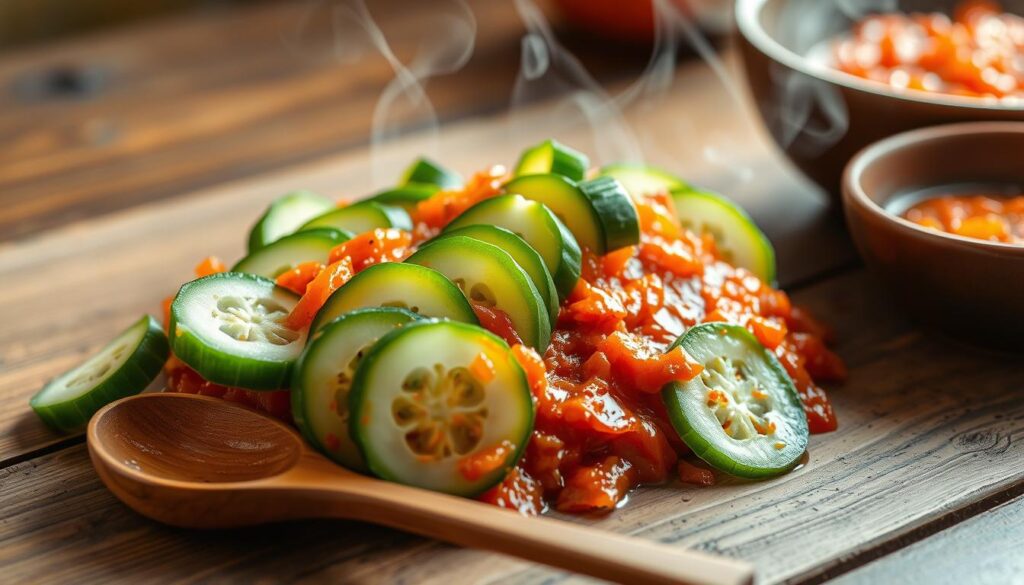
Cucumber kimchi is a favorite Korean side dish. It mixes fresh cucumbers with spicy Korean chili flakes and spices. This dish is tasty, nutritious, and easy to make at home.

Cucumber Kimchi

Making cucumber kimchi is simple. This recipe makes it easy for anyone to try this Korean dish. It’s great for both seasoned cooks and beginners.

Introduction to Cucumber Kimchi

Cucumber kimchi is a hit in Korea. It’s perfect for any meal because of its unique spices and flavors. You can enjoy it as a side, in other dishes, or as a snack.

Key Takeaways

  • You can easily make a delicious cucumber kimchi recipe at home with a few simple ingredients.
  • This traditional cucumber kimchi recipe is perfect for anyone looking to try a new Korean dish.
  • Cucumber kimchi is a great addition to any meal, with its balance of spicy, sour, and sweet flavors.
  • Making cucumber kimchi is easier than you think, and it’s a great way to add some excitement to your meals.
  • Cucumber kimchi is a popular Korean side dish that is perfect for any occasion.

Understanding Cucumber Kimchi: A Korean Culinary Treasure

Cucumber kimchi is a key part of Korean food, with a deep history and cultural value. For generations, people have used fermentation to keep vegetables fresh. Cucumber kimchi is a favorite among these.

To make a tasty cucumber kimchi recipe, you need to know its roots and cultural importance. This dish is more than food in Korea. It’s about community and sharing.

The act of making and eating kimchi brings people together. It creates a sense of belonging. Plus, cucumber kimchi is full of vitamins, minerals, and probiotics from fermentation.

  • High in vitamins and minerals
  • Rich in probiotics from fermentation
  • Low in calories and rich in fiber

These benefits make cucumber kimchi a healthy choice. Its unique taste and health perks have made it a favorite in Korea.

Essential Ingredients for the Perfect Cucumber Kimchi Recipe

To make delicious cucumber kimchi, you need a few key ingredients. You can find these in Asian markets or well-stocked supermarkets. The secret to great homemade cucumber kimchi is using fresh, quality ingredients. This includes crisp cucumbers, spicy Korean chili flakes, pungent garlic and ginger, and savory fish sauce.

Here are the essential ingredients you’ll need:

  • Cucumbers: The main ingredient, cucumbers should be crisp and fresh.
  • Korean chili flakes: These flakes add a spicy kick and can be found in most Asian markets.
  • Garlic and ginger: These add a pungent flavor and can be found in most supermarkets.
  • Fish sauce: This savory sauce adds depth and umami flavor to your kimchi.

Making easy cucumber kimchi at home is simple. With these ingredients, you’ll be on your way to a delicious homemade cucumber kimchi recipe.

You might also want to add other seasonings and spices for a unique flavor. Some options include:

  1. Salt: To bring out the flavors of the other ingredients.
  2. Sugar: To balance out the spiciness of the Korean chili flakes.
  3. Scallions: To add a fresh and oniony flavor to your kimchi.

With these ingredients and a bit of creativity, you can make a delicious cucumber kimchi. It’s perfect for snacking, cooking, or sharing with friends and family. Making homemade cucumber kimchi is a fun and rewarding hobby that’s sure to become a favorite.

Choosing and Preparing Your Cucumbers

To make the best cucumber kimchi, picking the right cucumbers is key. Look for firm ones with few seeds. This ensures a better texture and taste in your spicy cucumber kimchi. Cleaning and cutting them right is also important. It helps remove bitterness and makes sure the flavors mix well.

Here’s how to prepare your cucumbers:

  • Wash the cucumbers well to get rid of dirt and bacteria.
  • Cut off the ends and slice them into thin rounds or spears, depending on what you like.
  • Soak the cucumber slices in a salt brine to boost flavor and help with fermentation.

The salt-brining step is vital for making spicy cucumber kimchi. It adds flavor and sets up the perfect environment for fermentation. By following these steps and choosing the right cucumbers, you’ll make a delicious and authentic spicy cucumber kimchi.

The type of cucumber you use can really change the taste and texture of your kimchi. With the right cucumbers and proper preparation, you’ll make a spicy cucumber kimchi that will wow your friends and family.

Cucumber VarietyCharacteristicsSuitability for Kimchi
Slicing cucumbersLong, thin, and seedlessExcellent
Pickling cucumbersShort, stout, and bumpyGood
English cucumbersLong, thin, and seedlessFair

Creating Your Signature Kimchi Paste

To make delicious homemade cucumber kimchi, you need a great kimchi paste. The basic recipe includes Korean chili flakes, garlic, ginger, and fish sauce. But, making kimchi at home lets you customize the paste to your liking. You can make it spicier, more sour, or add a deeper umami flavor.

Here are some suggestions for customizing your kimchi paste:

  • Add more Korean chili flakes for an extra spicy kick
  • Use fresh ginger for a more vibrant flavor
  • Incorporate other ingredients like carrots, onions, or mushrooms to add texture and flavor

When making easy cucumber kimchi, remember to balance the flavors. You can adjust the amount of each ingredient to your liking. With a bit of experimentation, you can create a signature kimchi paste that makes your homemade cucumber kimchi even better.

Here’s a simple table to get you started:

IngredientBasic RecipeCustomization Options
Korean chili flakes2 tablespoonsAdd more for extra spice
Garlic3 clovesUse fresh or roasted garlic for different flavors
Ginger1 tablespoonUse fresh or ground ginger for varying intensities

Step-by-Step Cucumber Kimchi Preparation Method

To make a tasty cucumber kimchi recipe, follow a step-by-step guide. You’ll need your ingredients and kimchi paste ready. Then, mix the seasonings, combine them with cucumbers, and start the fermentation.

Each step is important for a delicious kimchi. The initial fermentation is key for the kimchi’s sour and spicy cucumber kimchi flavors.

Mixing the Seasonings

Mixing the seasonings is the first step. Combine garlic, ginger, fish sauce, and spices to make a flavorful paste. It’s crucial to balance the flavors, so taste and adjust as needed.

Combining Ingredients

After mixing the seasonings, combine them with cucumbers. Coat the cucumbers evenly with the kimchi paste. This mix of crunchy cucumbers and spicy paste makes spicy cucumber kimchi so tasty.

Initial Fermentation Process

The magic happens in the initial fermentation. This is when flavors develop, and the kimchi gets its sour taste. To start, leave the cucumber kimchi at room temperature for a few days. Check on it often, as fermentation time can vary.

By following these steps, you’ll make a delicious cucumber kimchi recipe. Its spicy and sour flavors will make it a favorite dish.

Fermentation and Storage Guidelines

To make the best cucumber kimchi, you need to know about fermentation. This process lets the natural bacteria on cucumbers grow. It makes kimchi sour and healthy. For a traditional recipe, let it ferment at room temperature for a few days. Then, move it to the fridge to slow down.

Getting the right conditions is key for great flavor and texture. The best temperature for fermentation is between 64°F and 75°F. Also, keep it in a place with good air flow, but not in direct sunlight.

Optimal Fermentation Conditions

  • Temperature: 64°F – 75°F (18°C – 24°C)
  • Humidity: 60% – 70%
  • Time: 1-5 days at room temperature, then store in the refrigerator

Storage Tips for Maximum Freshness

Storing kimchi right is crucial for keeping it fresh and tasty. After fermentation, put it in the fridge to slow down the process. Use containers that keep air out to avoid spoilage. A ceramic or glass container with a tight lid is best.

By following these tips, your homemade cucumber kimchi will last for weeks. Always use the best ingredients and stick to a traditional recipe for the best taste and texture.

Storage MethodTemperatureTime
Room Temperature64°F – 75°F (18°C – 24°C)1-5 days
Refrigerator39°F – 41°F (4°C – 5°C)Several weeks

Serving Suggestions and Pairing Ideas

Cucumber kimchi is a versatile side dish that can be served in many ways. It goes well with traditional Korean dishes like bibimbap and bulgogi. It also pairs well with international cuisines. You can use it as a topping for noodles, a side for grilled meats, or in salads. Easy cucumber kimchi brings flavor and nutrition to any meal.

Some popular ways to serve homemade cucumber kimchi include:

  • Using it as a topping for tacos or grilled meats
  • Adding it to salads for a spicy kick
  • Serving it as a side dish for Korean dishes like bibimbap or bulgogi
  • Incorporating it into noodle dishes for added flavor

Homemade cucumber kimchi is great as a condiment to enhance other dishes. Try different ways to enjoy easy cucumber kimchi and find your favorite.

Troubleshooting Common Issues

When making spicy cucumber kimchi, you might run into texture, fermentation, or flavor problems. We’ve got solutions for these common issues. This way, your spicy cucumber kimchi will turn out just right.

Texture issues, like soft or too crunchy kimchi, can be fixed. Just adjust the fermentation time or salt content. If fermentation is slow or uneven, check the temperature, salt levels, and make sure the kimchi is sealed well.

Common Issues and Solutions

  • Soft texture: Check if the kimchi is over-fermented and adjust the fermentation time.
  • Too crunchy texture: Check if the kimchi is under-fermented and adjust the fermentation time.
  • Fermentation issues: Check the temperature, salt levels, and ensure the kimchi is properly sealed.

By following these tips, you’ll make delicious spicy cucumber kimchi. Always use fresh ingredients and follow proper fermentation techniques for the best results.

Conclusion: Mastering Your Homemade Cucumber Kimchi

Making cucumber kimchi at home is a fun and rewarding journey. It mixes traditional Korean methods with your own creativity. By following this guide, you can make a tasty and real cucumber kimchi that shows off your taste.

The secret to great kimchi is using fresh, top-notch ingredients. Also, let the natural fermentation happen. This makes your kimchi even better.

With time and effort, you’ll get better at making your own cucumber kimchi. You’ll enjoy its health perks and delicious taste. Try new flavors, change the spice level, and find the perfect mix for you.

Enjoy the fermentation process and let your homemade cucumber kimchi become a favorite in your kitchen. It will add a lively and tangy flavor to your dishes.

FAQ

What is cucumber kimchi?

Cucumber kimchi is a Korean side dish. It’s made by fermenting cucumbers with chili flakes, garlic, ginger, and seasonings. It’s spicy, sour, and sweet.

What are the health benefits of cucumber kimchi?

It’s full of vitamins, minerals, and probiotics. It helps with digestion, boosts immunity, and has antioxidants.

What are the best cucumbers to use for making kimchi?

Choose firm, crisp cucumbers with few seeds. Korean or Persian cucumbers work best because of their thin skin and fewer seeds.

How do I make the perfect kimchi paste?

The kimchi paste is key. You can mix Korean chili flakes, garlic, ginger, and fish sauce to taste. Feel free to add more to make it your own.

How long does the fermentation process take?

It starts at room temperature for 3-5 days. Then, it goes in the fridge to slow down. It can take 1 to 4 weeks, depending on how sour you like it.

How should I store my homemade cucumber kimchi?

Keep it in an airtight container in the fridge. It lasts weeks and gets better with time. Make sure it’s covered in brine to stay fresh.

What are some ways to serve and enjoy cucumber kimchi?

It’s great with Korean dishes like bibimbap and bulgogi. You can also top noodles, use it as a meat condiment, or add it to salads.

How can I troubleshoot common issues with my homemade cucumber kimchi?

If it’s too soft or crunchy, check the fermentation time. Adjust the salt or time to get the right texture. If the taste is off, tweak the seasoning mix.

Do You Like Our Recipe ?

0.0
0.0 out of 5 stars (based on 0 reviews)
Excellent0%
Very good0%
Average0%
Poor0%
Terrible0%

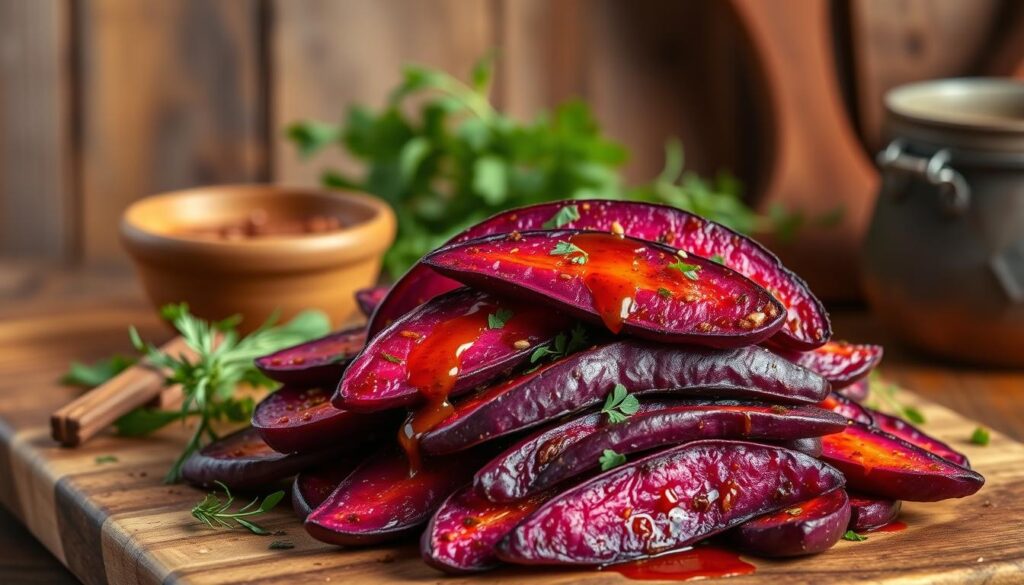
Easy & Flavorful Purple Sweet Potato Dish

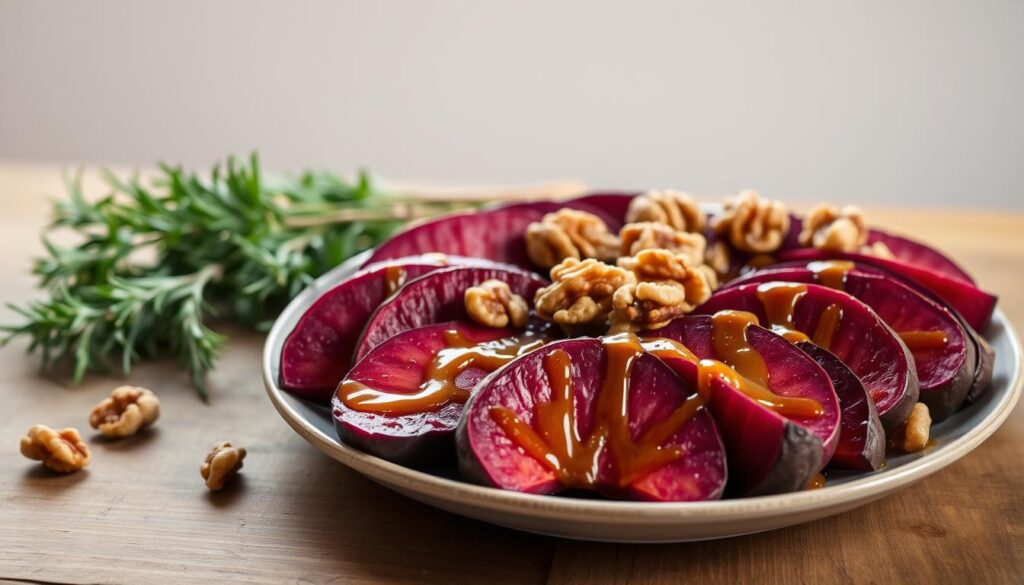
Imagine a dish that’s not only delicious but also packed with nutrients. A purple sweet potato recipe can be just that. It offers health benefits and versatility in cooking. With an easy purple sweet potato recipe, you can make a variety of healthy dishes for any occasion.

Cooking with purple sweet potatoes adds excitement to your meals. With the right techniques, you can bring out their natural sweetness. Whether you’re looking for a simple side dish or a main course, a purple sweet potato recipe is a great option. In this article, we’ll explore the basics of cooking with purple sweet potatoes. We’ll cover tips for selecting the perfect potatoes and essential kitchen tools.

Key Takeaways

  • Purple sweet potatoes are a nutrient-rich food that can be used in a variety of dishes
  • An easy purple sweet potato recipe can be a great addition to your meal
  • Healthy purple sweet potato dishes can be created with simple ingredients and techniques
  • Cooking with purple sweet potatoes can add excitement to your meals
  • With the right techniques, you can bring out the natural sweetness of purple sweet potatoes
  • A purple sweet potato recipe can be a great option for a simple side dish or main course
  • Cooking with purple sweet potatoes requires some basic kitchen tools and techniques

Introduction to Purple Sweet Potatoes

Purple sweet potatoes are packed with nutrients and offer many health benefits. They are full of fiber, vitamins, and minerals. This makes them a great choice for healthy purple sweet potato dishes. Their unique taste and texture make them perfect for both savory and sweet dishes.

These potatoes are also high in antioxidants, which can fight chronic diseases. They are rich in vitamins A and C, potassium, and fiber. This makes them ideal for those seeking simple purple sweet potato meal ideas. Purple sweet potatoes are a fantastic choice for a tasty and healthy meal or snack.

What Makes Purple Sweet Potatoes Unique

Purple sweet potatoes have a naturally sweet taste and a soft, creamy texture. They are also full of antioxidants and have anti-inflammatory properties. This makes them a great pick for delicious purple sweet potato dishes. Here are some key features that make them stand out:

  • High antioxidant content
  • Rich in vitamins and minerals
  • Anti-inflammatory properties
  • Naturally sweet flavor

Nutritional Benefits and Health Properties

Purple sweet potatoes are a nutrient-dense food with many health benefits. They are loaded with fiber, vitamins, and minerals. This makes them a top choice for a healthy and tasty meal. Here are some of the key nutritional benefits:

  1. High in fiber and vitamins
  2. Rich in minerals such as potassium and iron
  3. Anti-inflammatory properties

Selecting the Perfect Purple Sweet Potatoes

Choosing the right ingredients is key for a tasty purple sweet potato recipe. Look for purple sweet potatoes that are firm and have a deep purple color. Stay away from potatoes with soft spots or bruises, as they might be spoiled.

For an easy purple sweet potato recipe, keep these tips in mind:

  • Look for purple sweet potatoes that are heavy for their size
  • Choose potatoes with a smooth, even skin
  • Avoid potatoes with green spots or sprouts, as they can be toxic

A great purple sweet potato recipe starts with top-notch ingredients. By picking the perfect purple sweet potatoes, you’ll make a dish that’s not just tasty but also healthy. Follow these tips to make an easy purple sweet potato recipe that will wow everyone.

Whether you’re an experienced chef or just starting out, picking the right purple sweet potatoes is crucial. By using these simple tips, you’ll make a delicious and easy purple sweet potato recipe perfect for any event.

Purple Sweet Potato VarietyCharacteristicsTaste
Stokes PurpleDeep purple color, firm textureSweet, nutty flavor
OkinawanLight purple color, soft textureSweet, slightly sweet flavor

Essential Kitchen Tools and Equipment

To make tasty purple sweet potato dishes, you need the right tools. Simple recipes can be done with basic items. A chef’s knife, cutting board, and large pot are must-haves. They help you chop, boil, and mash the potatoes easily.

For more complex recipes, you might need a food processor or slow cooker. These tools help you make everything from mashed potatoes to soups. With the right gear, you can try out many purple sweet potato recipes and even create your own.

  • Chef’s knife
  • Cutting board
  • Large pot
  • Colander
  • Measuring cups and spoons

Optional tools for advanced recipes include:

  • Food processor
  • Slow cooker
  • Mixer

With these tools, you can make a wide range of purple sweet potato dishes. From simple meals to complex recipes, you’re all set.

Tool/EquipmentDescription
Chef’s knifeUsed for chopping and slicing purple sweet potatoes
Cutting boardUsed for chopping and preparing purple sweet potatoes
Large potUsed for boiling and cooking purple sweet potatoes

Preparation and Cleaning Methods

To start cooking purple sweet potatoes, you need to clean them first. Wash them well, scrub off dirt, and dry them with a towel. A good easy purple sweet potato recipe begins with clean, dry potatoes.

Here’s how to do it:

  • Wash the potatoes under cold running water to remove any dirt or debris.
  • Use a vegetable brush to scrub off any stubborn dirt or stains.
  • Dry the potatoes with a clean towel to remove excess moisture.

By following these steps, your healthy purple sweet potato dishes will be made with fresh ingredients. Clean and prepared potatoes are key for a tasty and healthy easy purple sweet potato recipe.

Choosing the right cooking method is also important. It helps bring out their natural sweetness and flavor. This makes them a great addition to any healthy purple sweet potato dishes.

Preparation MethodDescription
BoilingCooking the potatoes in boiling water until they are tender.
RoastingCooking the potatoes in the oven with some oil and seasoning until they are crispy on the outside and tender on the inside.

Basic Purple Sweet Potato Recipe for Beginners

Cooking purple sweet potatoes is easy and fun. This simple recipe is great for beginners. You’ll need just a few things: 2-3 large purple sweet potatoes, 2 tablespoons of olive oil, and a pinch of salt.

There are many ways to cook purple sweet potatoes. You can bake or boil them. For extra flavor, add herbs and spices. Try mashing with garlic and rosemary or roasting with olive oil and paprika.

Ingredients List

  • 2-3 large purple sweet potatoes
  • 2 tablespoons of olive oil
  • 1 teaspoon of salt
  • 1/2 teaspoon of black pepper
  • 1/4 teaspoon of paprika

Step-by-Step Cooking Instructions

  1. Preheat the oven to 400°F (200°C).
  2. Wash and peel the purple sweet potatoes.
  3. Cut the sweet potatoes into 1-inch cubes.
  4. Place the sweet potatoes on a baking sheet lined with parchment paper.
  5. Drizzle with olive oil and sprinkle with salt, black pepper, and paprika.
  6. Bake for 20-25 minutes or until the sweet potatoes are tender.

Common Mistakes to Avoid

Don’t overcook purple sweet potatoes. It makes them dry and taste bad. Check them often while baking. Take them out when they’re tender but still a bit firm.

IngredientQuantity
Purple sweet potatoes2-3
Olive oil2 tablespoons
Salt1 teaspoon

Advanced Cooking Techniques

For those who love to cook, purple sweet potatoes offer a chance to get creative. Advanced cooking techniques can make these potatoes even sweeter and more flavorful. Roasting them brings out their natural sweetness and adds a caramelized layer. Grilling adds a smoky taste that pairs well with their sweetness.

Consider sautéing purple sweet potatoes for a different twist. This method lets you add garlic and onions, boosting the flavor. It’s key to cook them until they’re tender but still firm. Try adjusting cooking times and temperatures to get the perfect texture.

Here are some advanced cooking techniques to try with purple sweet potatoes:

  • Roasting with herbs and spices for added depth of flavor
  • Grilling with a drizzle of olive oil and a sprinkle of salt
  • Sautéing with garlic and onions for a savory flavor

Using these techniques, you can make a variety of purple sweet potato recipes. They’re perfect for impressing guests or making a weeknight meal special. These methods will help you bring out the best in purple sweet potatoes, making your dishes truly delicious.

Cooking TechniqueFlavor ProfileTexture
RoastingCaramelized, sweetTender, slightly firm
GrillingSmoky, savoryCharred, tender
SautéingSavory, aromaticCrispy, tender

Creative Seasoning and Flavor Combinations

Purple sweet potatoes can be seasoned in many ways. You can go from sweet and spicy to savory and umami. It’s key to try out different flavors to make tasty purple sweet potato dishes.

For sweet flavors, think cinnamon, nutmeg, and maple syrup. These can make a dish sweet and indulgent. For savory tastes, garlic, rosemary, and thyme add a rich, earthy flavor.

Sweet Flavor Profiles

  • Cinnamon and sugar
  • Nutmeg and honey
  • Maple syrup and ginger

Savory Seasoning Options

  • Garlic and rosemary
  • Thyme and olive oil
  • Paprika and chili powder

Global flavors can also make purple sweet potatoes delicious. Korean chili flakes add spice, while Indian spices like cumin and coriander bring warmth. Trying new flavor mixes can lead to unique and tasty purple sweet potato recipes.

Flavor CombinationIngredientsDescription
Sweet and SpicyCinnamon, nutmeg, maple syrup, Korean chili flakesA sweet and spicy flavor combination that adds a kick to purple sweet potato dishes
Savory and UmamiGarlic, rosemary, thyme, olive oilA savory and umami flavor combination that adds depth and richness to purple sweet potato dishes

Storage and Preservation Tips

To keep your purple sweet potatoes fresh, store them right. Place them in a cool, dark spot with air flow. This way, they can stay fresh for weeks. For healthy purple sweet potato dishes, keeping them fresh is key.

Here are some tips for storing and preserving purple sweet potatoes:

  • Keep them away from direct sunlight and heat sources.
  • Store them in a breathable bag or container to maintain air circulation.
  • Do not wash the sweet potatoes before storing them, as excess moisture can cause them to rot.

For simple purple sweet potato meal ideas, freezing or canning is great. To freeze, wash, peel, and chop the sweet potatoes. Then, blanch them in boiling water for a few minutes before freezing. Canning is also a good choice, as it keeps the sweet potatoes for months.

Here is a summary of the storage and preservation methods:

MethodDescription
Room TemperatureStore in a cool, dark place with good ventilation.
FreezingWash, peel, chop, and blanch before freezing.
CanningPreserve sweet potatoes for several months by canning.

Pairing Suggestions and Side Dishes

There are many ways to make a meal complete with purple sweet potatoes. You can pair them with proteins and veggies to bring out their taste. Try them with grilled chicken or roasted turkey breast for a tasty dish.

For more flavor, add salmon or shrimp to your purple sweet potatoes. These not only taste great but also offer omega-3s and other nutrients. If you prefer plants, pair them with roasted veggies like brussels sprouts or asparagus.

Complementary Proteins

  • Grilled chicken
  • Roasted turkey breast
  • Salmon
  • Shrimp

Vegetable Combinations

  • Roasted brussels sprouts
  • Grilled asparagus
  • Sauteed spinach
  • Roasted bell peppers

Pairing purple sweet potatoes with these options makes for a tasty and easy recipe. It’s perfect for anyone, even the pickiest eaters. So, get creative and enjoy the health benefits of purple sweet potatoes.

ProteinVegetablePurple Sweet Potato Recipe
Grilled chickenRoasted brussels sproutsMashed purple sweet potatoes with grilled chicken and roasted brussels sprouts
SalmonGrilled asparagusRoasted purple sweet potatoes with salmon and grilled asparagus
ShrimpSauteed spinachPurple sweet potato soup with shrimp and sauteed spinach

Troubleshooting Common Cooking Issues

When cooking with purple sweet potatoes, you might run into problems like undercooked or overcooked potatoes. Understanding the causes and taking steps to prevent these issues is key. A well-thought-out purple sweet potato recipe can help avoid mistakes and result in a tasty dish.

Some common issues and their solutions include:

  • Undercooked potatoes: Check the cooking time and temperature to ensure they are cooked through.
  • Overcooked potatoes: Reduce the cooking time and check for doneness regularly.
  • Mushy or dry potatoes: Adjust the cooking method, such as boiling or roasting, to achieve the desired texture.

For simple purple sweet potato meal ideas, start with roasting or boiling. These methods are simple and can lead to a flavorful dish. By following some basic tips and solving common problems, you can make a variety of tasty meals with purple sweet potatoes.

With practice and patience, you’ll get better at cooking with purple sweet potatoes. You’ll be able to make a range of delicious, healthy meals. Whether you’re after a simple purple sweet potato meal idea or a more complex purple sweet potato recipe, success comes from understanding the basics and being open to trying new things.

Cooking MethodCooking TimeTemperature
Roasting45-60 minutes425°F (220°C)
Boiling15-20 minutes212°F (100°C)

Health-Conscious Cooking Modifications

Preparing healthy purple sweet potato dishes is easy with a few tweaks. These changes make it simple to create recipes that fit different diets. For example, those with dietary restrictions can find low-fat options and special adaptations.

For a healthier approach, use herbs and spices for flavor instead of salt and sugar. Choose low-fat cooking methods like baking or steaming. These methods keep the natural nutrients of purple sweet potatoes, making them a great choice for a healthy diet.

There are many options for different dietary needs. Vegans can use plant-based alternatives instead of dairy. Those with gluten-free diets can find gluten-free flours and ingredients. These changes allow for tasty and easy purple sweet potato recipes for various diets.

Low-Fat Alternatives

  • Use herbs and spices for flavor instead of salt and sugar
  • Opt for low-fat cooking methods such as baking or steaming
  • Substitute dairy products with plant-based alternatives

Dietary Restriction Adaptations

With a few simple changes, you can make healthy purple sweet potato dishes for any diet. Whether you need low-fat options or special adaptations, there are many choices. This way, you can enjoy delicious and easy purple sweet potato recipes.

Conclusion

Cooking with purple sweet potatoes is a fun and creative journey. It lets you try out many tasty purple sweet potato recipes. You can add this versatile ingredient to your meals in many ways.

Whether you’re new to cooking or have lots of experience, we hope this guide helps you. It teaches you how to work with purple sweet potatoes. You’ll learn to make dishes that are not only good for you but also look amazing.

Now, it’s time to dive into the world of purple sweet potatoes! Try out different recipes and cooking methods. Finding your favorite purple sweet potato dishes is a fun and tasty adventure.

FAQ

What are the unique characteristics of purple sweet potatoes?

Purple sweet potatoes have a deep purple skin and vibrant, almost violet-colored flesh. They taste sweet and earthy. Their dense, creamy texture is different from traditional orange sweet potatoes.

What are the health benefits of purple sweet potatoes?

Purple sweet potatoes are full of antioxidants, vitamins, and minerals. They are rich in fiber, vitamin C, and vitamin A. They also have potassium and manganese. The purple color comes from anthocyanins, which fight chronic diseases.

How do I select the best purple sweet potatoes?

Choose tubers that are firm, heavy, and have a deep purple color. Avoid soft spots, blemishes, or sprouts. These signs indicate spoilage.

What essential kitchen tools are needed to cook purple sweet potatoes?

You’ll need a sharp chef’s knife, a cutting board, a large pot or baking sheet, and a vegetable peeler. For advanced recipes, consider a food processor, slow cooker, or grill.

How do I properly prepare and clean purple sweet potatoes?

Wash them under running water to remove dirt. Use a vegetable brush to scrub the skin. Pat dry with a clean towel. Peel if desired, or leave the skin for extra texture and nutrition.

What is a basic recipe for cooking purple sweet potatoes?

Peel and cube the potatoes. Toss with olive oil, salt, and pepper. Roast in a preheated oven at 400°F (200°C) for 20-25 minutes, until tender and lightly browned.

What are some advanced cooking techniques for purple sweet potatoes?

Experienced cooks can grill, sauté, mash, or puree purple sweet potatoes. These methods enhance their natural sweetness and texture.

How can I add flavor to my purple sweet potato dishes?

Season with sweet spices like cinnamon and nutmeg, or savory herbs and spices. Try global flavors like curry powder or miso paste for unique dishes.

How can I properly store and preserve purple sweet potatoes?

Store them in a cool, dark place like a pantry or root cellar. Refrigeration can affect texture and sweetness. Freeze cooked or raw cubes or puree for longer storage.

What are some good pairing suggestions and side dishes for purple sweet potatoes?

Pair with grilled chicken, roasted pork, or sautéed tofu. They’re also great with roasted vegetables, quinoa, or leafy greens. Serve with a protein, vegetable, and whole grain for a complete meal.

How can I troubleshoot common cooking issues with purple sweet potatoes?

If they’re undercooked, cook longer or at a higher temperature. If overcooked, cook less or at a lower temperature. Even-sized pieces help prevent uneven cooking.

How can I modify purple sweet potato recipes to be more health-conscious?

Use low-fat or non-dairy alternatives like Greek yogurt or almond milk. Adapt recipes for vegan, gluten-free, or other diets by choosing the right ingredients and methods.

Do You Like Our Recipe ?

0.0
0.0 out of 5 stars (based on 0 reviews)
Excellent0%
Very good0%
Average0%
Poor0%
Terrible0%

Easy Hotcake Mix Recipe: Fluffy Homemade Pancakes

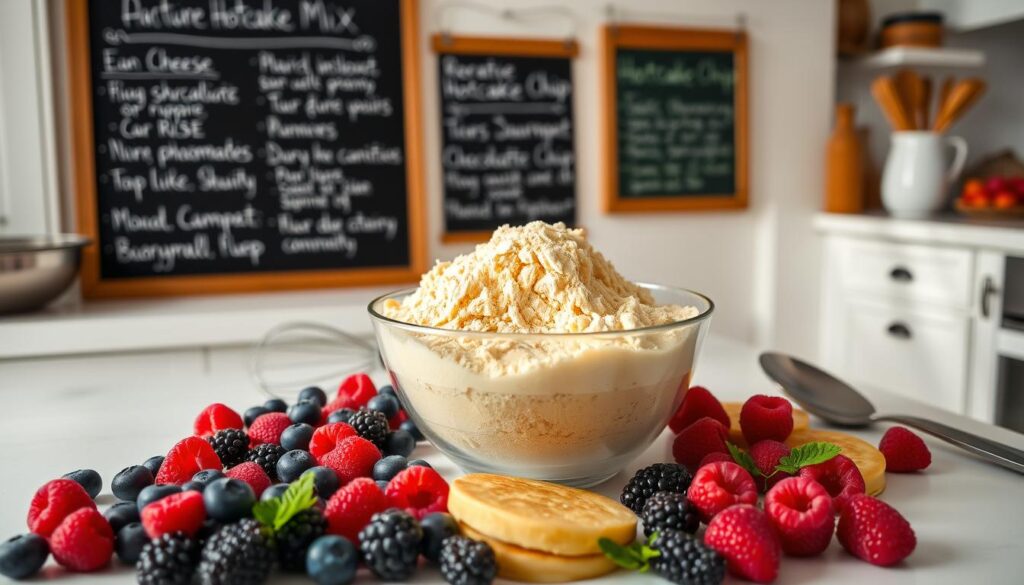
Start your day with a stack of fluffy pancakes, made from a simple hotcake mix. This recipe is a game-changer for breakfast, letting you choose your ingredients and flavors. You’ll enjoy making delicious, fluffy pancakes for a quick breakfast.

Using a hotcake mix makes mornings easier. With just a few ingredients, you can have a tasty breakfast ready fast. It’s perfect for a quick breakfast or a fun weekend brunch.

Key Takeaways

  • Make fluffy pancakes with a simple hotcake mix recipe
  • Control the ingredients and customize the flavor to your taste
  • Perfect for easy breakfast ideas and quick morning meals
  • Great for weekend brunch or special occasions
  • Customize with your favorite toppings or mix-ins
  • Easy to make and fun to eat

Understanding the Basics of Homemade Hotcake Mix

Making delicious homemade hotcakes starts with knowing the basics. You can make your own pancake mix from scratch. This lets you pick the ingredients and make the mix just right for you. Your homemade hotcakes will be light and fluffy, just how you like them.

One great thing about making your own mix is choosing the ingredients. You can pick the flour, sugar, and leavening agents. This is super helpful if you have special dietary needs, like gluten-free or low-sugar. You can make a mix that fits your taste and needs.

Benefits of Making Your Own Mix

  • Control over ingredients
  • Customization of recipe
  • Ability to cater to dietary restrictions

Essential Ingredients Overview

The basic ingredients for homemade hotcake mix are flour, sugar, and leavening agents. You can also add eggs, milk, and flavorings for a special touch. Making your mix from scratch lets you try different ingredients to find your favorite.

Storage and Shelf Life

Keep your homemade hotcake mix in an airtight container to keep it fresh. It can last for months, which is great for busy families. By following these steps, you can make your own mix and enjoy fluffy pancakes whenever you want.

IngredientQuantity
Flour2 cups
Sugar1 cup
Leavening agents2 teaspoons

Kitchen Tools and Equipment Needed

To make delicious pancakes, you’ll need the right kitchen tools and equipment. Having the right tools is key to making great pancakes. You’ll need a large mixing bowl, a whisk, and a non-stick pan to cook your pancakes.

Here’s a list of the essential tools and equipment you’ll need:

  • Mixing bowl
  • Whisk
  • Non-stick pan
  • Measuring cups and spoons
  • Electric mixer (optional)

Using the right tools helps make light and fluffy pancakes. The quality of your tools and equipment also matters. For example, a non-stick pan is crucial for cooking pancakes. It prevents them from sticking and makes flipping easier.

When making breakfast recipes like pancakes, having the right tools is important. With the right tools, you can make pancakes that taste great and look good. So, make sure you have all the necessary tools and equipment before you start making your pancakes.

Having the right kitchen tools and equipment lets you make delicious pancakes. Whether you’re making pancakes for yourself or a crowd, the right tools make a big difference. They ensure your pancakes are of high quality.

Tool/EquipmentDescription
Mixing BowlA large bowl used for mixing ingredients
WhiskA kitchen tool used for mixing and blending ingredients
Non-stick PanA pan coated with a non-stick material to prevent food from sticking

Perfect Hotcake Mix Recipe for Fluffy Results

To make a tasty hotcake mix, you need the right ingredients in the right amounts. A good mix should have flour, sugar, and leavening agents. It’s a great choice for easy breakfast ideas.

Here’s a list of dry ingredients you’ll need:

  • 2 cups all-purpose flour
  • 2 tablespoons sugar
  • 2 teaspoons baking powder
  • 1/4 teaspoon salt

Dry Ingredients List

You can also add optional ingredients for extra flavor. Some ideas include:

  • Chopped nuts or chocolate chips
  • Dried fruit, such as cranberries or blueberries
  • A sprinkle of cinnamon or nutmeg

Optional Add-ins

To mix the batter, combine the dry ingredients in a bowl. Whisk until well combined. Add optional ingredients and stir until they’re evenly distributed. This recipe makes delicious and fluffy hotcakes for a quick breakfast.

Mixing Instructions

Follow this hotcake mix recipe for a tasty and easy breakfast. It’s perfect for any day. Whether you’re looking for a simple recipe or easy breakfast ideas, start with this one.

IngredientQuantity
Flour2 cups
Sugar2 tablespoons
Baking powder2 teaspoons
Salt1/4 teaspoon

Turning Your Mix Into Perfect Pancakes

To make fluffy pancakes, use the right amount of batter and cook at the correct temperature. When making homemade hotcakes, avoid overmixing the batter. This is key for a light and airy texture. As you prepare your breakfast recipes, ensure the pan temperature is just right.

Here are some tips to help you turn your mix into perfect pancakes:

  • Use a non-stick pan or griddle to prevent the pancakes from sticking and to make them easier to flip.
  • Adjust the heat as needed to maintain a consistent temperature.
  • Don’t overcrowd the pan – cook the pancakes one or two at a time, depending on their size.

As you cook your fluffy pancakes, keep an eye on the time and the heat. With a little practice, you’ll be making perfect homemade hotcakes every time. Your breakfast recipes will be a hit with family and friends.

By following these simple tips and using your favorite breakfast recipes, you’ll enjoy delicious homemade hotcakes in no time. So go ahead, get creative with your fluffy pancakes and make breakfast a meal to look forward to!

Mastering the Cooking Technique

To make delicious pancakes, you need to know how to cook them right. This means getting the pan temperature just right, flipping them correctly, and avoiding common mistakes. By doing this, you can make tasty and beautiful breakfasts.

Getting the pan temperature right is key for golden-brown pancakes. Use a thermometer to check the temperature. Also, grease the pan with a bit of oil or butter to stop pancakes from sticking.

Proper Pan Temperature

A medium heat is best for pancakes. If the pan is too hot, pancakes will burn before they’re fully cooked. If it’s too cold, they’ll cook too slowly and might be dense.

Flipping Tips

Flipping pancakes can be tricky at first. But with a bit of practice, you’ll get better. Use a spatula to loosen the pancake, then flip it quickly. Flip when bubbles appear and the edges start to dry.

Common Cooking Mistakes

Some common mistakes to avoid include overmixing the batter, using too much oil or butter, and cooking too long. By avoiding these, you can make pancakes that everyone will love. With the right mix and a bit of practice, you’ll be a pancake pro in no time.

Cooking MistakeEffect on Pancakes
Overmixing the batterDense and tough pancakes
Using too much oil or butterGreasy and soggy pancakes
Cooking for too longBurned and dry pancakes

Creative Variations for Your Hotcake Mix

Now that you have a basic hotcake mix recipe, it’s time to get creative. Try adding fresh or dried fruits, like blueberries or bananas, for a sweet twist. This adds a fruity flavor to the classic hotcake.

Adding nuts or chocolate chips can give your hotcakes a crunchy texture and extra flavor. You can also use different milks, such as almond or soy milk, for a non-dairy version. The possibilities are endless, and it’s up to you to find the perfect mix.
  • Blueberry hotcakes with fresh blueberries and a hint of lemon zest
  • Banana hotcakes with sliced bananas and a drizzle of honey
  • Chocolate chip hotcakes with dark chocolate chips and a sprinkle of cinnamon

These are just a few ideas for creative hotcake variations. Don’t be afraid to try new things and make your own unique flavors. This way, your breakfast recipes will always be exciting and delicious.

Storage and Make-Ahead Tips

To keep your homemade hotcakes fresh, it’s key to store them right. Store your pancake mix in an airtight container. This keeps it fresh and ready for easy breakfasts.

Freezing your hotcakes is a great way to enjoy them later. Here are some tips:

  • Store your hotcake mix in an airtight container to keep it fresh.
  • Freeze your hotcakes for up to 2 months for later use.
  • Reheat your frozen hotcakes in the microwave or toaster for a quick and easy breakfast.

By following these tips, you can enjoy your homemade hotcakes whenever. They’ll stay fresh and delicious. Perfect for a quick breakfast or a weekend brunch.

Remember, the secret to fresh hotcakes is proper storage and freezing. With these tips, enjoy your favorite breakfast anytime, always delicious and fresh.

Troubleshooting Common Issues

When making fluffy pancakes, you might run into some common problems. These can mess up the texture and taste of your breakfast. It’s key to find out what’s causing the issue and fix it.

Start by checking your ingredients and tools. Make sure you’re using fresh stuff and the right tools for mixing and cooking. If your pancakes are dense or tough, try changing the dry to wet ingredient ratio. Or add a leavening agent to help them rise.

Texture Problems

Some common texture issues include:

  • Dense or tough pancakes: This can be caused by overmixing the batter or using too much flour.
  • Soggy or undercooked pancakes: This can be caused by not cooking the pancakes for long enough or using too much liquid in the batter.

Cooking Challenges

Cooking can also be a challenge. Some common problems are:

  • Burning or overcooking the pancakes: This can be caused by the pan being too hot or not adjusting the heat properly.
  • Undercooking the pancakes: This can be caused by not cooking the pancakes for long enough or not using the right type of pan.

By following these tips, you can make delicious pancakes. Always use fresh ingredients and the right tools for the best results.

Common IssueSolution
Dense or tough pancakesAdjust the ratio of dry to wet ingredients or add a leavening agent
Soggy or undercooked pancakesCook the pancakes for a longer time or use less liquid in the batter
Burning or overcooking the pancakesAdjust the heat or use a thermometer to ensure the right temperature

Serving Suggestions and Toppings

When serving your hotcakes from a tasty hotcake mix recipe, you have endless options. You can go classic with butter and syrup or try fresh fruit, whipped cream, or chocolate chips. The goal is to mix and match toppings to make your hotcakes special.

For easy breakfast ideas, top your hotcakes with yogurt and granola, honey and banana, or peanut butter and bacon. You can also use almond or soy milk for a different flavor. The most important thing is to have fun and be creative.

  • Fresh fruit, such as strawberries or blueberries
  • Whipped cream or whipped coconut cream
  • Chocolate chips or chocolate shavings
  • Nuts, such as walnuts or pecans
  • Caramel sauce or honey

Remember, making your own hotcake mix recipe lets you customize it. So, don’t be shy to try new toppings and serving ideas. This way, you can create a tasty hotcake mix recipe that’s uniquely yours.

Conclusion: Mastering Your Homemade Hotcake Adventures

Creating your own homemade hotcake mix is a fun journey. You get to choose the flavors and textures you love. By trying different recipes, you can make fluffy, tasty pancakes whenever you want.

Success comes from measuring ingredients right, getting the batter just right, and mastering cooking. With practice, you’ll impress everyone with your homemade hotcakes.

Don’t be shy to try new things and have fun. Mix up flavors, try different toppings, and find your favorite pancake mix. The fun of making homemade hotcakes is unmatched.

FAQ

What are the benefits of making your own hotcake mix?

Making your own hotcake mix lets you control the ingredients. This way, you can make it just how you like it. You also avoid additives and preservatives found in store-bought mixes.

What are the essential ingredients needed for a homemade hotcake mix?

For a basic homemade hotcake mix, you need flour, baking powder, sugar, and salt. Sometimes, you might add milk powder or other dry ingredients. These ingredients help make your pancakes fluffy and delicious.

How long can a homemade hotcake mix be stored?

You can store homemade hotcake mix in an airtight container for 2-3 months. If you want to keep it longer, freeze it for up to 6 months.

What kitchen tools and equipment are needed to make hotcakes?

To make hotcakes, you’ll need a mixing bowl, whisk, ladle or measuring cup, and a non-stick pan or griddle. A spatula is also important for flipping the pancakes.

How do I turn my homemade hotcake mix into perfect pancakes?

To make perfect pancakes, follow the mixing instructions carefully. Use the right amount of batter for each pancake. Cook them at the right temperature for the best results.

What common mistakes should I avoid when cooking hotcakes?

Avoid overmixing the batter and using a pan that’s too hot or too cool. Also, make sure pancakes cook through before flipping them.

How can I add different flavors to my hotcake mix?

To add flavors, try adding blueberries, bananas, chocolate chips, or nuts to your mix. Experiment with different combinations to find your favorite.

How should I store and reheat my leftover hotcakes?

Store leftover hotcakes in an airtight container in the fridge for up to 3 days. To reheat, use the microwave, toaster oven, or a skillet over low heat until warm.

What should I do if my hotcakes turn out too dense or tough?

If your hotcakes are too dense or tough, adjust your mixing technique or the liquid amount. Too little liquid or overmixing can make them tough.

What toppings and serving suggestions work best with homemade hotcakes?

Classic toppings like butter, syrup, and powdered sugar are great. But, you can also try fresh fruit, whipped cream, nuts, or even bacon or cheese for a savory twist.

Do You Like Our Recipe ?

0.0
0.0 out of 5 stars (based on 0 reviews)
Excellent0%
Very good0%
Average0%
Poor0%
Terrible0%

Homemade Chicken Cheese Steak: Easy Recipe

Can you make a tasty chicken cheese steak at home? Yes, you can with our easy recipe. This homemade version is a twist on the famous Philadelphia cheese steak. You’ll learn how to make it and enjoy a delicious homemade dish.

Key Takeaways

  • You can make a delicious homemade chicken cheese steak using a simple and easy-to-follow recipe.
  • This chicken cheese steak recipe is a popular variation of the classic Philadelphia cheese steak.
  • With this easy recipe, you can create a mouth-watering dish in the comfort of your own home.
  • The homemade chicken cheese steak recipe requires essential ingredients and step-by-step cooking process.
  • You will learn the history of the chicken cheese steak and how to make it using an easy recipe.
  • This chicken cheese steak recipe is perfect for those who want to enjoy a homemade meal.
  • The easy recipe makes it possible to prepare a chicken cheese steak at home.

The History of Philadelphia-Style Chicken Cheese Steak

Exploring the Philadelphia cheese steak reveals a rich history. The dish started with thinly sliced beef. Over time, variations like the chicken cheese steak emerged. This shows how the classic cheese steak evolved.

The cheese steak evolution started in the 1930s. The chicken cheese steak became popular in the 1980s. People wanted a leaner option, making chicken a favorite.

  • 1930s: The original Philadelphia cheese steak was born, featuring thinly sliced beef and melted cheese.
  • 1980s: The chicken cheese steak emerged as a popular variation, offering a leaner protein option.
  • Present day: The Philadelphia cheese steak continues to evolve, with various toppings and fillings being added to create unique flavor profiles.

Exploring Philadelphia cheese steak, remember the chicken cheese steak’s history is key. Knowing its roots helps us appreciate its rich flavors.

YearEventDescription
1930Birth of the Philadelphia cheese steakThe original cheese steak was made with thinly sliced beef and melted cheese.
1980Emergence of the chicken cheese steakThe chicken cheese steak gained popularity as a leaner protein option.
Present dayContinued evolution of the Philadelphia cheese steakVarious toppings and fillings are being added to create unique flavor profiles.

Essential Ingredients for the Perfect Chicken Cheese Steak Recipe

To make a delicious chicken cheese steak, you need a few key ingredients. These include thinly sliced chicken breast, cheese, vegetables, and a hoagie roll. Popular choices for cheese and veggies are provolone, bell peppers, and onions.

The quality of your chicken cheese steak ingredients matters a lot. Choose fresh, flavorful ingredients for a tasty dish. Don’t forget to add lettuce, tomatoes, and mayo for extra flavor.

Here are some recipe requirements to keep in mind:

  • 1 pound thinly sliced chicken breast
  • 4 slices of cheese (such as provolone or American)
  • 1 large onion, sliced
  • 2 large bell peppers, sliced
  • 4 hoagie rolls
  • Lettuce, tomatoes, and mayo (optional)

With these chicken cheese steak ingredients and a simple recipe, you can make a delicious meal. Choose the best essential ingredients and follow the recipe requirements for a perfect dish.

IngredientQuantity
Chicken breast1 pound
Cheese4 slices
Onion1 large
Bell peppers2 large
Hoagie rolls4

Kitchen Tools and Equipment You’ll Need

To make a tasty chicken cheese steak, you need the right tools and equipment. A well-stocked kitchen makes cooking easier and faster. You’ll need a skillet, cutting board, and cheese slicer for the ingredients.

A clean and stable surface is key for food safety. Use a wooden or plastic cutting board for chopping and assembling. It’s easy to clean and keeps your kitchen tidy.

Required Cooking Tools

  • Skillet or frying pan
  • Cutting board
  • Cheese slicer
  • Measuring cups and spoons

Optional Equipment

  • Meat slicer for thinly sliced chicken
  • Food processor for chopping vegetables

With the right tools, making a delicious chicken cheese steak is easy. Choose a good preparation surface for safety and hygiene.

Selecting and Preparing Your Chicken

Choosing the right chicken is key to a tasty chicken cheese steak. You need a fresh and lean chicken breast. This will give your dish the best taste and texture.

To get ready, slice the chicken breast into thin strips. This makes it easier to cook and put together your chicken cheese steak.

Here are some tips for chicken preparation:

  • Choose boneless, skinless chicken breast for the best results.
  • Slice the chicken breast into thin strips, about 1/4 inch thick.
  • Season the chicken breast with your favorite spices and herbs to add flavor.

By following these tips, you’ll make a delicious and tender chicken breast. It’s perfect for your chicken cheese steak. Always handle the chicken breast safely and cook it to the right temperature for food safety.

Choosing the Right Cheese Blend

Choosing the right cheese is key to a great chicken cheese steak. You can pick from many cheeses, each with its own taste and texture. The right mix can make your dish even better.

Start with classics like provolone and mozzarella. They melt well and add a creamy flavor. But, you might also like newer mixes like cheddar and parmesan for a bolder taste.

Traditional Cheese Options

  • Provolone: a mild, smooth cheese with a buttery flavor
  • Mozzarella: a soft, white cheese with a high moisture content

Modern Cheese Combinations

  • Cheddar and parmesan: a sharp, savory blend with a rich flavor
  • Gouda and havarti: a creamy, mild combination with a smooth texture

Melting Techniques

To melt your cheese right, use high heat and gentle stirring. Or, try a cheese sauce for extra flavor. Find what works best for you.

With the right cheese and melting methods, your chicken cheese steak will be a hit. Be adventurous with cheese choices and blends. You might find a new favorite.

Cheese TypeMelting PointFlavor Profile
Provolone105-115°FMild, buttery
Mozzarella90-100°FSoft, creamy
Cheddar100-110°FSharp, savory

Preparing Your Vegetables and Seasonings

Preparing your vegetables and seasonings for a chicken cheese steak is fun. You can pick from many vegetable options like bell peppers, onions, and mushrooms. These can be sautéed with seasonings like salt, pepper, and oregano for extra flavor.

Start by picking the freshest vegetables. This makes your chicken cheese steak both tasty and healthy. After choosing your veggies, prepare them by slicing or chopping them into smaller pieces.

Popular ways to prepare your veggies include grilling, roasting, or sautéing. Each method highlights the unique flavors and textures of your veggies. For instance, grilling adds a smoky taste, while roasting brings out their sweetness.

Don’t forget about the seasonings to add flavor to your dish. You can use herbs and spices like thyme, rosemary, or garlic powder. Also, try different sauces like marinara or teriyaki to enhance your chicken cheese steak’s taste.

Here are some tips for preparing your veggies and seasonings:

  • Choose fresh, high-quality vegetables for the best flavor and texture.
  • Experiment with different seasonings and sauces to find the combination that works best for you.
  • Consider using a variety of vegetable preparation methods to add texture and interest to your dish.

Master Chicken Cheese Steak Cooking Method

To make a tasty chicken cheese steak, you need to know how to cook it right. This means slicing the meat well, cooking it at the right temperature, and putting it all together. Follow these steps to make a dish that everyone will love.

Slicing the chicken thinly and against the grain is key. This makes the chicken tender and easy to chew. It also helps prevent it from becoming tough or chewy.

Proper Meat Slicing Technique

For good meat slicing, use a sharp knife and slice the chicken when it’s a bit frozen. This stops the meat from tearing and makes sure it’s even. You can also use a meat slicer for thin, uniform slices.

Cooking Temperature Guide

The cooking temperature for chicken cheese steak is important. It should be between 165°F and 180°F. This makes sure the chicken is cooked and safe to eat. Use a thermometer to check the chicken’s internal temperature and adjust cooking time if needed.

Assembly Process

After cooking the chicken, it’s time to put the cheese steak together. Place the chicken on a hoagie roll, add cheese, and top with your favorite veggies. The secret to a great cheese steak is balancing the flavors and textures of the ingredients.

By mastering the cooking method, including meat slicing, cooking temperature, and assembly, you’ll make a delicious chicken cheese steak. It will quickly become a favorite dish.

Cooking MethodMeat SlicingCooking Temperature
GrillingThinly sliced165°F – 180°F
Pan-fryingSliced against the grain165°F – 180°F

Roll Selection and Preparation

Choosing the right roll is key to a great chicken cheese steak. You can pick from hoagie roll, Italian, or French bread. Each roll adds its own special touch to the dish.

A hoagie roll is a top pick for chicken cheese steaks. It’s soft but slightly crispy, perfect for holding the chicken and cheese. Just slice it in half and toast it lightly. This brings out the bread’s sweetness and gives a solid base for the filling.

Here are some tips for the best roll preparation:

  • Go for a fresh, quality roll without preservatives.
  • Toast the roll lightly to enhance its flavor and texture.
  • Think about adding a spread or sauce, like mayonnaise or marinara, for extra taste.

Choosing the right roll and preparing it well can elevate your chicken cheese steak. Whether you like a traditional hoagie roll or something different, the goal is to match the roll with the chicken and cheese. With a bit of practice, you’ll be making amazing chicken cheese steaks in no time.

Roll TypeDescription
Hoagie RollA classic, soft roll with a slightly crispy texture.
Italian BreadA crusty, flavorful bread with a firmer texture.
French BreadA light, airy bread with a delicate crust.

Customizing your chicken cheese steak opens up a world of possibilities. You can try different regional style variations, like Philadelphia or New York. These use unique cheeses, meats, or veggies to give your dish a personal flair.

Adding add-ons can also make your chicken cheese steak special. Some favorites include:

  • Mushrooms and bell peppers for added crunch and flavor
  • Caramelized onions for a sweet and savory taste
  • Jalapenos or hot sauce for an extra kick of heat

Don’t forget to play with sauce options too. From marinara to ranch, the right sauce can take your dish to the next level. By trying these variations and add-ons, you can make a chicken cheese steak that’s all your own.

Whether you want a classic Philly-style or something new, the secret to a great dish is to experiment. So, don’t be shy to try new things. Your taste buds will love you for it!

Storage and Reheating Tips

When storing and reheating your chicken cheese steak, food safety is key. Wrap the steak tightly in plastic wrap or foil. Then, refrigerate it at 40°F (4°C) or below.

To reheat, use a microwave, oven, or pan. Make sure the steak hits 165°F (74°C) for food safety. A food thermometer can help check the temperature.

Here are more tips for storing and reheating your chicken cheese steak:

  • Keep the steak in a sealed container to avoid moisture and flavor changes.
  • Reheat the steak just before serving to keep it fresh and safe.
  • Think about using a storage container with a built-in thermometer for temperature control.

Common Mistakes to Avoid

When making a chicken cheese steak, it’s important to avoid common mistakes. These include cooking errors like overcooking or undercooking the chicken. Also, ingredient selection mistakes, such as using low-quality cheese or vegetables, can ruin the dish.

Some common mistakes to watch out for include:

  • Overcooking the chicken, leading to dry and tough meat
  • Underseasoning the dish, resulting in a lack of flavor
  • Not using the right type of cheese, which can affect the melting and flavor of the dish

To avoid these mistakes, plan ahead and pay attention to detail. Choose the right ingredients and cook the chicken to the right temperature. Also, assemble the dish carefully to ensure all flavors and textures come together.

By being mindful of these common mistakes and taking steps to avoid them, you can create a delicious chicken cheese steak. It’s a dish you’ll want to make again and again.

Conclusion

Making homemade chicken cheese steak is a fun and rewarding journey. By following the tips and techniques in this article, you can improve your cooking. You’ll enjoy a delicious sandwich that will please your taste buds.

Choosing the right ingredients and preparing the chicken and veggies well is key. Assembling the sandwich with care will make it even better. This way, you’ll get a satisfying result every time.

This chicken cheese steak recipe is great for anyone, whether you’re experienced or just starting out. It lets you dive into the rich history and changing tastes of this classic dish. With a bit of practice, you’ll become a pro at making this tasty sandwich. You’ll impress your loved ones with your cooking skills.

Start making your own chicken cheese steak today. Enjoy the process of creating a dish that celebrates Philadelphia’s flavors and more. Bon appétit!

FAQ

What is the history of the Philadelphia-style chicken cheese steak?

The Philadelphia cheese steak started in the 1930s. The chicken version became popular in the 1980s. It’s made with thinly sliced chicken, cheese, and veggies on a hoagie roll.

What are the essential ingredients for a perfect chicken cheese steak recipe?

You need thinly sliced chicken, cheese, and veggies like bell peppers and onions. A hoagie roll is also key.

What kitchen tools and equipment are needed to make a chicken cheese steak?

You’ll need a skillet, cutting board, and cheese slicer. A meat slicer or food processor is optional. You also need a surface to assemble the sandwich.

How should the chicken be selected and prepared for a chicken cheese steak?

Choose a fresh, lean chicken breast. Slice it thinly for the best taste and texture.

What are the best cheese options and melting techniques for a chicken cheese steak?

Use provolone or mozzarella for a classic taste. Cheddar and parmesan are also great. Low heat and stirring help melt the cheese right.

How should the vegetables and seasonings be prepared for a chicken cheese steak?

Bell peppers, onions, and mushrooms are great choices. Season them with salt, pepper, and oregano for extra flavor.

What is the master cooking method for a chicken cheese steak?

Slice the meat thinly and control the heat. Assemble the sandwich carefully. This ensures the chicken is cooked and the cheese is melted.

What are the best roll options and preparation techniques for a chicken cheese steak?

Hoagie rolls are classic, but Italian or French bread works too. Toasting or buttering the roll adds flavor and texture.

Try different styles, like Philadelphia or New York. Add marinara or ranch sauce and various veggies for a twist.

How should a chicken cheese steak be stored and reheated?

Store it properly to keep it fresh. Reheat it using methods that preserve the taste and texture.

What are the common mistakes to avoid when making a chicken cheese steak?

Avoid cooking errors and wrong ingredient choices. Also, make sure the sandwich is assembled right. This ensures a tasty and successful chicken cheese steak.

Do You Like Our Recipe ?

0.0
0.0 out of 5 stars (based on 0 reviews)
Excellent0%
Very good0%
Average0%
Poor0%
Terrible0%

Simple Salmon Bites: A Tasty Appetizer Recipe

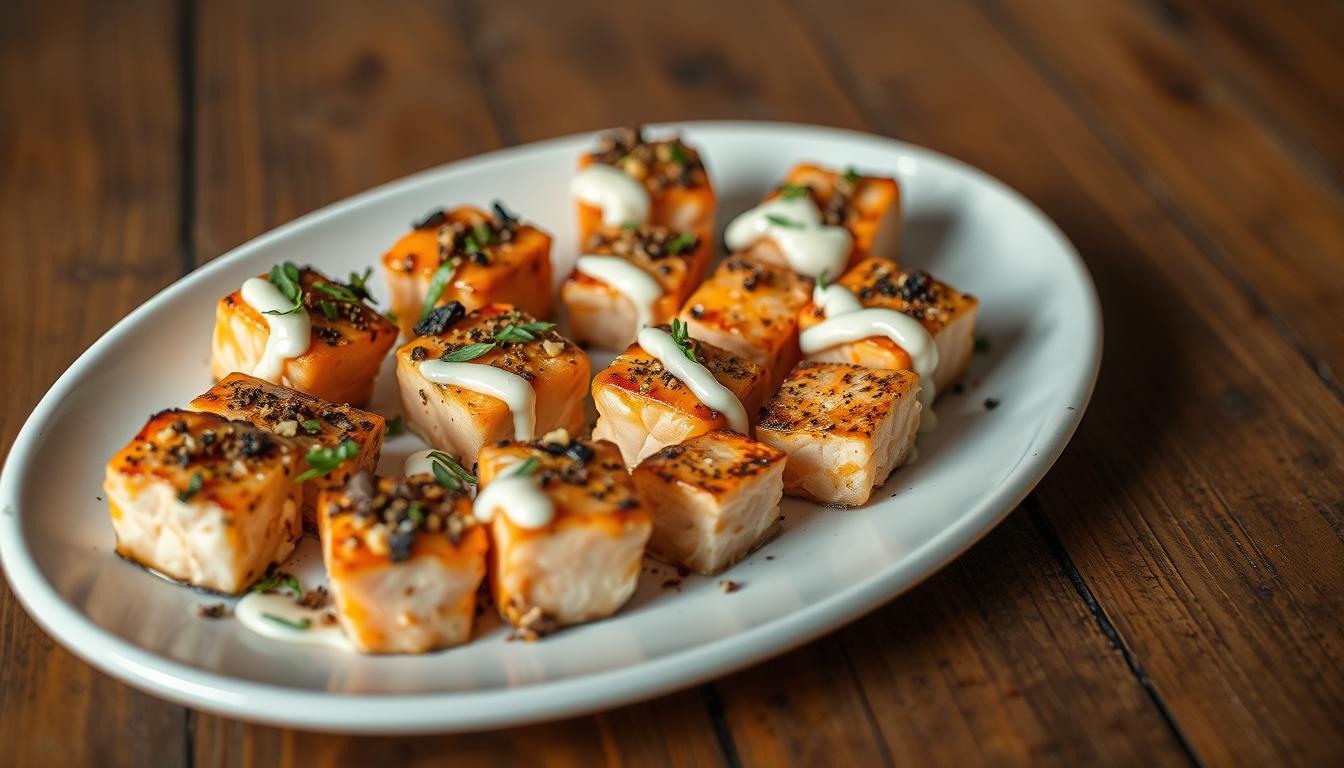
Imagine a delicious and easy-to-make appetizer perfect for any occasion. Salmon bites are a favorite among food lovers. They’re versatile and full of flavor, making them a staple in many homes. This recipe is a great way to impress your guests with a healthy and tasty dish.

The salmon bites recipe is perfect for those looking to try something new without spending hours in the kitchen. It’s great for both seasoned chefs and beginners. You can play with different flavors and ingredients to make it your own.

Key Takeaways

  • Salmon bites recipe is a simple and delicious appetizer option
  • It’s perfect for any occasion, whether it’s a party or a family gathering
  • The recipe is versatile and can be customized with different flavors and ingredients
  • Salmon bites are a healthy and mouth-watering choice
  • The salmon bites recipe is easy to make and requires minimal time in the kitchen
  • It’s a great option for those who want to try something new and exciting
  • The recipe is suitable for both beginners and experienced chefs

Understanding the Perfect Salmon Bites Recipe

Making the perfect salmon bites is all about keeping it simple. A good recipe should be straightforward and need only a few ingredients. This makes it ideal for a quick, tasty meal. The right mix of fresh salmon, tasty marinades, and cooking methods is key.

Using fresh, high-quality ingredients is crucial. Fresh salmon gives a light flavor and firm texture, essential for great bites. The right marinades also add a rich flavor, taking the dish to new heights.

What Makes a Great Salmon Bite

A top-notch salmon bite balances flavors and textures. The salmon should be cooked just right, with a crispy outside and soft inside. The marinade should enhance the salmon’s taste without overwhelming it.

Essential Components

Key parts of a great salmon bite recipe include:

  • Fresh salmon fillets
  • A flavorful marinade, like soy sauce, lemon juice, and herbs
  • A cooking method, such as baking or pan-frying, for a crispy texture

Time and Difficulty Level

Easy salmon bites are quick to make and cook. With a simple recipe and few ingredients, anyone can whip up delicious bites. The recipe is easy and fast, perfect for a weeknight dinner or a quick lunch.

Essential Ingredients for Salmon Bites

To make a tasty quick salmon snack, you need fresh, high-quality ingredients. The base of a great salmon bite recipe includes salmon fillets, olive oil, lemon juice, and herbs. These add flavor and ensure the snack’s texture is perfect.

Having the right ingredients is key for a quick salmon snack. Common ones in salmon bite recipes are:

  • Salmon fillets
  • Olive oil
  • Lemon juice
  • Herbs like parsley, dill, or basil

Using fresh, top-notch ingredients will make your quick salmon snack even better. When you mix them with the right seasonings and cooking methods, you get a meal that’s both enjoyable and satisfying.

By choosing quality ingredients, you’ll make a quick salmon snack that’s not just tasty but also looks great. This focus on detail will make your dish memorable and impress your guests.

Kitchen Tools and Equipment Needed

To make tasty homemade salmon bites, you need the right tools and equipment. These help make the process easier and ensure your bites are cooked just right. Having the right tools is key to a great dish.

You’ll need a sharp knife to cut the salmon, a cutting board for prep, and a baking sheet with parchment paper for cooking. Also, a mixing bowl and spoon are needed for the marinade and seasoning.

Must-Have Tools

  • Sharp knife
  • Cutting board
  • Baking sheet
  • Mixing bowl
  • Spoon

Optional Equipment

Tools like a food processor and pastry brush can be helpful. They make prep work easier and help you get consistent results.

With the right tools, making homemade salmon bites is easy and fun. Whether you’re experienced or new to cooking, good tools make a big difference in your dishes.

ToolDescription
Sharp knifeFor cutting the salmon into bite-sized pieces
Cutting boardFor preparing the ingredients
Baking sheetFor cooking the salmon bites

Preparing Your Salmon

To make the best salmon bites, start with fresh, high-quality salmon. Look for fillets that are vibrant pink and smell pleasant. Avoid salmon with a strong fishy smell or visible spoilage.

Choose wild-caught Alaskan or Pacific salmon for the best flavor and texture. They have a richer taste and firmer flesh.

After picking your salmon, prepare it for cooking. If it’s frozen, thaw it in the fridge or under cold water. Handle the fish gently to prevent damage. Pat the salmon dry with paper towels to remove excess moisture.

This helps the salmon cook evenly and prevents it from steaming instead of searing.

Here are some tips for preparing your salmon:

  • Remove any bloodlines or dark meat, as they can give the salmon a stronger flavor.
  • Cut the salmon into small, uniform pieces, about 1-2 inches in size, to ensure they cook evenly.
  • Remove any skin or bones, as they can be tough and chewy.

By following these simple steps, you’ll be well on your way to making the best salmon bites. With fresh, high-quality salmon and proper preparation, you’ll create a delicious dish. It’s sure to impress your friends and family.

Step-by-Step Salmon Bites Recipe

To make tasty salmon bites, follow this simple recipe. Begin by making the marinade. This step is key to adding flavor to the salmon. Mix your favorite ingredients like soy sauce, lemon juice, and olive oil in a bowl.

Preparing the Marinade

In a small bowl, whisk together 1/2 cup of soy sauce, 1/4 cup of lemon juice, and 1/4 cup of olive oil. Add 2 cloves of minced garlic and 1 teaspoon of dried thyme. This marinade is a crucial part of the recipe.

Cutting and Portioning

Cut the salmon into bite-sized pieces, about 1 inch in size. Place the salmon pieces in a shallow dish and pour the marinade over them. Let it marinate for at least 30 minutes, or up to 2 hours in the refrigerator.

Cooking Instructions

Preheat your oven to 400°F (200°C). Remove the salmon from the marinade and place it on a baking sheet lined with parchment paper. Bake for 12-15 minutes, or until the salmon is cooked through and flakes easily with a fork. This easy salmon bites recipe is perfect for a quick and delicious meal.

StepInstructions
1Preheat the oven to 400°F (200°C)
2Remove the salmon from the marinade
3Place the salmon on a baking sheet lined with parchment paper
4Bake for 12-15 minutes, or until the salmon is cooked through

By following this salmon bites recipe, you can create a delicious and easy meal that is perfect for any occasion.

Sauce and Seasoning Options

Adding the right sauce and seasoning can really boost the taste of your salmon bites. For a quick snack, try squeezing some fresh lemon juice or sprinkling dill on top. These simple touches can make your homemade salmon bites taste amazing without taking much time.

Here are some other great sauce and seasoning choices for salmon bites:

  • Garlic butter: a rich and savory option that pairs well with the natural flavor of salmon
  • Asian-inspired soy sauce and ginger: a sweet and sour combination that adds a unique twist to traditional salmon bites
  • Mediterranean-style olive oil and oregano: a light and refreshing option that complements the delicate flavor of salmon

These are just a few examples of the many sauce and seasoning options available for salmon bites. Whether you’re making a quick snack or a more elaborate dish, the right sauce and seasoning can elevate your dish.

By trying out different sauce and seasoning combinations, you can find the perfect match for your taste. This way, you can create a delicious quick salmon snack or homemade salmon bites dish.

Sauce/SeasoningDescription
Lemon JuiceA bright and citrusy option that pairs well with salmon
DillA light and refreshing herb that complements the natural flavor of salmon
Garlic ButterA rich and savory option that adds depth to salmon bites

Creative Variations and Flavor Combinations

Looking for the best salmon bites? Try mixing up flavors to take this dish to new heights. The basic recipe can be tweaked to suit many tastes. This way, you can make a dish that stands out.

Being creative with flavors is key. Experiment with seasonings, marinades, and sauces. Here are some ideas:

  • Asian-inspired: soy sauce, ginger, and sesame oil
  • Mediterranean: lemon juice, garlic, and oregano
  • Spicy: chili flakes, cumin, and smoked paprika

Remember, the goal is to highlight the salmon’s natural taste. Finding the right mix of flavors makes your dish unique. Whether you want something spicy or tangy, the options are endless.

Don’t be shy to try new flavors. This will elevate your salmon bites. With practice, you’ll impress everyone with your creations.

Serving and Presentation Tips

When serving easy salmon bites, how you present them matters a lot. You want to impress your guests. A well-presented dish can make the whole experience better. Start by thinking about how to plate your homemade salmon bites.

Consider serving them on a bed of mixed greens. Or with a tangy sauce. You could also add them to a larger appetizer platter.

A good garnish can really enhance your easy salmon bites. Try using fresh herbs like parsley or dill. Or, use thinly sliced lemon or orange. Even a sprinkle of capers can add a nice touch.

Be creative with your garnishes. Edible flowers or microgreens can make your dish stand out.

Plating Suggestions

  • Use a variety of colors on the plate to add visual interest
  • Consider the texture of the dish and add contrasting elements, such as crunchy vegetables or crispy bread
  • Don’t be afraid to get creative with your plating, and have fun with it

Garnish Ideas

Here are some more garnish ideas for your homemade salmon bites:

  • Fresh fruit, such as sliced strawberries or grapes
  • Nuts or seeds, like chopped almonds or sesame seeds
  • A dollop of creme fraiche or sour cream

By following these tips, you can impress your guests with your easy salmon bites. Whether it’s for a dinner party or a quick snack, the right presentation can make a big difference.

Storage and Make-Ahead Guidelines

For a quick salmon snack, it’s key to store cooked salmon bites right. Cool them down to room temperature first. Then, put them in an airtight container. Keep them in the fridge for up to 24 hours.

When you’re making a salmon bites recipe ahead of time, cook them until they’re 80% done. Let them cool down, then refrigerate or freeze them. To reheat, bake them in the oven at 350°F (180°C) for a few minutes. They should be crispy on the outside and fully cooked.

Here are some tips for making ahead and reheating salmon bites:

  • Make the salmon bites mixture ahead of time and keep it in the fridge for up to a day.
  • Cook a lot of salmon bites at once and freeze them for later.
  • Reheat cooked salmon bites in the oven or microwave, but don’t overcook them.

By following these tips, you can enjoy a quick salmon snack anytime. Just reheat your pre-cooked salmon bites and serve them with your favorite dipping sauce. It’s a delicious and easy snack.

Storage MethodShelf Life
RefrigeratorUp to 24 hours
FreezerUp to 3 months

Troubleshooting Common Issues

When making homemade salmon bites, several issues can arise. These can affect the texture, flavor, and quality of the dish. To get the best salmon bites, it’s key to tackle these common problems.

Texture issues are a big concern. They can come from overcooking or undercooking the salmon. Temperature control is also crucial. It affects the doneness and safety of the salmon.

Ensuring the salmon is cooked to the right internal temperature is vital. This prevents foodborne illness. Seasoning balance is also key. It can make or break the flavor of the dish.

Common Issues and Solutions

  • Texture issues: Adjust cooking time and temperature to achieve the desired texture.
  • Temperature control: Use a food thermometer to ensure the salmon is cooked to a safe internal temperature.
  • Seasoning balance: Taste and adjust the seasoning as needed to achieve a balanced flavor.

By tackling these common issues, you can make delicious homemade salmon bites. With practice and patience, you’ll master the recipe. Then, you can enjoy the best salmon bites possible.

IssueSolution
OvercookingReduce cooking time and temperature
UndercookingIncrease cooking time and temperature
Seasoning imbalanceAdjust seasoning to taste

With these tips and solutions, you’ll be well on your way to creating the best salmon bites. You’ll enjoy a delicious and satisfying homemade dish.

Conclusion

Our journey ends, and it’s clear the simple salmon bites recipe is a hit. Using fresh ingredients and following the steps, you can make a tasty appetizer. It’s all about the details, trying new flavors, and enjoying the making.

Whether you stick to the classic or try something new, this recipe is versatile. It lets you please different tastes. So, don’t hesitate to try new flavors. The world of salmon bites is full of possibilities.

Now, what are you waiting for? Get your ingredients ready and start cooking. Prepare to enjoy the delicious flavors of these salmon bites. Bon appétit!

FAQ

What are the key ingredients for making salmon bites?

To make salmon bites, you need fresh salmon fillets, olive oil, lemon juice, and herbs and seasonings for flavor.

How difficult is it to prepare salmon bites?

Making salmon bites is quite easy. Just use top-quality ingredients and follow the recipe well.

What type of tools and equipment are needed for making salmon bites?

You’ll need a sharp knife, cutting board, baking sheet, and mixing bowls. A food processor can also help with prep work.

How should the salmon be prepared before cooking the bites?

It’s important to prepare the salmon right. Choose fresh, quality fillets, thaw them if needed, and cut them into small pieces.

Can I make variations on the classic salmon bites recipe?

Yes, you can! The salmon bites recipe is flexible. Try different flavors like Asian, Mediterranean, or spicy.

How can I store and reheat leftover salmon bites?

Store cooked salmon bites in the fridge for 3-4 days. Reheat in the oven or microwave, but avoid overcooking.

What are some common issues that may arise when making salmon bites?

Issues like texture problems, temperature control, and seasoning balance can happen. The article offers tips to solve these problems.

Do You Like Our Recipe ?

0.0
0.0 out of 5 stars (based on 0 reviews)
Excellent0%
Very good0%
Average0%
Poor0%
Terrible0%

Creamy Chicken Alfredo Using Jar Sauce

Imagine coming home to a delicious, easy chicken alfredo recipe with jar sauce that’s ready in no time. This quick chicken alfredo recipe is perfect for a weeknight meal. Using jar sauce makes the dish creamy and flavorful, saving you time and money.

With an easy chicken alfredo recipe with jar sauce, you can enjoy a restaurant-quality meal at home. This quick chicken alfredo recipe is great for those who want to cook a tasty meal without spending too much time in the kitchen. Using jar sauce makes the process even simpler, allowing you to focus on other aspects of your meal.

Key Takeaways

  • You can make a delicious easy chicken alfredo recipe with jar sauce at home.
  • Using jar sauce saves time and money.
  • A quick chicken alfredo recipe is perfect for a weeknight meal.
  • Jar sauce makes the cooking process simpler.
  • You can achieve restaurant-quality results with an easy chicken alfredo recipe with jar sauce.
  • The quick chicken alfredo recipe is a great option for those who want to cook a tasty meal without spending too much time in the kitchen.
  • Using jar sauce allows you to focus on other aspects of your meal.

Why This Easy Chicken Alfredo Recipe with Jar Sauce Works

Using a jar sauce can make a tasty chicken alfredo dish. It lets you enjoy a simple alfredo sauce recipe without spending hours cooking. You get a homemade alfredo sauce taste without the effort of making it from scratch.

Here are some benefits of using a jar sauce:

  • Time-saving: Jar sauce saves you time and effort in preparing the sauce from scratch.
  • Restaurant-quality results: Jar sauce can help you achieve a rich and creamy sauce, similar to what you would find in a restaurant.
  • Budget-friendly: Jar sauce is often more affordable than buying individual ingredients to make the sauce from scratch.

Time-Saving Benefits

With a jar sauce, you can save time and focus on cooking the chicken and pasta. This is great on busy weeknights when you need to get dinner ready fast.

Restaurant-Quality Results

A good jar sauce can give you a rich and creamy sauce, just like in a restaurant. This is because jar sauces are made with quality ingredients and have a consistent flavor.

Budget-Friendly Approach

Using a jar sauce is a budget-friendly way to make chicken alfredo. Jar sauces are cheaper than buying all the ingredients to make the sauce from scratch. This can help you save money and still make a delicious meal.

Essential Ingredients for Your Chicken Alfredo

To make a tasty chicken alfredo with jar sauce, you need some key ingredients. You’ll need fresh chicken, pasta, parmesan cheese, and jar sauce. The quality of these ingredients really matters for the flavor and texture.

Choosing high-quality ingredients is important for your easy chicken alfredo recipe. Look for a jar sauce that’s made with good stuff and tastes rich and creamy. Many brands offer jar sauces that can make your dish even better.

Here are the main ingredients you’ll need for your easy chicken alfredo recipe with jar sauce:

  • Fresh chicken breast or thighs
  • Pasta of your choice (e.g. fettuccine, spaghetti, or linguine)
  • Parmesan cheese
  • Jar sauce
  • Fresh parsley or basil for garnish

With these ingredients and a simple recipe, you can make a delicious chicken alfredo with jar sauce.

Remember, the secret to a great chicken alfredo is using top-notch ingredients. Don’t be afraid to try new things with your recipe. With a bit of practice, you’ll make a dish that everyone will love.

Choosing the Best Jarred Alfredo Sauce

Choosing the right jarred alfredo sauce is key for a quick and tasty chicken alfredo. With many options, picking the best can be tough. Let’s look at what matters most.

A good jarred sauce can make a simple alfredo recipe shine. Look for brands that use fresh ingredients and have balanced flavors. Top brands include Barilla, Bertolli, and Classico.

Top Brands to Consider

  • Barilla: Known for their high-quality pasta sauces, Barilla offers a range of alfredo sauce options.
  • Bertolli: This brand offers a rich and creamy alfredo sauce that is perfect for a quick chicken alfredo.
  • Classico: Classico’s alfredo sauce is made with fresh ingredients and has a smooth, creamy texture.

What to Look for on the Label

When buying jarred alfredo sauce, check the label. Look for low sodium and wholesome ingredients.

Price vs. Quality Considerations

Don’t always go for the cheapest option. Higher prices often mean better ingredients. Choose a sauce that’s within your budget but meets your quality standards.

BrandPriceQuality
Barilla$3-$5High
Bertolli$4-$6High
Classico$3-$5High

Preparing Your Chicken for Perfect Alfredo

To make an easy chicken alfredo recipe with jar sauce, start by preparing your chicken right. Choose fresh, high-quality chicken for the best flavor and texture. Look for breasts or thighs that are plump and have a good color.

Before cooking, season your chicken with salt, pepper, and your favorite herbs. You can also marinate it in your favorite seasonings for a few hours or overnight. For an easy chicken alfredo recipe with jar sauce, cook your chicken until it’s just done. This prevents it from becoming dry and tough.

Here are some tips for cooking your chicken:

  • Cook chicken breasts in a skillet with a little oil until they’re browned on both sides and cooked through.
  • Use a meat thermometer to ensure your chicken is cooked to a safe internal temperature.
  • Let your chicken rest for a few minutes before slicing or chopping it, as this will help the juices to redistribute and the chicken to stay moist.

By following these tips, you’ll create a delicious and easy chicken alfredo recipe with jar sauce. Always handle and cook your chicken safely to avoid foodborne illness.

With your chicken prepared, you’re now ready to move on to the next step in making your easy chicken alfredo recipe with jar sauce. Stay tuned for more tips and instructions on how to create this classic Italian dish.

Pasta Selection and Cooking Tips

Choosing the right pasta is key for a tasty homemade alfredo sauce. You need a pasta that keeps the sauce without getting too soggy.

Fettuccine, linguine, and spaghetti are great choices. These long noodles let the sauce stick well, making each bite enjoyable.

Best Pasta Types for Alfredo

  • Fettuccine: a classic choice for alfredo, with a wide, flat shape that holds sauce well
  • Linguine: similar to fettuccine, but slightly narrower and more delicate
  • Spaghetti: a good option for those who prefer a thinner noodle

Al Dente Cooking Guide

Cooking pasta al dente is crucial for a perfect 30-minute chicken alfredo. This means the pasta should still have a bit of chew.

To get this right, cook your pasta 2-3 minutes less than the package says. Then, check if it’s done by biting into a noodle. If it’s still a bit firm, it’s perfect.

Step-by-Step Cooking Instructions

To make a tasty easy chicken alfredo recipe with jar sauce, start by cooking your pasta. Follow the package instructions until it’s al dente. While your pasta cooks, heat a large skillet over medium-high heat.

Add your chicken to the skillet. Cook until it’s browned and fully cooked. Then, set it aside.

Next, add the jar sauce to the skillet. Stir to mix it well. Let the sauce simmer for a few minutes until it’s hot.

Add the cooked pasta to the skillet. Toss it with the sauce until the pasta is well coated. Put the cooked chicken back in the skillet and stir to mix.

When making quick chicken alfredo, use top-notch ingredients. Choose fresh pasta and a quality jar sauce. You can also add your favorite veggies or spices to make it your own. Here are some ideas:

  • Add steamed broccoli or bell peppers to the skillet with the chicken and sauce
  • Try different pasta types, like linguine or fettuccine
  • Add red pepper flakes for a spicy twist

By following these steps and tips, you can whip up a delicious easy chicken alfredo recipe with jar sauce. It’s perfect for a quick weeknight dinner. And with a quick chicken alfredo recipe, you’ll have a tasty meal ready in no time.

Remember to serve your easy chicken alfredo recipe with jar sauce hot. Garnish with chopped parsley or parmesan cheese. Enjoy!

Enhancing Your Jarred Alfredo Sauce

To make your jarred alfredo sauce better, add some flavor boosters. Try adding dried or fresh herbs like basil or parsley for a fresh taste. You can also add garlic or onion powder for a savory flavor.

If you want a simple alfredo sauce recipe, start with a basic jarred sauce. Then, add your own ingredients to make it more flavorful.

Flavor Boosters

  • Garlic powder
  • Onion powder
  • Dried or fresh herbs like basil or parsley

To improve the texture of your jarred alfredo sauce, add heavy cream or half-and-half. This will make it creamy. You can also add grated Parmesan cheese for a rich flavor.

Professional Chef Tips

Professional chefs suggest adding a pinch of nutmeg or cayenne pepper for a unique taste. You can also add cooked vegetables like spinach or mushrooms for extra nutrition and flavor. These tips will help you make a delicious and flavorful alfredo sauce that will impress everyone.

IngredientQuantity
Garlic powder1/2 teaspoon
Onion powder1/2 teaspoon
Heavy cream1/4 cup

Common Problems and Easy Solutions

When you make an easy chicken alfredo recipe with jar sauce, you might run into some common issues. One big problem is overcooking the pasta, which can make it mushy. To fix this, adjust the cooking time as the package says and check the pasta often to keep it al dente.

Another issue is using too much sauce, which can make the dish too rich. To fix this, start with a small amount of sauce and add more if you need it. You can also try using pasta like pappardelle or fettuccine, which holds sauce better.

Here are some common problems and easy solutions to consider when making an easy chicken alfredo recipe with jar sauce:

  • Overcooking the pasta: adjust the cooking time and check regularly
  • Using too much sauce: start with a small amount and add more to taste
  • Underseasoning: taste and adjust the seasoning as you go

By following these tips and being mindful of common problems, you can make a delicious easy chicken alfredo recipe with jar sauce.

ProblemSolution
Overcooking the pastaAdjust the cooking time and check regularly
Using too much sauceStart with a small amount and add more to taste
UnderseasoningTaste and adjust the seasoning as you go

Serving Suggestions and Garnishes

When serving your quick chicken alfredo, how you present it matters a lot. A nicely set table can make your meal feel like it’s from a fancy restaurant. Try adding fresh herbs like parsley or basil to add color and freshness.

Here are some ideas to make your quick chicken alfredo even better:

  • Fresh herbs, such as parsley or basil
  • Grated parmesan cheese
  • Garlic bread or a green salad for a side dish

Presenting your dish well can really enhance your dining experience. When you serve your quick chicken alfredo, remember the importance of presentation. With these tips, you can make your 30-minute chicken alfredo feel like a fancy meal at home.

Storage and Reheating Guidelines

Storing and reheating your easy chicken alfredo recipe with jar sauce is important. You need to keep it safe from contamination. Also, make sure it stays creamy and flavorful.

For storing, use airtight containers to keep out moisture and other tastes. Freezing is also an option for later. When reheating, aim for an internal temperature of 165°F (74°C) for safety. You can use the microwave or stovetop for reheating.

  • Use airtight containers to store your chicken alfredo
  • Freeze for later use
  • Reheat to an internal temperature of 165°F (74°C)

By following these guidelines, your chicken alfredo will stay delicious for days. Whether it’s for a quick lunch or a future meal, it will be safe and tasty.

Always prioritize food safety when storing and reheating chicken alfredo. This way, you and your family can enjoy it without worrying about getting sick.

Storage MethodReheating Method
Airtight containersMicrowave
FreezerStovetop

Variations on Classic Chicken Alfredo

When making homemade alfredo sauce, you can get creative. Try adding new vegetables or proteins. For example, steamed broccoli or roasted bell peppers can add color and flavor.

You can also change the recipe to fit your diet. For a vegetarian option, use roasted eggplant or zucchini. Or, try shrimp or tofu for a unique twist.

Some popular variations include:

  • Adding sautéed mushrooms or spinach for extra flavor and nutrition
  • Using different pasta types, like whole wheat or gluten-free, for dietary needs
  • Experimenting with garlic or paprika for a distinct taste

By trying these variations, you can make a simple alfredo sauce that fits your taste and diet. So, don’t be afraid to experiment with new ingredients. Make your homemade alfredo sauce truly special.

VariationIngredientsDescription
VegetarianEggplant, zucchini, bell peppersA plant-based twist on the classic recipe, using roasted vegetables as a substitute for chicken.
SeafoodShrimp, scallops, musselsA seafood-inspired variation, featuring a medley of seafood options to add a touch of the ocean to your alfredo sauce.

Conclusion

Creating a tasty easy chicken alfredo recipe with jar sauce is a great way to enjoy top-notch food at home. Using high-quality jarred Alfredo sauce saves time and money. It doesn’t mean you have to give up on flavor or how it looks.

Perfecting your quick chicken alfredo is all about trying new things and practicing. Feel free to experiment with different jarred sauces. Adjust the recipe to your liking and get creative. Soon, you’ll be making Alfredo dishes that wow everyone.

Don’t be afraid to add your own twist to the recipe. Becoming a skilled home chef is both fun and rewarding. Enjoy the process, relish the flavors, and let your love for cooking show in every bite of your amazing chicken Alfredo.

FAQ

What are the essential ingredients for making this easy chicken alfredo recipe with jar sauce?

You’ll need fresh chicken, pasta like fettuccine or linguine, and a good jarred alfredo sauce. Don’t forget parmesan cheese and seasonings like garlic, salt, and pepper.

How can using a jarred alfredo sauce save time and money?

Jarred alfredo sauce saves time by skipping homemade sauce prep. It’s also cheaper than making it from scratch, making it a budget-friendly choice.

What should you look for when choosing the best jarred alfredo sauce?

Look for high-quality brands with real parmesan cheese and cream. Avoid sauces with lots of additives or preservatives. Also, check the price to fit your budget.

How can you enhance the flavor and texture of a jarred alfredo sauce?

Add fresh herbs, garlic, or white wine to boost flavor. Stir in heavy cream or parmesan for better texture. Taste and adjust seasoning as you go, like a pro chef.

What are some common problems that can arise when making chicken alfredo with a jarred sauce, and how can you solve them?

Issues like overcooked pasta or too thick sauce can happen. To fix, adjust pasta cooking time, add pasta water, or use less sauce.

What are some variations on the classic chicken alfredo recipe that can be made with a jarred sauce?

Try adding sautéed veggies like broccoli or spinach for nutrition. Swap chicken for shrimp or mushrooms for a veggie option. Use lactose-free or low-fat sauce for dietary needs.

Do You Like Our Recipe ?

0.0
0.0 out of 5 stars (based on 0 reviews)
Excellent0%
Very good0%
Average0%
Poor0%
Terrible0%

How to Make Bush’s Baked Beans at Home

Imagine the sweet and tangy taste of Bush’s Baked Beans, a classic American favorite, made right in your own home. With a homemade baked beans recipe, you can enjoy this beloved dish anytime. You won’t need to rely on store-bought versions. The bush’s baked beans recipe is a staple in many American households. Making it from scratch can be a fun and rewarding experience.

Making bush’s baked beans at home lets you control the ingredients, sweetness, and spice. This way, you can create a personalized flavor that suits your taste. Whether you’re a fan of the original Bush’s Baked Beans or want to try a new twist, this guide will help. You’ll learn how to make a mouth-watering homemade baked beans recipe.

Key Takeaways

  • Learn how to make a delicious homemade baked beans recipe
  • Discover the benefits of making bush’s baked beans at home
  • Get tips on customizing the recipe to suit your taste preferences
  • Understand the importance of using high-quality ingredients
  • Find out how to store and reheat your homemade baked beans
  • Explore ideas for serving and pairing your homemade bush’s baked beans

The Story Behind Bush’s Baked Beans

Bush’s baked beans have been a favorite in America for many years. Their story shows how family traditions and new recipes can make a big impact. It all started with a simple best baked beans recipe that grew into the bush’s baked beans recipe we all love.

Bush’s success comes from their focus on quality and making delicious baked beans. They aim to bring people together with their bush’s baked beans recipe. Whether you want to try their best baked beans recipe or make your own, Bush’s story is both inspiring and delightful.

History of Bush’s Family Business

The Bush family started in a small cannery in Tennessee. They created a bush’s baked beans recipe that quickly became popular. They’ve always used the best ingredients and traditional methods to make their famous baked beans.

What Makes Bush’s Baked Beans Special

So, what makes Bush’s baked beans stand out? It’s their special blend of spices and cooking process. This gives their bush’s baked beans recipe a unique taste that’s both sweet and tangy. Bush’s uses top-quality ingredients to make a best baked beans recipe for any event.

Why Make Them at Home

Making bush’s baked beans recipe at home lets you adjust the flavor to your taste. It’s rewarding to make a delicious meal yourself. With just a few ingredients and some basic cooking skills, you can make a best baked beans recipe that will wow everyone.

IngredientQuantity
Baked beans1 can
Brown sugar1/4 cup
Ground mustard1 tsp

Essential Ingredients for Bush’s Baked Beans Recipe

To make a true easy baked beans recipe, you need top-notch ingredients. The heart of a great homemade baked beans recipe is the beans, sauces, and spices. For a classic Bush’s Baked Beans taste, navy beans are key. They’re small, white, and mild.

Other must-haves include a blend of sauces like tomato sauce, brown sugar, and apple cider vinegar. These give the beans a sweet and tangy flavor. Spices like ground mustard, ground cloves, and smoked paprika add warmth and depth. Using these will help you get the real Bush’s Baked Beans taste in your homemade version.

Here’s a list of the key ingredients you’ll need:

  • Navy beans
  • Tomato sauce
  • Brown sugar
  • Apple cider vinegar
  • Ground mustard
  • Ground cloves
  • Smoked paprika

Remember, the quality of your ingredients will directly impact the flavor of your easy baked beans recipe. Choose the best ingredients you can find to ensure your homemade baked beans recipe turns out delicious.

Required Kitchen Equipment and Tools

To make a tasty homemade baked beans recipe, you’ll need some basic kitchen tools. The right tools can greatly improve your easy baked beans recipe. A large pot, preferably stainless steel or cast iron, is key for cooking the beans. You’ll also need a colander, a can opener, and a wooden spoon for stirring.

There are also optional tools that can make cooking better. These include a slow cooker, a pressure cooker, and a food processor. A slow cooker is great for long cooking times. A pressure cooker can cook beans faster. A food processor helps with chopping onions and other ingredients.

Basic Kitchen Tools Needed

  • Large pot (stainless steel or cast iron)
  • Colander
  • Can opener
  • Wooden spoon

Optional Equipment for Best Results

  • Slow cooker
  • Pressure cooker
  • Food processor

With these kitchen tools, you’re ready to make a delicious homemade baked beans recipe. Choose the right tools for your easy baked beans recipe for the best results.

EquipmentDescription
Large potFor cooking the beans
Slow cookerFor cooking the beans over a long period
Food processorFor chopping onions and other ingredients

Preparing Your Beans from Scratch

To make the best baked beans, start with the right ingredients. Bush’s recipe uses navy or haricot beans. These beans have a mild flavor and smooth texture.

Soaking the beans is key to rehydrate them and save time. You can soak them overnight, quickly, or under pressure. Choose based on your schedule and tools.

Selecting the Right Beans

  • Navy beans: These small, white beans are a classic choice for baked beans and have a mild, slightly sweet flavor.
  • Haricot beans: Similar to navy beans, haricot beans are small, white, and have a mild flavor, making them an excellent choice for bush’s baked beans recipe.

Soaking Methods

Soaking the beans is a crucial step. The most common methods include:

  1. Overnight soak: Soak the beans in water for at least 8 hours or overnight.
  2. Quick soak: Soak the beans in boiling water for 1-2 hours.

Pre-cooking Process

After soaking, pre-cook the beans to make them tender. You can boil them or use a pressure cooker to speed up the process.

Soaking MethodCooking TimeResult
Overnight soak1-2 hoursTender beans with a mild flavor
Quick soak30 minutes to 1 hourSlightly firmer beans with a more pronounced flavor

The Secret Sauce: Making the Perfect Bean Base

To make a great easy baked beans recipe, focus on the bean base. This is where the magic happens. The flavors blend together to create a rich, velvety sauce that goes well with the beans. A homemade baked beans recipe needs a top-notch base, so it’s key to get it right.

When making the bean base, consider these key ingredients:

  • Brown sugar
  • Apple cider vinegar
  • Tomato paste
  • Spices like ground mustard and ground cloves

These ingredients will give you a deep, complex flavor. This is what makes a classic easy baked beans recipe. By mixing these elements just right, you’ll make a homemade baked beans recipe that will wow everyone.

Remember, the secret to a great bean base is balance. You want a mix of sweet, tangy, and spicy flavors. Don’t be shy to adjust the ingredients to taste. With practice and patience, you’ll make a delicious, easy baked beans recipe for any event.

Mastering the bean base is the first step to a fantastic homemade baked beans recipe. So, take your time to experiment and improve your skills. The effort will be worth it.

IngredientQuantity
Brown sugar1/2 cup
Apple cider vinegar1/4 cup
Tomato paste2 tablespoons

Step-by-Step Cooking Instructions

To make the perfect bush’s baked beans recipe, follow a step-by-step guide. This guide includes an initial cooking phase, adding special flavors, and a final simmer. These steps help you create a best baked beans recipe that tastes great and is true to its roots.

First, cook the beans in a big pot of water until they’re soft. It’s important to watch them closely. This way, they won’t get too soft or mushy.

Initial Cooking Phase

After the beans are cooked, it’s time to add the special flavors. Mix in tomato sauce, brown sugar, and spices. Finding the right mix of sweet and tangy is key to a great bush’s baked beans recipe.

Adding the Signature Flavors

The final step is simmering the beans in the flavor mix for at least an hour. This lets the flavors blend together. The result is a best baked beans recipe that’s rich, flavorful, and perfect for any event.

Final Simmering Process

Here are some tips for cooking:

  • Use top-quality ingredients for the best taste.
  • Keep an eye on the cooking time to avoid overcooking.
  • Adjust the seasoning to your liking.

By following these steps and tips, you’ll make a delicious bush’s baked beans recipe. It’s sure to impress even the most finicky eaters.

Customization Options and Variations

Customizing Bush’s Baked Beans at home is fun and easy. You can make it vegetarian or try new flavors. Using a vegetarian baked beans recipe is a tasty option.

Adjusting the spice level is a big part of customization. If you like it milder, use less spice. For a spicy kick, add more or try different peppers. It’s also a quick way to make an easy baked beans recipe.

Vegetarian Adaptations

Vegetarians can make simple changes to enjoy a great meal. Try using vegetarian bacon or sausage. Add extra veggies like bell peppers or mushrooms. You can also use different beans for a unique taste.

Regional Style Variations

Each region has its own baked beans style. Try a Boston-style with molasses and salt pork. Or go Southern with brown sugar and bacon. The fun is in experimenting with flavors and ingredients.

Storage and Reheating Guidelines

Perfecting your homemade baked beans recipe is just the start. It’s key to store and reheat them right to keep their taste and texture. A great homemade baked beans recipe can be a family favorite. With the right storage and reheating, you can enjoy them for days.

To store your homemade baked beans, use airtight containers. Keep them in the fridge for up to 5 days. For longer storage, freeze them in airtight containers or bags. When reheating, heat them slowly over low heat, stirring often, to avoid burning or sticking.

Here are some tips for reheating your homemade baked beans:

  • Reheat them in the oven: Place the beans in a covered dish and heat them in a preheated oven at 250°F (120°C) for about 30 minutes.
  • Reheat them on the stovetop: Place the beans in a saucepan and heat them over low heat, stirring occasionally, until they’re warmed through.
  • Reheat them in the microwave: Place the beans in a microwave-safe dish and heat them on high for about 2-3 minutes, stirring every minute, until they’re warmed through.

By following these storage and reheating tips, you can enjoy your homemade baked beans for longer. They’ll stay delicious and fresh. Whether you’re using a homemade or the best baked beans recipe, proper storage and reheating are key to keeping them great.

Perfect Pairings and Serving Suggestions

There are endless ways to serve your homemade bush’s baked beans recipe. You can choose from classic pairings or modern twists. This easy recipe lets you create dishes that everyone will love.

Traditional Accompaniments

Classic pairings for bush’s baked beans include grilled meats like burgers or hot dogs. Sides like coleslaw or baked potatoes are also great. You can also serve them with other barbecue favorites, like ribs or chicken.

Modern Serving Ideas

For a modern twist, try pairing your easy baked beans with unique ingredients. Here are some ideas:

  • Grilled vegetables, like asparagus or bell peppers
  • Crusty bread or cornbread
  • A fresh green salad with a tangy vinaigrette

These modern ideas will give your traditional bush’s baked beans a fresh spin.

With these serving suggestions, you can enjoy your homemade bush’s baked beans in new ways. So, get creative and find your favorite way to serve this delicious dish!

Traditional AccompanimentsModern Serving Ideas
Grilled meats (burgers, hot dogs)Grilled vegetables (asparagus, bell peppers)
Coleslaw, baked potatoesCrusty bread, cornbread
Barbecue favorites (ribs, chicken)Fresh green salad with vinaigrette

Conclusion: Mastering Your Homemade Bush’s Baked Beans

Creating your own version of Bush’s Baked Beans at home is rewarding. By following our guide and trying different options, you can make a delicious homemade version. You can choose from classic flavors or add your own twist, making it unique.

We hope you’ll keep trying new recipes and share your homemade baked beans with others. There’s nothing like enjoying a homemade batch with loved ones. So, get creative with flavors and enjoy making a dish that brings everyone together.

FAQ

What are the key ingredients in Bush’s Baked Beans?

To make homemade Bush’s Baked Beans, you need navy or Great Northern beans. Also, brown sugar, molasses, and mustard are key. Don’t forget Worcestershire sauce and spices like garlic, onion, and chili powder.

How do I prepare the beans from scratch?

Start by soaking the beans overnight. Then, drain and rinse them. Pre-cook the beans before mixing them with the sauce. This makes them tender and perfect.

Can I make a vegetarian version of Bush’s Baked Beans?

Yes, making a vegetarian version is easy. Just skip the bacon or ham and use vegetable broth instead of chicken broth. Adding bell peppers or mushrooms can also enhance flavor and texture.

How can I adjust the spice level of the baked beans?

To change the spice level, tweak the chili powder, cayenne pepper, or hot sauce. Start with a little spice and add more until it’s just right for you.

How long do homemade baked beans last, and how should they be stored?

Homemade baked beans keep well in the fridge for 5 days or in the freezer for 3 months. Cool them down first, then put them in an airtight container or bag. Reheat them until hot and simmering.

Do You Like Our Recipe ?

0.0
0.0 out of 5 stars (based on 0 reviews)
Excellent0%
Very good0%
Average0%
Poor0%
Terrible0%

Creamy Boursin Cheese Pasta: A Simple and Satisfying Recipe

A delicious and easy boursin pasta recipe can be a game-changer for a quick weeknight dinner. It has a rich and creamy flavor, making it perfect for a satisfying meal. The creamy boursin pasta sauce is made with high-quality ingredients, including boursin cheese, that make it a standout dish.

A good boursin cheese pasta recipe should be easy to follow and require minimal ingredients. This easy boursin pasta recipe is a great option for those looking for a simple and delicious meal. The creamy boursin pasta is a great way to enjoy a satisfying and flavorful dish without spending hours in the kitchen.

Key Takeaways

  • Easy boursin pasta recipe for a quick weeknight dinner
  • Creamy boursin pasta sauce made with high-quality ingredients
  • Boursin cheese pasta is a satisfying and flavorful dish
  • Minimal ingredients required for this easy boursin pasta recipe
  • Creamy boursin pasta is a great option for a simple and delicious meal
  • Boursin cheese pasta recipe is perfect for a satisfying and easy dinner
  • This boursin cheese pasta recipe is a great way to enjoy a creamy and flavorful dish

Introduction to Boursin Cheese Pasta

Boursin cheese is a French delicacy known for its rich and creamy flavor. It’s perfect for homemade boursin pasta. Made from cream cheese, butter, and herbs, it has a unique taste and texture. This cheese makes a creamy and flavorful sauce for pasta, ideal for boursin pasta ideas.

Boursin cheese is great for pasta sauce because it blends well with other ingredients. It pairs well with garlic, parsley, and herbs for a delicious sauce. You can use it in many boursin pasta dish recipes, from simple to complex.

What is Boursin Cheese?

Boursin cheese comes from France and is known for its creamy texture and rich flavor. It’s made from cream cheese, butter, and herbs. It’s often used as a spread or dip. In cooking, it adds a unique and delicious flavor to homemade boursin pasta recipes.

Why It Makes the Perfect Pasta Sauce

Boursin cheese is perfect for pasta sauce because of its creamy texture and rich flavor. It can be mixed with garlic and herbs for a tasty sauce. It’s also a great base for boursin pasta dish recipes, offering many sauce and flavor options.

History of Boursin Cheese in Cooking

Boursin cheese has a long history in French cuisine, often used as a spread or dip. It’s also used in cooking, including pasta dishes, adding a unique flavor. In boursin pasta ideas, it creates a creamy and flavorful sauce that’s sure to impress.

Essential Ingredients for Your Boursin Pasta

To make a tasty boursin cheese pasta sauce, you need a few important things. You’ll need top-notch Boursin cheese, pasta, garlic, and herbs. The pasta you pick is key, as some shapes work better with boursin cheese pasta sauce than others.

Here are the must-haves for your best boursin pasta recipe:

  • Boursin cheese: This is the main ingredient, so pick a good one.
  • Pasta: Choose shapes that catch the creamy boursin cheese pasta sauce well, like penne or fusilli.
  • Garlic: Mince a few cloves to add depth and flavor.
  • Herbs: Use fresh or dried herbs like parsley, basil, or thyme for a fresh taste in your best boursin pasta recipe.

Remember, the quality of your boursin cheese pasta sauce depends on your ingredients. Go for the best you can find. Feel free to try different mixes to find your ideal best boursin pasta recipe.

With these key ingredients and a simple recipe, you can whip up a yummy boursin cheese pasta sauce. It’s sure to become a hit.

Kitchen Equipment You’ll Need

To make a tasty boursin pasta recipe, you need some key kitchen tools. The right equipment makes a big difference in taste and quality. You’ll need a big pot for boiling pasta, a saucepan for warming the Boursin cheese, and a colander to drain the pasta.

The kitchen tools you choose can change how your pasta turns out. For example, a quality saucepan helps prevent the Boursin cheese from burning. This makes your sauce smooth and creamy.

Essential Tools

  • Large pot for boiling pasta
  • Saucepan for heating Boursin cheese
  • Colander for draining pasta
  • Wooden spoon for stirring
  • Cheese grater for grating additional cheese (optional)

Optional Equipment for Best Results

Some optional tools can make your homemade boursin pasta even better. A food processor can mix the Boursin cheese with garlic and herbs. This creates a tasty sauce for your pasta.

Investing in the right kitchen tools helps you make a delicious boursin pasta. With practice, you’ll soon be a pro at making homemade boursin pasta.

EquipmentPurpose
Large potBoiling pasta
SaucepanHeating Boursin cheese
ColanderDraining pasta

The Perfect Boursin Cheese Pasta Recipe

Making a tasty meal starts with a good boursin cheese pasta recipe. It mixes boursin cheese’s richness with pasta’s comfort. This creates a creamy dish that everyone will love. The secret is balancing flavors and textures for a perfect mix of sauce and pasta.

Here are some tips for the best results:

  • Preparation time: This includes getting ingredients, chopping veggies, and cooking pasta.
  • Cooking time: This is how long to cook pasta and heat the boursin cheese sauce.
  • Serving size: Plan for 1/2 cup of cooked pasta per serving, based on hunger and the event.

A great boursin cheese pasta recipe is simple and needs few ingredients. The creamy sauce is the main attraction. With a bit of effort, you’ll soon enjoy a delicious boursin cheese pasta dish.

By using this recipe and quality ingredients, you’ll make a creamy pasta dish loved by all. So, try it out and enjoy the blend of boursin cheese and pasta.

Step-by-Step Cooking Instructions

To make a tasty easy boursin pasta recipe, boil the pasta as the package says. This makes sure it’s just right. While the pasta cooks, warm the Boursin cheese in a saucepan on low heat. This melts the cheese into a smooth sauce.

After the pasta is cooked, drain it and mix it with the Boursin cheese in the saucepan. Stir until the cheese is fully melted and the pasta is coated. You can add garlic or herbs for more flavor. For a homemade boursin pasta recipe, use fresh ingredients and customize the sauce.

  • Choose high-quality ingredients, like fresh pasta and real Boursin cheese.
  • Avoid overcooking the pasta to prevent it from becoming mushy.
  • Try different flavors and ingredients to make a unique homemade boursin pasta recipe.

By following these steps and tips, you can make a delicious easy boursin pasta recipe. It’s great for a weeknight dinner or a special occasion. Whether you love creamy sauces or want to try something new, this homemade boursin pasta will be a hit.

Choosing the Right Pasta Shape

Choosing the right pasta shape is key to a tasty boursin pasta dish. There are many shapes and sizes to pick from. Think about how the sauce will mix with the pasta.

A creamy sauce like boursin cheese pasta sauce is great with pasta that has lots of nooks. Shapes like penne, fusilli, and farfalle work well. They let the sauce stick to the pasta, making it flavorful.

Best Pasta Types for Creamy Sauces

  • Penne: A tube-shaped pasta that pairs well with creamy sauces
  • Fusilli: A corkscrew-shaped pasta that holds onto sauce nicely
  • Farfalle: A bow-tie shaped pasta that adds a playful touch to your boursin pasta ideas

Choosing the right pasta shape is all about how it works with the sauce and other ingredients. Pick a shape that fits well with your boursin pasta dish. This way, you’ll make a balanced and tasty dish that everyone will enjoy.

Tips for Creating the Creamiest Sauce

To make the creamiest boursin cheese pasta sauce, choose top-notch ingredients. Fresh herbs and spices boost flavor and texture. Also, heating the Boursin cheese just right is key for a smooth sauce.

Here are some tips for a creamy sauce:

  • Blend heavy cream and grated cheese for richness and depth.
  • Add a pinch of salt to enhance flavors.
  • Spices like garlic, onion, and nutmeg add complexity.

By using these tips and quality ingredients, you’ll get a tasty, creamy

IngredientQuantity
Boursin cheese8 oz
Heavy cream1 cup
Grated cheese1/2 cup

Flavor Variations and Add-ins

Boursin cheese pasta is super versatile. You can make it your own with different flavors and ingredients. It’s perfect for those who love trying new things.

For a simple yet customizable boursin pasta, start with a few basic ingredients. You can add veggies, proteins, and herbs to make it your own.

Vegetable Options

  • Cherry tomatoes
  • Spinach
  • Mushrooms

Protein Additions

  • Grilled chicken
  • Shrimp
  • Bacon

Herb Combinations

Herbs like basil, parsley, and thyme can make your pasta taste fresh and aromatic. Try mixing different herbs to find your favorite flavor.

With these add-ins, you can make a unique and tasty boursin pasta. Whether you want something classic or something new, this dish will hit the spot.

Common Mistakes to Avoid

When making a boursin cheese pasta recipe, watch out for common mistakes. Temperature control is key to the dish’s quality. It affects the creamy boursin pasta’s texture and consistency.

Avoid overheating the sauce. It can make the cheese separate and the sauce too thick. Underheating leads to a thin sauce that lacks flavor. Keep an eye on the temperature and adjust cooking time to get it right.

Temperature Control Tips

  • Use a thermometer to ensure the sauce reaches the optimal temperature.
  • Stir the sauce constantly to prevent it from sticking to the bottom of the pan.
  • Adjust the heat as needed to maintain a consistent temperature.

Sauce Consistency Solutions

To get the sauce just right for your creamy boursin pasta, try these tips. If it’s too thick, add a bit of pasta water or cream. If it’s too thin, simmer it to reduce the liquid and thicken the sauce.

Storage and Reheating Guidelines

After making the perfect boursin pasta dish, it’s key to store and reheat it right. This keeps the creamy texture and flavor just right. Using the right storage and reheating methods lets you enjoy your boursin pasta ideas for more time.

To store your boursin pasta dish, let it cool down first. Then, put it in an airtight container. You can keep it in the fridge for up to 3 days. When you reheat it, do so gently over low heat, stirring often, until the sauce is smooth and the pasta is coated well.

If you want to store it longer, freeze your boursin pasta dish. Split it into portions, put them in airtight containers or bags, and freeze for up to 3 months. To reheat frozen pasta, thaw it in the fridge overnight. Then, reheat it like you would fresh pasta.

  • Adding a little cream or milk to the sauce when reheating to maintain its creaminess
  • Stirring constantly when reheating to prevent the sauce from sticking to the bottom of the pan
  • Not overheating the pasta, as this can cause the sauce to break and become oily

By following these tips, you can enjoy your boursin pasta dish for longer. It keeps the flavor and texture delicious.

Wine Pairing Suggestions

Enjoying a boursin cheese pasta sauce is even better with the right wine. A good wine can enhance the creamy texture and rich flavors of the best boursin pasta recipe. Here are some great options:

A dry and crisp white wine is perfect for cutting through the sauce’s richness. Some top picks include:

  • Pinot Grigio
  • Sauvignon Blanc
  • Chardonnay

If you like red wine, a light-bodied option with moderate acidity works well. Some good choices are:

  • Pinot Noir
  • Beaujolais
  • Dolcetto

The right wine choice depends on your taste. Think about the flavors in your boursin cheese pasta sauce and best boursin pasta recipe. A wine that complements these can make your meal even better.

Pairing your boursin cheese pasta sauce with a great wine makes for a satisfying meal. Whether you prefer white or red, there’s a perfect match for your best boursin pasta recipe.

Wine TypeDescription
White WineDry and crisp, pairs well with creamy sauces
Red WineLight-bodied, moderate acidity, complements rich flavors

Conclusion

As we wrap up our exploration of Boursin cheese pasta, we hope you’re eager to try it at home. The creamy Boursin cheese pairs perfectly with pasta, creating a delicious homemade dish. With just the right ingredients and a few easy steps, you can make your dinner special and impress everyone.

Remember, the secret to a great Boursin cheese pasta is finding the right balance of flavors and textures. Feel free to get creative and make it your own. Enjoy your culinary adventure!

FAQ

What is Boursin cheese?

Boursin cheese is a French cheese known for its creamy taste. It’s made from cream cheese, butter, and herbs.

Why does Boursin cheese make the perfect pasta sauce?

Boursin cheese’s creamy texture is perfect for pasta sauce. Its herbs and spices add depth to the dish.

What is the history of Boursin cheese in cooking?

Boursin cheese has been a staple in French cooking for decades. It’s often used as a spread or dip. Lately, it’s become popular for creamy pasta sauces and savory dishes.

What are the essential ingredients for making Boursin pasta?

To make Boursin pasta, you need Boursin cheese, pasta, garlic, and herbs. Adding vegetables or proteins can make it even better.

What kitchen equipment do I need to make Boursin pasta?

You’ll need a pot for boiling pasta, a saucepan for the cheese, and a colander for draining. A food processor or immersion blender can make the sauce smooth.

What is the perfect Boursin cheese pasta recipe?

The perfect recipe boils pasta, heats Boursin cheese, and mixes them. You can add veggies or proteins to customize it.

What are the step-by-step cooking instructions for making Boursin pasta?

First, boil pasta as directed. Heat Boursin cheese in a saucepan. Drain pasta, then mix it with the cheese until coated.

What type of pasta is best for Boursin cheese sauce?

Shapes like penne, farfalle, or fusilli work well with creamy sauces. The pasta’s shape affects the dish’s texture and taste.

How can I create the creamiest Boursin cheese sauce?

Use quality ingredients and heat the cheese right. Adding a bit of cream or milk can make it silky.

What are some flavor variations and add-ins for Boursin pasta?

You can add sautéed mushrooms, grilled chicken, or herbs like basil and oregano. These enhance the flavor.

What are some common mistakes to avoid when making Boursin pasta?

Avoid overheating the cheese and ensure the sauce is just right. This prevents a broken sauce and keeps the dish tasty.

How should I store and reheat Boursin pasta?

Store it in an airtight container in the fridge for 3-4 days. Reheat with a splash of milk or cream to restore creaminess.

What wine pairings work best with Boursin pasta?

White wines like Chardonnay or Sauvignon Blanc pair well. Light-bodied reds, like Pinot Noir, also complement the creamy and herbal flavors.

Do You Like Our Recipe ?

0.0
0.0 out of 5 stars (based on 0 reviews)
Excellent0%
Very good0%
Average0%
Poor0%
Terrible0%

Homemade Lasagna Recipe: Cheesy, Flavorful, and Simple

A homemade lasagna is a classic Italian dish loved for its simplicity and taste. With just a few ingredients, you can make a delicious lasagna that everyone will enjoy. It’s all about the balance of tender pasta, rich sauce, and melted cheese.

Homemade lasagna is more than just a meal; it’s a tradition that brings families together. It’s a dish that has been shared for generations, with each family adding their own special touch. Whether you’re an experienced cook or just starting, making lasagna is a great way to create memories.

This easy lasagna recipe will help you make a dish that’s both tasty and satisfying. We’ll show you how to layer and bake your lasagna to perfection. So, why not try making a homemade lasagna and see how easy it is?

Introduction to Homemade Lasagna

In this article, we’ll dive into the world of homemade lasagna. We’ll cover its history, the best ingredients to use, and how to layer and bake it. You’ll learn how to make a perfect lasagna every time.

Key Takeaways

  • Make a delicious homemade lasagna with a few simple ingredients
  • Learn the basics of a great lasagna recipe, including layering and baking
  • Discover the history and origins of this beloved Italian dish
  • Get tips and tricks for making the perfect easy lasagna recipe
  • Explore variations on the classic homemade lasagna recipe
  • Learn how to store and reheat your homemade lasagna for maximum flavor

The History and Origins of Traditional Lasagna

Traditional lasagna has a long history that goes back centuries. Its origins are in ancient Italy. The name “lasagna” comes from the Greek word “laganon,” meaning flat bread.

Over time, it spread across the Mediterranean. Different cultures made their own versions, using local ingredients.

The history of lasagna shows how diverse Italian cuisine is. From Campania in the south to Lombardy in the north, each place has its own lasagna. Some use fresh pasta, while others prefer dried noodles. Fillings also vary, with meat sauces and vegetarian options.

Italian Roots and Evolution

In Italy, lasagna is a favorite at special occasions. It’s made with pasta, sauce, and cheese. Each family has its own secret recipe.

Regional Variations

There are many lasagna variations across Italy. Here are a few:

  • Sicilian lasagna, with eggplant and ricotta cheese
  • Neapolitan lasagna, featuring fresh tomatoes and mozzarella
  • Emilian lasagna, with prosciutto and Parmesan

Modern Adaptations

Today, lasagna is loved worldwide. Modern recipes add new ingredients like spinach and feta, or mushroom and truffle sauce. Chefs and home cooks are always trying new things.

RegionTraditional Lasagna Variation
SicilyEggplant and ricotta cheese
NaplesFresh tomatoes and mozzarella cheese
Emilia-RomagnaProsciutto and Parmesan cheese

Essential Ingredients for the Perfect Lasagna Recipe

To make a tasty homemade lasagna, picking the right ingredients is key. A classic easy lasagna recipe has layers of pasta, sauce, cheese, and sometimes meat. For a cheesy lasagna, mix mozzarella, parmesan, and ricotta cheese.

Choose between fresh or dried lasagna noodles. Fresh noodles make your dish softer, but dried noodles are easier to store. For the sauce, pick a tomato sauce or a meat-based one, based on what you like.

  • Lasagna noodles
  • Tomato sauce
  • Ground beef or sausage
  • Mozzarella cheese
  • Parmesan cheese
  • Ricotta cheese

With the right ingredients and a simple easy lasagna recipe, you can make a delicious cheesy lasagna. It’s great for any time.

IngredientQuantity
Lasagna noodles8-10 sheets
Tomato sauce2 cups
Ground beef or sausage1 pound
Mozzarella cheese2 cups, shredded
Parmesan cheese1 cup, grated
Ricotta cheese1 cup

Choosing the Right Pasta Sheets

Choosing the right pasta sheets is key to a great lasagna. Traditional lasagna uses wide, flat noodles from wheat flour. For meat lasagna, pick sheets that can hold the meat sauce’s rich flavors and textures.

There are many pasta sheet types, like fresh and dried lasagna noodles. Fresh noodles are egg-based and soft, while dried ones are easier to store. No-boil noodles save time and effort.

Some popular pasta sheets for lasagna include:

  • Wide flat noodles
  • Ribbed lasagna noodles
  • Whole wheat lasagna noodles

Making your own pasta sheets can elevate your lasagna. It lets you control the ingredients and texture. With practice, homemade sheets can become a must-have for any lasagna, including traditional and meat lasagna.

Pasta TypeDescription
Fresh NoodlesMade with eggs, delicate texture
Dried NoodlesConvenient, longer shelf life
No-Boil NoodlesTime-saving, easy to use

Creating the Ultimate Meat Sauce

To make a delicious meat lasagna, you need a rich and flavorful meat sauce. High-quality ingredients and careful cooking are key. Use ground beef, pork, or a mix for the best flavor.

A good easy lasagna recipe starts with browning the meat. Then, add onions and garlic. Next, add crushed tomatoes, tomato paste, and herbs like basil and oregano. Let it simmer for at least an hour to develop the flavors.

Here are some tips for making the ultimate meat sauce:

  • Use a mix of ground meats for a more complex flavor
  • Don’t overcook the meat, as it can become dry and tough
  • Add a pinch of salt and sugar to balance the flavors
  • Let the sauce rest for a few hours or overnight to allow the flavors to meld together

By following these tips and using fresh, high-quality ingredients, you can create a delicious and flavorful meat sauce for your homemade lasagna. This sauce is the foundation of a great meat lasagna, and with an easy lasagna recipe, you can enjoy a satisfying and tasty meal.

Meat Sauce IngredientsQuantity
Ground beef1 lb
Onions1 medium
Garlic3 cloves
Crushed tomatoes2 cups
Tomato paste2 tbsp

Mastering the Bechamel Sauce

To make a delicious cheesy lasagna, a great Bechamel sauce is key. This white sauce is a must in traditional lasagna. It’s what makes a best lasagna recipe stand out. The sauce is made with butter, flour, milk, and cheese, seasoned with salt, pepper, and nutmeg.

When you make the Bechamel sauce, cooking the roux right is important. This avoids a raw flour taste. The sauce should be smooth and creamy. To get this, whisk constantly and cook it over low heat. Adding more cheese, like Parmesan and mozzarella, makes it richer.

Problems like lumps, too-thin sauce, or not enough flavor can happen. To fix these, whisk harder, add more roux or cheese, or season with more salt, pepper, or nutmeg. With practice, you’ll get the Bechamel sauce just right. Then, your cheesy lasagna will wow everyone.

Here are some tips for the perfect Bechamel sauce:

  • Use high-quality cheese for the best flavor
  • Cook the roux for the right amount of time to avoid a raw flour taste
  • Whisk constantly to avoid lumps
  • Season with salt, pepper, and nutmeg for added depth of flavor

Step-by-Step Lasagna Assembly Guide

Making a homemade lasagna is fun and rewarding. It’s great when you use an easy lasagna recipe. To make a classic lasagna, follow a few simple steps. First, prepare your ingredients like pasta sheets, meat sauce, and cheese.

When layering your lasagna, keep a few things in mind. Here are some tips for perfect layers:

Layering Techniques

  • Start with a thin layer of meat sauce at the bottom of the dish.
  • Place pasta sheets on top of the sauce, covering the whole surface.
  • Add a layer of cheese, then another layer of meat sauce.

Proper Proportions

Using the right sauce and cheese is key for a perfect lasagna. Use about 1/3 of the total sauce for each layer.

Top Layer Tips

For the top layer, use a lot of cheese and a sprinkle of parsley. This adds flavor and looks great. By following these steps and using a classic lasagna recipe, you’ll make a delicious homemade lasagna that will impress everyone.

LayerIngredients
BottomMeat sauce
First layerPasta sheets, cheese, meat sauce
Second layerPasta sheets, cheese, meat sauce
TopCheese, parsley

Vegetarian Lasagna Variations

For a tasty vegetarian lasagna, try using spinach, mushrooms, and bell peppers. These add flavor and texture to your homemade lasagna. It’s perfect for a meatless meal.

A great easy lasagna recipe focuses on layering. Start with pasta, then sauce, and then veggies. Keep layering until you top it with cheese.

Some favorite vegetarian lasagna types are:

  • Roasted vegetable lasagna, with zucchini and eggplant
  • Mushroom and spinach lasagna, with sautéed mushrooms and spinach
  • Grilled vegetable lasagna, with bell peppers and onions

Try different ingredients and layering to make a unique vegetarian lasagna. Whether you want a homemade lasagna or an easy lasagna recipe, there’s something for everyone.

Baking Times and Temperatures

Baking a delicious lasagna recipe needs the right baking times and temperatures. A traditional lasagna cooks best in a moderate oven. This ensures the cheese melts and the pasta is just right.

The baking time depends on the lasagna’s size and thickness. Preheat your oven to 375°F (190°C). Bake a standard-sized lasagna for 30-40 minutes. It should be golden brown and the pasta cooked.

Conventional Oven Methods

In a conventional oven, rotate the lasagna halfway through. This ensures even cooking. It makes a big difference in the final dish.

Make-Ahead Instructions

Want to make a lasagna ahead of time? You can assemble it and refrigerate or freeze it. When baking, add a few extra minutes for it to heat through. This is great for busy days or special events.

By following these baking tips, you’ll make a lasagna that impresses everyone. Whether you’re experienced or new to cooking, a homemade lasagna is easy to make.

Storage and Reheating Tips

After making your homemade lasagna with an easy lasagna recipe, it’s key to store it right. This keeps the taste and texture good. Use airtight containers to stop moisture and other tastes from getting in.

For a few days, keep your homemade lasagna in the fridge. Cover it with foil when reheating to avoid drying. You can also reheat parts in the microwave, but watch it to avoid hard cheese.

Freezing Guidelines

Freezing is great for longer storage. Divide the lasagna into parts or batches for easier reheating. Wrap each part in plastic or foil and put it in a freezer bag.

Best Reheating Practices

To reheat your cheesy lasagna, use the oven or microwave. For the oven, preheat to 350°F (180°C) and bake for 20-30 minutes. For the microwave, cook on high for 2-3 minutes until hot and bubbly.

Follow these tips to enjoy your easy lasagna recipe and homemade lasagna longer. Always use airtight containers and reheat safely to avoid illness.

Common Mistakes to Avoid

Making a traditional lasagna can be tricky. It’s easy to overcook the pasta, use too much sauce, or not layer it right. A good lasagna has balanced flavors and textures in each layer.

Some common mistakes to watch out for include:

  • Overcooking the lasagna noodles, making them mushy and unappetizing
  • Using too much sauce, resulting in a soggy and overwhelming dish
  • Not layering the ingredients correctly, leading to an uneven distribution of flavors and textures

To avoid these mistakes, follow a reliable lasagna recipe. Pay close attention to cooking time and technique. This way, you’ll make a delicious traditional lasagna that everyone will love.

By being careful and perfecting your technique, you’ll make a lasagna that will be a hit. So, try it out and enjoy making a homemade lasagna that’s uniquely yours.

Conclusion: Mastering Your Homemade Lasagna Journey

Creating the perfect homemade lasagna is a fun journey. It’s filled with rich flavors and comforting textures. By mastering the key elements, like the meat sauce and bechamel, you’ll make a lasagna that wows everyone.

Don’t forget to try new ingredients and techniques. This way, you’ll find the flavors you love. Whether you like a traditional lasagna or something new, the important thing is to enjoy the process.

As you keep making homemade lasagna, add your own twist to the recipe. Let your creativity shine. With these tips, you’re on your way to becoming a lasagna expert in your kitchen.

FAQ

What are the essential ingredients for the perfect lasagna recipe?

For the best lasagna, you need good pasta sheets, tasty meat sauce, creamy Béchamel sauce, and lots of cheese. Mozzarella and Parmesan are key.

What is the difference between fresh and dried lasagna noodles?

Fresh noodles are soft and delicate. Dried ones are firmer and chewier. Your choice depends on taste and cooking method.

How do I make the ultimate meat sauce for my lasagna?

Mix ground beef and Italian sausage with onions, garlic, and herbs. Simmer it for an hour to blend the flavors.

What is the Béchamel sauce and how do I make it?

Béchamel, or white sauce, is creamy and smooth. Make it by mixing butter and flour, then adding warm milk slowly until it thickens.

How do I properly layer the ingredients in my lasagna?

Start with meat sauce, then noodles, Béchamel sauce, and cheese. Keep layering until you top it with cheese.

Can I make a vegetarian lasagna?

Yes, use sautéed veggies like mushrooms and spinach instead of meat. Tofu or lentils can add protein.

What’s the best way to store and reheat leftover lasagna?

Cool it, then cut into portions and store in airtight containers. Refrigerate for 5 days or freeze for 3 months. Reheat in the microwave or oven.

What are some common mistakes to avoid when making lasagna?

Avoid overcooking pasta and using too much or too little sauce. Layer correctly and let it rest before serving. Use quality ingredients and don’t overfill the dish.

Do You Like Our Recipe ?

0.0
0.0 out of 5 stars (based on 0 reviews)
Excellent0%
Very good0%
Average0%
Poor0%
Terrible0%

Discover the Delicious Secrets of Gipfeli Recipe

Imagine waking up to the smell of freshly baked gipfeli. This traditional Swiss pastry is both flaky and buttery. With this guide, you’ll learn how to bake delicious gipfeli at home.

Whether you’re new to baking or have experience, this article has you covered. You’ll get the steps and tips to make authentic Swiss gipfeli. We’ll use a classic Swiss pastry recipe.

We’ll cover everything from the basics to advanced techniques. You’ll learn about Swiss gipfeli’s rich heritage and the essential ingredients. You’ll also find out what tools and equipment you need to make this Swiss pastry.

With this knowledge, you’ll be able to make gipfeli that will wow your friends and family.

Key Takeaways

  • Learn the secrets to baking delicious gipfeli at home using a traditional gipfeli recipe
  • Discover the rich heritage of Swiss gipfeli and its significance in Swiss culture
  • Get the essential ingredients and required tools and equipment to make a classic swiss pastry recipe
  • Master the techniques for creating flaky and buttery gipfeli
  • Learn how to store and reheat your gipfeli to keep it fresh
  • Explore creative variations and fillings to take your gipfeli to the next level

The Rich Heritage of Swiss Gipfeli

Swiss gipfeli has a long history in Swiss baking. It’s a beloved pastry in Swiss cuisine. The secret recipe is closely kept, but you can make your own delicious gipfeli at home.

Making gipfeli is a bit of work, but it’s worth it. It has flaky, buttery layers and a sweet crust. Whether you’re an experienced baker or new, making gipfeli lets you enjoy Swiss baking traditions.

Origins in Swiss Baking Tradition

Gipfeli started as a breakfast pastry in Swiss baking. Now, it’s enjoyed any time of day. To make authentic gipfeli, use quality ingredients and a traditional recipe. With patience and practice, you’ll make gipfeli that impresses.

How Gipfeli Differs from French Croissants

Gipfeli and French croissants may look alike, but they’re different. Gipfeli uses special yeast for its unique taste and texture. It also has more butter, making the crust richer and tenderer. By using a Swiss recipe, you can make gipfeli that’s uniquely Swiss.

Essential Ingredients for Perfect Gipfeli

To make a tasty easy gipfeli recipe, you need the right stuff. The flour, butter, and yeast you pick matter a lot. For real gipfeli recipe goodness, use top-notch ingredients that are fresh and stored right.

For flour, go for something high in protein. It makes your gipfeli flaky and strong. European-style butter with lots of fat is key for a rich taste. And don’t forget fresh, active yeast for a good rise.

  • High-protein flour
  • European-style butter
  • Fresh and active yeast
  • Salt and sugar to balance the flavor

With these key ingredients and a classic gipfeli recipe, you can make yummy gipfeli at home.

Required Tools and Equipment

To make delicious homemade gipfeli, you’ll need the right tools and equipment. A well-stocked kitchen is key for a perfect swiss pastry recipe. You’ll need mixing bowls, baking sheets, and a pastry blender.

Temperature control is crucial when baking gipfeli. A digital thermometer helps you get the perfect temperature for proofing and baking. Also, a stand mixer with a dough hook attachment makes mixing and kneading easier.

Basic Kitchen Equipment

  • Mixing bowls
  • Baking sheets
  • Pastry blender
  • Digital thermometer

Optional Professional Tools

For advanced gipfeli-making, consider these optional tools. Pastry brushes, dough scrapers, and a bench scraper can enhance your skills. They help achieve a professional finish and streamline the process.

Temperature Control Essentials

Temperature control is vital for gipfeli. Proofing should be between 75°F and 80°F, and baking between 375°F and 400°F. A digital thermometer and a temperature-controlled oven ensure perfect gipfeli every time.

Master Gipfeli Recipe: Step-by-Step Instructions

To make a tasty gipfeli, start by mixing the dough. It should have flour, yeast, and salt. Letting the dough rest and rise is key for a light texture. An easy recipe makes this process simple.

Here’s how to make gipfeli:

  • Mix the dough ingredients together until a shaggy dough forms
  • Knead the dough for about 10 minutes, until it becomes smooth and elastic
  • Let the dough rise in a warm place for about an hour, or until it has doubled in size
  • Roll out the dough to a thickness of about 1/4 inch
  • Cut the dough into triangles and roll each one into a crescent shape

Follow these steps to make a delicious gipfeli. Keep your ingredients simple and your steps easy. You’ll soon have a tasty gipfeli recipe.

Remember, practice makes perfect. If your first batch doesn’t turn out right, don’t worry. With patience and practice, you’ll make great gipfeli. Use your favorite easy gipfeli recipe to do it.

The Art of Lamination in Gipfeli Making

To make a tasty Swiss pastry, you must master lamination. Lamination is when you fold and roll the dough to layer butter and dough. This makes gipfeli flaky and delicious. When making homemade gipfeli, knowing how to laminate is key.

First, you need to make perfect butter layers. Roll out the dough to 1/4 inch thick and spread butter on it. The butter should be soft, not melted, for even spreading. After spreading, fold the dough in half and roll it out again for another layer.

Key Lamination Techniques

  • Folding: Fold the dough in half to create a layer of butter and dough.
  • Rolling: Roll out the dough to create another layer of butter and dough.
  • Rotating: Rotate the dough 90 degrees to ensure even lamination.

By using these techniques and being patient, you can make a flaky, buttery homemade gipfeli. Remember, the secret to a great Swiss pastry is in the lamination. So, take your time and keep trying until you get it right.

Proofing and Rising Techniques

To make perfect gipfeli, you need to get good at proofing and rising. This step makes the dough soft and tasty. A good gipfeli recipe will tell you how to help yeast grow well.

Watch the dough closely while it’s rising. Look for bubbles or if it’s getting bigger. The best place for rising is at room temperature, away from cold air, and with little disturbance.

When handling the dough, gently fold it to spread yeast evenly. This helps it rise evenly and prevents it from becoming too dense. By doing this, your gipfeli will be light and delicious.

Important things to remember for proofing and rising are:

  • Keep the temperature steady for yeast to work well.
  • Handle the dough gently to avoid over-working it.
  • Check the dough often to prevent it from rising too much.

Mastering these techniques will make your gipfeli recipe better. Your baked goods will be light, fluffy, and full of flavor.

Shaping Your Gipfeli Like a Pro

To get the perfect shape for your homemade gipfeli, you need to know the basics. With practice and patience, you can become a pro at shaping your gipfeli.

The crescent shape is a favorite for gipfeli and is easy to make. First, roll out the dough thinly. Then, cut out crescent shapes with a pastry cutter or knife. You can also try different shapes like spirals or braids to make your gipfeli unique.

  • Use a light touch when handling the dough to avoid stretching or tearing it.
  • Make sure the dough is at room temperature before shaping to ensure it’s pliable and easy to work with.
  • Don’t overwork the dough, as this can lead to a dense and tough texture.

By following these tips and practicing, you’ll make beautiful and tasty homemade gipfeli. These will impress your friends and family. Shaping gipfeli like a pro is achievable with patience and practice, using a traditional Swiss pastry recipe.

Baking Temperature and Timing Guide

To make perfect gipfeli, following a good recipe is key. Paying attention to baking temperature and timing is crucial. You can find easy gipfeli recipes online, but knowing how to bake is important.

When baking gipfeli, watch the temperature and timing closely. Here are some important points to remember:

  • Preheat the oven to the correct temperature, usually around 375°F (190°C).
  • Place the gipfeli on a baking sheet lined with parchment paper, leaving enough space between each pastry.
  • Bake for 15-20 minutes, or until the gipfeli are golden brown.

Proper Oven Settings

Make sure your oven is at the right temperature before baking. An easy gipfeli recipe can go wrong if the oven temperature is off.

Visual Doneness Indicators

Look for visual signs of doneness, like a golden brown color and a firm texture. A well-baked gipfeli should have a delicate crust and a soft inside.

By following these tips and using a reliable gipfeli recipe, you’ll make delicious, flaky pastries. Always keep an eye on the baking temperature and timing for the best results.

Gipfeli RecipeBaking TemperatureBaking Time
Classic Gipfeli375°F (190°C)15-20 minutes
Chocolate Gipfeli350°F (180°C)12-15 minutes

Troubleshooting Common Gipfeli Problems

When making swiss pastry recipe, including homemade gipfeli, you might face some issues. Overproofing or underbaking can be a real challenge. But, there are ways to fix these problems. It’s key to know what causes them and how to avoid them.

Some common problems you might run into include:

  • Overproofing, which can cause the gipfeli to collapse
  • Underbaking, resulting in a dense or raw interior
  • Incorrect lamination, leading to a lack of flaky layers

To avoid these issues, it’s important to follow the swiss pastry recipe closely. Make sure your ingredients and tools are top-notch. Also, watch the proofing and baking times carefully. This will help you get the right texture and taste in your homemade gipfeli.

By knowing the common problems and how to prevent them, you can make perfect homemade gipfeli every time. With a bit of practice and patience, you’ll get the hang of making delicious swiss pastry recipe gipfeli.

Common ProblemCauseSolution
OverproofingToo much yeast or overproofing timeReduce yeast amount or proofing time
UnderbakingInsufficient baking time or temperatureIncrease baking time or temperature
Incorrect laminationIncorrect folding or rolling techniquePractice lamination technique to achieve flaky layers

Storage and Reheating Tips

Mastering the easy gipfeli recipe is just the start. Storing and reheating your gipfeli right is key to keeping it fresh and tasty. The right storage helps keep your gipfeli’s texture and flavor just right.

To store your gipfeli, use an airtight container at room temperature for up to 2 days. For longer storage, freeze it for up to 2 months. Wrap it tightly in plastic wrap or foil to avoid freezer burn.

Proper Storage Methods

  • Store gipfeli in an airtight container at room temperature
  • Freeze gipfeli for up to 2 months
  • Wrap gipfeli tightly in plastic wrap or aluminum foil before freezing

Reheating Instructions

To reheat, bake at 350°F (180°C) for 5-10 minutes. Or, use the microwave for 20-30 seconds. This will warm it up nicely.

Freezing Guidelines

Freezing your gipfeli? Label the container with date and contents. Store it at 0°F (-18°C) or below. To eat, thaw overnight in the fridge and then reheat.

Follow these tips to enjoy your gipfeli recipe longer. It keeps the flavor and texture delicious.

Storage MethodStorage TimeReheating Instructions
Airtight container at room temperatureUp to 2 daysBake in oven at 350°F (180°C) for 5-10 minutes
FreezerUp to 2 monthsReheat in oven at 350°F (180°C) for 5-10 minutes or in microwave for 20-30 seconds

Creative Variations and Fillings

When making homemade gipfeli, you can try many things. Add chocolate or nuts for a new twist on the swiss pastry recipe. Just put your filling between the dough layers before baking.

Here are some filling ideas:

  • Chocolate chips or shavings
  • Chopped nuts, such as almonds or hazelnuts
  • Dried fruit, like cranberries or cherries
  • Caramel or nutella

For a savory gipfeli, use cheese, herbs, or spices. Try different doughs like whole wheat or rye for more flavor. With creativity, your homemade gipfeli can become a special swiss pastry recipe.

Remember, making great gipfeli is all about having fun and being creative. Try new fillings and flavors. You might discover a delicious new treat!

Conclusion: Mastering the Art of Swiss Gipfeli

Our journey through gipfeli has shown us that mastering this Swiss pastry is a challenge. It requires patience, practice, and a love for Swiss baking traditions. Now, you have the knowledge to make your own gipfeli at home.

Creating perfect gipfeli is all about following each step carefully. This includes the lamination, shaping, and baking. Your first tries might not be perfect, but that’s okay. Enjoy the process of getting better with each batch.

Sharing your gipfeli with others or enjoying them yourself is the best part. It’s about the joy of making something special. So, let your creativity flow and keep exploring this Swiss tradition. Happy gipfeli-making!

FAQ

What is a gipfeli?

A gipfeli is a Swiss pastry that tastes like a croissant but is flakier and butterier.

How does a gipfeli differ from a French croissant?

Gipfeli and French croissants are both flaky pastries. But gipfeli are shaped like a crescent and taste richer and butterier.

What are the essential ingredients for making gipfeli?

To make gipfeli, you need good flour, butter, yeast, and a bit of salt. The right mix and method are key for the perfect taste and texture.

What kind of equipment is needed to bake gipfeli at home?

You’ll need basic kitchen tools like bowls, a rolling pin, and baking sheets. A pastry brush and dough scraper can also help with the dough.

How do you properly proof and rise the dough for gipfeli?

To proof and rise the dough right, create a good environment for yeast. Watch the dough closely and handle it gently during these steps.

What are some common issues that can arise when making gipfeli, and how can they be troubleshooted?

Issues like overproofing, underbaking, and lamination problems can happen. Knowing these problems and how to fix them can help you avoid and solve them.

How should gipfeli be stored and reheated to maintain their freshness?

Store gipfeli in an airtight container or the freezer. To reheat, use the oven or toaster. This keeps the pastry flaky and tasty.

Can you make creative variations or fillings with gipfeli?

Yes! You can fill gipfeli with chocolate or nuts. Try savory or fruit fillings for a twist on the traditional.

Get The Best Recipes In 2025

Exit mobile version