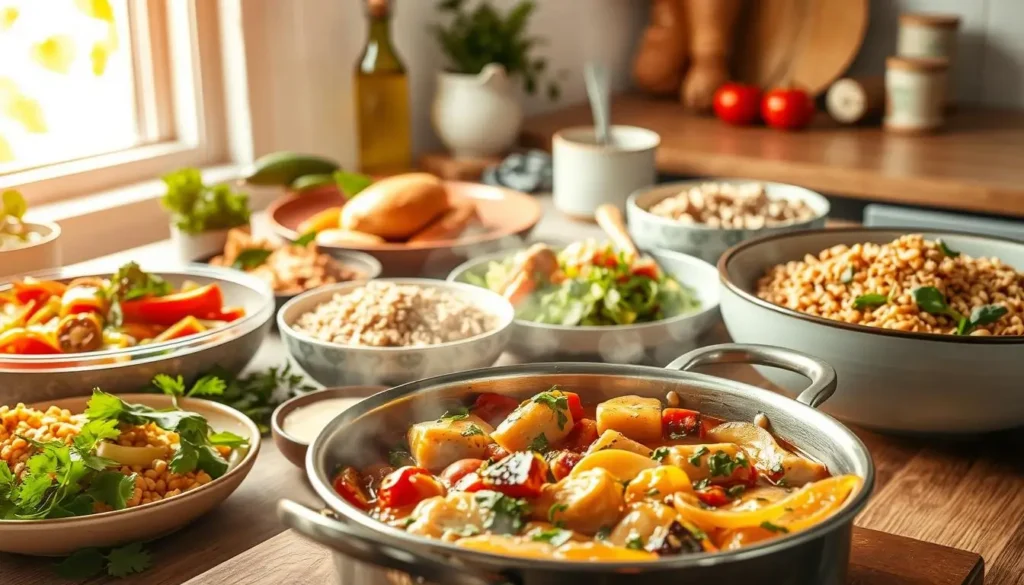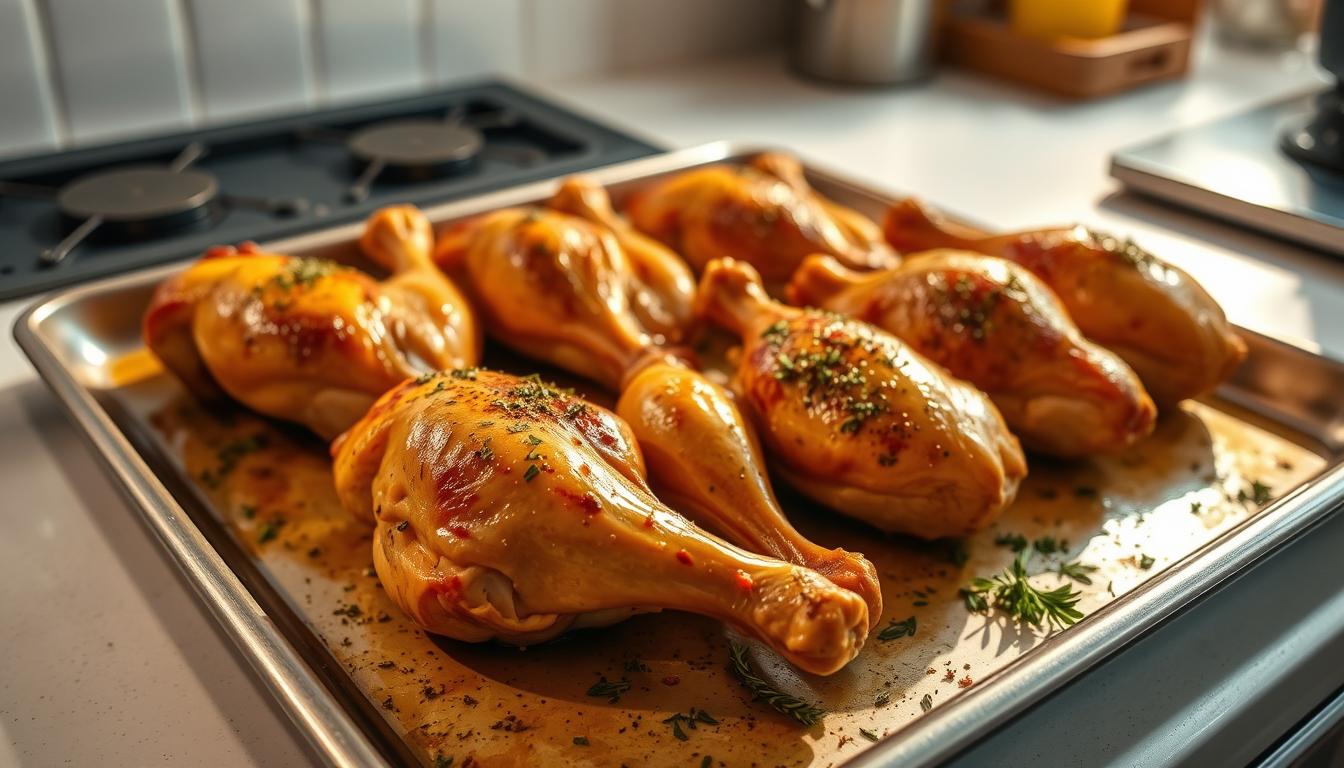
Easy & Healthy One Pot Dinner Ideas

Busy weeknights need simple and nutritious meals that taste great. One pot cooking is a great choice. It offers many easy weeknight meals that are both healthy and tasty.

Table of Contents

One Pot Dinner Ideas

One pot cooking makes a delicious meal with little cleanup. It’s perfect for those short on time. This method also keeps nutrients and flavors in your food.

Key Takeaways

  • Simple and nutritious meals with minimal cleanup
  • Variety of healthy one pot dinner recipes for weeknights
  • Retains nutrients and flavors in meals
  • Ideal for busy individuals and families
  • Enhances flavor and nutrition with one pot cooking

The Benefits of One Pot Cooking

One pot cooking has changed how we make meals. It’s great for those who want quick dinner ideas that taste good and are healthy.

Time-Saving Advantages

One pot cooking saves a lot of time. You can cook everything together, which cuts down on prep and cooking time. It’s perfect for low-effort cooking.

Celebrity chef Jamie Oliver said, “Cooking is not just about the food, it’s about the love and care you put into it.” One pot cooking lets you do that with less effort.

Fewer Dishes, Less Cleanup

It also means less dishes and cleanup. You only have one pot to wash. This is great for busy people or those who like to cook efficiently.

Enhanced Flavor Development

One pot cooking makes food taste better. All ingredients cook together, blending their flavors into a delicious dish. It’s perfect for stews and slow-cooked meals.

Budget-Friendly Meal Solutions

Lastly, it’s budget-friendly. You can use cheap ingredients and make meals stretch further. This way, you can eat well without spending a lot.

Essential Equipment for One Pot Cooking

To cook well with one pot, you need the right tools. There are many good choices. The right tools can really help your meals turn out great.

Dutch Ovens and Their Versatility

Dutch ovens are very useful in kitchens. They can do many things like braising, stewing, and baking.

Best Sizes for Family Meals

For big family meals, a big Dutch oven is best. Sizes from 5 to 7 quarts are good for 4 to 6 people.

Stovetop to Oven Convenience

Dutch ovens are great because they can go from stovetop to oven. This lets you cook in many ways.

Cast Iron Skillets for Perfect Searing

Cast iron skillets keep heat well and cook evenly. They’re perfect for searing meat and cooking veggies.

Instant Pots and Pressure Cookers

Instant Pots and pressure cookers are popular. They cook food fast without losing flavor.

Sheet Pans for Roasted One-Pan Meals

Sheet pans are great for roasting veggies and proteins in the oven. They’re very versatile.

CookwarePrimary UseBenefits
Dutch OvensBraising, Stewing, BakingVersatile, Even Heating
Cast Iron SkilletsSearing, FryingExcellent Heat Retention
Instant PotsPressure Cooking, Slow CookingTime-Saving, Versatile
Sheet PansRoastingEasy Cleanup, Versatile

Nutritional Principles for Balanced One Pot Meals

To make sure your one pot meals are healthy, learn about balanced nutrition. A good meal has protein, carbs, and veggies.

Protein, Carb, and Vegetable Ratios

A balanced meal has protein, carbs, and veggies. The right mix depends on your diet. But, a good rule is 25% protein, 40% carbs, and 35% veggies.

NutrientPercentageExamples
Protein25%Chicken, Beans, Tofu
Carbohydrates40%Rice, Quinoa, Pasta
Vegetables35%Bell Peppers, Carrots, Spinach

Incorporating Whole Grains

Adding whole grains like brown rice and quinoa makes meals better. They give you fiber and important vitamins.

Healthy Fat Sources

Healthy fats like olive oil and nuts make meals tasty and good for you. They help your heart and give you energy.

Reducing Sodium While Maximizing Flavor

To cut down on salt, use herbs and spices for flavor. Choose low-sodium broth or make your own to reduce sodium.

By using these tips, you can make tasty and healthy one pot meals. They’re great for nutritious family dinners and wholesome meal prep.

10 Healthy One Pot Dinner Recipes for Beginners

Starting with one pot dinners is easy. We’ll show you 10 healthy recipes for beginners. These meals are tasty, nutritious, and quick to make. They’re perfect for busy nights when you need a fast, healthy meal.

Greek-Style Chicken and Vegetable Skillet

This recipe is great for beginners. It has chicken, bell peppers, onions, and tomatoes. It’s ready in under 30 minutes, making it a quick and healthy meal.

One Pot Mediterranean Quinoa with Chickpeas

This dish is full of protein thanks to quinoa and chickpeas. It’s flavored with Mediterranean spices. It’s ready in about 25 minutes, making it a delicious and healthy option.

Tuscan White Bean and Kale Soup

This soup is full of beans and greens. It’s a hearty, simple recipe. It takes about 40 minutes to make, but it’s worth it for its rich flavor.

Simple Vegetable and Brown Rice Pilaf

This recipe is versatile. You can add your favorite vegetables. It’s a great way to learn about changing ingredients in one pot meals.

Ingredient Substitutions

One pot cooking is flexible. You can swap ingredients based on what you like or what you have. Try using tofu or tempeh for a vegetarian option, or different beans or veggies to keep things interesting.

Cooking Techniques

Learning basic cooking techniques can make your meals better. Searing protein before adding veggies can add flavor. Knowing when to add delicate ingredients like spinach can keep them fresh and tasty.

RecipeCooking TimeMain Ingredients
Greek-Style Chicken Skillet25 minutesChicken, Bell Peppers, Tomatoes
Mediterranean Quinoa25 minutesQuinoa, Chickpeas, Spinach
Tuscan White Bean Soup40 minutesWhite Beans, Kale, Tomatoes
Vegetable and Brown Rice Pilaf30 minutesBrown Rice, Mixed Vegetables

Family-Friendly One Pot Dinners

One pot dinners are great for busy families. They are easy weeknight meals that are also nutritious family dinners. They are simple to make and clean up is easy. This means more time to spend with your family.

Turkey Chili with Sweet Potatoes

This dish is warm and sweet. It’s a mix of chili and sweet potatoes. It’s a tasty way to eat veggies.

Veggie-Packed Beef and Barley Stew

This stew is full of veggies and beef. It’s filling and tasty. Barley adds fiber and minerals.

Lemon Garlic Chicken with Roasted Vegetables

This recipe is light and healthy. It has lemon and garlic with chicken and veggies. It’s a favorite among families.

Kid-Approved Pasta and Hidden Veggie Sauce

Kids love pasta. This sauce has hidden veggies. It’s a clever way to get them to eat veggies.

RecipeCooking TimeNutritional Highlights
Turkey Chili with Sweet Potatoes30 minutesHigh in protein, fiber, and vitamins A & C
Veggie-Packed Beef and Barley Stew45 minutesRich in iron, fiber, and antioxidants
Lemon Garlic Chicken with Roasted Vegetables25 minutesGood source of vitamin C, protein, and healthy fats
Kid-Approved Pasta and Hidden Veggie Sauce20 minutesContains vitamin A, lycopene, and complex carbohydrates

These family-friendly one pot dinners are easy and fun. They have different ingredients and flavors. This way, your family gets the nutrients they need and enjoys tasty meals.

Plant-Based One Pot Wonders
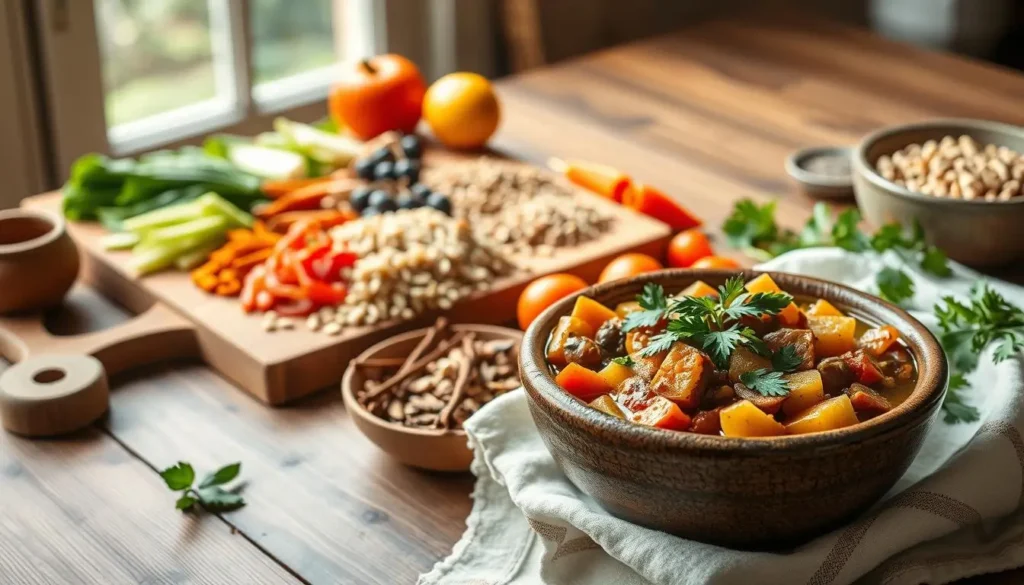
One pot cooking is now more fun with plant-based foods. It mixes flavors and nutrients well. This makes it great for quick dinner ideas and balanced dinner options.

Coconut Curry Lentil Pot

The Coconut Curry Lentil Pot is tasty and healthy. It has red or green lentils, coconut milk, and veggies. It shows how one pot cooking can make a meal both cozy and good for you.

Mexican-Inspired Black Bean and Rice Skillet

This skillet dish is full of black beans, rice, and veggies. It has Mexican spices. It’s a quick dinner idea for a busy night.

Mushroom and Barley Risotto

Mushroom and Barley Risotto is creamy and comforting. It’s made easier with one pot cooking. This way, you get a rich, velvety texture without stirring all the time.

Hearty Vegetable and Chickpea Stew

This stew is full of nutrients. It has many veggies and chickpeas in a tasty broth. It’s a balanced dinner option that’s also filling and healthy.

Protein Boosting Tips

To get enough protein in plant-based meals, add lentils, chickpeas, tofu, or tempeh. Nuts and seeds like almonds and chia seeds are also good for protein.

Flavor Enhancers

To make your one pot dishes taste better, use spices, herbs, and other ingredients. A squeeze of fresh lemon juice or a sprinkle of nutritional yeast can really improve the taste.

30-Minute Meals: Quick Dinner Ideas for Busy Weeknights

Busy weeknights need fast and tasty meals. One pot dinners are perfect. You can make a healthy dinner in 30 minutes or less.

Quick Shrimp and Vegetable Stir-Fry

A stir-fry is quick for dinner. Cook your favorite veggies and shrimp in a wok or big skillet. Serve over rice or noodles. Prep time: 10 minutes, Cook time: 15 minutes.

Speedy Taco Skillet

Tacos don’t have to take long. Cook ground beef or chicken in a skillet with taco seasoning. Serve with tortillas, cheese, and toppings. This recipe is a crowd-pleaser!

Fast Salmon and Vegetable Packets

Baking salmon and veggies in foil is healthy and easy. Season the salmon and add veggies. Bake in the oven. Prep time: 10 minutes, Cook time: 12 minutes.

Express Chicken and Vegetable Curry

Curry is tasty and quick for dinner. Use pre-cut veggies and curry sauce. Serve over rice or with naan bread.

Prep-Ahead Elements

To speed up weeknight dinners, prep ahead:

  • Chop veggies on the weekend
  • Marinate proteins early
  • Cook rice or grains ahead

Time-Saving Techniques

Save time in the kitchen with:

  1. Using one pot for meals
  2. Keeping your kitchen organized
  3. Having a stocked pantry

Use these quick one pot dinner ideas and tips. You’ll enjoy healthy, tasty meals even on busy weeknights.

Seasonal One Pot Dinner Ideas

Seasons change, and so do our meals. Using seasonal produce makes our food fresh and tasty. It also helps local farmers and is good for the planet.

Here are some tasty and easy one pot dinner ideas for each season:

Spring: Asparagus and Pea Risotto

Spring brings fresh asparagus and peas. A creamy risotto with Arborio rice, asparagus, and peas is a great spring meal. It’s a simple homemade recipe for the new season.

Summer: Ratatouille with White Beans

Summer’s veggies shine in a hearty ratatouille. Adding white beans makes it a filling meal for warm nights. It’s a wholesome meal prep for any week.

Fall: Butternut Squash and Chicken Skillet

Fall brings sweet butternut squash and chicken together. This skillet dinner is tasty and full of nutrients. It’s a comforting meal for the season.

Winter: Hearty Beef and Root Vegetable Stew

Winter calls for warm, comforting meals. A beef and root vegetable stew is just that. It’s a simple yet satisfying meal for cold nights.

These seasonal one pot dinners add variety and joy to your meals. Using fresh, seasonal ingredients makes them nourishing and delicious.

Meal Prep Strategies with Wholesome One Pot Recipes

Wholesome one pot recipes make meal prep easy. They help you have nutritious dinners every night. By prepping meals ahead, you save time and enjoy healthy food without daily cooking stress.

Batch Cooking Fundamentals

Batch cooking is key in meal prep. It means making lots of one thing or a whole meal. This is great for one pot recipes because you cook once and eat many times.

To start batch cooking, pick a recipe that’s good for big batches. Like a big stew or chili. Just multiply the ingredients and cook as usual.

Storage and Reheating Tips

Storing and reheating meals right is important. Use tight containers for fridge or freezer storage.

When reheating, heat to 165°F to keep food safe.

Storage MethodReheating Instructions
RefrigeratorReheat in microwave or on stovetop until hot
FreezerThaw overnight in refrigerator, then reheat

Freezer-Friendly One Pot Meals

Some one pot meals are great for freezing. Look for recipes with ingredients that freeze well. Like soups, stews, and casseroles.

Tip: Mark and date your frozen meals. This helps you know what you have.

Repurposing Leftovers into New Meals

Turning leftovers into new meals is smart. It cuts down on waste and gets you creative. Think of how to change last night’s dinner into tomorrow’s lunch or a new dish.

For example: Use leftover chili on baked potatoes or in salads. Or, turn roasted veggies into a salad.

Conclusion: Simplifying Healthy Eating with One Pot Cooking

One pot cooking is a big help for those who want quick and tasty meals. It saves time and makes cleaning up easier. Plus, it brings out the best flavors in your food.

Adding simple recipes to your meals makes eating healthy easier. It doesn’t matter if you’re new to cooking or have been doing it for years. There are many one pot dishes to try, like stews, skillet dinners, and grain bowls.

Using one pot cooking changes how you make meals. It makes it simpler to eat well. With the right tools and recipes, you can make yummy, healthy food. Try one pot cooking and see how it makes cooking better and more fun.

FAQ

What are some easy and healthy one pot dinner recipes?

Try Greek-Style Chicken and Vegetable Skillet. Or, make One Pot Mediterranean Quinoa with Chickpeas. Simple Vegetable and Brown Rice Pilaf is also great. These meals are tasty, healthy, and quick to make.

How can I make one pot meals more nutritious?

Mix protein, carbs, and veggies in your meals. Use whole grains and healthy fats. Cut down on salt and add lots of colorful veggies.

What are the benefits of using a Dutch oven for one pot cooking?

Dutch ovens are great for many cooking methods. They cook food evenly. You can use them on the stovetop or in the oven.

Can I meal prep with one pot recipes?

Yes, one pot recipes are perfect for meal prep. Cook big batches and store them. Reheat when you need a meal.

How can I make one pot meals more flavorful?

Use onions, garlic, and ginger for flavor. Add herbs and spices to taste. Try using broth instead of water for more taste.

Are one pot meals suitable for busy weeknights?

Yes, they’re great for busy nights. Quick to make and cook in one pot. Ready in 30 minutes or less.

Can I customize one pot recipes to suit my dietary needs?

Yes, you can change ingredients and spices. Adjust cooking methods to fit your needs.

What are some tips for cooking one pot meals in advance?

Prepare ingredients before cooking. Cook in bulk and store in airtight containers. Freeze portions for later. Reheat to a safe temperature.
Do You Like Our Recipe ?

0.0
0.0 out of 5 stars (based on 0 reviews)
Excellent0%
Very good0%
Average0%
Poor0%
Terrible0%

Easy Plant-Based Breakfast Recipes

Starting your day with a nutritious meal can change everything. Vegan breakfast ideas are great for your health and taste amazing. They’re a fantastic way to begin your morning.

With plant-based diets becoming more popular, finding easy and healthy breakfast options is simple. Whether you’re already vegan or just want to eat more plant-based meals, there are plenty of tasty choices.

Table of Contents

Exploring plant-based breakfast recipes is fun and rewarding. It lets you be creative in the kitchen and try new flavors.

Key Takeaways

  • Discover the benefits of starting your day with a nutritious, plant-based meal.
  • Explore a variety of vegan breakfast ideas to kick-start your morning.
  • Learn how to incorporate more plant-based meals into your daily routine.
  • Find inspiration for creative and delicious plant-based breakfast recipes.
  • Get started on your journey to a healthier, more sustainable breakfast routine.

The Benefits of Starting Your Day with Plant-Based Meals

Starting your day with plant-based meals is great for your health and the planet. Simple vegan breakfasts can make a big difference in how you feel and live.

Nutritional Advantages of Plant-Based Breakfasts

Plant-based breakfasts are full of good stuff like vitamins, minerals, and antioxidants. They often include whole grains, fruits, and veggies. This mix gives you fiber, protein, and healthy fats.

For example, a quinoa bowl with berries and almond milk is tasty and nutritious. A study in the Journal of the American Osteopathic Association showed that plant-based diets can lower the risk of heart disease and diabetes.

Environmental Impact of Plant-Based Eating

Eating plant-based can help the planet a lot. Animal farming causes a lot of pollution and uses a lot of water. Choosing vegan breakfasts helps make our food system better.

“The livestock sector is a major player in the global effort to combat climate change, and reducing meat consumption is one of the most effective ways to reduce our carbon footprint.”

How Plant-Based Breakfasts Can Improve Energy Levels

Plant-based breakfasts can give you more energy all day. Foods like whole grains and berries give you energy that lasts. Plus, skipping heavy meats helps avoid energy crashes later.

FoodNutritional BenefitEnergy Impact
Oatmeal with FruitsRich in Fiber and AntioxidantsSustained Energy
Almond Milk SmoothieHigh in Vitamin E and ProteinBoosts Energy
Quinoa Breakfast BowlComplete Protein and Complex CarbohydratesProvides Lasting Energy

Essential Ingredients for Your Plant-Based Breakfast Pantry

Having the right ingredients in your pantry is key for making quick vegan breakfast recipes. A well-organized pantry saves time and ensures you’re always ready for a healthy breakfast.

Let’s look at the main categories of ingredients you’ll need.

Plant-Based Protein Sources

It’s important to have different plant-based protein sources for a filling breakfast. Some great options are:

  • Tofu
  • Tempeh
  • Seitan
  • Lentils
  • Chickpeas
  • Nuts and seeds (such as almonds, chia seeds, and hemp seeds)

Whole Grains and Cereals

Whole grains and cereals give you energy and fiber. Make sure to have:

  • Oats
  • Quinoa
  • Brown rice
  • Whole wheat bread or wraps

A nutritionist says, “Whole grains are essential for a balanced diet, offering important nutrients and fiber.”

“The whole grain kernel has three parts: the bran, germ, and endosperm. Each part has different nutritional benefits.”

Fruits and Vegetables

Fruits and vegetables add sweetness, texture, and nutrients to your breakfast. Some must-haves are:

  • Berries (fresh or frozen)
  • Bananas
  • Avocados
  • Leafy greens (like spinach or kale)

Plant-Based Milk Alternatives

Plant-based milk alternatives are great for breakfast recipes. Popular choices are:

  • Almond milk
  • Soy milk
  • Coconut milk
  • Oat milk
Milk AlternativeCaloriesProtein Content
Almond Milk30-601-2g
Soy Milk80-1008-10g
Coconut Milk5505-6g
Oat Milk35-601-2g

Sweeteners and Flavor Enhancers

For extra flavor, consider natural sweeteners and flavor enhancers like:

  • Maple syrup
  • Cocoa powder
  • Vanilla extract
  • Cinnamon or other spices

By adding these essential ingredients to your pantry, you’ll be ready to make quick vegan breakfast recipes that taste great and are good for you.

Quick 5-Minute Plant-Based Breakfast Ideas

Even on the busiest mornings, you can have a quick, delicious, and nutritious plant-based breakfast. With just a few simple ingredients and some smart prep, you can enjoy a breakfast that energizes your day.

Instant Overnight Oats Variations

Overnight oats are great for busy mornings. They need only a little prep the night before and are ready in the morning.

Basic Formula for Perfect Overnight Oats

To make overnight oats, mix 1/2 cup of rolled oats, 1/2 cup of plant-based milk, and 1 tablespoon of chia seeds in a jar. Add your favorite sweetener or flavorings, then refrigerate overnight.

3 Flavor Combinations to Try

  • Strawberry Banana: Add sliced strawberries and banana to your oats, with a drizzle of maple syrup.
  • Mango Coconut: Mix in diced mango and a sprinkle of shredded coconut, with a hint of vanilla extract.
  • Peanut Butter Crunch: Stir in peanut butter and top with crushed nuts for added crunch.

Simple Fruit and Nut Butter Toast Combinations

Nut butter toast is a quick and easy breakfast. Top whole grain toast with your favorite nut butter and add sliced fruit for a nutritious and filling meal.

FruitNut ButterAdditional Toppings
BananaPeanut ButterHoney, Chia Seeds
AppleAlmond ButterCinnamon, Walnuts
BerriesCashew ButterGranola, Coconut Flakes

Ready-to-Blend Smoothie Recipes

Smoothies are a fast and convenient breakfast. Just blend your chosen ingredients and go.

Green Energy Smoothie

Blend 1 cup spinach, 1/2 banana, 1/2 cup pineapple, 1/2 cup coconut water, and 1 tablespoon chia seeds in a blender. Enjoy this refreshing, nutrient-packed breakfast.

Berry Protein Blast

Blend 1 cup mixed berries, 1/2 cup plant-based protein powder, 1/2 cup almond milk, and 1 tablespoon almond butter. This smoothie is packed with protein and antioxidants, perfect for active mornings.

These quick 5-minute plant-based breakfast ideas offer a variety of options for different tastes and dietary needs. Whether you’re craving something sweet or savory, there’s a quick and easy breakfast solution here to start your day off right.

Protein-Packed Plant-Based Breakfast Recipes

Start your day with protein-rich breakfasts that are easy and healthy. Adding protein to your morning helps keep you energized all day long. It’s a great way to kick off a productive day.

Tofu Scramble with Vegetables

A tofu scramble is a tasty and protein-rich breakfast choice. You can add your favorite veggies to make it even better. It’s a great egg substitute.

Step-by-Step Cooking Instructions

  1. Crumble tofu into a bowl and mix with turmeric, nutritional yeast, and a pinch of salt.
  2. Heat a pan with a small amount of oil and sauté diced onions, bell peppers, and mushrooms.
  3. Add the tofu mixture to the pan and stir well.
  4. Cook until the vegetables are tender and the tofu is lightly browned.

Flavor Variations

Try different spices and herbs to change the flavor. Here are some ideas:

  • Adding diced jalapeños for a spicy kick
  • Mixing in chopped fresh herbs like parsley or cilantro
  • Using smoked paprika for a smoky flavor

Chickpea Flour Omelets

Chickpea flour omelets are a nutritious and filling breakfast. They’re packed with protein and fiber. Plus, they’re gluten-free, making them good for those with dietary restrictions.

Tempeh Breakfast Sandwiches

Tempeh is a fermented soybean product that’s high in protein and probiotics. It makes a nutritious twist to a classic breakfast sandwich.

Lentil and Vegetable Breakfast Patties

These patties are made with cooked lentils, veggies, and spices. They’re then pan-fried until crispy. They’re a hearty and healthy breakfast choice.

RecipeProtein ContentPreparation Time
Tofu Scramble20g15 minutes
Chickpea Flour Omelet15g10 minutes
Tempeh Breakfast Sandwich18g12 minutes
Lentil and Vegetable Patties12g20 minutes

These protein-packed plant-based breakfasts offer a variety of options. They suit different tastes and dietary needs. Start your day with a nutritious breakfast.

Easy Plant-Based Breakfast Recipes for Meal Prep

Discover the convenience of plant-based meal prep with these delicious breakfast ideas. Meal prep is a game-changer for busy mornings. It lets you enjoy a nutritious breakfast without daily hassle.

Make-Ahead Breakfast Burritos

Start your day with a filling breakfast burrito that’s easy to prepare in advance. Fill tortillas with scrambled tofu, black beans, and your favorite vegetables. Then, wrap and refrigerate or freeze for later use.

Batch-Cooked Breakfast Cookies

Batch-cooked breakfast cookies are a healthy and convenient option. Made with oats, nuts, and dried fruits, these cookies are perfect for grabbing on the go. Prepare a batch on the weekend and enjoy throughout the week.

Freezer-Friendly Breakfast Muffins

Freezer-friendly breakfast muffins are another great meal prep option. These muffins can be made in large batches, frozen, and reheated as needed. Try making muffins with plant-based milk, whole wheat flour, and fresh berries for a delicious and healthy breakfast.

Chia Seed Pudding Variations

Chia seed pudding is a versatile breakfast option that can be prepared in advance. Mix chia seeds with plant-based milk and your choice of flavorings, such as vanilla or cocoa powder. Then, refrigerate overnight. Top with fresh fruit and nuts in the morning for added flavor and texture.

By incorporating these easy plant-based breakfast recipes into your meal prep routine, you can enjoy a variety of simple vegan breakfasts. These are both healthy and convenient.

Wholesome Plant-Based Breakfast Bowls

Breakfast bowls are a hit for a plant-based morning meal. They mix healthy ingredients into one tasty dish. These bowls look great and let you add many nutrients to your diet.

Customizable Smoothie Bowl Recipes

Smoothie bowls are a tasty way to start the day. They’re full of fruits, nuts, and seeds. You can add your favorite toppings like granola, berries, or banana slices.

To make a quick vegan breakfast, blend your favorite fruits with plant-based milk. Then, top it with healthy ingredients.

Savory Grain Bowls

Savory grain bowls are a filling breakfast choice. They have whole grains like quinoa or brown rice, topped with veggies and sometimes legumes.

  • Mediterranean-Inspired Bowl: Includes chickpeas, olives, and artichoke hearts.
  • Asian-Inspired Bowl: Features edamame, pickled ginger, and sesame seeds.

Mediterranean-Inspired Bowl

This bowl has Mediterranean flavors. It’s made with chickpeas, olives, and artichoke hearts on quinoa. It’s a flavorful and nutritious start to the day.

Asian-Inspired Bowl

Try an Asian twist with edamame, pickled ginger, and sesame seeds on brown rice. It’s tasty and full of protein and fiber.

Buddha Breakfast Bowls

Buddha bowls are nourishing. They’re filled with veggies, whole grains, and protein. They’re easy to make and can be prepared ahead of time for a quick breakfast.

Açaí and Berry Bowls

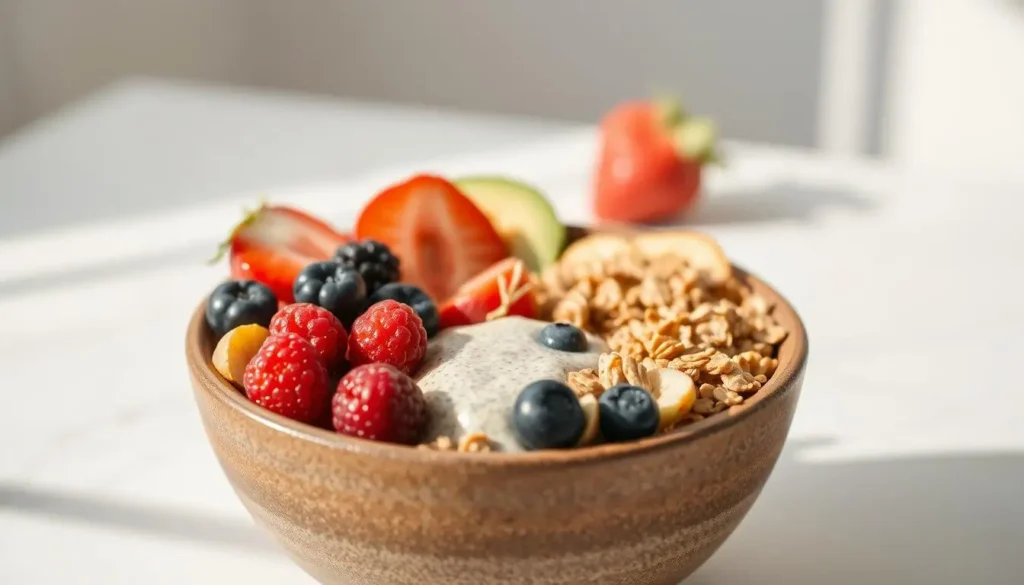
Açaí bowls are a favorite breakfast. They mix frozen açaí berries with fruits and top it with granola, fruit, and nut butters. They’re refreshing and full of antioxidants.

Adding these plant-based breakfast bowls to your morning can make it delicious and healthy. You can also customize them to fit your taste and dietary needs.

Kid-Friendly Plant-Based Breakfast Options

Plant-based breakfasts are a great way to get kids to eat healthy. They are fun and nutritious. Introducing kids to different plant-based breakfasts makes mornings fun and sets them up for a healthy day.

Fun Shaped Pancakes and Waffles

Making pancakes and waffles in shapes kids love is a simple way to make breakfast fun. Using cookie cutters turns a regular breakfast into an exciting meal.

Basic Vegan Pancake Recipe

To make vegan pancakes, you need 1 cup of all-purpose flour, 2 tablespoons of sugar, and 2 teaspoons of baking powder. Add 1/4 teaspoon of salt, 1 cup of plant-based milk, and 1/4 cup of canola oil. Mix the dry ingredients in one bowl and the wet ingredients in another. Then, combine them. Cook on a non-stick pan or griddle like regular pancakes.

Creative Toppings and Presentations

Make your pancakes and waffles more appealing with creative toppings. Try fresh fruits, maple syrup, and nut butters. They are delicious and healthy. You can even make a fruit face on top of the pancakes or waffles using berries and sliced bananas.

Colorful Fruit Parfaits

Fruit parfaits are a fun and healthy breakfast option. Layer different fruits like berries, sliced bananas, and diced mango with vegan yogurt or granola. This creates a visually appealing and nutritious breakfast.

Mini Breakfast Pizzas

Mini breakfast pizzas are a fun twist on traditional breakfast. Use whole-grain English muffins or mini pizza crusts. Add vegan cheese or hummus and top with vegetables like bell peppers, onions, and mushrooms. Bake until the crust is golden brown.

Banana Bread Oatmeal

Turning oatmeal into banana bread flavor is exciting. Cook your oatmeal with mashed banana, cinnamon, and a hint of vanilla. Top with walnuts or pecans for added crunch and nutrition.

By adding these kid-friendly plant-based breakfast options to your morning routine, you ensure your kids start their day with a nutritious and enjoyable meal.

Tips for Making Plant-Based Breakfasts Part of Your Routine

Starting your day with easy plant-based breakfasts is a great choice. It boosts your health and helps the planet. Adding these meals to your daily routine is easy and rewarding.

Weekly Meal Planning Strategies

Planning your meals ahead is crucial for a consistent plant-based breakfast. Spend some time each week planning, making a grocery list, and prepping. You can prepare overnight oats or chia seed pudding the night before. Or bake breakfast muffins or cookies.

Using a meal planning app can also help. These apps let you find new recipes, save favorites, and make grocery lists. They make organizing your meals a breeze.

Kitchen Tools That Save Time

The right kitchen tools make plant-based breakfasts quick and simple. Get a good blender for smoothies, a food processor for chopping, and a non-stick skillet for pancakes or tofu scrambles.

ToolUseBenefit
BlenderSmoothies, soupsQuick, nutrient-rich
Food ProcessorChopping, mixingSaves time, versatile
Non-stick SkilletCooking pancakes, tofuEasy cooking, less cleanup

Handling Common Challenges

Time is often a challenge. But, many healthy plant-based breakfasts can be made ahead or cooked fast. Some think plant-based diets are too restrictive or boring. But, there are countless tasty and varied options.

Converting Traditional Recipes to Plant-Based

Changing your favorite breakfast recipes to plant-based is simple. Just swap dairy milk for plant-based milk and use flaxseed or chia seed eggs instead of real eggs.

By following these tips, you’ll find it easier to keep up with your plant-based breakfasts. Enjoy the health benefits and the positive impact on the environment.

Conclusion

Starting your day with a plant-based diet can really change things. There are many simple vegan breakfasts and quick recipes to try. You can make your mornings both healthy and tasty.

There’s a wide range of options, like tofu scrambles and breakfast bowls. Adding these easy recipes to your morning can boost your energy and health. It also helps the planet.

Whether you’re always on the go or have a family to feed, vegan breakfasts are a great choice. Check out the recipes in this article. You’ll find a world of flavors and health benefits waiting for you.

FAQ

What are some easy plant-based breakfast recipes?

Easy plant-based breakfasts include overnight oats and smoothie bowls. You can also try avocado toast and tofu scramble. These recipes are quick and can be tailored to your taste.

How can I make my plant-based breakfast more protein-packed?

Add protein to your breakfast with tofu, tempeh, and chickpea flour. Lentils and plant-based protein powders also work well.

Are plant-based breakfasts suitable for meal prep?

Yes, many plant-based breakfasts are great for meal prep. Try making breakfast burritos, muffins, and chia seed pudding ahead of time. This makes mornings easier.

Can I make plant-based breakfasts kid-friendly?

Absolutely! Kids love fun-shaped pancakes and fruit parfaits. Mini breakfast pizzas and banana bread oatmeal are also hits. These dishes are healthy and fun.

How do I convert traditional breakfast recipes to plant-based?

To make traditional recipes plant-based, use plant milk instead of dairy. Replace eggs with flax or chia eggs. Choose vegan alternatives to honey and other animal products.

What are some simple vegan breakfast ideas for busy mornings?

Quick vegan breakfasts include smoothies and overnight oats. Fruit and nut butter toast is also a great option. These meals are fast and nutritious.

How can I ensure my plant-based breakfasts are nutritionally balanced?

For balanced breakfasts, mix whole grains, fruits, veggies, and plant proteins. This ensures you get all the nutrients you need.

Do You Like Our Recipe ?

0.0
0.0 out of 5 stars (based on 0 reviews)
Excellent0%
Very good0%
Average0%
Poor0%
Terrible0%

Delicious Low Carb Lunch Ideas to Fuel Your Day

“Let food be thy medicine and medicine be thy food.” This quote by Hippocrates highlights the role of food in our lives. Delicious low carb lunches offer both taste and health benefits.

Eating a balanced and nutritious lunch is key to staying energized all day. Adding healthy low carb lunch recipes to your meals can boost your health and work performance.

Exploring low carb lunches opens up a world of tasty and fulfilling choices. These options suit various tastes and dietary needs.

Key Takeaways

  • Discover the benefits of incorporating low carb lunches into your diet
  • Explore a variety of delicious and healthy lunch ideas
  • Learn how to maintain energy levels throughout the day with balanced nutrition
  • Find out how to cater to different tastes and dietary needs with low carb lunch options
  • Understand the importance of food in maintaining overall well-being

The Benefits of Low Carb Lunches for Daily Energy

Adding low carb lunches to your day can boost your energy. By choosing easy low carb lunch ideas and best low carb lunch recipes, you can feel more energetic all day.

How Low Carb Meals Prevent Afternoon Energy Crashes

Low carb meals keep your energy up by controlling blood sugar. High-carb foods cause blood sugar to spike and then drop, making you tired. But low carb lunch options give you steady energy, helping you stay alert.

Nutritional Benefits of Low Carb Eating Patterns

Low carb diets are full of nutrients like veggies, lean proteins, and healthy fats. These foods are good for your health and keep your energy up.

Who Benefits Most from Low Carb Lunch Options

Busy people, athletes, and those with blood sugar issues get a lot from low carb lunch options. They help keep energy levels high and improve overall health.

10 Healthy Low Carb Lunch Recipes Anyone Can Make

Explore these 10 healthy low carb lunch recipes that are easy and nutritious. Whether you need something quick, simple, or for special diets, we’ve got you covered.

Simple 5-Ingredient Low Carb Recipes

Keeping meals simple is key to a healthy diet. Here are some 5-ingredient low carb recipes that are easy and tasty:

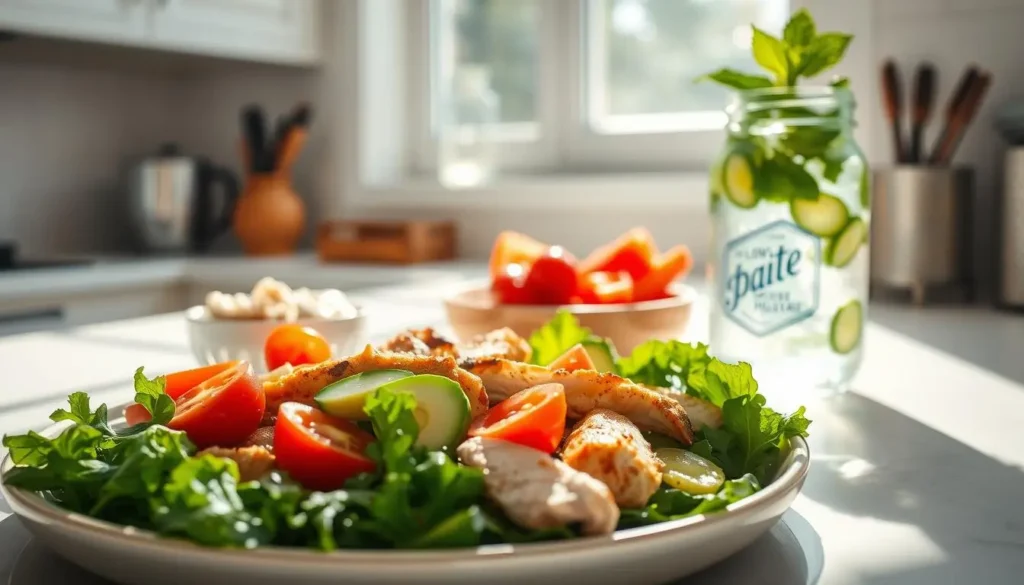
  • Grilled chicken breast with avocado, tomato, spinach, and olive oil
  • Salad with tuna, hard-boiled egg, cucumber, cherry tomatoes, and olive oil

No-Cook Low Carb Lunch Ideas

For days when cooking is not an option, try these no-cook low carb lunch ideas:

  • Low carb smoothie bowls with protein powder, almond milk, spinach, and almond butter topping
  • Cold chicken Caesar salad with romaine lettuce, grilled chicken, parmesan cheese, and Caesar dressing

Vegetarian and Vegan Low Carb Options

Plant-based diets can be delicious and fulfilling. Here are some vegetarian and vegan low carb options:

RecipeMain IngredientsCarb Count
Zucchini noodles with pesto and cherry tomatoesZucchini, pesto, cherry tomatoes5g
Cauliflower rice bowl with roasted vegetablesCauliflower, mixed vegetables7g
Vegan salad with tofu, avocado, and olive oilTofu, avocado, mixed greens6g

These recipes show the variety and ease of healthy low carb lunches. Try different ingredients to keep your meals interesting and fit your dietary needs.

Building the Perfect Low Carb Lunch: Components and Portions

Making the perfect low carb lunch is more than just cutting carbs. It’s about mixing the right foods in the right amounts. A good low carb lunch should give you energy and make you feel full.

Protein is key for a low carb lunch. It helps keep your muscles strong and keeps you full. Good protein sources are lean meats, fish, eggs, and tofu. Aim for 3-4 ounces, or the size of a deck of cards.

Low Carb Vegetables to Incorporate

Low carb veggies are full of nutrients and fiber. They’re great for your lunch. Try leafy greens, broccoli, cauliflower, and bell peppers. Choose different colors for more vitamins and minerals.

Healthy Fats and Their Role in Satiety

Healthy fats help you feel full and are good for your health. Avocados, nuts, seeds, and olive oil are good sources. Add them to your meal as dressings or toppings.

Portion Control Tips for Low Carb Success

Controlling your portions is crucial for a low carb diet. Here’s a guide to help you balance your lunch:

ComponentRecommended Portion
Protein3-4 ounces
Vegetables1-2 cups raw or 1 cup cooked
Healthy Fats1/4 cup or 1 ounce

By following these tips and trying different low carb options, like low carb lunch wraps and low carb lunch salads, you can make tasty meals that fit your diet.

Delicious Low Carb Salad Recipes That Actually Satisfy

Low carb salad recipes can be a big help if you want to eat less carbs but still enjoy tasty food. The secret to a great low carb salad is mixing protein, healthy fats, and veggies. This mix makes a meal that’s both filling and yummy.

Cobb Salad Variations Without the Carbs

A classic Cobb salad is a good base, but to make it low carb, focus on the protein and veggies. Swap the croutons for nuts or seeds for a nice crunch.

  • Use grilled chicken or bacon as your protein source.
  • Add hard-boiled eggs for extra protein.
  • Incorporate avocado for healthy fats.

Mediterranean-Inspired Low Carb Salads

Mediterranean salads are famous for their rich tastes and healthy ingredients. To keep it low carb, use olives, feta cheese, and grilled meats.

Key Ingredients:

  • Olives and olive tapenade
  • Feta cheese
  • Grilled chicken or lamb

Creamy Low Carb Dressings That Won’t Derail Your Diet

Finding creamy dressings that fit a low carb diet can be tricky. But, you can use Greek yogurt or avocado as a base.

Salad Protein Boosters and Toppings

Adding the right protein boosters and toppings can make your salad more satisfying. Here are some ideas:

Protein SourceNutritional Benefits
Grilled ChickenHigh in protein, low in carbs
BaconRich in flavor, can be low in carbs if cooked properly
SalmonHigh in omega-3 fatty acids, protein-rich

By using these ingredients and tips, you can make tasty low carb salads that are also healthy. Try different mixes to find your favorite.

Low Carb Wrap and Sandwich Alternatives

Good news for those on a low carb diet! You can still enjoy wraps and sandwiches with a few simple swaps. Whether it’s for a quick lunch or a satisfying snack, there are many low carb options for you.

Lettuce Wrap Ideas: From Tacos to Burgers

Lettuce wraps are a healthy and versatile choice. You can use large lettuce leaves for tacos, burgers, or as a low carb wrap substitute. Here are some ideas:

  • Use iceberg or butter lettuce for taco wraps.
  • Make burger wraps with large collard green leaves.
  • Try chicken or tuna salad wraps with romaine lettuce.

Best Low Carb Bread and Tortilla Options

If you still want the traditional wrap or sandwich, there are low carb bread and tortilla options. Here are some popular ones:

ProductCarb CountBrand
Low Carb Tortilla5gLa Tortilla Factory
Low Carb Bread3gUdi’s
Almond Flour Wrap2gCoconut Flour Wraps

Creative Sandwich Fillings for Low Carb Diets

Get creative with your low carb wraps and sandwiches. Here are some ideas:

  • Turkey or chicken breast with avocado and bacon.
  • Tuna salad with celery and pickle relish.
  • Grilled chicken with pesto and vegetables.

How to Keep Wraps Fresh and Crisp

To keep your low carb wraps fresh, store them in an airtight container in the fridge. For lettuce wraps, store the lettuce in a sealed bag with a paper towel to absorb moisture.

By using these ideas in your meal prep, you can enjoy easy low carb lunch ideas that are tasty and satisfying. Whether you choose lettuce wraps or low carb bread, there are many low carb lunch options to keep your diet on track.

Transforming Carb-Heavy Favorites into Low Carb Lunch Options

With a few simple swaps, you can enjoy your favorite carb-heavy dishes as low-carb lunch options. Just find the high-carb parts and swap them for lower-carb ones. This way, your diet stays interesting and you still get to enjoy your favorite tastes.

Cauliflower Rice Bowls and Stir-Fries

One popular swap is using cauliflower rice instead of regular rice. Just pulse cauliflower in a food processor until it looks like rice. Then, sauté it with your favorite stir-fry ingredients. This makes a quick low carb lunch recipe that’s both healthy and filling.

Zucchini Noodle Pasta Alternatives

Zucchini noodles, or “zoodles,” are another great swap. Use a spiralizer to make zucchini noodles. Then, top them with your favorite pasta sauces and proteins. This makes a tasty low-carb lunch meal prep option.

Pizza Reimagined: Low Carb Crusts and Toppings

Even pizza can be low-carb with the right crust. Try a cauliflower crust or one made from almond flour. Add your favorite toppings like veggies, meats, and cheeses. This way, you get a delicious and best low carb lunch recipe.

By using these ideas in your meal planning, you can enjoy many quick low carb lunch recipes. Whether you’re prepping meals ahead or cooking on the spot, these alternatives ensure you don’t have to give up flavor for health.

Low Carb Lunch Meal Prep Strategies

Meal prep for low carb lunches is efficient and satisfying. Spend a few hours on the weekend planning and preparing. This way, you can stick to your diet all week.

Weekend Prep Plan for a Week of Low Carb Lunches

Begin by planning your meals for the week. Think about your schedule and how much time you have for lunch. Pick low carb recipes that are healthy and quick to make or reheat.

  • Choose a variety of proteins and vegetables to keep meals interesting.
  • Make a shopping list based on your meal plan to ensure you have all the necessary ingredients.

Storage Solutions for Keeping Ingredients Fresh

Keeping ingredients fresh is key. Invest in airtight containers. Also, get a meal prep container set for portioning out meals.

Storage SolutionBenefits
Airtight ContainersKeep ingredients fresh, prevent moisture from affecting food quality
Meal Prep ContainersPortion control, easy to grab and go
Glass ContainersNon-toxic, can be used for both storage and reheating

Batch Cooking Proteins and Vegetables

Batch cooking saves time. It lets you prepare large amounts of one ingredient for many meals.

Freezer-Friendly Low Carb Lunch Components

Some ingredients freeze well and are great for meal prep. Prepare low carb freezer meals like cooked meats, roasted veggies, and cauliflower rice.

Using these strategies, you can enjoy tasty and healthy low carb lunches without daily prep hassle.

Restaurant and Take-Out Low Carb Lunch Solutions

Learn how to pick low carb options when eating out or ordering in. You don’t have to give up the ease of dining out or getting food delivered.

Many big restaurant chains have low carb choices. Look for dishes with lots of protein and veggies. For example, choose a grilled chicken or fish with a salad instead of fries. Places like Chipotle and Panera Bread let you make meals that fit your low carb diet.

  • Choose protein-rich main courses
  • Substitute high-carb sides with vegetables
  • Avoid sauces and dressings that are high in sugar

Fast Food Hacks for Low Carb Eaters

Fast food can still be part of a low carb diet. At McDonald’s, get a Grilled Chicken Sandwich without the bun. At Taco Bell, ask for a “Fresco” version to cut down carbs.

Best Delivery Apps and Services for Low Carb Options

Many food delivery apps now help with low carb diets. They let you filter for “healthy” or “low carb” choices. Apps like Grubhub and Uber Eats make it simple to find a meal that’s right for you.

  1. Use filters for healthy or low carb options
  2. Check nutritional information when available
  3. Customize your order to fit low carb guidelines

Conclusion: Making Low Carb Lunches a Sustainable Habit

Starting a low-carb lifestyle can greatly improve your health. Adding healthy low carb lunch recipes to your day helps your body and mind. It’s all about making choices you can keep up with for a long time.

Meal prep is key to a low-carb diet. Planning your meals helps you avoid bad carbs. You can make tasty, healthy meals that fit your diet with a bit of creativity.

Finding the right low carb lunch recipes is important. Try new ingredients and recipes to find what you like. There are many quick and fancy options to try.

Choosing a low-carb diet is a big step towards being healthier. With the right recipes and prep, you can enjoy tasty meals while staying on track.

Frequently Asked Questions

What are some healthy low-carb lunch ideas?

Healthy options include salads with protein, cauliflower rice bowls, and lettuce wraps.

How can I make a low-carb lunch satisfying?

Include protein, healthy fats, and veggies for a satisfying low-carb lunch.

What are some low-carb alternatives to traditional lunch foods?

Use lettuce wraps instead of bread and choose cauliflower rice instead of white rice.

How can I stay on track with my low-carb diet when eating out?

Research the menu and ask for low-carb options to stay on track.

Are there any low-carb lunch ideas that are also vegan?

Yes, try vegan options like salads with plant-based protein and cauliflower rice bowls.

Do You Like Our Recipe ?

0.0
0.0 out of 5 stars (based on 0 reviews)
Excellent0%
Very good0%
Average0%
Poor0%
Terrible0%

Mouth-Watering Breakfast Pastry Recipes

Imagine starting your day with a flaky, buttery croissant or a sweet, sticky danish. Delicious breakfast pastries can make your morning better. And the best part? You can make them at home easily.

With a bit of creativity and simple ingredients, you can make many mouth-watering breakfast pastries. From classic to new ideas, making breakfast pastries at home is fun and exciting.

Key Takeaways

  • Easy-to-make breakfast pastries can elevate your morning routine.
  • Simple ingredients can be used to create a variety of delicious pastries.
  • Homemade breakfast pastries offer endless possibilities for creativity.
  • You can make classic breakfast pastries at home with a few simple ingredients.
  • Experimenting with new recipes can help you discover your new favorite breakfast treat.

The Art of Breakfast Pastries

Making homemade breakfast pastries is a fun and rewarding task. It fills your home with amazing smells and gives you a sense of pride. It’s not just about following a recipe. It’s about knowing the ingredients, techniques, and tools that make them special.

Why Homemade Pastries Make Mornings Special

Homemade pastries make mornings feel extra special. They taste and feel different from store-bought ones because they’re made with love. You can also make them your own way, which is great for families or groups.

Essential Equipment for Pastry Making

To start making breakfast pastries, you’ll need some basic tools. You’ll need a mixing bowl, measuring cups, a rolling pin, and a baking sheet. The right tools make the process easier and more fun.

EquipmentUse
Mixing BowlCombining ingredients
Rolling PinRolling out dough
Baking SheetBaking pastries

Basic Ingredients You’ll Need

The basic ingredients for breakfast pastries include flour, sugar, butter, eggs, and yeast. The quality of these ingredients matters a lot. So, choose the best you can find.

Mastering the Perfect Pastry Dough

The foundation of any great breakfast pastry lies in its dough. It’s crucial to get it right. A well-made dough can elevate your breakfast pastries from good to exceptional.

Types of Pastry Dough for Breakfast

There are several types of pastry dough for breakfast pastries. Each has its unique characteristics. The most common types include:

  • Flaky Pastry Dough: Known for its layered structure, this dough is ideal for croissants and danish pastries.
  • Brioche Dough: Rich and tender, brioche is perfect for breakfast breads and pastries that require a softer texture.
  • Puff Pastry: This versatile dough is great for both sweet and savory breakfast pastries, offering a light and airy texture.

The Science Behind Flaky Layers

Achieving flaky layers in pastry dough is a result of the lamination process. This process layers butter and dough multiple times. It creates the signature flakiness when baked.

Common Dough-Making Mistakes to Avoid

To ensure your pastry dough turns out perfectly, avoid these common mistakes:

  1. Overworking the dough, which can lead to a tough texture.
  2. Insufficient resting time, resulting in poor dough elasticity.
  3. Incorrect temperature control, affecting yeast activity and dough rise.

By understanding the types of pastry dough, the science behind flaky layers, and avoiding common mistakes, you’ll be well on your way to mastering the perfect pastry dough for your breakfast creations.

Essential Breakfast Pastry Recipes for Home Bakers

Home bakers can make their mornings better with our essential breakfast pastry recipes. They are tasty and easy to make.

Choosing the right recipes is key. It depends on the ingredients, skill level, and how long they take to make and bake.

Selection Criteria for Our Recipes

We pick recipes based on a few things. We look at if the ingredients are easy to find, how simple they are to make, and how long they take to bake. Our goal is to offer recipes that are delicious and practical for home bakers.

Difficulty Levels Explained

We have recipes for all levels of bakers. Whether you’re just starting or have lots of experience, we have something for you. Our recipes range from easy to more challenging, with different techniques and ingredients.

Prep and Baking Time Overview

Knowing how long it takes to prepare and bake is important. Our recipes give you the exact times. This way, you can plan your baking and enjoy your pastries when they’re fresh.

By thinking about these things, home bakers can pick recipes that match their lifestyle. This makes breakfast a more enjoyable and fulfilling meal.

Flaky Butter Croissants from Scratch

Making flaky butter croissants from scratch is a fun baking project. It needs patience and careful attention. You’ll make a yeast dough, add butter, and shape it into croissants.

Ingredients List

Here’s what you need to make flaky butter croissants:

  • 1 1/2 cups warm milk (around 105°F to 115°F)
  • 1/4 cup granulated sugar
  • 2 teaspoons active dry yeast
  • 3 1/2 cups all-purpose flour
  • 1 teaspoon salt
  • 1/4 cup unsalted butter, melted
  • 1/2 cup unsalted butter, softened (for lamination)

Step-by-Step Instructions

Making the Dough

Start by mixing warm milk, sugar, and yeast in a bowl. Wait for the yeast to activate. Then, add flour, salt, and melted butter. Mix until it forms a shaggy dough.

Lamination Process

Roll the dough to about 1/4 inch thick. Place softened butter on half of the dough, then fold the other half over it. Roll and fold the dough several times to create layers.

Cut the dough into triangles, roll them into croissant shapes, and let them rise. Bake in a preheated oven at 400°F (200°C) for 15-20 minutes, or until golden brown.

Troubleshooting Common Croissant Problems

Common issues with homemade croissants include uneven layers, overproofing, and underbaking. Here are some tips to fix these problems:

IssueCauseSolution
Uneven LayersInconsistent butter temperatureKeep butter cold during lamination
OverproofingToo much yeast or warm environmentMonitor proofing time and temperature
UnderbakingInsufficient baking timeBake until golden brown

Fruit-Filled Danish Pastries

Making fruit-filled Danish pastries at home is simple and rewarding. They are perfect for breakfast, brunch, or dessert. Enjoy your favorite fruits in every bite.

Ingredients List

To make these pastries, you need basic ingredients. This includes flour, butter, yeast, and your favorite fruit. The dough needs cold ingredients for the right texture. You can choose from raspberry, apple, or cherry for the filling.

  • 1 cup warm milk
  • 2 teaspoons active dry yeast
  • 3 tablespoons sugar
  • 4 cups all-purpose flour
  • 1 teaspoon salt
  • 1/2 cup unsalted butter, melted
  • 1 egg, beaten (for egg wash)
  • Your choice of fruit filling

Step-by-Step Instructions

Preparing the Danish Dough

Start by mixing warm milk, yeast, and sugar. Let it sit until it’s frothy. Then, mix flour, salt, and melted butter to make the dough. Roll it out and fold it several times to get flaky layers.

Making Fruit Fillings

For the filling, mix your fruit with sugar and cornstarch. Try raspberry, strawberry, or apple. The filling should be thick enough to stay in place when baked.

Assembly and Baking

Roll out the dough and place the filling in the center. Fold the dough over the filling and seal the edges. Brush with egg wash for a golden look. Bake until they’re golden brown.

Variations to Try

Enjoy experimenting with different fillings and toppings. Try different fruit combinations or add a streusel topping for extra texture and flavor.

Quick and Easy Cinnamon Rolls

Indulge in the warmth of freshly baked cinnamon rolls with our easy recipe. Cinnamon rolls are a beloved breakfast treat. They can make any morning special. Follow our step-by-step guide to enjoy delicious homemade cinnamon rolls easily.

Ingredients List

To make these quick and easy cinnamon rolls, you’ll need the following ingredients:

  • 1 cup warm milk
  • 2 teaspoons active dry yeast
  • 3 tablespoons sugar
  • 4 cups all-purpose flour
  • 1 teaspoon salt
  • 1/4 cup unsalted butter, melted
  • 1/2 cup cinnamon sugar
  • 1/2 cup brown sugar
  • 1/2 cup chopped walnuts (optional)
  • 1 egg, beaten (for egg wash)

Step-by-Step Instructions

Follow these steps to create your cinnamon rolls:

Mixing and Rolling the Dough

Combine warm milk, yeast, and sugar in a large bowl. Let it sit until frothy. Then add flour, salt, and melted butter. Mix until a dough forms, then knead for 5-7 minutes. Roll out the dough into a large rectangle.

Creating the Perfect Filling

Spread cinnamon sugar and brown sugar evenly over the dough, leaving a border around the edges. Add chopped walnuts if desired.

Baking and Glazing

Roll the dough into a tight log, cut into rolls, and place in a baking dish. Brush with beaten egg for a golden glaze. Bake at 375°F for 18-20 minutes or until golden brown.

Make-Ahead Tips

To make your mornings even easier, prepare the dough the night before. Let it rise in the refrigerator overnight and bake in the morning. This way, you can enjoy fresh cinnamon rolls with minimal morning effort.

Savory Breakfast Pastry Recipes for Non-Sweet Mornings

Savory breakfast pastries are a tasty choice for those who don’t like sweet mornings. They are as satisfying and flavorful as sweet pastries. They make a great start to the day for those who prefer a less sweet breakfast.

Cheese and Herb Scones

Cheese and herb scones mix rich cheese with fresh herbs. You’ll need flour, cold butter, grated cheese, and herbs like parsley or chives. Keep the butter cold and don’t overmix the dough for flaky scones.

Ham and Cheese Croissants

Ham and cheese croissants are a classic savory pastry. They’re perfect for a filling breakfast. Making the dough takes time but results in flaky, buttery layers. Fill them with ham and cheese for a tasty breakfast.

Spinach and Feta Pastry Squares

Spinach and feta pastry squares are a tasty savory option. Mix cooked spinach with feta cheese and layer it in a flaky crust. This makes a deliciously savory breakfast or brunch that’s healthy and flavorful.

These savory breakfast pastry recipes suit many tastes and diets. They offer a delicious start to the day without sweet ingredients. Whether you like cheese and herbs, ham and cheese, or spinach and feta, there’s a savory pastry for you.

Time-Saving Tips for Weekday Breakfast Pastries

Enjoy homemade breakfast pastries even on busy weekdays with the right strategies. Making breakfast pastries doesn’t have to be a weekend-only task.

Freezing and Storing Techniques

Freezing your pastries is a great way to save time. Doughs like croissant or Danish pastry freeze well. Prepare the dough up to baking, freeze, and bake as needed for fresh pastries in minutes.

Overnight Preparation Methods

Preparing your pastry dough overnight is another time-saver. Many doughs rise better in the fridge, saving morning time and boosting flavor. For example, cinnamon roll dough can rise in the fridge overnight and bake in the morning.

Semi-Homemade Shortcuts

For very busy mornings, use semi-homemade shortcuts. Store-bought puff pastry or pre-made dough can be a big help. Add your own fillings and toppings to make it feel homemade. This cuts down preparation time without losing quality.

By using these tips, you can enjoy homemade breakfast pastries even on the busiest weekdays.

Serving Suggestions and Perfect Pairings

Make your morning better with tips on serving and pairing breakfast pastries. The right pairings can make your breakfast more fun and fulfilling.

Beverages That Complement Pastries

Choosing the right drink for your pastry can boost its taste. For sweet treats like croissants or Danish, try a fresh coffee or fruit tea. For savory pastries, a strong black tea or orange juice works well.

Creating a Complete Breakfast Spread

A great breakfast spread has various pastries, fruits, cheeses, and meats. Pair your homemade pastries with seasonal fruits, cheeses, or cured meats for a tasty breakfast.

Pastry TypeBeverage PairingAdditional Suggestions
Sweet CroissantsCoffee or Hot ChocolateFresh Fruit or Yogurt
Fruit-Filled DanishFruit-Infused Tea or Fresh JuiceWhipped Cream or Fresh Fruit
Savory SconesBlack Tea or Fresh JuiceCheese, Ham, or Eggs

Presentation Ideas for Special Occasions

For special days, add elegance to your breakfast. Use fancy dishes, garnish with herbs or flowers, and arrange pastries nicely.

With these tips, you can make a breakfast that everyone will remember.

Conclusion: Elevating Your Morning Routine with Homemade Pastries

Adding homemade pastries to your morning can really boost your breakfast. This article has given you recipes and tips to make your mornings better. Start your day with a delicious treat.

Learning to make flaky croissants and fruit-filled Danish pastries can warm up your mornings. They add love and joy to your routine. Homemade pastries can make your mornings special, whether for your family or just for yourself.

So, why not start baking today? Try new recipes and flavors. Soon, you’ll be making tasty pastries that will make your mornings even better.

FAQ

What is the best type of flour to use for making breakfast pastries?

All-purpose flour works well for many recipes. For flaky pastries, try pastry flour or mix all-purpose with cake flour.

How do I achieve flaky layers in my pastry dough?

Keep your butter cold and use the right folding techniques. Also, avoid overworking the dough.

Can I make breakfast pastries ahead of time?

Yes, many pastries can be made ahead. Freeze or refrigerate dough or baked goods. Use overnight prep to save time.

What are some common mistakes to avoid when making pastry dough?

Don’t overwork the dough, keep butter cold, and let the dough rest properly.

How do I store leftover breakfast pastries?

Store pastries in an airtight container at room temperature for up to 2 days. Freeze for longer storage. Reheat or thaw as needed.

Can I customize the fillings and toppings for breakfast pastries?

Absolutely! Try different fruits, nuts, cheeses, and spices to create unique flavors.

What are some beverage pairing suggestions for breakfast pastries?

Pair with coffee, tea, hot chocolate, or freshly squeezed juice. Choose something that complements your pastry’s flavors.

How can I make my breakfast pastries more visually appealing?

Use creative presentation ideas. Arrange pastries on a decorative platter or add a glaze or topping. This makes your breakfast spread inviting.

Do You Like Our Recipe ?

0.0
0.0 out of 5 stars (based on 0 reviews)
Excellent0%
Very good0%
Average0%
Poor0%
Terrible0%

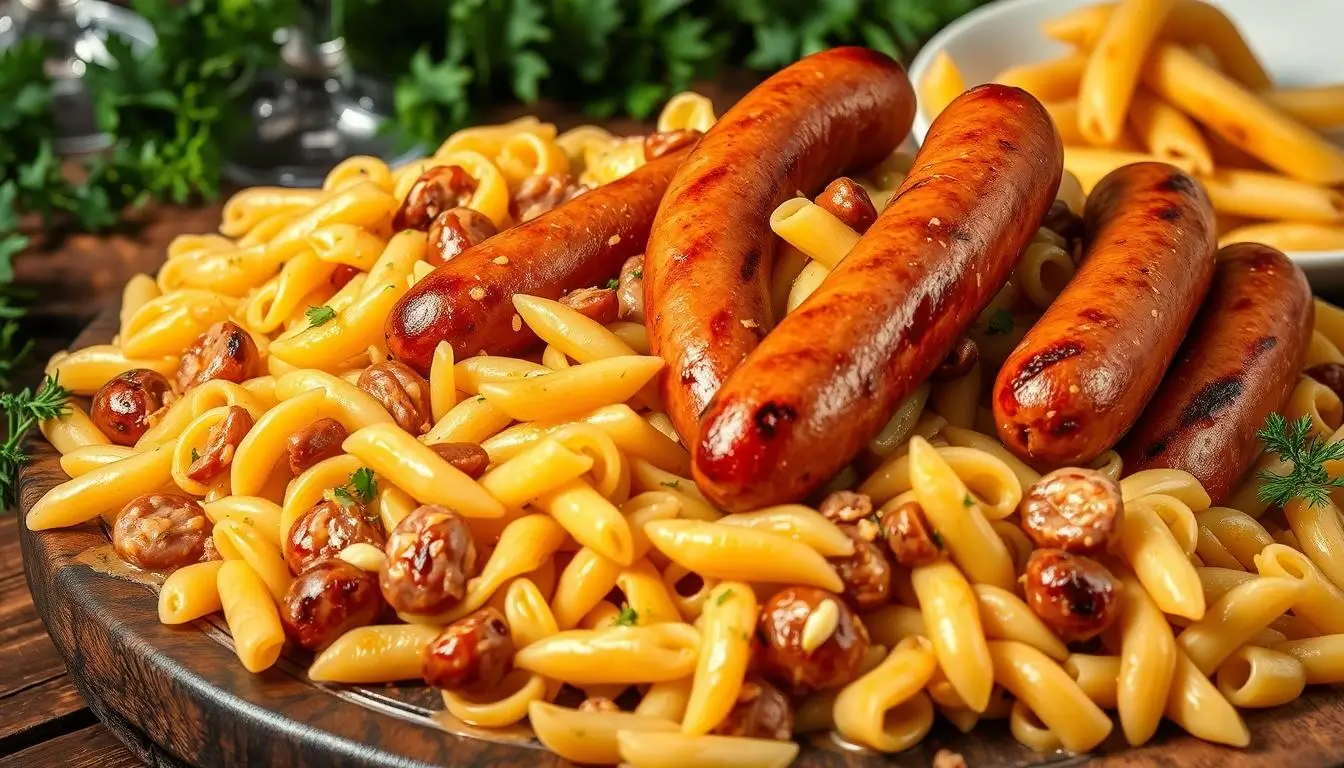
Tasty Kielbasa and Pasta Recipes: A Step-by-Step Guide

Are you looking for a hearty, flavorful dish that’s easy to prepare? Can a simple combination of kielbasa and pasta become a culinary masterpiece? The answer lies in the right cooking guide.

Table of Contents

This article provides a step-by-step guide to creating delicious kielbasa and pasta recipes. With a focus on a cooking guide and recipe tutorial, you’ll learn how to combine these ingredients into a mouth-watering meal.

Key Takeaways

  • Easy-to-follow instructions for cooking kielbasa and pasta
  • A variety of recipe ideas to suit different tastes
  • Tips on selecting the right ingredients for the best flavor
  • Step-by-step guidance on preparing a delicious meal
  • Insights into making your dish a culinary masterpiece

Understanding Kielbasa: The Perfect Meat for Pasta Dishes

Understanding kielbasa is key to unlocking a variety of delicious pasta recipes. Kielbasa, a traditional Polish sausage, has gained popularity worldwide for its rich flavor and versatility.

Types of Kielbasa Available in American Markets

There are several types of kielbasa available in American markets, each with its unique flavor profile. Some popular varieties include:

  • Smoked kielbasa, known for its deep, smoky flavor
  • Polish kielbasa, often made with pork and seasoned with garlic
  • Turkey kielbasa, a leaner alternative to traditional pork kielbasa
  • Garlic kielbasa, infused with a strong garlic flavor

Nutritional Profile of Kielbasa

Kielbasa is not only flavorful but also provides a good amount of protein. However, it’s essential to be mindful of its fat content, especially in traditional pork kielbasa. A typical serving of kielbasa (about 3 ounces) contains:

  • High protein content, around 20 grams
  • Varying fat content, ranging from 20-30 grams
  • Rich in vitamins and minerals like vitamin B12 and zinc

How to Select Quality Kielbasa

When selecting kielbasa, look for products with minimal processing and natural ingredients. Check the label for:

  • Low sodium content
  • No added nitrates or nitrites
  • High-quality meat as the first ingredient

By choosing high-quality kielbasa, you can ensure that your pasta dishes are not only delicious but also made with better ingredients.

Essential Ingredients for Delicious Kielbasa and Pasta Combinations

The art of combining kielbasa with pasta requires a thoughtful selection of ingredients. To create a harmonious dish, it’s crucial to understand the key components that come together to form a delicious meal.

Best Pasta Types to Pair with Kielbasa

Choosing the right pasta is fundamental. Penne and rigatoni are popular choices due to their tube shapes, which hold onto chunky sauces well. Fettuccine is another great option for those who prefer a creamier sauce.

Complementary Vegetables and Herbs

Vegetables add texture and flavor. Common additions include onions, bell peppers, and mushrooms. Fresh parsley or basil can add a bright, fresh note to the dish.

Sauce Options That Enhance Flavor

The sauce can make or break a kielbasa and pasta dish. Popular options include a simple tomato sauce, a creamy Alfredo, or a lighter olive oil and garlic sauce.

Pasta TypeComplementary VegetablesSauce Options
PenneOnions, Bell PeppersTomato Sauce
RigatoniMushrooms, SpinachCreamy Alfredo
FettuccineGarlic, Cherry TomatoesOlive Oil and Garlic

Kitchen Tools and Equipment You’ll Need

Equipping your kitchen with the necessary tools is the first step to creating tasty kielbasa and pasta meals. To prepare delicious kielbasa and pasta dishes, you’ll need some basic kitchen equipment.

Basic Cookware Requirements

At a minimum, you’ll need a large pot for boiling pasta, a skillet for cooking kielbasa, and a colander for draining pasta. A heavy-bottomed pot is ideal for preventing pasta from sticking, while a non-stick skillet is perfect for browning kielbasa.

Optional Tools for Advanced Recipes

For more complex recipes, consider investing in a slow cooker or an instant pot. These tools allow for a variety of cooking techniques and can simplify meal preparation.

Time-Saving Kitchen Gadgets

Gadgets like a pasta cooker or a food processor can significantly reduce cooking time. They also help in preparing ingredients and cooking pasta to the perfect doneness.

ToolPurpose
Large PotBoiling Pasta
Non-stick SkilletCooking Kielbasa
ColanderDraining Pasta

Preparation Techniques for Kielbasa

Preparing kielbasa correctly can elevate your pasta dishes to a new level. The way you slice, pre-cook, and handle kielbasa can significantly impact the final flavor and texture of your meal.

Slicing Methods for Different Dishes

The thickness and style of kielbasa slices can vary depending on the dish you’re preparing. For instance, thin slices are ideal for pasta bakes, while thicker slices work well in hearty soups. Use a sharp knife to achieve clean cuts and prevent the kielbasa from tearing.

  • Thin slices for pasta bakes and casseroles
  • Thick slices for soups and stews
  • Diagonal cuts for added visual appeal

Pre-cooking Options: Boiling vs. Grilling

Pre-cooking kielbasa can enhance its flavor and texture. Boiling is a quick method that helps retain moisture, while grilling adds a smoky flavor. Choose the method that best suits your recipe.

  1. Boiling: Place kielbasa in boiling water for 5-7 minutes.
  2. Grilling: Grill kielbasa over medium heat for 5-7 minutes per side.

Rendering Fat for Maximum Flavor

Rendering the fat from kielbasa can intensify its flavor. Cook the kielbasa in a pan over low heat, allowing the fat to melt and infuse into the dish. This technique is particularly effective in pasta sauces and skillet meals.

Mastering kielbasa and pasta recipes can elevate your meal prep game with delicious and easy-to-make dishes. These recipes are perfect for weeknight dinners or special occasions, offering a blend of flavors and textures that are sure to please.

One-Pot Kielbasa and Pasta Skillet

This recipe is a staple for busy cooks. It combines the savory flavor of kielbasa with the comfort of pasta, all in one pot.

Ingredients List

  • 1 lb kielbasa, sliced
  • 1 cup pasta of your choice
  • 2 cups chicken broth
  • 1 can diced tomatoes
  • 1 tsp dried basil
  • 1 tsp dried oregano
  • Salt and pepper to taste

Step-by-Step Cooking Instructions

  1. Brown the kielbasa in a large skillet over medium-high heat.
  2. Add pasta, chicken broth, diced tomatoes, basil, and oregano. Bring to a boil.
  3. Reduce heat to low, cover, and simmer until pasta is tender.
  4. Season with salt and pepper to taste.

Creamy Kielbasa Pasta Bake

For a richer, creamier dish, try this pasta bake that combines kielbasa with a blend of cheeses and pasta.

Ingredients List

  • 1 lb kielbasa, sliced
  • 8 oz pasta (such as penne or rigatoni)
  • 2 cups cream sauce
  • 1 cup shredded cheddar cheese
  • 1/2 cup grated Parmesan cheese
  • 1 tsp dried thyme

Step-by-Step Cooking Instructions

  1. Cook pasta according to package instructions until al dente.
  2. In a separate pan, brown kielbasa and mix with cream sauce and thyme.
  3. Combine cooked pasta, kielbasa mixture, and cheddar cheese in a baking dish.
  4. Top with Parmesan cheese and bake at 375°F until golden brown.
RecipePrep TimeCook TimeTotal Time
One-Pot Kielbasa and Pasta Skillet10 minutes20 minutes30 minutes
Creamy Kielbasa Pasta Bake15 minutes25 minutes40 minutes

These recipes showcase the versatility of kielbasa and pasta, offering options for both quick meals and more indulgent bakes. Experiment with different ingredients and spices to make these dishes your own.

Quick and Easy Weeknight Kielbasa Pasta Dishes

When weeknights get busy, a quick and delicious meal is just what you need, and kielbasa pasta dishes fit the bill perfectly. These recipes are designed to be fast, flavorful, and satisfying, making them ideal for busy home cooks.

15-Minute Kielbasa and Penne Recipe

This recipe is a lifesaver on busy nights. It’s quick, easy, and packed with flavor.

Ingredients List

  • 1 pound penne pasta
  • 1 pound kielbasa, sliced
  • 2 cloves garlic, minced
  • 1 cup cherry tomatoes, halved
  • 1 cup grated Parmesan cheese
  • 1 tablespoon olive oil
  • Salt and pepper to taste
  • Fresh basil leaves for garnish

Step-by-Step Cooking Instructions

  1. Cook the penne pasta according to package instructions until al dente.
  2. In a large skillet, heat the olive oil over medium-high heat. Add the sliced kielbasa and cook until browned.
  3. Add the minced garlic and cook for 1 minute.
  4. Stir in the cherry tomatoes and cook for 2-3 minutes.
  5. Combine the cooked penne pasta with the kielbasa mixture. Season with salt and pepper to taste.
  6. Top with grated Parmesan cheese and garnish with fresh basil leaves.

Kielbasa Pasta Soup for Busy Days

On particularly hectic days, a warm, comforting bowl of kielbasa pasta soup can be a perfect meal.

Ingredients List

  • 1 pound kielbasa, sliced
  • 1 medium onion, diced
  • 2 cloves garlic, minced
  • 4 cups chicken broth
  • 1 cup diced tomatoes
  • 1 cup small pasta shapes (like ditalini)
  • 1 teaspoon dried thyme
  • Salt and pepper to taste

Step-by-Step Cooking Instructions

  1. In a large pot, cook the sliced kielbasa over medium heat until browned.
  2. Add the diced onion and minced garlic, cooking until the onion is translucent.
  3. Pour in the chicken broth and diced tomatoes. Bring to a boil.
  4. Add the small pasta shapes and cook until al dente.
  5. Season with dried thyme, salt, and pepper to taste.
  6. Serve hot, garnished with chopped fresh parsley if desired.

These quick and easy kielbasa pasta dishes are sure to become staples in your weeknight meal rotation, providing a delicious and stress-free dining experience.

Step-by-Step Guide to Perfect Kielbasa and Pasta Recipes

The art of cooking kielbasa and pasta to perfection involves mastering several key elements. To achieve a harmonious balance of flavors and textures, it’s crucial to understand the importance of cooking timing, techniques for integrating flavors, and how to test for doneness.

Mastering the Cooking Timing

Cooking timing is critical when preparing kielbasa and pasta dishes. Overcooking can lead to tough kielbasa and mushy pasta, while undercooking can result in an unpleasant texture. To get it right, start by cooking your pasta al dente, as it will continue to cook slightly when combined with the hot kielbasa and sauce.

Techniques for Flavor Integration

Integrating flavors effectively is key to a delicious kielbasa and pasta dish. Begin by browning your kielbasa to create a rich, caramelized crust. Then, sauté your chosen vegetables until they’re tender, releasing their natural sweetness. Finally, combine your cooked pasta, kielbasa, and sauce, allowing the flavors to meld together over a few minutes of simmering.

Testing for Doneness

Testing for doneness is vital to ensure your dish is cooked to perfection. This involves checking both visual cues and texture indicators.

Visual Cues

Visual cues can provide immediate feedback on the doneness of your kielbasa and pasta. Look for a nicely browned kielbasa and pasta that is al dente. The sauce should be bubbly and slightly thickened.

Texture Indicators

Texture indicators offer a more tactile way to assess doneness. Check that your pasta is firm to the bite but not hard. The kielbasa should be firm and slightly springy to the touch. If your dish includes vegetables, they should be tender but still crisp.

IngredientVisual CueTexture Indicator
KielbasaNicely brownedFirm and springy
PastaAl dente appearanceFirm to the bite
VegetablesTender but not mushyCrisp but yields to bite

Gourmet Kielbasa and Pasta Combinations

Gourmet kielbasa and pasta combinations offer a world of flavors, from creamy fettuccine to spicy arrabbiata. These sophisticated dishes are perfect for those looking to elevate their culinary skills and impress their guests.

Kielbasa and Mushroom Fettuccine

This creamy and savory dish combines the richness of kielbasa with the earthiness of mushrooms, all wrapped up in a silky fettuccine.

Ingredients List

  • 1 pound fettuccine pasta
  • 1/2 pound kielbasa, sliced
  • 2 cups mixed mushrooms
  • 2 cloves garlic, minced
  • 1 cup heavy cream
  • 1/2 cup grated Parmesan cheese
  • Salt and pepper to taste

Step-by-Step Cooking Instructions

  1. Cook fettuccine according to package instructions.
  2. In a large skillet, sauté sliced kielbasa until browned.
  3. Add mixed mushrooms and garlic; cook until mushrooms are tender.
  4. Stir in heavy cream and bring to a simmer.
  5. Add cooked fettuccine to the skillet, tossing to coat with the creamy sauce.
  6. Top with Parmesan cheese and serve immediately.

Spicy Kielbasa Arrabbiata with Rigatoni

For those who enjoy a bit of heat, this spicy arrabbiata sauce paired with kielbasa and rigatoni makes for a thrilling culinary experience.

Ingredients List

  • 1 pound rigatoni pasta
  • 1/2 pound kielbasa, sliced
  • 2 cups arrabbiata sauce
  • 1 cup cherry tomatoes, halved
  • 1/4 cup chopped fresh basil
  • 1/4 cup grated Pecorino Romano cheese

Step-by-Step Cooking Instructions

  1. Cook rigatoni according to package instructions.
  2. In a large skillet, sauté sliced kielbasa until crispy.
  3. Add arrabbiata sauce and cherry tomatoes; simmer for 5 minutes.
  4. Toss cooked rigatoni in the skillet with the spicy sauce.
  5. Top with chopped basil and Pecorino Romano cheese.
  6. Serve hot, garnished with additional basil if desired.

These gourmet kielbasa and pasta combinations showcase the versatility and flavor that can be achieved in the kitchen. Whether you’re in the mood for something creamy or spicy, these dishes are sure to satisfy.

Healthy Adaptations of Traditional Kielbasa and Pasta Dishes

With a few simple tweaks, you can enjoy kielbasa and pasta while keeping your diet on track. Traditional kielbasa and pasta dishes can be high in calories and fat, but there are several ways to make them healthier without sacrificing flavor.

Lower-Calorie Options Using Turkey Kielbasa

One way to reduce the calorie count of kielbasa and pasta dishes is by using turkey kielbasa instead of traditional pork kielbasa. Turkey kielbasa has fewer calories and less fat, making it a healthier alternative.

Incorporating More Vegetables

Increasing the vegetable content in your kielbasa and pasta dishes not only adds fiber and nutrients but also helps to reduce the overall calorie density. Consider adding vegetables like bell peppers, spinach, and mushrooms to your recipes.

Whole Grain Pasta Alternatives

Switching from white pasta to whole grain pasta is another effective way to make your kielbasa and pasta dishes healthier. Whole grain pasta contains more fiber and nutrients compared to its white counterpart.

DishCalories per ServingFat (g)Fiber (g)
Traditional Kielbasa and Pasta550352
Healthier Version with Turkey Kielbasa and Whole Grain Pasta400206

Seasonal Kielbasa and Pasta Creations

As the seasons change, so do our culinary preferences, making it the perfect time to explore new kielbasa and pasta recipes. This versatility allows home cooks to create dishes that are not only delicious but also tailored to the freshest ingredients available during different times of the year.

Summer Kielbasa Pasta Salad

A refreshing summer pasta salad is a perfect way to enjoy kielbasa during the warmer months. This dish is light, flavorful, and ideal for outdoor gatherings.

Ingredients List

  • 1 lb kielbasa, sliced
  • 8 oz pasta of your choice
  • 2 cups cherry tomatoes, halved
  • 1 cup cucumber, diced
  • 1/4 cup olive oil
  • 2 tbsp vinegar
  • 1 tsp dried basil
  • Salt and pepper to taste

Step-by-Step Preparation

  1. Cook the pasta according to package instructions.
  2. In a large bowl, combine cooked pasta, sliced kielbasa, cherry tomatoes, and cucumber.
  3. In a small bowl, whisk together olive oil, vinegar, and dried basil.
  4. Pour the dressing over the pasta mixture and toss to combine.
  5. Season with salt and pepper to taste.

Hearty Winter Kielbasa and Pasta Casserole

For colder months, a hearty kielbasa and pasta casserole is a comforting and satisfying meal. It’s perfect for a cozy night in.

Ingredients List

  • 1 lb kielbasa, sliced
  • 12 oz pasta
  • 2 cups marinara sauce
  • 1 cup shredded mozzarella
  • 1/2 cup grated Parmesan
  • 1 cup frozen peas and carrots

Step-by-Step Preparation

  1. Preheat oven to 375°F.
  2. Cook the pasta al dente, then set aside.
  3. In a large skillet, combine sliced kielbasa and marinara sauce.
  4. In a large bowl, combine cooked pasta, kielbasa sauce mixture, and frozen vegetables.
  5. Transfer the mixture to a baking dish and top with mozzarella and Parmesan.
  6. Bake for 25-30 minutes or until the cheese is bubbly.

Troubleshooting Common Issues in Kielbasa and Pasta Cooking

Common problems can arise when cooking kielbasa and pasta, but knowing how to troubleshoot them can save the dish. Whether you’re a novice cook or an experienced chef, understanding how to address these issues is crucial for achieving a delicious meal.

Preventing Overcooked Pasta

To avoid overcooking pasta, it’s essential to monitor the cooking time closely. Most pasta types are al dente in 7-9 minutes. Use the package instructions as a guide, but test the pasta frequently towards the end of the recommended cooking time.

Balancing Flavors When Using Smoked Kielbasa

Smoked kielbasa can add a rich, savory flavor to pasta dishes, but it can also overpower other ingredients if not balanced correctly. To achieve a harmonious flavor profile, consider adding acidic ingredients like tomatoes or a splash of vinegar to counterbalance the smokiness.

Fixing Dry or Oily Sauce Problems

If your sauce is too dry, adding a small amount of pasta cooking water can help achieve the desired consistency. Conversely, if the sauce is too oily, try simmering it for a few minutes to reduce the excess fat or adding a starch-based thickener.

Salvaging Overcooked Dishes

If you’ve overcooked your kielbasa or pasta, don’t despair. For overcooked pasta, try turning it into a casserole or pasta bake. For overcooked kielbasa, slicing it thinly and adding it to a soup or stew can be a good solution.

IssueSolution
Overcooked PastaTurn into casserole or pasta bake
Unbalanced Smoked Kielbasa FlavorAdd acidic ingredients like tomatoes or vinegar
Dry SauceAdd pasta cooking water
Oily SauceSimmer to reduce excess fat or add starch-based thickener

Conclusion

As we conclude this comprehensive kielbasa and pasta guide, it’s clear that the possibilities are endless when combining these two ingredients. From understanding the different types of kielbasa to mastering various cooking techniques, we’ve explored the key elements that make a great kielbasa and pasta dish.

A cooking summary of the guide highlights the importance of selecting quality kielbasa, pairing it with the right pasta, and incorporating complementary vegetables and herbs. Whether you’re making a quick weeknight dinner or a gourmet meal, the versatility of kielbasa and pasta recipes shines through.

Now, it’s your turn to experiment with different ingredients and techniques to create your own unique kielbasa and pasta creations. Try new combinations, adjust seasoning to taste, and don’t be afraid to innovate. With this guide, you’re well-equipped to start your culinary journey and make delicious kielbasa and pasta dishes that will become family favorites.

FAQ

What type of kielbasa is best for pasta dishes?

Smoked kielbasa is a popular choice for pasta dishes due to its rich, savory flavor. However, other types like Polish kielbasa or turkey kielbasa can also be used depending on personal preference.

How do I prevent overcooking pasta when cooking kielbasa and pasta together?

To prevent overcooking, cook the pasta al dente, then drain and set aside. Cook the kielbasa separately or add it to the pasta towards the end of cooking to avoid overcooking the pasta.

Can I use whole grain pasta for kielbasa and pasta recipes?

Yes, whole grain pasta is a great alternative to traditional pasta, offering more fiber and nutrients. It pairs well with kielbasa and can be used in most recipes.

How do I balance flavors when using smoked kielbasa?

To balance the smoky flavor of kielbasa, add ingredients like garlic, onions, and herbs, and use a sauce that complements the smokiness, such as a creamy sauce or a tangy tomato sauce.

What are some common issues when cooking kielbasa and pasta, and how can I troubleshoot them?

Common issues include overcooked pasta, dry or oily sauces, and unbalanced flavors. To troubleshoot, adjust cooking times, add more sauce or liquid, and balance flavors with herbs and spices.

Can I make kielbasa and pasta dishes healthier?

Yes, you can make healthier versions by using turkey kielbasa, incorporating more vegetables, and switching to whole grain pasta. These adaptations can reduce calories and increase nutrient intake.

Are there any quick and easy kielbasa and pasta recipes for weeknights?

Yes, recipes like a 15-minute kielbasa and penne dish or a kielbasa pasta soup are perfect for busy weeknights. They require minimal ingredients and can be prepared quickly.

How do I store leftover kielbasa and pasta dishes?

Store leftovers in airtight containers in the refrigerator for up to three days. Reheat gently on the stovetop or in the microwave, adding a little water or sauce if needed to restore consistency.

Do You Like Our Recipe ?

0.0
0.0 out of 5 stars (based on 0 reviews)
Excellent0%
Very good0%
Average0%
Poor0%
Terrible0%

Baja Blast Pie: Bring the Taste of Taco Bell Home

Can a popular fast-food drink inspire a unique dessert? The answer lies in the Baja Blast Pie, a creative twist on the beloved Mountain Dew Baja Blast from Taco Bell.

This dessert brings the citrusy and refreshing taste of Baja Blast into a sweet and tangy pie, perfect for those who love experimenting with new flavors.

Making this homemade baja blast pie is surprisingly easy and fun, requiring just a few ingredients and simple steps.

Whether you’re a fan of Taco Bell’s Baja Blast or just looking for a new dessert to try, this pie is sure to delight.

Key Takeaways

  • Easy-to-follow recipe for a unique dessert
  • Inspired by the popular Taco Bell drink, Mountain Dew Baja Blast
  • Simple ingredients and steps to make a delicious homemade pie
  • Perfect for those who love trying new flavors and desserts
  • A great way to bring the taste of Taco Bell into your home

The Phenomenon of Baja Blast: From Taco Bell to Your Kitchen

Mountain Dew Baja Blast, a flavor originally introduced by Taco Bell, has transcended its roots to become a cultural phenomenon. This unique citrus flavor has not only captivated the taste buds of Taco Bell enthusiasts but has also inspired a wave of creativity in home kitchens.

The Origin Story of Mountain Dew Baja Blast

Mountain Dew Baja Blast was first introduced by Taco Bell in 2004 as a limited-time offer. However, its popularity led to it becoming a permanent fixture on Taco Bell’s menu. The flavor was later released as a retail product, allowing fans to enjoy it beyond the Taco Bell restaurants. The unique, tropical citrus flavor profile of Baja Blast differentiated it from other sodas on the market, making it an instant hit.

Why Baja Blast Has a Cult Following

The cult following of Baja Blast can be attributed to its unique taste and the nostalgia associated with it. For many, Baja Blast is more than just a soda; it’s a memory of late-night Taco Bell runs or special treats. This emotional connection, combined with its distinctive flavor, has cemented Baja Blast’s place in the hearts (and kitchens) of its fans. As a result, creative recipes like the Baja Blast Pie have emerged, allowing enthusiasts to enjoy their favorite flavor in new and exciting ways.

What Makes a Perfect Baja Blast Pie

Creating the perfect Baja Blast Pie requires a deep understanding of its key flavor components. The original Mountain Dew Baja Blast flavor is a complex mix of sweet and tangy notes that must be replicated in the pie to achieve authenticity.

The Key Flavor Components

The Baja Blast flavor profile is characterized by its citrus and tropical fruit notes. To capture this essence, the pie must include ingredients that reflect these flavors. Some of the key components include:

  • Citrus zest and juice for a tangy start
  • Tropical fruit purees to add depth
  • A hint of blueberry or berry flavor to match the drink’s color and taste

Balancing Sweet and Tangy Notes

Balancing the sweet and tangy elements is crucial for a Baja Blast Pie. The filling should have a harmonious blend of sugar and citrus that mirrors the original drink. Here are some tips to achieve this balance:

  1. Use a mix of sugar and corn syrup to achieve the right sweetness level
  2. Incorporate citrus juice and zest to introduce tanginess
  3. Adjust the amount of each component based on taste preferences

By mastering these elements, you can create a Baja Blast Pie that is both authentic and delicious.

Essential Ingredients for Your Baja Blast Pie Recipe

Assembling a Baja Blast Pie that’s both delicious and visually appealing starts with the right ingredients. To capture the essence of Taco Bell’s famous Mountain Dew Baja Blast, you’ll need to focus on the crust, the filling, and the toppings.

The Crust Components

The crust is the foundation of your Baja Blast Pie. For a traditional graham cracker crust, you’ll need graham cracker crumbs, granulated sugar, and melted butter. The graham cracker crumbs provide a crunchy base, while the sugar adds a touch of sweetness. Melted butter helps bind the mixture together, creating a firm crust.

The Signature Baja Blast Filling

The filling is where the Baja Blast flavor shines. You’ll need heavy cream, condensed milk, and Baja Blast syrup or Mountain Dew Baja Blast to create the signature taste. The heavy cream and condensed milk give the filling a rich and creamy texture, while the Baja Blast syrup or drink provides the distinctive flavor.

Topping Options That Complement the Flavor

For toppings, consider whipped cream, citrus zest, or candy pieces that match the Baja Blast flavor profile. Whipped cream adds a light and airy texture, while citrus zest provides a burst of freshness. Candy pieces can add a fun and playful touch to your pie.

IngredientQuantityPurpose
Graham cracker crumbs1 1/2 cupsCrust base
Granulated sugar1/4 cupSweetness
Melted butter1/2 cupBinding crust
Heavy cream1 cupRich texture
Condensed milk1/2 cupSweetness and creaminess
Baja Blast syrup1/4 cupSignature flavor

Kitchen Equipment You’ll Need

Before you start making your Baja Blast Pie, it’s crucial to have the right kitchen equipment. Having the proper tools not only makes the process smoother but also ensures that your pie turns out as expected.

Essential Tools

To make a basic Baja Blast Pie, you’ll need some fundamental kitchen tools. These include a mixing bowl for combining ingredients, a whisk for blending, and a pie dish to shape your pie. A measuring cups and spoons set is also essential for accurately measuring ingredients.

Here’s a summary of the essential tools in a table format:

ToolPurpose
Mixing BowlCombining ingredients
WhiskBlending ingredients
Pie DishShaping the pie
Measuring Cups and SpoonsAccurate measurement

Optional Equipment for Advanced Techniques

For those looking to experiment with advanced techniques, additional equipment can be useful. A food processor can help in making a more uniform crust, while a piping bag can be used for decorative toppings. An ice cream maker can also be used if you decide to create a frozen version of the Baja Blast Pie.

By having the right equipment, you’ll be well on your way to creating a Baja Blast Pie that’s both delicious and visually appealing.

Preparing the Perfect Baja Blast Pie Crust

Crafting the perfect crust is essential for a delicious Baja Blast Pie. The crust serves as the foundation of the pie, providing a textural contrast to the creamy filling.

Traditional Graham Cracker Method

The traditional graham cracker crust is a popular choice for Baja Blast Pie. It’s made by crushing graham crackers and mixing them with sugar and melted butter.

Measuring and Mixing

To start, measure out 1 1/2 cups of graham cracker crumbs, 1/4 cup of granulated sugar, and 6 tablespoons of melted butter. Mix these ingredients until they are well combined.

  • Use a food processor to crush the graham crackers into fine crumbs.
  • Mix the crumbs with sugar and melted butter until the mixture is evenly moistened.

Pressing and Pre-Baking

Press the graham cracker mixture into a 9-inch pie dish. Pre-bake the crust at 350°F for 8-10 minutes, or until it’s lightly browned.

  1. Press the mixture into the pie dish using a flat-bottomed measuring cup.
  2. Bake the crust until it’s lightly browned and set.

Alternative Crust Options

For those looking for variations, there are alternative crust options available. These include using a cookie crust or a nut-based crust.

  • Cookie Crust: Use crushed cookies like Oreos or chocolate sandwich cookies.
  • Nut-Based Crust: Mix ground nuts with sugar and melted butter for a crust with a nutty flavor.

Creating the Vibrant Baja Blast Filling

To recreate the vibrant taste of Baja Blast in a pie, the filling is where the magic happens. This crucial component requires careful preparation to capture the essence of the popular Taco Bell drink.

Reducing Baja Blast for Concentrated Flavor

The first step in creating the Baja Blast filling is reducing Mountain Dew Baja Blast to achieve a concentrated flavor. This process involves boiling down the drink to intensify its taste and color. Start by pouring the Baja Blast into a saucepan and bringing it to a boil. Once boiling, reduce the heat to a simmer and let it cook until it has reduced significantly, stirring occasionally. This step is crucial as it concentrates the flavor, making it more pronounced in the final pie.

Achieving the Perfect Consistency

Achieving the right consistency for the Baja Blast filling is key to its success. This involves mixing the reduced Baja Blast with other ingredients, including gelatin, to achieve a smooth and creamy texture.

Gelatin Tips and Tricks

When using gelatin, it’s essential to bloom it properly by soaking it in cold water before adding it to the warm Baja Blast reduction. This ensures that the gelatin dissolves evenly, preventing any lumps in the filling. The ratio of gelatin to liquid should be balanced to achieve the desired firmness without making the filling too rubbery.

Testing for Doneness

To test if the Baja Blast filling is done, check its consistency by chilling a small sample in the refrigerator. If it sets to your liking, it’s ready. If not, continue to cook the filling for a few more minutes and test again. This step ensures that the filling will set properly in the pie, providing a smooth and creamy texture.

Step-by-Step Baja Blast Pie Assembly

Assembling the Baja Blast Pie is a straightforward process that requires attention to detail. To ensure a smooth assembly, make sure you have all the components prepared and ready to go.

Layering Techniques

The layering process is crucial for creating a visually appealing Baja Blast Pie. Start by placing the prepared crust on a flat surface. If using a graham cracker crust, ensure it’s evenly pressed into the pan. Next, pour the Baja Blast filling into the crust, smoothing the top with a spatula.

For an added touch, consider incorporating a layer of whipped cream or a sprinkle of citrus zest on top of the filling before chilling. This not only enhances the flavor but also adds to the visual appeal.

Chilling and Setting Times

Chilling is a critical step in the assembly process, as it allows the flavors to meld together and the filling to set properly. The chilling time may vary depending on the size of the pie and the refrigerator’s temperature.

Refrigeration Guidelines

Generally, the Baja Blast Pie should be refrigerated for at least 4 hours or overnight. This allows sufficient time for the filling to set and the flavors to mature. Ensure that your refrigerator is at a consistent temperature below 40°F (4°C) to prevent any food safety issues.

Visual Cues for Perfect Setting

To determine if the pie is perfectly set, look for visual cues. The filling should be firm to the touch, and the edges should be set against the crust. If the pie is still jiggly or runny, it may need additional chilling time. Check the pie periodically until it reaches the desired consistency.

By following these step-by-step assembly instructions and paying attention to chilling and setting times, you’ll be able to create a stunning and delicious Baja Blast Pie that’s sure to impress.

Decorative Toppings and Garnishes

Elevate your Baja Blast Pie with creative toppings that will make it visually stunning and delicious. The right decorative elements can enhance both the appearance and flavor of your dessert, making it perfect for special occasions or gatherings.

Whipped Cream Variations

Whipped cream is a versatile topping that can be customized to complement the Baja Blast flavor. Consider adding a hint of citrus zest or a drizzle of syrup to give it an extra boost. You can also use flavored extracts like vanilla or coconut to create a unique twist.

Citrus and Candy Accents

Citrus elements and candy accents can add a pop of color and flavor to your Baja Blast Pie. Using fresh citrus or candy pieces can create a visually appealing contrast.

Lime Zest and Wedges

Lime zest can be sprinkled over the whipped cream or around the edges of the pie for a vibrant look. Adding lime wedges on the side or on top can also enhance the citrus flavor profile.

Crushed Candy Garnishes

Crushed candies, such as sour candies or citrus-flavored hard candies, can be sprinkled over the top for a fun and playful touch. This not only adds texture but also intensifies the flavor.

Troubleshooting Common Baja Blast Pie Issues

With these troubleshooting tips for your Baja Blast Pie, you’ll be able to enjoy a perfect dessert every time. Even with a well-crafted Baja Blast Pie recipe, issues can arise during preparation. In this section, we’ll address common problems and provide practical solutions to ensure your homemade Baja Blast Pie turns out flawlessly.

Fixing a Runny Filling

A runny filling can be a disappointment, especially after waiting for your pie to chill. To avoid this, ensure you’re using the right ratio of ingredients. If your filling is too liquid, it might be due to undercooking or insufficient thickening agents. Try refrigerating it for a longer period or adding a bit more cornstarch to thicken it.

CauseSolution
UndercookingRefrigerate longer
Insufficient thickeningAdd more cornstarch

Preventing Crust Sogginess

Sogginess in the crust can ruin the texture of your Baja Blast Pie. To prevent this, pre-bake your crust until it’s golden brown, and ensure it’s completely cooled before adding the filling. Another tip is to use a barrier like a layer of melted chocolate or a thin layer of whipped cream to separate the crust from the filling.

Storage and Make-Ahead Tips

The key to savoring your Baja Blast Pie over time lies in its storage and handling. Proper storage ensures that the pie remains fresh and retains its flavor and texture.

Refrigeration Guidelines

For short-term storage, refrigeration is the best method. Store the Baja Blast Pie in an airtight container to prevent moisture and other flavors from affecting it. The pie can be safely stored in the refrigerator for up to 3 days. When serving, allow the pie to sit at room temperature for about 15 minutes to enhance the flavors.

Freezing and Thawing Methods

For longer storage, freezing is an excellent option. Wrap the pie tightly in plastic wrap or aluminum foil and place it in a freezer-safe bag. The pie can be frozen for up to 2 months. To thaw, place the pie in the refrigerator overnight or thaw it at room temperature for a few hours. Avoid thawing in the microwave to prevent uneven thawing.

Storage MethodDurationThawing Instructions
RefrigerationUp to 3 daysNone needed
FreezingUp to 2 monthsRefrigerator overnight or room temperature for a few hours

Creative Variations of the Basic Baja Blast Pie

The versatility of the Baja Blast Pie allows for numerous exciting variations that can cater to different tastes and occasions. This flexibility makes it an ideal dessert for various events and preferences.

Frozen Baja Blast Pie Option

Transforming the Baja Blast Pie into a frozen dessert is a great way to enjoy it during warmer months. By incorporating the filling into a frozen crust or using a frozen whipped topping, you can create a refreshing twist on the original recipe. To make a frozen version, simply prepare the pie crust and filling as instructed, then freeze until set. This variation is perfect for hot summer days when a cool dessert is most appreciated.

Individual Baja Blast Pie Cups

For a more portable and personalized dessert, consider making individual Baja Blast Pie Cups. These mini desserts are perfect for parties or gatherings where guests might appreciate a single serving. Simply portion out the crust and filling into small cups or ramekins, and chill until set. This format also allows for easy customization with different toppings or garnishes.

Baja Blast Pie Popsicles

Another creative way to enjoy the Baja Blast Pie flavor is by turning it into popsicles. By blending the filling with a bit of cream or milk and freezing it in popsicle molds, you can create a fun and refreshing treat. These popsicles are especially great for kids and adults alike during the summer. You can also experiment with layering the popsicle molds with different flavors for a unique effect.

These variations showcase the adaptability of the Baja Blast Pie, making it a versatile dessert option for any occasion. Whether you’re looking for a frozen treat, individual servings, or a fun twist on traditional pie, the Baja Blast Pie can be easily adapted to suit your needs.

Conclusion: Enjoying Your Homemade Baja Blast Creation

Now that you’ve successfully made your Baja Blast Pie, it’s time to indulge in the fruits of your labor. Savor the sweet and tangy flavors that bring the essence of Taco Bell’s Mountain Dew Baja Blast to your table. Sharing your homemade baja blast pie with friends and family will surely impress, making it a perfect dessert for gatherings or special occasions.

The baja blast pie recipe is not only a unique dessert but also a versatile treat that can be adapted to various tastes. Feel free to experiment with different toppings or fillings to create your own signature version of the homemade baja blast pie. Whether you’re a fan of Taco Bell’s Baja Blast or just looking for a refreshing dessert, this pie is sure to satisfy your cravings.

As you enjoy your Baja Blast Pie, consider exploring other creative dessert ideas that can be made with similar flavors and techniques. The world of desserts is vast, and with your newfound baking skills, you’re ready to take on new challenges and create more delicious treats.

FAQ

What is a Baja Blast Pie?

A Baja Blast Pie is a dessert inspired by the popular Taco Bell drink, Mountain Dew Baja Blast. It’s a unique dessert that captures the flavor of the drink in a pie format.

What are the key ingredients for a Baja Blast Pie?

The key ingredients include Mountain Dew Baja Blast, a graham cracker crust, and a creamy filling. Additional ingredients may include gelatin, whipped cream, and citrus or candy accents for garnish.

How do I achieve the signature Baja Blast flavor in the pie?

To achieve the signature Baja Blast flavor, reduce Mountain Dew Baja Blast to concentrate its flavor. This concentrated flavor is then incorporated into the filling to give the pie its distinct taste.

Can I make a Baja Blast Pie ahead of time?

Yes, you can make a Baja Blast Pie ahead of time. It’s recommended to chill the pie in the refrigerator for several hours or overnight to allow it to set properly.

How do I prevent a soggy crust?

To prevent a soggy crust, pre-bake the graham cracker crust before adding the filling. This step helps to crisp the crust and prevent it from becoming soggy.

Can I freeze a Baja Blast Pie?

Yes, you can freeze a Baja Blast Pie. To do so, assemble the pie, chill it in the refrigerator until set, and then freeze. When you’re ready to serve, thaw the pie in the refrigerator or at room temperature.
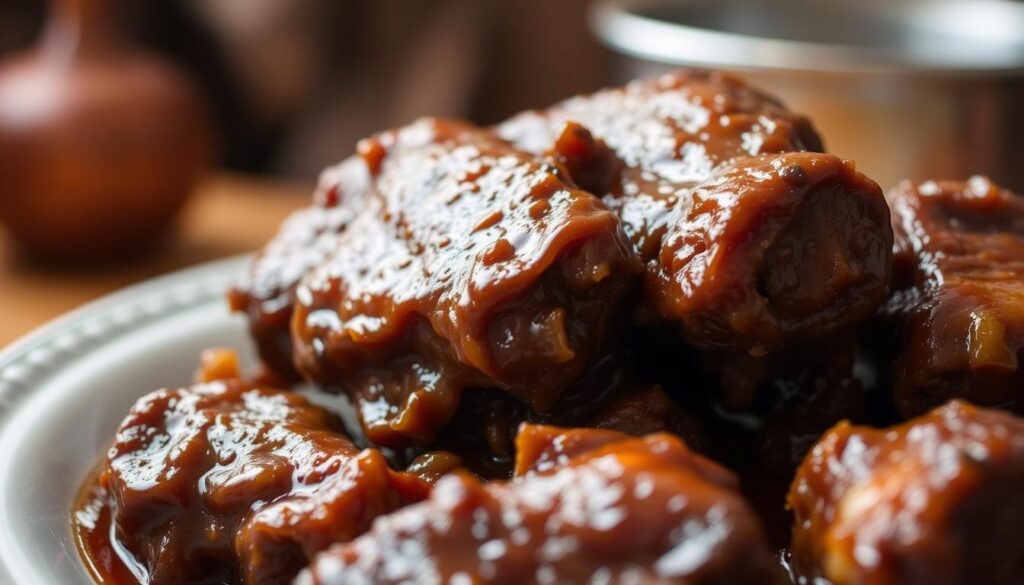
What are some creative variations of the Baja Blast Pie?

Some creative variations include a frozen Baja Blast Pie, individual Baja Blast Pie cups, and Baja Blast Pie popsicles. These variations offer different ways to enjoy the dessert.

How do I store leftover Baja Blast Pie?

Store leftover Baja Blast Pie in the refrigerator, covered with plastic wrap or aluminum foil. It’s best consumed within a few days of making.

Can I use a different type of crust for the Baja Blast Pie?

Yes, you can experiment with different types of crusts, such as a cookie crust or a nut-based crust. However, a traditional graham cracker crust is recommended for the best flavor.

How do I make a homemade Baja Blast Pie recipe?

To make a homemade Baja Blast Pie, follow a recipe that includes reducing Mountain Dew Baja Blast, preparing a graham cracker crust, and assembling the pie with a creamy filling. Chill the pie until set, and garnish with whipped cream and citrus or candy accents.

Do You Like Our Recipe ?

0.0
0.0 out of 5 stars (based on 0 reviews)
Excellent0%
Very good0%
Average0%
Poor0%
Terrible0%

Chicken Legs Baking Time: What You Need to Know

Cooking chicken legs to perfection can be a challenge, but it’s a skill worth mastering. Did you know that undercooked or overcooked chicken can be a serious health risk? In fact, according to the USDA, foodborne illnesses from poultry affect millions of people each year.

Knowing the right cooking time is crucial to achieving juicy and flavorful results. Whether you’re a seasoned chef or a beginner in the kitchen, understanding the basics of cooking chicken leg is essential.

Key Takeaways

  • Understand the importance of cooking chicken legs to the right temperature.
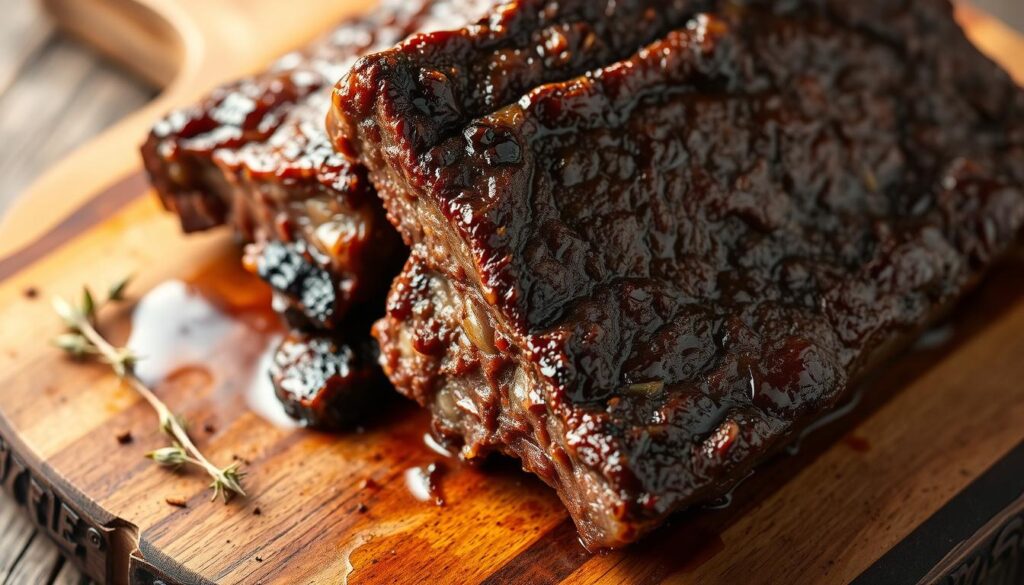
  • Learn the factors that affect cooking time.
  • Discover the recommended cooking times for different types of chicken legs.
  • Get tips for achieving perfectly cooked chicken legs.
  • Avoid common mistakes that can lead to overcooked or undercooked chicken.

The Basics of Baking Chicken Legs

Mastering the basics of baking chicken legs is essential for achieving perfectly cooked, mouth-watering results. Baking chicken legs is a popular cooking method because it allows for even cooking and browning, resulting in a crispy exterior and juicy interior. Oven-baked chicken legs are not only delicious but also relatively easy to prepare, making them a staple in many households.

Chicken legs are a favorite among home cooks for several reasons. They are affordable and versatile, making them suitable for a variety of recipes. According to a culinary expert, “Chicken legs are incredibly forgiving, making them perfect for novice cooks.” Their popularity can also be attributed to the tender meat and the ease with which they can be seasoned and cooked to perfection.

Understanding Chicken Leg Anatomy: Drumsticks vs. Thighs

Understanding the anatomy of chicken legs is crucial for effective baking. Chicken legs consist of two main parts: drumsticks and thighs. Drumsticks are the lower portion of the leg, known for their meaty texture and ease of cooking. Thighs, on the other hand, are the upper portion, often preferred for their juiciness and flavor. Knowing the difference between these two parts can help in preparing them appropriately for baking, ensuring that both are cooked to perfection.

How Long to Bake Chicken Legs: Time and Temperature Guide

Achieving succulent baked chicken legs requires a grasp of the ideal cooking duration and oven temperature. The cooking time for chicken legs can vary significantly based on whether they are bone-in or boneless, as well as the temperature of your oven.

Baking at 350°F (175°C)

Baking chicken legs at 350°F is a popular choice as it provides a good balance between cooking time and the risk of overcooking. At this temperature, you can achieve juicy and tender results.

Bone-in Chicken Legs

For bone-in chicken legs, bake for approximately 45-50 minutes. This duration allows for the heat to penetrate through the bone and cook the meat thoroughly.

Boneless Chicken Legs

Boneless chicken legs, being denser, require about 30-35 minutes at 350°F. The absence of bones means they cook faster, but it’s essential to check for doneness.

Baking at 375°F (190°C)

Increasing the temperature to 375°F reduces the cooking time. For bone-in chicken legs, bake for about 35-40 minutes, while boneless legs require around 25-30 minutes.

Baking at 400°F (205°C)

Baking at 400°F is ideal for those who prefer a crisper exterior. Bone-in legs take about 30-35 minutes, and boneless legs take approximately 20-25 minutes.

Here’s a summary of the baking times at different temperatures:

TemperatureBone-in Chicken LegsBoneless Chicken Legs
350°F (175°C)45-50 minutes30-35 minutes
375°F (190°C)35-40 minutes25-30 minutes
400°F (205°C)30-35 minutes20-25 minutes

Preparing Chicken Legs for the Oven

Preparing chicken legs for the oven involves a few key steps that can make a significant difference in the final outcome. Proper preparation ensures that the chicken legs bake evenly and are both flavorful and tender.

Washing and Patting Dry

The first step in preparing chicken legs is to wash them under cold water, removing any impurities or debris. After washing, it’s essential to pat the chicken legs dry with paper towels. This step is crucial because it removes excess moisture, which helps the chicken bake more evenly and can improve the texture of the skin.

Trimming Excess Fat and Skin

Trimming excess fat and skin from the chicken legs can enhance the overall quality of the baked chicken. Use a sharp knife to remove any visible fat or loose skin. This not only makes the chicken healthier but also helps in achieving a crisper exterior during baking.

Bringing to Room Temperature

Before baking, it’s recommended to bring the chicken legs to room temperature. This step helps the chicken cook more evenly, as it reduces the temperature gradient between the inside and the outside of the meat. Simply leave the chicken legs on the counter for about 30 minutes to 1 hour before baking.

Preparation StepImportanceBenefit
Washing and Patting DryHighEven baking and crispy skin
Trimming Excess Fat and SkinMediumHealthier and crisper chicken
Bringing to Room TemperatureHighEven cooking

Essential Equipment for Perfect Baked Chicken Legs

To bake chicken legs to perfection, you’ll need some essential tools. The right equipment can elevate your baking game and ensure your chicken is cooked to a safe internal temperature while achieving the desired texture and flavor.

Baking Sheets and Roasting Pans

A sturdy baking sheet or roasting pan is necessary for baking chicken legs. These pans allow for even heat distribution and can withstand high oven temperatures. Look for pans with a non-stick coating or use parchment paper to prevent sticking.

Wire Racks and Their Benefits

Using a wire rack on your baking sheet can improve air circulation around the chicken legs, promoting even cooking and crisping. This setup helps to prevent the chicken from steaming instead of browning.

Meat Thermometers: Your Best Friend

A meat thermometer is crucial for ensuring your chicken legs are cooked to a safe internal temperature. It’s the most accurate way to check for doneness, taking the guesswork out of cooking.

Basic Seasoning Techniques for Flavorful Chicken Legs

To achieve mouth-watering baked chicken legs, mastering basic seasoning techniques is crucial. Seasoning not only enhances the flavor but also contributes to the overall texture and appearance of the chicken.

Dry Rubs and Spice Blends

Dry rubs and spice blends are a simple yet effective way to add flavor to your chicken legs. They work by creating a crust on the surface that locks in juices.

Store-Bought Options

For convenience, you can use store-bought dry rubs and spice blends. Many brands offer a variety of flavors, from classic barbecue to spicy Cajun.

Homemade Spice Mixes

Creating your own spice mixes allows for customization. A basic mix might include paprika, garlic powder, onion powder, salt, and pepper. Experiment with different herbs and spices to find your perfect blend.

Marinades and Their Impact on Cooking Time

Marinades can significantly enhance the flavor and tenderness of chicken legs. However, they can also affect cooking time. Acidic ingredients in marinades, like vinegar or citrus, can help tenderize the meat but may require adjustments in baking time.

Brining for Extra Juiciness

Brining involves soaking the chicken in a saltwater solution before baking. This technique can result in juicier chicken legs. A basic brine can be made with water, salt, and sugar, with optional flavorings like herbs and spices.

Step-by-Step Guide to Baking Chicken Legs

To achieve deliciously baked chicken legs, follow this straightforward guide. Baking chicken legs can be a straightforward process when broken down into manageable steps.

Preheating Your Oven Properly

Preheating your oven is the first crucial step in baking chicken legs. Ensure your oven is set to the correct temperature, whether it’s 350°F, 375°F, or 400°F, depending on your recipe’s requirements. A properly preheated oven ensures even cooking.

Arranging Chicken Legs for Even Cooking

Arrange the chicken legs on a baking sheet or roasting pan in a single layer, leaving space between each leg for air to circulate. This arrangement promotes even cooking and helps achieve crispy skin.

When and How to Flip During Baking

Flipping the chicken legs halfway through the baking time can help achieve even browning and crispiness. Use tongs or a spatula to carefully turn the legs, taking care not to tear the skin.

Applying Glazes and Sauces

For added flavor, apply glazes and sauces during the last 10-15 minutes of baking. This timing prevents the glaze from burning and allows it to caramelize, enhancing the flavor and appearance of the chicken.

Resting After Baking

Once the chicken legs are done, remove them from the oven and let them rest for a few minutes. This resting period allows the juices to redistribute, making the chicken more tender and juicy.

StepDescriptionTiming
PreheatingSet oven to desired temperatureBefore baking
ArrangingPlace chicken legs in a single layerBefore baking
FlippingTurn chicken legs for even browningHalfway through baking
GlazingApply glazes and saucesLast 10-15 minutes
RestingLet chicken restAfter baking

How to Tell When Chicken Legs Are Done

Knowing when your chicken legs are fully cooked can be the difference between a delicious meal and a foodborne illness. Ensuring they are done correctly is crucial for both taste and safety.

Visual Indicators of Doneness

One way to check if chicken legs are done is by looking for visual indicators. The skin should be golden brown, and the meat should appear opaque and firm to the touch. However, relying solely on visual cues can be misleading as they can vary depending on the cooking method and seasonings used.

Using a Meat Thermometer Correctly

The most accurate way to determine if chicken legs are cooked is by using a meat thermometer. This method eliminates guesswork and ensures food safety.

Safe Internal Temperature

The USDA recommends cooking chicken to an internal temperature of at least 165°F (74°C). This temperature ensures that harmful bacteria are killed, making the chicken safe to eat.

Where to Insert the Thermometer

To get an accurate reading, insert the thermometer into the thickest part of the chicken leg, avoiding any bones or fat. This provides a true internal temperature reading.

The Juice Test

Another method to check for doneness is the juice test. When you cut into the thickest part of the chicken leg, the juices should run clear. If the juices are pink or red, the chicken needs more cooking time.

MethodDescriptionAccuracy
Visual InspectionChecking the color and firmness of the meatMedium
Meat ThermometerUsing a thermometer to check internal temperatureHigh
Juice TestChecking if the juices run clearMedium

Achieving Crispy Skin on Baked Chicken Legs

Crispy skin on baked chicken legs can elevate a simple dish to a gourmet meal. The key to achieving this lies in a combination of preparation techniques and cooking methods.

Dry Skin Technique

Drying the skin before baking is a crucial step in achieving crispiness. Pat the chicken legs dry with paper towels, both under and on top of the skin, to remove excess moisture. Letting them air dry in the refrigerator for a few hours can further enhance the drying effect.

Baking Powder Secret

Using baking powder can be a game-changer for crispy skin. Sprinkle a mixture of baking powder and your favorite seasonings under the skin or on it. The baking powder helps to dry out the skin, resulting in a crisper texture when baked.

Broiling Method

For an extra crispy finish, try broiling the chicken legs for the last few minutes of baking. This method adds a golden-brown color and crunch to the skin. Keep a close eye to prevent burning, as the skin can go from perfectly toasted to burnt quickly.

By incorporating these techniques into your baking routine, you can achieve that perfect crispy skin on your baked chicken legs. As Chef Gordon Ramsay once said, “The secret to cooking is to know when to stop; don’t overdo it.” This is particularly true when aiming for crispy skin, as overcooking can lead to dryness.

Food Safety When Cooking Chicken Legs

Ensuring food safety when cooking chicken legs is crucial to prevent foodborne illnesses. Handling and cooking chicken properly are key to a safe and enjoyable meal.

Preventing Cross-Contamination

To prevent cross-contamination, it’s essential to separate raw chicken from other foods and surfaces. Use separate cutting boards and utensils for raw chicken, and wash your hands thoroughly before and after handling it.

Safe Handling Practices

Safe handling practices include storing raw chicken in sealed containers at the bottom of the refrigerator to prevent juices from dripping onto other foods. Always check the expiration dates and look for any signs of spoilage.

Minimum Safe Cooking Temperatures

Cooking chicken legs to the right temperature is critical. Use a meat thermometer to ensure they reach an internal temperature of at least 165°F (74°C). This is the minimum safe cooking temperature to kill harmful bacteria.

By following these guidelines, you can significantly reduce the risk of foodborne illnesses associated with undercooked or improperly handled chicken legs.

Common Mistakes When Baking Chicken Legs

To achieve perfectly baked chicken legs, it’s crucial to steer clear of frequent mistakes. Baking chicken legs can be a simple and rewarding process if done correctly. However, several common errors can lead to less-than-desirable results.

Overcrowding the Pan

One of the most common mistakes is overcrowding the baking pan. When chicken legs are too close together, it can prevent even cooking and lead to steaming instead of browning. To avoid this, ensure that there is enough space between each piece for air to circulate.

Skipping the Preheating Step

Another critical mistake is skipping the preheating step. Preheating the oven ensures that it reaches the correct temperature, which is essential for cooking the chicken evenly. Skipping this step can result in undercooked or overcooked chicken.

Baking Straight from the Refrigerator

Baking chicken legs straight from the refrigerator is also a mistake. Cold chicken takes longer to cook and can lead to uneven cooking. It’s recommended to let the chicken come to room temperature before baking to ensure that it cooks more evenly.

By avoiding these common mistakes, you can achieve perfectly baked chicken legs that are juicy and flavorful. Remember, attention to detail is key to successful baking.

Delicious Recipes for Baked Chicken Legs

Baking chicken legs is an art that combines ease with the potential for complex and satisfying flavors. With a few simple ingredients and some basic techniques, you can create mouth-watering dishes that are sure to please. Here are some delicious recipes to get you started.

Classic Herb and Garlic Chicken Legs

This timeless recipe is a staple for a reason. It combines the simplicity of garlic with the freshness of herbs, creating a flavor profile that’s both comforting and sophisticated.

Ingredients

  • 4 chicken legs
  • 2 cloves of garlic, minced
  • 1 tablespoon olive oil
  • 1 tablespoon chopped fresh rosemary
  • 1 tablespoon chopped fresh thyme
  • Salt and pepper to taste

Preparation Steps

  1. Preheat oven to 400°F (205°C).
  2. Mix garlic, olive oil, rosemary, thyme, salt, and pepper in a bowl.
  3. Add chicken legs to the bowl and coat evenly.
  4. Bake for 30-35 minutes or until cooked through.

Honey Mustard Glazed Chicken Legs

For a sweeter take on baked chicken legs, try a honey mustard glaze. This recipe adds a tangy and sweet dimension that’s perfect for those looking for a different flavor profile.

  • 4 chicken legs
  • 1/4 cup honey
  • 2 tablespoons Dijon mustard
  • 1 tablespoon olive oil

Spicy Buffalo Style Chicken Legs

If you like a bit of heat, spicy buffalo style chicken legs are a great option. This recipe is perfect for those who enjoy spicy food and are looking for a flavorful twist on traditional baked chicken.

  • 4 chicken legs
  • 1/2 cup buffalo sauce
  • 1 tablespoon butter

Serving Suggestions and Side Dishes

Baked chicken legs can be served with a variety of side dishes, from roasted vegetables to mashed potatoes. Consider pairing with a fresh salad or grilled asparagus for a well-rounded meal.

Conclusion

Achieving juicy baked chicken legs is a matter of understanding the right baking techniques, seasoning methods, and food safety practices. By following the guidelines outlined in this article, you can elevate your cooking skills and impress your family and friends with deliciously baked chicken legs.

To recap, we’ve covered the basics of baking chicken legs, including the ideal baking times and temperatures, preparation techniques, and essential equipment. We’ve also explored various seasoning methods, such as dry rubs, marinades, and brining, to add flavor to your chicken legs.

By applying these baking tips, you’ll be able to achieve perfectly cooked, juicy baked chicken legs every time. Remember to always prioritize food safety by handling and cooking your chicken legs properly.

With practice and patience, you’ll become a pro at baking chicken legs, and your dishes will be the envy of everyone around you. So, get baking and enjoy the delight of perfectly cooked, juicy baked chicken legs!

FAQ

How long should I bake chicken legs in the oven?

The baking time for chicken legs depends on the temperature and whether they are bone-in or boneless. At 400°F (205°C), bone-in chicken legs typically take around 35-40 minutes to cook, while boneless chicken legs take about 25-30 minutes.

What is the best temperature for baking chicken legs?

The ideal temperature for baking chicken legs is between 350°F (175°C) and 400°F (205°C). Baking at 375°F (190°C) is also a good option, as it provides a nice balance between cooking time and crispy skin.

How do I achieve crispy skin on baked chicken legs?

To achieve crispy skin, you can try drying the skin before baking, using baking powder, or broiling the chicken legs for a few minutes after baking. These techniques help to crisp up the skin and add texture.

Can I bake chicken legs straight from the refrigerator?

It’s recommended to bring chicken legs to room temperature before baking to ensure even cooking. Baking straight from the refrigerator can lead to uneven cooking and potentially undercooked or overcooked areas.

How do I know when chicken legs are done baking?

You can check for doneness by using a meat thermometer, visual indicators, or the juice test. The internal temperature should reach 165°F (74°C) for safe consumption. Visual indicators include checking for white, firm meat, and the juice test involves checking if the juices run clear.

What are some common mistakes to avoid when baking chicken legs?

Common mistakes include overcrowding the pan, skipping the preheating step, and baking straight from the refrigerator. Avoiding these mistakes will help ensure that your chicken legs are cooked evenly and safely.

Can I use a marinade or dry rub on my chicken legs before baking?

Yes, using a marinade or dry rub can add flavor to your chicken legs. However, be aware that marinades can affect cooking time, and it’s essential to pat dry the chicken before baking to achieve crispy skin.

What are some recommended side dishes to serve with baked chicken legs?

You can serve baked chicken legs with a variety of side dishes, such as roasted vegetables, mashed potatoes, or a fresh salad. Some recipes also suggest serving with a glaze or sauce, like honey mustard or buffalo sauce.

Easy Boneless Beef Short Ribs Recipe for Delicious Meals

Cooking a tender and flavorful meal doesn’t have to be complicated. Imagine sinking your teeth into fall-off-the-bone tender boneless beef short ribs, rich with a deep, satisfying flavor. It’s a culinary experience that’s easier to achieve than you might think.

With a simple boneless beef short ribs recipe, you can create a dish that’s sure to impress. Whether you’re a seasoned chef or a kitchen novice, this recipe is designed to be straightforward and stress-free, allowing you to enjoy the process and the delicious outcome.

Key Takeaways

  • Simple steps to a delicious meal
  • Rich, fall-off-the-bone tender texture
  • Perfect for any occasion, from casual to formal
  • Easy to follow recipe for all skill levels
  • Impressive results with minimal effort

What Are Boneless Beef Short Ribs?

Understanding boneless beef short ribs begins with recognizing their distinct characteristics and the advantages they offer over traditional bone-in short ribs. Boneless beef short ribs are cut from the lower portion of the rib cage, but unlike their bone-in counterparts, they have been deboned to provide a more uniform piece of meat.

Difference Between Bone-in and Boneless Short Ribs

The primary difference between bone-in and boneless short ribs lies in the presence or absence of the bone. Bone-in short ribs have a bone that runs through the center, which can make them more flavorful due to the marrow and cartilage. On the other hand, boneless short ribs are easier to cook evenly and can be more convenient for certain recipes.

Nutritional Profile of Boneless Beef Short Ribs

Boneless beef short ribs are not only delicious, but they also offer a good nutritional profile. They are a rich source of protein, vitamins, and minerals. Below is a table highlighting their nutritional content:

NutrientAmount per 3 oz serving
Protein25g
Fat30g
Iron3mg
Zinc4mg

Why They’re Perfect for Special Meals

Boneless beef short ribs are particularly suited for special occasions due to their tender texture and rich flavor. They can be slow-cooked to perfection, making them a centerpiece for any meal. Whether you’re hosting a dinner party or celebrating a special event, boneless beef short ribs are sure to impress.

Selecting the Perfect Boneless Beef Short Ribs

To ensure your meal is nothing short of spectacular, it’s essential to pick the perfect boneless beef short ribs. The quality of the meat can significantly impact the overall flavor and tenderness of your dish.

Quality Indicators to Look For

When selecting boneless beef short ribs, there are several quality indicators to look for. First, check the marbling; meat with good marbling will be more tender and flavorful. The color is also important; the meat should have a rich red color. Additionally, consider the thickness of the ribs; they should be uniform to ensure even cooking.

Where to Buy the Best Boneless Short Ribs

You can find high-quality boneless beef short ribs at various retailers. Specialty butcher shops often carry a selection of premium meats. Many well-stocked supermarkets also have a good meat department. If you prefer shopping online, there are reputable online butchers that can deliver the meat right to your door.

Understanding Meat Grades and Pricing

Meat grades can be confusing, but understanding them can help you make an informed decision. In the United States, the USDA grades beef based on quality. The most common grades are Prime, Choice, and Select. Prime is the highest grade, known for its tenderness and marbling. Here’s a simple table to help you understand the differences:

USDA GradeMarblingTendernessPrice
PrimeAbundantVery TenderHigh
ChoiceModerateTenderModerate
SelectLessLess TenderLow

By understanding these factors, you can make an informed decision when purchasing boneless beef short ribs, ensuring a delicious and satisfying meal.

Delicious Boneless Beef Short Ribs Marinade Options

Marinating is a crucial step in preparing boneless beef short ribs that are both delicious and memorable. A well-crafted marinade can tenderize the meat, enhance its flavor, and elevate the overall dining experience.

Classic Red Wine Marinade

A classic red wine marinade is a timeless choice for boneless beef short ribs. This marinade typically includes red wine, olive oil, garlic, and herbs like thyme and rosemary. The acidity in the wine helps break down the proteins, making the meat tender and flavorful.

Asian-Inspired Soy Marinade

For an Asian-inspired flavor, a soy-based marinade is an excellent option. This marinade combines soy sauce, ginger, garlic, and sometimes honey or brown sugar for a sweet and savory taste. It’s a great way to add depth and umami flavor to your boneless beef short ribs.

Herb and Garlic Marinade

If you prefer a lighter, more aromatic flavor, an herb and garlic marinade is the way to go. This marinade features a mix of minced garlic, chopped fresh herbs like parsley and thyme, olive oil, and sometimes lemon juice. It’s a versatile option that pairs well with a variety of sides.

Proper Marinating Techniques and Times

Regardless of the marinade you choose, proper marinating techniques are essential. It’s recommended to marinate boneless beef short ribs for at least 4 hours, but overnight is best. Always marinate in the refrigerator to prevent bacterial growth.

Marinade TypeMinimum Marinating TimeRecommended Marinating Time
Classic Red Wine4 hoursOvernight
Asian-Inspired Soy4 hoursOvernight
Herb and Garlic2 hours4 hours

By choosing the right marinade and following proper marinating techniques, you can significantly enhance the flavor and tenderness of your boneless beef short ribs.

Essential Ingredients for Boneless Beef Short Ribs Recipe

Before you start cooking your boneless beef short ribs, it’s crucial to have all the necessary ingredients ready. A well-stocked kitchen ensures that your dish turns out flavorful and tender.

Base Ingredients List

The foundation of a great boneless beef short ribs recipe includes several key ingredients. You’ll need:

  • Boneless beef short ribs – The star of the dish, choose high-quality ribs for the best results.
  • Olive oil – For browning the ribs and adding richness.
  • Onions – Chopped or sliced, they add a depth of flavor.
  • Garlic – Minced or crushed, it’s a fundamental flavor component.
  • Stock or broth – Beef stock is typical, but you can also use red wine or a combination.
  • Tomato paste – Adds a concentrated tomato flavor.
  • Herbs and spices – Such as thyme, rosemary, and bay leaves for aromatic flavor.

Optional Flavor Enhancers

To customize your boneless beef short ribs recipe, consider adding some optional flavor enhancers:

  • Mushrooms – Especially button or cremini, for added texture and earthy flavor.
  • Bacon or pancetta – For a smoky, savory taste.

Substitution Options

Flexibility is key in cooking. If you can’t find or prefer not to use certain ingredients, consider these substitution options:

  • Beef broth substitute – Use chicken broth or a combination of water and red wine as a substitute.
  • Tomato paste alternative – Canned tomatoes or fresh tomatoes can be used, adjusting the quantity accordingly.

By carefully selecting your ingredients and considering substitution options, you can create a boneless beef short ribs dish that’s tailored to your taste preferences and dietary needs.

The Best Boneless Beef Short Ribs Recipe

Discover the secret to tender, fall-off-the-bone boneless beef short ribs with our easy-to-follow recipe. This dish is perfect for special occasions or a cozy night in, and it’s sure to become a favorite in your household.

Classic Braised Short Ribs

Braising is a cooking technique that involves cooking the short ribs in liquid over low heat for an extended period. This method ensures that the meat becomes tender and flavorful. Our classic braised short ribs recipe uses a rich red wine sauce to add depth and complexity to the dish.

Step-by-Step Cooking Instructions

To achieve perfectly cooked boneless beef short ribs, follow these steps:

  1. Preheat your oven to 300°F (150°C).
  2. Season the short ribs with salt, pepper, and your choice of herbs.
  3. Sear the short ribs in a hot pan until browned on all sides.
  4. Transfer the short ribs to a Dutch oven or a heavy-duty roasting pan.
  5. Add your braising liquid (such as red wine and stock) to the pan, ensuring that the short ribs are mostly submerged.
  6. Cover the pan with a lid and transfer it to the preheated oven.
  7. Braise the short ribs for 2.5 to 3 hours, or until they are tender and easily shred with a fork.

Testing for Doneness

The best way to check if your short ribs are done is by using the fork test. If the meat easily shreds and falls apart, it’s ready. You can also use a meat thermometer to check for an internal temperature of at least 160°F (71°C).

Troubleshooting Common Issues

Some common issues that may arise when cooking short ribs include tough meat or a lack of flavor. Here are some tips to help you troubleshoot:

IssueSolution
Tough meatEnsure that the short ribs are cooked for a sufficient amount of time. Braising them for at least 2.5 hours should result in tender meat.
Lack of flavorCheck your seasoning and braising liquid. Adding aromatics like onions, carrots, and celery can enhance the flavor. You can also adjust the amount of salt and herbs to taste.

By following these tips and our step-by-step cooking instructions, you’ll be able to create a delicious and memorable dish that’s sure to impress. Enjoy your perfectly cooked boneless beef short ribs!

Slow Cooker Boneless Beef Short Ribs

Slow cookers are perfect for cooking boneless beef short ribs to tender perfection. This method allows for a hands-off approach, making it ideal for busy days.

Slow Cooker Preparation Method

To prepare boneless beef short ribs in a slow cooker, start by seasoning the ribs with salt, pepper, and your choice of herbs. Then, sear the ribs in a hot pan to lock in the flavors before transferring them to the slow cooker. Add your choice of sauce or liquid, such as stock or wine, to cover the ribs.

Cooking Times and Settings

Cooking times for boneless beef short ribs in a slow cooker can vary based on the cooker’s settings. Generally, cooking on low for 8-10 hours or on high for 4-6 hours yields tender results.

Cooking SettingCooking Time
Low8-10 hours
High4-6 hours

Flavor-Boosting Tips

To enhance the flavor of your slow cooker boneless beef short ribs, consider adding aromatics like onions, garlic, and carrots to the cooker. You can also add a tablespoon of tomato paste for a rich, intense flavor.

Creating a Rich Sauce

For a rich sauce, you can thicken the cooking liquid by removing the ribs and straining the sauce, then reducing it on the stovetop or by mixing in a slurry of cornstarch and water.

By following these steps, you can create a delicious and tender slow cooker boneless beef short ribs dish that’s sure to impress.

Instant Pot Boneless Beef Short Ribs

The Instant Pot makes it easier than ever to enjoy deliciously tender boneless beef short ribs. This method significantly reduces cooking time while maintaining the rich flavors and tender texture that short ribs are known for.

Pressure Cooking Benefits

Pressure cooking in an Instant Pot offers several benefits, including reduced cooking time and enhanced flavor retention. The high pressure helps to break down the connective tissues in the meat, resulting in tender short ribs that are perfect for a variety of dishes.

Key advantages of pressure cooking:

  • Reduced cooking time
  • Enhanced flavor retention
  • Tender results

Detailed Instant Pot Instructions

To cook boneless beef short ribs in an Instant Pot, start by seasoning the ribs with your preferred spices. Then, sear the ribs using the Instant Pot’s sauté function until they are browned on all sides. Next, add your choice of liquid (such as stock or wine) to the pot, making sure to deglaze the bottom to release any browned bits.

Here’s a basic outline of the steps:

  1. Season the short ribs
  2. Sear the ribs in the Instant Pot
  3. Add liquid and deglaze the pot
  4. Close the lid and set the valve to “sealing”
  5. Cook on high pressure for 30-40 minutes

Quick Release vs. Natural Release

The method of releasing pressure after cooking can affect the final result. A quick release allows you to rapidly decrease the pressure, while a natural release lets the pressure decrease on its own over time.

When to use each method:

  • Quick release: Ideal for recipes where you want to stop the cooking process immediately.
  • Natural release: Suitable for tenderizing tougher cuts of meat, like short ribs.

Converting Traditional Recipes

To convert a traditional recipe for the Instant Pot, consider the cooking time and liquid ratio. Generally, you’ll reduce the liquid by about half and significantly reduce the cooking time compared to traditional braising methods.

By following these guidelines, you can enjoy tender and flavorful boneless beef short ribs using your Instant Pot, making it a valuable addition to your culinary repertoire.

Oven Baked Boneless Beef Short Ribs

Boneless beef short ribs can be transformed into a mouth-watering dish with the right oven baking techniques. This method allows for even cooking and can result in tender, flavorful ribs that fall off the bone.

Oven Temperature and Timing Guide

Preheating your oven to the right temperature is crucial. For oven baked boneless beef short ribs, a temperature of 300°F (150°C) is recommended. The cooking time will depend on the size and thickness of the ribs, typically ranging from 2.5 to 3 hours.

Basting and Monitoring Techniques

Basting the ribs with their cooking juices every 30 minutes can enhance flavor and tenderness. It’s also important to monitor their progress, covering them with foil if they start to brown too quickly.

Creating the Perfect Crust

For a delicious crust, remove the foil for the last 30 minutes of cooking and increase the oven temperature to broil. This will give the ribs a nicely browned exterior.

Dutch Oven vs. Baking Dish Methods

Both Dutch ovens and baking dishes can be used for oven baking boneless beef short ribs. A Dutch oven retains moisture and heat, while a baking dish allows for easier browning. The choice depends on your preference for the final texture and presentation.

Cooking MethodTemperatureCooking TimeResult
Dutch Oven300°F2.5-3 hoursTender, moist
Baking Dish300°F2.5-3 hoursBrowned exterior

By following these guidelines, you can achieve perfectly cooked oven baked boneless beef short ribs that are sure to impress.

Perfect Side Dishes and Serving Suggestions

Creating a memorable meal is easy with the right side dishes and serving suggestions for boneless beef short ribs. The key is to balance the rich flavors of the short ribs with complementary sides that enhance the overall dining experience.

Complementary Starches

Starches are a staple side dish that pairs well with boneless beef short ribs. Consider serving your short ribs with creamy mashed potatoes, garlic roasted bread, or a hearty wild rice pilaf. These options not only soak up the savory sauce but also add texture and depth to the meal.

Vegetable Pairings

To add a burst of freshness and color to your plate, incorporate roasted or sautéed vegetables. Roasted Brussels sprouts with a drizzle of balsamic glaze or sauteed spinach with garlic are excellent choices. These vegetable pairings cut through the richness of the short ribs, creating a well-rounded meal.

Wine and Beverage Recommendations

Pairing your boneless beef short ribs with the right wine or beverage can elevate the dining experience. A rich, full-bodied red wine like Cabernet Sauvignon or Syrah/Shiraz complements the bold flavors of the short ribs. For a non-wine option, consider a craft beer or a rich, spicy bourbon cocktail.

Presentation Tips for Impressive Meals

Presentation plays a crucial role in making your meal memorable. Garnish your dish with fresh herbs like thyme or rosemary to add a pop of color. Use a large, decorative platter to showcase your short ribs and sides. Consider the visual balance of your plate, ensuring a mix of colors and textures.

Side DishDescriptionPreparation Time
Mashed PotatoesCreamy potatoes with garlic and butter20 minutes
Roasted Brussels SproutsBrussels sprouts roasted with olive oil and balsamic glaze25 minutes
Wild Rice PilafHearty wild rice cooked with vegetables and herbs30 minutes

Conclusion: Enjoying Your Perfectly Cooked Boneless Beef Short Ribs

With the right techniques and a bit of patience, you can create a truly unforgettable boneless beef short ribs recipe that’s perfectly cooked to tender, fall-off-the-bone perfection.

Whether you choose to braise, slow cook, or pressure cook your short ribs, the key to success lies in cooking them low and slow, allowing the connective tissues to break down and the flavors to meld together.

As you enjoy your perfectly cooked boneless beef short ribs, be sure to savor the rich, meaty flavors and the tender texture that makes this dish a true crowd-pleaser. Experiment with different marinades and seasonings to find your favorite flavor combinations, and don’t be afraid to get creative with your sides and accompaniments.

By following the tips and techniques outlined in this article, you’ll be well on your way to becoming a boneless beef short ribs expert, capable of impressing even the most discerning dinner guests with your culinary skills.

FAQ

What is the best way to cook boneless beef short ribs?

The best way to cook boneless beef short ribs is by braising them, either on the stovetop, in the oven, or using a slow cooker or Instant Pot. This method ensures tender and flavorful results.

Can I use boneless beef short ribs for BBQ?<

Yes, boneless beef short ribs are perfect for BBQ. You can marinate them in your favorite BBQ sauce and then grill or bake them until tender and caramelized.

How long does it take to cook boneless beef short ribs in a slow cooker?

Cooking boneless beef short ribs in a slow cooker typically takes 8-10 hours on low or 4-6 hours on high, depending on the size and thickness of the ribs.

What are some good marinade options for boneless beef short ribs?

Some popular marinade options for boneless beef short ribs include classic red wine, Asian-inspired soy sauce, and herb and garlic marinades. You can also experiment with different combinations to find your favorite.

Can I cook boneless beef short ribs in the oven?

Yes, you can cook boneless beef short ribs in the oven. Simply season them, sear them in a hot pan, and then bake them in a preheated oven at 300°F (150°C) for 2-3 hours, or until tender.

How do I achieve tender boneless beef short ribs?

To achieve tender boneless beef short ribs, cook them low and slow, either by braising or using a slow cooker or Instant Pot. This breaks down the connective tissues and results in tender, fall-apart meat.

What are some good side dishes to serve with boneless beef short ribs?

Some great side dishes to serve with boneless beef short ribs include mashed potatoes, roasted vegetables, sautéed greens, and crusty bread. You can also consider serving with a side salad or grilled vegetables.

Can I make boneless beef short ribs in advance?

Yes, you can make boneless beef short ribs in advance. Simply cook them according to your chosen method, let them cool, and then refrigerate or freeze them until you’re ready to serve. Reheat them gently before serving.

Do You Like Our Recipe ?

0.0
0.0 out of 5 stars (based on 0 reviews)
Excellent0%
Very good0%
Average0%
Poor0%
Terrible0%

Easy Sushi Roll Recipe

Making sushi at home can be a fun and delicious activity. The Easy Sushi Roll Recipe is a simple way to enjoy this Japanese favorite without needing to go to a restaurant. With a few ingredients and a little practice, you can create beautiful sushi rolls that are perfect for any occasion.

Why Make This Recipe

This sushi roll recipe is perfect for anyone who loves sushi and wants to try making it at home. It allows you to choose your favorite fillings and get creative in the kitchen. Plus, it’s a great dish for sharing with friends and family. Making sushi can also be a fun cooking project, especially when you get everyone involved!

How to Make Easy Sushi Roll

Ingredients:

  • Sushi rice
  • Nori seaweed sheets
  • Fillings such as salmon, tuna, avocado, or cucumber
  • Spicy mayo
  • Soy sauce
  • Pickled ginger
  • Wasabi paste

Directions:

  1. Prepare the rice by rinsing 2 cups of Japanese short-grain rice until the water runs clear.
  2. Cook the rice with 2 cups of water until tender.
  3. Mix 4 tablespoons rice vinegar, 2 tablespoons sugar, and 2 teaspoons salt. Gently fold the vinegar mixture into the cooked rice, then let it cool.
  4. To make the rolls, place a nori sheet on a bamboo mat.
  5. Spread a thin layer of rice, leaving a small gap at the top.
  6. Add your chosen fillings in a line near the center of the rice.
  7. Roll the nori and rice over the fillings using the mat, pressing tightly.
  8. Moisten the exposed edge with water to seal the roll.
  9. Cut the roll into 8 slices with a sharp, wet knife.
  10. Serve by arranging sushi rolls on a platter and garnishing with pickled ginger and wasabi. Offer soy sauce, spicy mayo, or coconut aminos for dipping.

How to Serve Easy Sushi Roll

Serve your sushi rolls fresh on a plate with a side of soy sauce, spicy mayo, pickled ginger, and wasabi. This adds extra flavor and makes it even more enjoyable. You can add some colorful vegetables or salad on the side for a complete meal.

How to Store Easy Sushi Roll

If you have leftover sushi rolls, wrap them tightly in plastic wrap and store them in the refrigerator. They are best eaten within a day, as the rice can become hard when stored for too long. Simply enjoy them cold or let them come to room temperature before eating.

Tips to Make Easy Sushi Roll

  1. Use a sharp knife to cut the sushi rolls for clean edges.
  2. Wet your hands while handling sushi rice to prevent it from sticking.
  3. Experiment with different fillings to find your favorite combinations.

Variation

You can change up the ingredients to create different types of rolls. Try a California roll with imitation crab, avocado, and cucumber or a spicy tuna roll with fresh tuna and spicy mayo.

FAQs

Q1: Can I use regular rice instead of sushi rice?

A1: No, sushi rice is specially prepared for sushi and has the right stickiness to hold the rolls together. It’s best to use sushi rice for this recipe.

Q2: Is sushi safe to eat if I don’t use raw fish?

A2: Yes! You can use cooked fish like shrimp or crab or vegetarian fillings like vegetables and avocado to make delicious sushi rolls without raw fish.

Q3: Do I need a bamboo mat to make sushi?

A3: While a bamboo mat makes rolling sushi easier, you can also use parchment paper or just your hands if you don’t have one. Just be sure to roll tightly to keep the filling inside.

Do You Like Our Recipe ?

0.0
0.0 out of 5 stars (based on 0 reviews)
Excellent0%
Very good0%
Average0%
Poor0%
Terrible0%

Easy Homemade Turkey Sausage Recipe—Juicy & Flavorful!

Making your own turkey sausages at home is a fun and rewarding experience! Not only are they tasty, but you can also control the ingredients, making them healthier than store-bought options. This Turkey Sausage Recipe is easy to follow and perfect for breakfast or brunch.

Why Make This Recipe

This Turkey Sausage Recipe is great for a busy morning or a weekend family breakfast. It’s full of flavor and easy to prepare. Plus, you can customize it with your favorite herbs and spices. Once you try these sausages, you’ll want to make them again and again!

How to Make Turkey Sausage

Ingredients:

  • 5 lbs lean ground turkey
  • Olive oil
  • Kosher salt
  • Black pepper
  • Dried sage
  • Garlic powder
  • Brown sugar or maple syrup
  • Onions or garlic (optional)

Directions:

  1. Finely chop your onions or garlic if you’re using them.
  2. In a large bowl, mix all the ingredients until the seasonings are evenly distributed.
  3. Shape the mixture into patties or links based on your preference.
  4. Cook the sausages on a grill at medium-high heat for 2-3 minutes per side. Alternatively, you can bake them in the oven at 380°F for 18-20 minutes, flipping them halfway through.
  5. Use a meat thermometer to check that the internal temperature reaches 165°F.
  6. Let the sausages rest for 5-10 minutes before serving.

How to Serve Turkey Sausage

Serve these delicious turkey sausages with eggs and toast for a hearty breakfast, or add them to breakfast sandwiches, frittatas, or your favorite brunch dishes. They also go perfectly with pancakes or waffles!

How to Store Turkey Sausage

If you have leftovers, let the sausages cool completely. Store them in an airtight container in the fridge for up to 5 days. You can also freeze them for up to 3 months. Just thaw in the fridge overnight before reheating.

Tips to Make Turkey Sausage

  • Don’t overcook the sausages to avoid dryness. Let them rest to keep them juicy.
  • Avoid packing the meat too tightly when forming sausages for the best texture.
  • Feel free to experiment with your favorite spices to make uniquely flavored sausages!

Variation

For a spicy kick, add red pepper flakes or diced chipotle peppers to the mixture. If you prefer a sweeter taste, include a little extra maple syrup.

FAQs

1. Can I use a different type of meat?
Yes, you can use chicken or pork instead of turkey, but the cooking times may vary.

2. How do I know when the sausages are done?
Use a meat thermometer to check that the internal temperature has reached 165°F before serving.

3. Can I make these sausages ahead of time?
Yes! You can make the mixture ahead of time and store it in the fridge. Just shape and cook them when you’re ready to eat.

Now, enjoy your homemade turkey sausages! They’ll surely become a favorite in your home.

Do You Like Our Recipe ?

0.0
0.0 out of 5 stars (based on 0 reviews)
Excellent0%
Very good0%
Average0%
Poor0%
Terrible0%

Get The Best Recipes In 2025

Exit mobile version