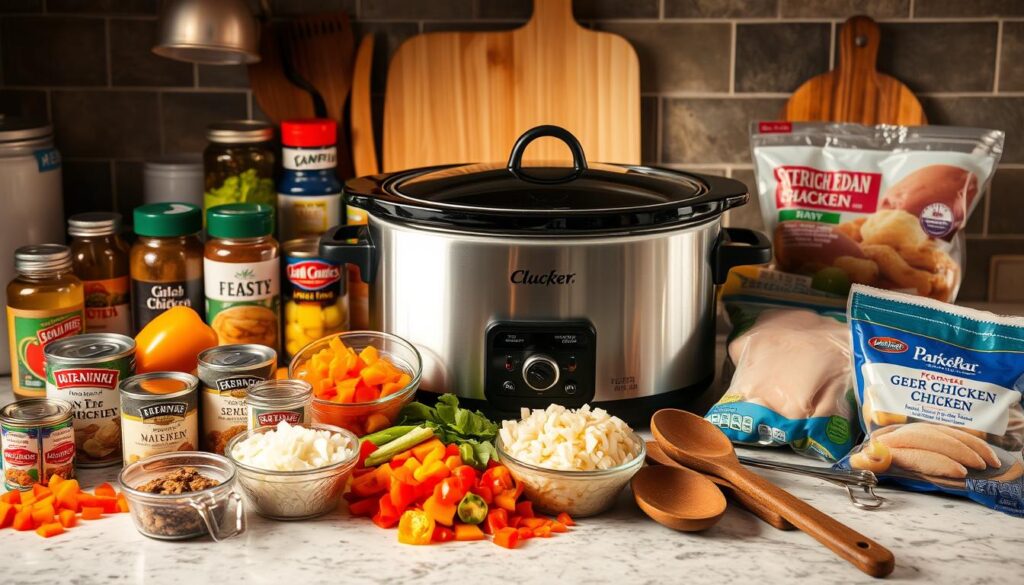
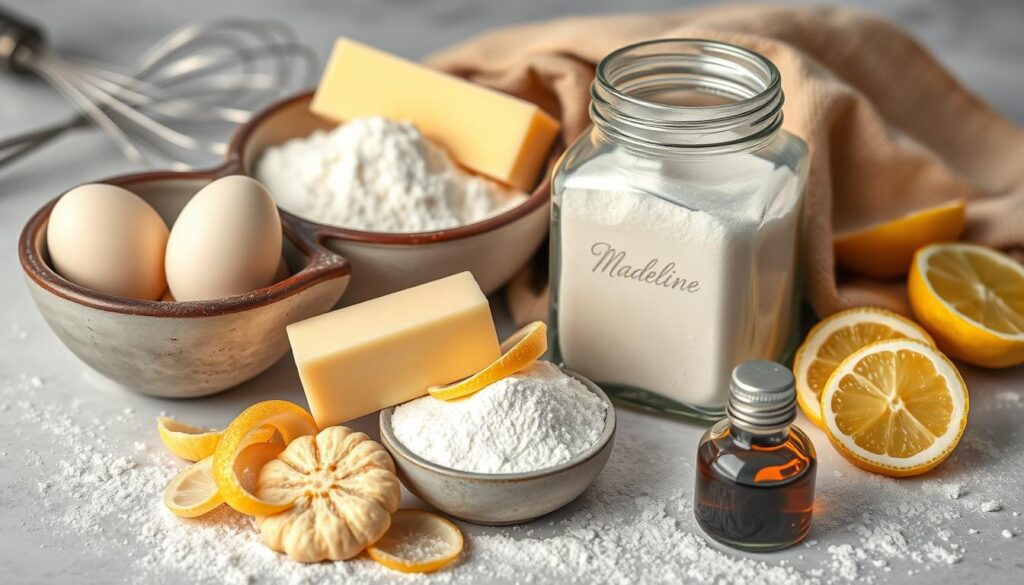
Golden Corral Baked Chicken Recipe – A Family Favorite

Golden Corral’s baked chicken is a comfort food classic. It brings back memories and joy. Now, you can make this dish at home, just like Golden Corral.

Golden Corral Baked Chicken Recipe

Key Takeaways

  • Golden Corral’s baked chicken is a beloved family favorite.
  • Recreating the restaurant’s signature flavor at home is possible with the right recipe.
  • The recipe features unique seasonings and cooking techniques that set it apart.
  • Achieving the perfect balance of crispy skin and juicy, tender meat is the key to nailing this copycat recipe.
  • Serving this homemade baked chicken brings the comforting taste of Golden Corral to your own kitchen.

The Secret Behind Golden Corral’s Famous Baked Chicken

Golden Corral is a favorite in America for its delicious baked chicken. The secret is their focus on quality and special seasonings. They use a mix of seasonings and cooking methods that make their chicken stand out.

History of the Golden Corral Restaurant Chain

Golden Corral started in 1973 and has grown big. It’s known for its tasty buffet-style meals. Their baked chicken is a big hit with customers.

What Makes Their Chicken Special

Golden Corral’s chicken is special because of its flavor and tenderness. Chefs use a secret mix of herbs and spices. This gives the chicken a unique taste that beats others.

Key Ingredients That Set It Apart

Golden Corral’s chicken is also great because of its ingredients. They use top-quality chicken from trusted sources. The chicken is prepared with care to keep it moist and tender.

IngredientContribution to Flavor
Proprietary Seasoning BlendProvides a unique and complex flavor profile that sets Golden Corral’s baked chicken apart
Fresh, High-Quality ChickenEnsures a tender and juicy texture that complements the seasoning
Careful Cooking TechniqueRetains the chicken’s natural moisture and enhances the overall flavor

Golden Corral’s secret seasoning, top-quality chicken, and careful cooking make their baked chicken the best. It’s why it’s loved by so many for years.

Best Golden Corral Baked Chicken Recipe

Do you love the baked chicken from Golden Corral? Now, you can make it at home with this copycat recipe. This Golden Corral-inspired chicken is a great way to enjoy the restaurant’s taste in your kitchen.

The secret to Golden Corral’s chicken is in the seasoning and cooking. Follow this guide to make the homemade version of this favorite dish.

  1. Marinate the chicken in buttermilk, garlic, and herbs. This makes the meat tender and flavorful.
  2. Coat the chicken in seasoned flour for a crispy outside.
  3. Bake the chicken at high heat to keep the juices in and get that Golden Corral texture.
  4. Brush with basting sauce in the last minutes for extra flavor.

With this copycat recipe, you can enjoy Golden Corral’s baked chicken at home. Serve it with your favorite sides for a meal everyone will love.

Essential Ingredients and Kitchen Equipment

To make the famous Golden Corral baked chicken, you need the right seasonings and spices. You also need the right kitchen tools. These things together make the dish taste amazing, just like the family loves it.

Required Seasonings and Spices

For the taste of Golden Corral’s baked chicken, you’ll need certain seasonings and spices. The spice blend includes:

  • Kosher salt
  • Black pepper
  • Paprika
  • Garlic powder
  • Onion powder
  • Dried thyme
  • Dried oregano

Along with the spice blend, you need the right kitchen tools for the perfect Golden Corral baked chicken. Some must-haves are:

  1. Large baking sheet or roasting pan
  2. Meat thermometer
  3. Tongs or forks for handling the chicken
  4. Mixing bowls
  5. Measuring cups and spoons

Ingredient Substitutions

While sticking to the traditional spice blend and tools is best, you can make some changes. For example, you can use paprika or cayenne pepper instead of the spice blend. Or, you can choose olive oil or melted butter over the usual kitchen essentials.

With the right cooking tools and alternative ingredients, you can make a tasty Golden Corral-inspired baked chicken. Your family will love it.

Step-by-Step Cooking Instructions

Learning to make Golden Corral-style baked chicken is easy and fun. You’ll get to enjoy a dish that tastes just like the restaurant’s. Just follow these simple steps to make it in your kitchen.

Start by marinating the chicken in a mix of garlic, paprika, oregano, and black pepper. This blend enhances the chicken’s natural flavor. Let it marinate for at least 30 minutes or up to 24 hours for even more flavor.

After marinating, get ready to bake. Heat your oven to 400°F (200°C). Line a baking sheet with parchment paper or foil. Place the chicken on the sheet, leaving enough space for even cooking.

To get the Golden Corral baked chicken crispy exterior, brush the chicken with olive oil or melted butter. This step helps the skin get crispy while keeping the inside juicy.

Bake the chicken for 30-40 minutes, until it reaches 165°F (75°C). Halfway through, flip the chicken for even browning.

Let the chicken rest for a few minutes before serving. This step makes the juices spread evenly, improving the taste and texture. Serve it hot and enjoy your homemade Golden Corral-inspired baked chicken.

Conclusion

Making the famous homemade Golden Corral chicken at home is very rewarding. By following the detailed recipe and instructions, you can enjoy the same tender, flavorful baked chicken. This chicken has made Golden Corral a favorite for family meals and comfort food lovers everywhere.

This recipe is a true gem, letting you bring the signature taste of Golden Corral into your kitchen. Whether you’re hosting a special gathering or just want a delicious meal, this homemade Golden Corral chicken will be a hit. So, don’t wait to try this recipe and enjoy the authentic flavors that have made Golden Corral famous.

Enjoy making this iconic dish and share your experiences with friends and family. With this recipe, you can create unforgettable family meals and serve the comfort food everyone loves. Happy cooking!

FAQ

What is the history of the Golden Corral restaurant chain?

Golden Corral is a well-known American restaurant chain. It’s famous for its buffet-style dining and comfort food. Founded in 1973 in Fayetteville, North Carolina, it now has over 500 locations across the United States.

What makes Golden Corral’s baked chicken so special?

Golden Corral’s baked chicken is loved for its unique taste and texture. The chain uses a special blend of seasonings and cooking techniques. Over the years, they’ve perfected the recipe, making it a customer favorite.

What are the essential ingredients and kitchen equipment needed to make Golden Corral-style baked chicken at home?

To make Golden Corral-style baked chicken at home, you need certain ingredients and tools. You’ll need a baking sheet, oven, and mixing bowls. Key ingredients include chicken, breadcrumbs, butter, and herbs and spices.

What are the steps to prepare and cook the Golden Corral baked chicken recipe?

To make Golden Corral-style baked chicken, start by marinating the chicken. Then, season it with the signature spice blend. Bake it until it’s crispy on the outside and juicy inside. Follow the recipe for the best texture and flavor.

Can I make substitutions to the Golden Corral baked chicken recipe?

Yes, you can make substitutions to fit dietary needs or preferences. This way, you can still enjoy the Golden Corral baked chicken. Some alternatives or options are suggested to personalize the recipe for you.

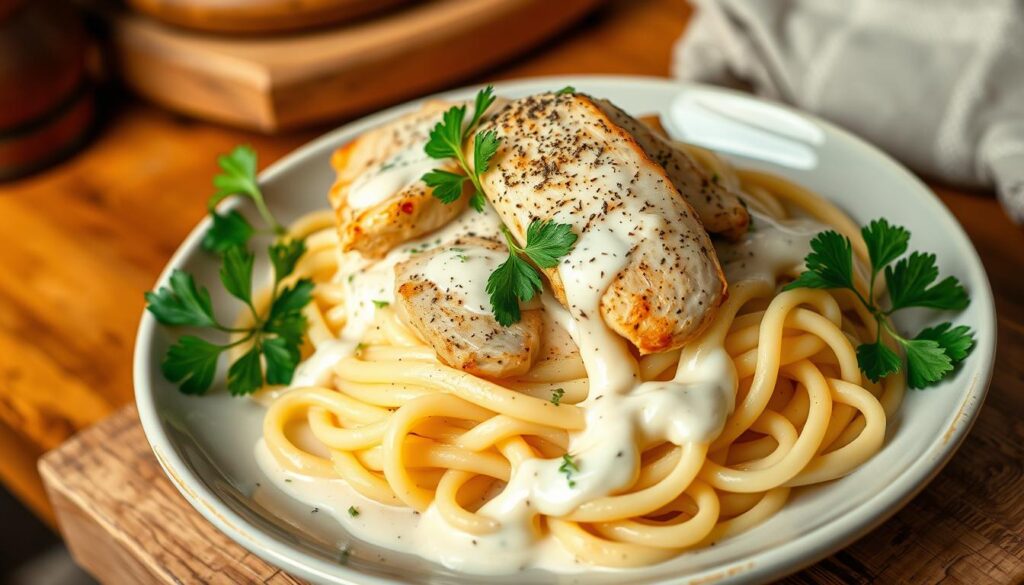
How to Make Chicken Alfredo – Easy Homemade Recipe

Are you craving a comforting, creamy pasta dish? Homemade chicken alfredo is the answer. It’s a classic Italian-American favorite that’s easy to make. But what makes the best chicken alfredo stand out?

Discover the secrets to making a mouthwatering chicken alfredo. It will make your taste buds dance with joy.

Key Takeaways

  • Homemade chicken alfredo is a classic Italian-American comfort food dish that’s easy to make at home.
  • The key to a delicious chicken alfredo lies in the creamy, rich alfredo sauce and perfectly cooked pasta.
  • Selecting the right ingredients, such as high-quality chicken and cheese, is crucial for achieving the best flavor.
  • Proper preparation and cooking techniques can make all the difference in the texture and creaminess of the final dish.
  • Healthy variations and side dish pairings can elevate your chicken alfredo experience.

Classic Chicken Alfredo: An Italian-American Comfort Food Story

The story of chicken alfredo starts in Italy’s rich culinary world. The alfredo sauce first appeared in Rome. But it was Italian-American chefs who made it famous.

In the early 1900s, Italian immigrants came to the U.S. They mixed their old recipes with what Americans liked. Chicken alfredo was born, blending Italian sauce with American love for meaty dishes. It quickly became a favorite in Italian-American food.

Years went by, and chicken alfredo grew from a simple dish to a beloved comfort food. It’s now a favorite in homes and restaurants everywhere. The mix of tender chicken, pasta, and creamy sauce has won many hearts and taste buds.

Today, chicken alfredo is still a classic, showing the beauty of Italian-American food. It’s enjoyed by families and in fancy restaurants alike. This dish brings a piece of Italy to America, offering a cozy and fulfilling meal.

Key Milestones in the History of Chicken AlfredoYear
Original alfredo sauce created in Rome, Italy1914
Italian immigrants bring traditional recipes to the United StatesEarly 20th century
Chicken alfredo becomes a staple of Italian-American cuisineMid-20th century
Chicken alfredo gains widespread popularity in American households and restaurantsLate 20th century

Essential Ingredients for the Perfect Chicken Alfredo

Making a great chicken alfredo dish starts with picking the right ingredients. The pasta, cheese, and sauce all matter a lot. They help make the dish taste and feel just right.

Choosing the Right Pasta Type

Fettuccine pasta is the top pick for chicken alfredo. Its long, flat shape is perfect for holding the creamy sauce. But, you can also try other pasta shapes like linguine or tagliatelle if you like.

Best Cheese Options for Alfredo Sauce

For a creamy Alfredo sauce, use high-quality Parmesan cheese. Grated or shredded Parmesan mixed with heavy cream makes the sauce silky and rich. Adding other cheeses like Pecorino Romano or Asiago can make it even more special.

Selecting Quality Chicken Cuts

Boneless, skinless chicken breasts are best for chicken alfredo. They’re tender and juicy, which pairs well with the creamy sauce. You can grill, sauté, or bake the chicken to keep it moist and flavorful.

IngredientImportanceContribution to Dish
Fettuccine PastaEssentialProvides the perfect surface area for the Alfredo sauce to cling to, creating a harmonious texture.
Parmesan CheeseCriticalLends a rich, nutty flavor and creamy texture to the Alfredo sauce.
Heavy CreamCrucialAdds the necessary creaminess and silkiness to the sauce, balancing the flavors.
Boneless Chicken BreastEssentialProvides the protein and heartiness to the dish, complementing the creamy sauce.

Kitchen Tools and Equipment Needed

To make a tasty chicken alfredo dish, you need the right kitchen tools. A large pot is key for cooking pasta. A skillet is also important for sautéing the chicken. Each tool is vital for a great dish. Let’s look at what you need to make this classic Italian-American comfort food at home.

  • A large pot for boiling the pasta: Choose a sturdy, high-quality pot that can hold the right amount of water and pasta.
  • A skillet or sauté pan for cooking the chicken: Pick a pan with a wide surface for even cooking.
  • A whisk for preparing the creamy alfredo sauce: This tool helps make the sauce smooth and lump-free.
  • A colander for draining the cooked pasta: A sturdy colander makes it easy to separate the pasta from the water.
  • A set of measuring cups and spoons: Accurate measurements are key for the perfect flavor balance in your alfredo sauce.
  • A cutting board and sharp knife: These are for slicing and dicing the chicken and other ingredients.
  • A wooden spoon or spatula: These are for stirring the sauce and pasta, ensuring even cooking and distribution.

With these essential tools, you’re ready to make a delicious chicken alfredo dish. It will impress your family and friends. The right tools can greatly improve your homemade meals.

How to Make Chicken Alfredo from Scratch

Making chicken alfredo from scratch is a fun cooking adventure. We’ll cover how to sear the chicken, make the creamy sauce, and cook the pasta just right.

Preparing the Chicken

Begin by seasoning the chicken breasts with salt, pepper, and any other spices you like. Heat a large skillet over medium-high heat and add some oil. Place the chicken in the hot pan and sear for 4-5 minutes on each side. This will make the chicken cooked through and nicely browned.

After cooking, take the chicken out of the pan and let it rest for a few minutes. Then, slice or shred it into small pieces. This keeps the chicken juicy and full of flavor.

Creating the Creamy Alfredo Sauce

In the same skillet, melt butter over medium heat. Mix in flour to make a roux, stirring constantly for 1-2 minutes. Then, slowly add heavy cream, milk, and Parmesan cheese, whisking until smooth and creamy.

Season the sauce with salt and pepper to taste. If it’s too thick, add a little pasta cooking water to thin it out.

Cooking Perfect Al Dente Pasta

Boil a large pot of salted water. Add your pasta, like fettuccine or linguine, and cook as the package says, stirring now and then. When it’s al dente, drain it and save a cup of the water. Then, add the pasta to the creamy sauce.

Mix the pasta and sauce together, adding some saved water if it’s too thick.

By following these steps, you’ll make a tasty chicken alfredo dish. It will have perfectly seared chicken, a rich sauce, and al dente pasta.

Tips for Creating the Creamiest Alfredo Sauce

Making a smooth, creamy Alfredo sauce is key to a great chicken Alfredo dish. Here are some expert tips to get the perfect sauce and avoid common mistakes.

Incorporate Cheese Gradually

The secret to a silky-smooth Alfredo sauce is adding cheese slowly. Add it a little at a time while whisking constantly. This ensures the cheese melts evenly and avoids lumps.

Maintain Proper Temperature

Temperature control is vital when making Alfredo sauce. Use medium-low heat to prevent curdling. If it starts boiling, reduce the heat and stir to avoid breaking the sauce.

Achieve the Ideal Consistency

The perfect Alfredo sauce is velvety and creamy, not too thick or thin. Add milk or cream gradually, tasting and adjusting as needed. It should coat the spoon without dripping.

TipDescription
Gradually Add CheeseIncorporate the cheese in small amounts while continuously whisking to prevent lumps.
Maintain Proper TemperatureKeep the heat at medium-low to avoid curdling and reduce the heat if the sauce starts to boil.
Achieve Ideal ConsistencyThe sauce should have a velvety, creamy texture that coats the back of a spoon without dripping off.

By following these tips, you’ll make a smooth, lump-free Alfredo sauce. It will elevate your chicken Alfredo dish to new heights of flavor.

Common Mistakes to Avoid When Making Chicken Alfredo

Making chicken alfredo can be a fun cooking adventure. But, it comes with its own set of challenges. To make a great dish, it’s important to avoid common mistakes. These include temperature issues, sauce problems, and pasta cooking errors.

Temperature Control Issues

Keeping the right temperature is crucial when cooking chicken alfredo. Overcooked chicken can be dry and tough. On the other hand, a sauce that’s too hot can curdle. To avoid these problems, control the heat well. Simmer the sauce gently and check the chicken’s doneness carefully.

Sauce Consistency Problems

The alfredo sauce is the dish’s heart, and getting it right is key. A sauce that’s too thin can be watery, while a curdled sauce is a letdown. To fix this, watch the sauce’s thickness as it cooks. Add milk or cream slowly to get the right texture. Also, add cheese slowly and avoid high heat to prevent curdling.

Pasta Cooking Errors

Overcooked pasta can ruin chicken alfredo. Soggy noodles are a big mistake. It’s important to cook the pasta just right, with a bit of bite. Use a timer and check the pasta often. Also, drain it well and add it to the sauce at the right time.

By watching out for these common mistakes and fixing them, you can make amazing chicken alfredo. With practice and attention to detail, you’ll create dishes that please everyone.

Storing and Reheating Your Chicken Alfredo

Making homemade chicken alfredo is a joy. But the real test is how well it keeps and reheats. Whether you have leftovers or are meal-prepping, knowing how to store and reheat is crucial. This keeps the creamy texture and flavors of this dish perfect.

Proper Storage for Chicken Alfredo Leftovers

Keeping your chicken alfredo fresh and safe is key. Here are some tips:

  • Put leftovers in an airtight container, making sure there are no air pockets.
  • Put the container in the fridge within two hours of cooking. Eat leftovers within 3-4 days for the best food safety.
  • Don’t let the dish sit at room temperature for more than two hours. This can cause bacteria to grow.

Reheating Chicken Alfredo: Preserving Creaminess

When reheating chicken alfredo, do it gently to keep it creamy. Here’s how:

  1. Put leftover alfredo in a saucepan or microwave-safe dish.
  2. Heat it on the stove over low heat, stirring often, until it’s hot.
  3. Or, microwave it in 30-second bursts, stirring between each, until it’s hot.
  4. If it’s too thick, add a little milk or cream to thin it out.

By using these simple steps, you can enjoy your chicken alfredo as if it were the first time. Every bite will be as delicious as when you first made it.

Healthy Variations and Substitutions

The classic chicken alfredo is tasty, but you can make it healthier. Use lightened-up alfredo sauce, whole wheat pasta, and add veggies. This way, you can enjoy the dish without extra calories.

Lower-Calorie Options

For a lighter alfredo sauce, try low-fat or nonfat milk instead of heavy cream. Adding pureed cauliflower or low-fat Greek yogurt makes it creamy without the fat. Switch to whole wheat pasta for more fiber and nutrients without losing flavor.

Gluten-Free Alternatives

If you’re gluten-free, there are tasty chicken alfredo options. Look for gluten-free pasta made from quinoa, brown rice, or chickpeas. These options are not only gluten-free but also packed with nutrients and flavor.

To make your chicken alfredo even healthier, add sautéed veggies like broccoli, spinach, or zucchini. These veggies add nutrition and flavor to the classic dish.

IngredientTraditional Chicken AlfredoHealthier Variation
PastaSemolina pastaWhole wheat pasta
Alfredo SauceHeavy cream, butter, ParmesanLow-fat milk, pureed cauliflower, low-fat Greek yogurt
ProteinChicken breastChicken breast
VegetablesBroccoli, spinach, zucchini

Delicious Side Dishes to Serve with Chicken Alfredo

Choosing the right side dishes can make a classic chicken alfredo dish even better. You can pick from refreshing salads to savory roasted vegetables. These options complement the rich, creamy flavors of this Italian-American favorite.

A crisp Caesar salad is a great choice to go with chicken alfredo. The tangy dressing and crunchy lettuce offer a nice contrast. For something heartier, try roasted garlic bread. Its golden crust and fragrant aroma are perfect.

Roasted vegetables also pair well with chicken alfredo. Mix seasonal produce like Brussels sprouts, carrots, and bell peppers. Drizzle with olive oil and roast until tender. The sweetness of the vegetables balances the creamy sauce.

Side DishWhy it Works
Caesar SaladThe bright, tangy dressing and crunchy romaine lettuce provide a refreshing contrast to the creamy alfredo sauce.
Garlic BreadThe golden, buttery crust and fragrant aroma complement the richness of the alfredo sauce.
Roasted VegetablesThe natural sweetness of roasted vegetables, like Brussels sprouts, carrots, and bell peppers, balances the creamy alfredo.

By choosing side dishes with contrasting flavors and textures, you can make a delicious chicken alfredo meal. It will delight your taste buds and have your guests wanting more.

Conclusion

In this article, we’ve explored the delightful world of homemade chicken alfredo. This classic Italian-American cuisine has won hearts around the globe. We’ve shown you how to make this easy pasta recipe in your kitchen.

By following our step-by-step guide and expert tips, you’re now ready to make a chicken alfredo dish that’s restaurant-quality. You can stick to the traditional recipe or try a healthier version. This dish is very flexible, so you can make it your own.

So, get ready to cook up a storm in your kitchen. Start making your own homemade chicken alfredo. With the right ingredients and a bit of practice, you’ll impress everyone with your delicious dish.

FAQ

What is the history of chicken alfredo?

Chicken alfredo is a favorite comfort food in the US. It comes from Italy, where it was called fettuccine alfredo. This dish was simple but rich, with pasta and a creamy sauce.

In the US, people started adding chicken to make it chicken alfredo. This made it even more popular.

What are the essential ingredients for making chicken alfredo?

To make chicken alfredo, you need fettuccine pasta, heavy cream, Parmesan cheese, butter, and chicken breasts. The pasta is the base. The cream and cheese make the sauce rich. The chicken adds protein.

What kitchen tools and equipment are needed to make chicken alfredo?

You’ll need a big pot for pasta, a skillet for chicken, and a whisk for the sauce. A colander is for draining pasta. You also need measuring tools, a cutting board, and a sharp knife.

What are the steps for making chicken alfredo from scratch?

Making chicken alfredo involves a few steps. First, season and sear the chicken. Then, mix the sauce with cream, Parmesan, and butter. Cook the pasta until it’s just right.

Finally, combine the chicken, sauce, and pasta for the final dish.

How can you ensure the creamiest alfredo sauce?

For a smooth sauce, keep the temperature right when cooking. Slowly add the cheese to avoid lumps. Don’t overcook the sauce to keep it creamy.

What are some common mistakes to avoid when making chicken alfredo?

Avoid overcooking pasta and chicken. This makes the pasta mushy and the chicken tough. Also, be careful with the sauce’s temperature to prevent it from curdling.

How should you store and reheat leftover chicken alfredo?

Store leftover chicken alfredo in a sealed container in the fridge for 3-4 days. Reheat it gently over low heat, stirring often. This keeps the sauce and pasta from drying out.

Are there any healthy variations or substitutions for chicken alfredo?

Yes, you can make chicken alfredo healthier. Use whole wheat pasta and low-fat dairy. Add more veggies. Choose grilled or baked chicken instead of seared. Serve with a salad or roasted veggies.

Delicious & Nutritious Healthy Soup Recipes to Try

When it’s cold outside, nothing warms us up like a hot bowl of homemade soup. But did you know these soups can do more than just taste good? They can also boost your health, from fighting off sickness to helping with weight loss.

Are you ready to find new, tasty, and healthy soup recipes? Get ready to be amazed as we show you a variety of soups that will become your family’s new favorites.

Imagine making a simple soup that not only tastes great but also makes you feel good. A world where your favorite soups are full of good stuff like vitamins and antioxidants is real. It’s waiting for you to start exploring.

Key Takeaways

  • Homemade soups offer a wealth of nutritional benefits compared to store-bought options.
  • Soup recipes can be tailored to support specific health goals, from weight management to immune system support.
  • Incorporating a variety of fresh, wholesome ingredients into your soup-making can unlock a world of delicious and nourishing possibilities.
  • Mastering a few essential kitchen tools and techniques can help you create the perfect homemade soup every time.
  • Exploring international flavors and culinary traditions can introduce you to a diverse array of healthy soup recipes to enjoy.

The Health Benefits of Homemade Soups

Homemade soups are packed with health benefits. They are nutritious and add joy to any meal. These soups keep important nutrients from fresh ingredients. They also help with digestion and weight management.

Nutrient Retention in Fresh Ingredients

Using fresh ingredients in homemade soup keeps more nutrients than canned or packaged soups. Vegetables, herbs, and other produce stay full of vitamins and minerals. This means your body gets a lot of good stuff with each spoonful.

Hydration and Digestive Benefits

Soups are great for staying hydrated. They provide the body with the fluids it needs. The warm, soothing nature of homemade soup helps digestion by making digestive enzymes and promoting regular bowel movements.

The fiber in many soups also supports gut health and regularity.

Weight Management Advantages

Adding nutrient-dense soups to your diet can help with weight management. Soups are low in calories but fill you up, which can lower your calorie intake. The hydration, fiber, and nutrients in homemade soups also boost metabolic health and support weight loss.

Essential Kitchen Tools for Perfect Soup Making

Making delicious soups needs the right tools. You’ll need sturdy soup pots and precise cutting boards. These tools are key to making your soups perfect. Let’s look at the must-have items for every home chef.

The Importance of a Quality Soup Pot

A good soup pot is crucial for any soup recipe. Choose a heavy-duty, high-quality pot. Stainless steel or enameled cast iron pots are great. They heat evenly and last a long time.

Sharp Knives for Efficient Chopping

A sharp chef’s knife is essential for soup making. A good knife makes chopping vegetables easy. You’ll also need a sturdy cutting board for safe food prep.

Embrace the Convenience of an Immersion Blender

An immersion blender makes creamy soups easy. It blends ingredients right in the pot. This saves time and effort compared to using a traditional blender.

The Humble Ladle: A Soup-Making Essential

A reliable ladle is a must for soup making. It helps serve and portion soups perfectly. This ensures each bowl gets the right amount of broth and ingredients.

Kitchen ToolPurposeRecommended Features
Soup PotSimmering and cooking soupsHeavy-duty, high-quality material (stainless steel or enameled cast iron)
Chef’s KnifeDicing, slicing, and mincing vegetablesSharp, well-maintained blade
Cutting BoardProviding a stable surface for choppingLarge, durable, and easy to clean
Immersion BlenderBlending and puréeing soup ingredientsPowerful motor and various blade attachments
LadleServing and portioning soupLong handle for easy reaching and scooping

Having these essential tools will help you make delicious soups. Invest in quality, and enjoy making soup perfection.

Understanding Basic Soup Bases and Broths

Every delicious soup starts with a flavorful base or broth. Learning about these basics can make your soups better. We’ll look at vegetable stock, bone broth, and the difference between clear and cream-based soups.

Vegetable Stock Fundamentals

Vegetable stock is great for many soups because it’s full of nutrients. To make it, boil onions, carrots, celery, and herbs in water. The longer it cooks, the tastier it gets.

Using different vegetables makes the stock taste better.

Bone Broth Preparation

Bone broth is packed with collagen, minerals, and amino acids. To make it, cook bones in water for hours or even days. This process pulls out lots of nutrients, making the broth very flavorful and healthy.

Clear vs. Cream-Based Foundations

Choosing between clear or cream-based soups depends on what you like. Clear broths, like vegetable or bone broth, are light and let the flavors of the ingredients shine. Cream-based soups, with milk or cream, are rich and creamy.

Knowing how to make these soup bases and broths will help you make tasty and healthy soups. You can choose what suits your taste and diet best.

Best Healthy Soup Recipes for Beginners

Starting a healthy eating journey can feel overwhelming. But, making easy soup recipes is a great way to get started. These soups are tasty and full of nutrients to help your body stay healthy.

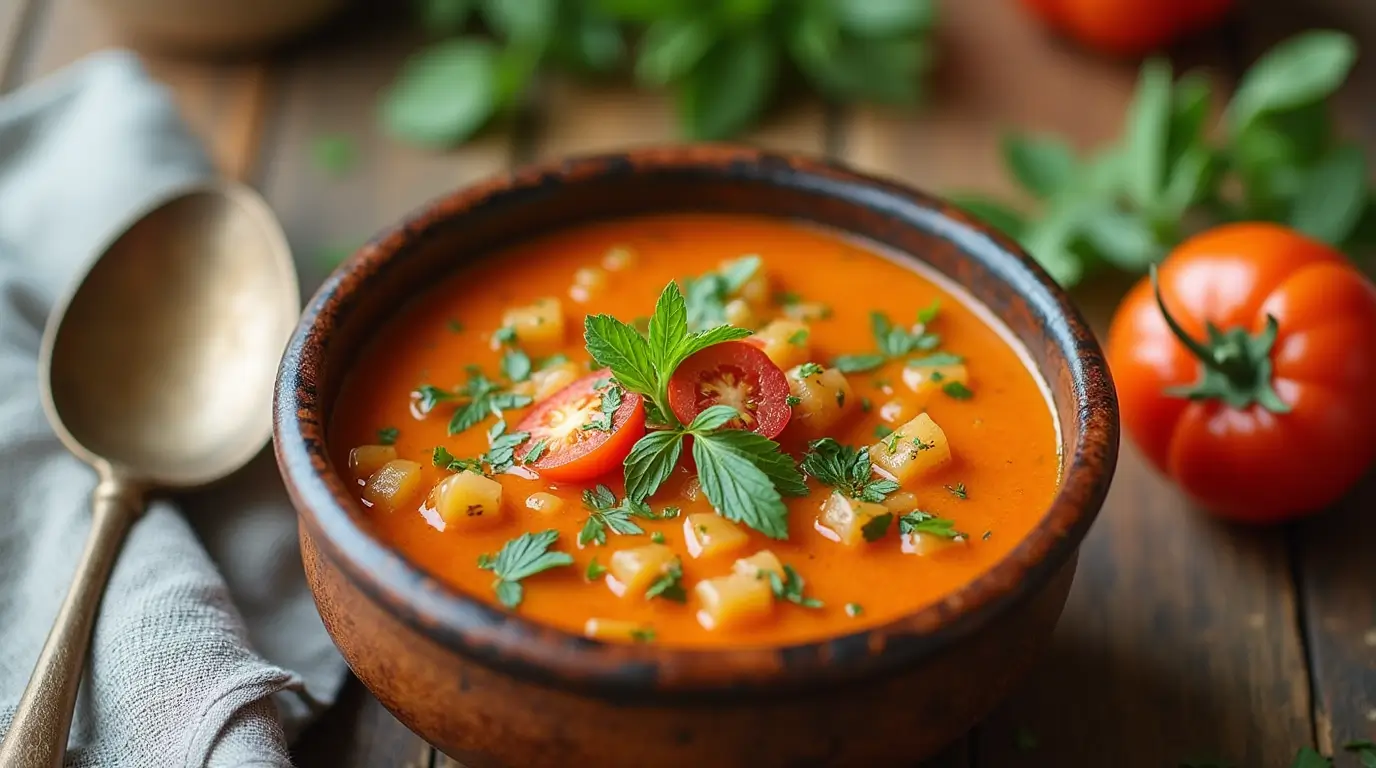
The Classic Tomato Basil Soup is perfect for beginners. It’s made with simple ingredients like fresh tomatoes, basil, and garlic. This soup is creamy, vibrant, and sure to please.

The Lentil and Vegetable Soup is another great choice. Lentils are rich in protein, fiber, and vitamins. This soup mixes tender lentils with colorful veggies for a filling meal.

  • Creamy Butternut Squash Soup
  • Chicken Noodle Soup with Homemade Broth
  • Minestrone Soup with Whole-Grain Pasta

These easy soup recipes are not only tasty but also easy to make. They let you enjoy cooking and the satisfaction of a healthy meal. So, get creative and try these beginner-friendly soups today!

Immune-Boosting Vegetable Soup Variations

Nourishing vegetable soups are great for your immune system. They can be made with ingredients that boost immunity. This way, you get tasty and healthy soups that strengthen your body’s defenses.

Garlic and Ginger Combinations

Garlic and ginger are super for your immune system. Together in a soup, they add flavor and health benefits. Garlic has allicin, which fights off microbes and viruses. Ginger is full of antioxidants and anti-inflammatory stuff.

Antioxidant-Rich Ingredients

  • Colorful veggies like bell peppers, carrots, and greens are full of antioxidants. These help fight off harmful free radicals and keep you healthy.
  • Tomatoes, with their lycopene, are great for immune-boosting soups.
  • Herbs and spices like turmeric, rosemary, and thyme add antioxidants to your soup.

Seasonal Vegetable Options

Using seasonal produce is good for local farms and your soups. It makes them fresh and full of nutrients. Try squash, sweet potatoes, and kale for vibrant, healthy soups.

IngredientImmune-Boosting Properties
GarlicRich in allicin, with antimicrobial and antiviral effects
GingerContains antioxidants and anti-inflammatory compounds
Bell PeppersHigh in vitamin C and other antioxidants
CarrotsContain beta-carotene, which supports immune function
Leafy GreensRich in vitamins, minerals, and antioxidants

Adding these immune-boosting ingredients to your soups makes them nourishing and tasty. They support your health and well-being.

Low-Calorie Soup Options for Weight Loss

Starting a healthier lifestyle often begins in the kitchen. Adding diet-friendly soups to your meals can help with weight management. These calorie-conscious recipes are tasty and full of nutrients, keeping you full and energized.

Looking to lose weight or keep a balanced diet? These low-calorie soups are a tasty and flexible choice. You can make a variety of soups, from vegetable broths to lentil and bean soups. They’re all packed with flavor and nutrients to support your health.

  1. Roasted Tomato and Basil Soup: This soup is bright and tangy, made with fresh tomatoes, basil, and garlic. It has 200 calories per serving.
  2. Zucchini Noodle Soup with Chicken: This soup uses zucchini noodles instead of pasta, cutting carbs and calories. It also has lean chicken for protein.
  3. Black Bean and Vegetable Soup: This soup is a mix of black beans, bell peppers, onions, and spices. It’s nutritious and has only 180 calories per bowl.
  4. Butternut Squash Bisque: This creamy soup is low in calories. It’s made with roasted butternut squash and warming spices.
Soup RecipeCalories per ServingProtein (g)Fiber (g)
Roasted Tomato and Basil Soup20084
Zucchini Noodle Soup with Chicken250203
Black Bean and Vegetable Soup180128
Butternut Squash Bisque19056

Adding these diet-friendly soups to your meals can be comforting and support your weight management goals. Focus on using fresh ingredients and watch your portion sizes. These calorie-conscious recipes are great for a healthy diet.

Protein-Packed Soup Recipes for Athletes

As an athlete, you know how crucial good nutrition is. High-protein soups can be a big help. They offer a tasty way to get the amino acids your body needs. Here, we’ll look at some top protein-packed soup recipes for athletes and active people.

Plant-Based Protein Soups

Looking to eat more plant-based proteins? There are many tasty and healthy soup options. Lentil soup is a great choice, packed with fiber and nutrients. Chickpea and kale soup is also excellent, with protein from chickpeas and antioxidants from kale.

Lean Meat Soup Options

Lean meats fans have plenty of high-protein soup choices. Chicken noodle soup with shredded chicken breast is a classic. It offers lean protein and a nourishing broth. Beef and barley soup, with lean ground beef or sirloin, is another hearty option.

Post-Workout Recovery Recipes

Recovering from hard workouts is key for athletes. Protein-packed soups can be a big help. Try turkey and wild rice soup for a mix of lean turkey and complex carbs from wild rice. For a plant-based choice, creamy lentil and sweet potato soup is both nourishing and satisfying.

Adding these protein-packed soups to your diet can help meet your protein needs. They support muscle recovery and fuel your active life. Experiment with different ingredients and flavors to find your favorite high-protein soups.

International Healthy Soup Recipes

Discover a world of flavors with our global cuisine-inspired healthy soup recipes. Enjoy the rich tastes and cultural traditions from around the world. Plus, get the health benefits of making your own soups.

Try Japanese miso soup for its soothing warmth or Indian dahl for its complex aromas. These soups are a great way to explore new tastes and keep your body healthy. Learn about the special ingredients, spices, and cooking methods from different cultures.

Explore the Flavors of the World

  • Authentic Thai Tom Yum Goong: A fragrant lemongrass-infused broth brimming with shrimp, mushrooms, and fresh herbs.
  • Hearty Mexican Chicken Pozole: A traditional hominy-based soup featuring tender chicken, vibrant chilies, and a tantalizing array of toppings.
  • Nourishing Italian Minestrone: A vegetable-packed soup that celebrates the bounty of the Mediterranean, with a touch of Parmesan for depth of flavor.
Soup RecipeKey IngredientsHealth Benefits
Peruvian Quinoa SoupQuinoa, vegetables, chicken brothHigh in protein, fiber, and antioxidants
Korean Kimchi StewKimchi, tofu, ginger, garlicSupports gut health and immune function
Greek Avgolemono SoupChicken broth, eggs, lemonProvides a source of protein and vitamin C

Check out our collection of international healthy soup recipes. They offer a taste of global cuisine, cultural flavors, and ethnic dishes. Enjoy these delicious and nutritious soups that will nourish your body and please your taste buds.

Time-Saving Soup Preparation Tips

Finding time to cook healthy meals can be tough. But, with a few easy tips, you can make delicious, nutritious soups quickly. This way, you can enjoy homemade meals every day.

Batch Cooking Methods

Batch cooking is a great time-saver. Spend a few hours on the weekend making your favorite soups in bulk. This method gives you a steady supply of healthy soups and saves you time during the week.

  • Double or triple your soup recipes to create multiple servings.
  • Portion the soup into individual or family-sized containers for easy reheating.
  • Freeze the soup in airtight containers or freezer-safe bags for up to 3 months.

Storage and Freezing Guidelines

Storing and freezing your soups right is crucial. It keeps them fresh and flavorful. Here’s how to do it:

  1. Allow soups to cool completely before storing or freezing.
  2. Use airtight containers or freezer-safe bags to prevent freezer burn.
  3. Label each container with the soup name, date, and portion size.
  4. Thaw frozen soups in the refrigerator overnight before reheating.

With these tips, making homemade, freezer-friendly soups is easy. Start batch cooking today. Enjoy your evenings with tasty, healthy soups.

Common Soup Making Mistakes to Avoid

Making homemade soups can be a fun and rewarding experience. But, even skilled cooks can run into problems. Knowing the common cooking errors and troubleshooting tips can help you make the perfect soup consistency and seasoning.

One big mistake is overseasoning. Too much salt, spices, or herbs can ruin the taste. Start with a little seasoning and add more as needed to get it just right.

  • Taste your soup often while it cooks and adjust the seasonings.
  • Watch the salt in broth or stock, as it adds a lot to the flavor.
  • Try low-sodium or unsalted broth or stock to control the flavor better.

Getting the right soup consistency can also be tricky. Soups can be too thin or too thick. Pay attention to the liquid to solid ratio. Use thickening agents like roux, purees, or cornstarch if it’s too thin.

IssueSolution
Thin, Watery SoupSimmer the soup longer to allow the ingredients to release their natural thickening agents, or add a roux or cornstarch slurry.
Thick, Heavy SoupAdd more broth or stock to thin out the consistency, or dilute with water or milk.

By avoiding common cooking errors and focusing on seasoning and troubleshooting, you can improve your soup-making skills. This way, you’ll always make delicious, balanced soups.

Conclusion

Homemade soups are a treasure trove of health benefits. They keep nutrients fresh and offer hydration and digestive health. These nourishing bowls add variety and satisfaction to your diet.

Whether you’re new to cooking or experienced, you can make delicious soups. Try different bases, broths, and veggies to find your favorites. This will help you grow your cooking skills.

Adding immune-boosters, low-calorie, and protein-rich ingredients to your soups can help you reach your health goals. Whether it’s losing weight, recovering from exercise, or just feeling good, soups can help. Discover international flavors and recipes to make your meals exciting and healthy.

FAQ

What are the health benefits of homemade soups?

Homemade soups are great for your health. They keep nutrients from fresh ingredients. They also help you stay hydrated and support your digestion.

Plus, they can help you manage your weight. This is because they are filling and have fewer calories.

What are the essential kitchen tools for perfect soup making?

To make perfect soups, you need the right tools. You’ll need good pots, sharp knives, and appliances like immersion blenders. These tools help you get the best results.

How do I create flavorful soup bases and broths?

Start by learning to make tasty vegetable stocks and bone broths. Understanding the difference between clear and cream-based soups is also key.

What are some beginner-friendly healthy soup recipes?

We have simple yet tasty soup recipes for beginners. They use easy-to-find ingredients and techniques. This helps beginners feel more confident in the kitchen.

How can I incorporate immune-boosting ingredients into my soups?

Find out how to make soups that boost your immune system. Use ingredients like garlic and ginger. Also, add foods rich in antioxidants and seasonal veggies for a healthy soup.

What are some low-calorie soup options for weight loss?

We have low-calorie soup recipes for those trying to lose weight. These soups are filling, nutritious, and delicious. They keep calories low.

What are the best protein-packed soup recipes for athletes?

Check out our protein-rich soup recipes for athletes. We have plant-based and lean meat options. Plus, post-workout soups to help with muscle repair.

Where can I find healthy soup recipes from around the world?

Explore healthy soup recipes from around the globe. Discover new flavors and ingredients. It’s a fun way to stay healthy and try new things.

How can I save time when preparing homemade soups?

Learn how to make soups quickly and efficiently. We’ll show you batch cooking and storage tips. This way, you can make healthy soups without spending too much time.

What common mistakes should I avoid when making soups?

Find out how to avoid common soup-making mistakes. We’ll cover issues like overseasoning and texture problems. This will help you make perfect soups every time.

Classic Nestle Chocolate Chip Cookie Recipe for Baking

Imagine the smell of fresh chocolate chip cookies in your kitchen. This recipe from Nestle Toll House has been loved for years. What makes it so popular? We’ll look into its history, key ingredients, and how to make the perfect cookie.

Ever wondered why Nestle Toll House cookies are so loved? What’s the secret to making them at home? Let’s dive into the story of this beloved cookie.

Key Takeaways

  • Discover the captivating story behind the Nestle Toll House chocolate chip cookie recipe
  • Learn the essential ingredients and proper techniques to bake the perfect cookies
  • Explore a variety of recipe variations and modifications to suit your taste preferences
  • Uncover tips and tricks to achieve the perfect cookie texture, from soft and chewy to crisp and golden
  • Gain insights on proper storage and freshness guidelines to enjoy your homemade cookies for longer

The Nestle Toll House Chocolate Chip Cookie recipe started at the Toll House Inn in Whitman, Massachusetts. In the 1930s, Ruth Wakefield, the inn’s owner, made delicious desserts. She created a cookie with chopped Nestle chocolate.

The Ruth Wakefield Story

Ruth Wakefield, a dietitian and food lecturer, made the Toll House cookie. In 1938, she added broken Nestle semi-sweet chocolate to her cookie dough. This created the famous chocolate chip cookie. Guests at the Toll House Inn loved it.

Evolution of the Original Recipe

  • Wakefield’s first recipe used chopped baker’s chocolate.
  • Later, Nestle’s semi-sweet chocolate chips were used for a better result.
  • The dough was adjusted for flour, sugar, and butter to get the right texture.

How Nestle Made It Famous

In 1939, Wakefield gave Nestle her recipe. Nestle saw its potential and started putting it on their chocolate chip packaging. This made the Toll House cookie a favorite across America. Nestle’s efforts made it a staple in kitchens for many years.

YearEvent
1930sRuth Wakefield creates the Toll House Cookie at the Toll House Inn
1939Wakefield shares the recipe with Nestle, who begins including it on their chocolate chip packaging
1940s-PresentNestle’s marketing and distribution of the recipe helps popularize the chocolate chip cookie nationwide

Essential Ingredients for Perfect Chocolate Chip Cookies

Making the classic Nestle chocolate chip cookie recipe needs the right mix of ingredients. Each part, from baking basics to Nestle Toll House morsels, is vital. They help get the perfect texture and taste.

The base of this recipe is butter, brown sugar, and vanilla extract. These ingredients work together. They make the cookies taste like Nestle and have a soft, chewy feel.

IngredientImportance
ButterProvides richness, texture, and helps create the signature chewiness.
Brown SugarAdds depth of flavor and contributes to the cookie’s soft, moist center.
Vanilla ExtractEnhances the overall flavor profile and complements the chocolate chips.
Nestle Toll House MorselsThe iconic chocolate chips that give these cookies their signature taste.

Nestle Toll House morsels are the best for chocolate chips. They have just the right sweetness and cocoa flavor. This makes them key to the classic recipe.

With these ingredients, you’re ready to make perfect Nestle chocolate chip cookies. They will surely please your family and friends.

Kitchen Tools and Equipment You’ll Need

To make the perfect Nestle chocolate chip cookies, you need the right tools. Essential baking tools and optional accessories are key. The right kitchen gear helps get the perfect texture and flavor.

Must-Have Baking Tools

  • Baking sheets: Choose high-quality baking sheets for even heat and to prevent warping.
  • Mixing bowls: Get a set of mixing bowls in different sizes for all your mixing needs.
  • Spatula: A flexible silicone or heat-resistant spatula is key for scraping and folding the dough.
  • Cookie scoop: A cookie scoop with a spring-loaded mechanism ensures even dough portions.

Optional Equipment for Better Results

While the basics are essential, some extra tools can improve your baking:

  • Electric mixer: An electric mixer makes creaming butter and sugar easier, for a lighter cookie.
  • Silicone baking mats: Silicone baking mats prevent cookies from sticking and make cleanup easy.

Measuring Tools Guide

Accurate measurements are key for perfect Nestle chocolate chip cookies. Use these tools for precise ingredient amounts:

ToolPurpose
Dry measuring cupsFor accurately measuring dry ingredients like flour, sugar, and chocolate chips.
Liquid measuring cupFor precisely measuring wet ingredients such as melted butter or vanilla extract.
Digital scaleFor the most accurate measurements, especially for smaller quantities of ingredients.

Learn how to make perfect Nestle chocolate chip cookies with this simple recipe. We’ll show you how to prepare the dough and bake them to perfection. Your homemade cookies will be delicious and hard to resist.

First, get all your ingredients ready. You’ll need flour, baking soda, salt, butter, sugars, eggs, and Nestle chocolate chips. Then, heat your oven to 375°F (190°C).

  1. In a medium bowl, whisk together the flour, baking soda, and salt. Set aside.
  2. In a large mixing bowl, cream the butter and sugars until light and fluffy, about 2-3 minutes.
  3. Beat in the eggs one at a time, then stir in the vanilla extract.
  4. Gradually add the dry ingredients to the wet ingredients, mixing just until combined. Fold in the Nestle chocolate chips.
  5. Scoop the cookie dough onto a baking sheet, spacing them about 2 inches apart.
  6. Bake for 9-11 minutes, or until the edges are golden brown and the centers are still slightly soft.
  7. Allow the cookies to cool on the baking sheet for 5 minutes before transferring them to a wire rack to cool completely.

The secret to perfect Nestle chocolate chip cookies is in the mixing and oven temperature. By following these steps, you’ll get cookies that are crispy on the edges and soft in the center.

Baking the perfect chocolate chip cookies is an art. Knowing how to get the right texture is key. You want soft centers and crispy edges for the best taste.

Understanding Butter Temperature

The butter’s temperature affects your cookies’ texture. Use butter that’s room temperature but not melted. This gives you a soft center and crispy edges.

If the butter is too cold, cookies spread too much and become flat. Too warm butter makes them greasy and cakey.

Mixing Techniques

  • Cream the butter and sugars well to add air. This makes your cookies light and airy.
  • Don’t over-mix the dough. This can make cookies tough and dense.
  • Gently fold in chocolate chips. This keeps them from breaking down too much.

Proper Dough Chilling

Chilling the dough for at least 24 hours is crucial. It lets flour hydrate, flavors develop, and dough firm up. This gives you cookies with crispy edges and a chewy center.

Texture PreferenceBaking Tips
Soft CookiesUse room-temperature butter, chill the dough for a shorter period, and bake at a slightly lower temperature.
Crispy Edges, Chewy CenterChill the dough for at least 24 hours, and bake at a higher temperature for a shorter time.

By mastering butter temperature, mixing, and chilling, you can perfect your cookies. You’ll make chocolate chip cookies that everyone loves.

Common Baking Mistakes to Avoid

Baking the perfect batch of chocolate chip cookies needs precision and care. Even experienced bakers can make mistakes that spoil the cookies. Let’s look at common errors and how to fix them for perfect cookies every time.

Overmixing the Dough

Overmixing the dough makes cookies tough and dense. Mix ingredients gently and stop when they’re just combined. Mixing too much develops gluten, making the cookies dry and crumbly.

Incorrect Oven Temperature

Baking at the wrong temperature can ruin cookies. Make sure your oven is set right and preheated well before baking. Adjust the temperature to get the perfect golden color and soft texture.

Improper Ingredient Measurements

Measuring ingredients correctly is key for consistent cookies. Too much or too little flour, sugar, or butter changes the cookies’ texture. Use the right tools and methods to get the dough just right.

Common Baking MistakePossible OutcomeHow to Avoid
Overmixing the doughTough, dense cookiesStop mixing as soon as the ingredients are just combined
Incorrect oven temperatureFlat cookies, overbakingEnsure accurate oven calibration and preheat thoroughly
Improper ingredient measurementsInconsistent cookie texture and appearanceUse proper measuring tools and techniques

Avoiding these common baking errors will help you make perfect Nestle Chocolate Chip Cookies every time. Cookie baking is an art. With practice and attention to detail, you’ll get it right soon.

Storage and Freshness Guidelines

Keeping your homemade Nestle Chocolate Chip Cookies fresh is crucial. Whether you’ve baked them or have dough ready, the right storage keeps them delicious. Proper storage helps keep the cookies soft and flavorful.

Short-term Storage Methods

For cookies just out of the oven, store them in an airtight container at room temperature. This keeps them soft and chewy. Don’t store them in the fridge, as it can make them stale and hard.

Freezing Instructions

Freezing is a great way to enjoy your cookies for longer. To freeze dough, scoop it into portions, freeze on a baking sheet, then bag it. Bake frozen dough balls for a bit longer than usual. For frozen cookies, thaw at room temperature before eating.

Shelf Life Tips

  • Baked cookies: Store at room temperature in an airtight container for up to 5 days.
  • Unbaked cookie dough: Freeze for up to 3 months. Thaw in the refrigerator before baking.
  • Frozen baked cookies: Maintain quality for up to 3 months in the freezer.

Follow these tips to enjoy your Nestle Chocolate Chip Cookies for days or weeks. Every bite will be as tasty as the first.

Recipe Variations and Modifications

The classic Nestle Toll House Chocolate Chip Cookie recipe is loved by many. But, you can make it your own in many ways. Whether you need to follow a special diet or just want to try something new, there’s a lot you can do.

Gluten-Free and Vegan Options

For those who can’t eat gluten, just use gluten-free flour instead. Vegans can make these cookies by using flax or chia eggs and vegan butter or coconut oil.

Nut Additions

Adding chopped nuts like walnuts, pecans, or almonds makes the cookies better. They give a nice crunch and a nutty taste.

Flavor Variations

Try different mix-ins for new tastes. A little cinnamon or espresso powder adds warmth. Dried cranberries or chopped candied ginger give a sweet and tangy flavor.

VariationIngredients
Peanut Butter Chocolate Chip1 cup creamy peanut butter, 1/2 cup chocolate chips
Oatmeal Raisin Chocolate Chip1 1/2 cups old-fashioned oats, 1 cup raisins, 1/2 cup chocolate chips
White Chocolate Macadamia Nut1 cup white chocolate chips, 1 cup chopped macadamia nuts

With a bit of creativity, you can make the classic Nestle Toll House Chocolate Chip Cookie your own. Let your imagination run wild and find the perfect version for you.

Nutritional Information and Serving Size

Understanding the nutritional facts of Nestle Chocolate Chip Cookies is key. These treats are loved by many, but they should be enjoyed in moderation. This ensures they fit into a balanced diet.

Each cookie has about 110 calories. Most of these calories come from 6 grams of fat and 15 grams of carbohydrates. This includes 9 grams of sugar. They also offer a small amount of protein, about 1 gram per cookie.

NutrientAmount per Serving
Calories110
Total Fat6g
Carbohydrates15g
Sugar9g
Protein1g

The suggested serving size is 1-2 cookies. This helps you savor the taste while keeping an eye on calories. It’s also important to watch your sugar and fat intake when enjoying these cookies.

Conclusion

Mastering the Nestle chocolate chip cookie recipe is a rewarding journey. It brings the joy of baking success and creates cherished family traditions. This guide has equipped you with the knowledge and confidence to bake delicious homemade cookies.

With the right ingredients, tools, and practice, you can elevate your baking skills. Making Nestle chocolate chip cookies a staple in your home is possible. Sharing these treats with friends and family strengthens bonds and creates lasting memories.

Embrace the art of baking and let the Nestle recipe become a cherished part of your culinary repertoire. Whether you’re a seasoned baker or a novice, the satisfaction of baking is unparalleled. So, preheat your oven, gather your ingredients, and embark on a delicious journey with the iconic Nestle chocolate chip cookie recipe.

FAQ

The classic Nestle Chocolate Chip Cookie recipe needs a few key ingredients. You’ll need all-purpose flour, baking soda, and salt. Also, unsalted butter, granulated sugar, and brown sugar are important. Large eggs, vanilla extract, and Nestle Toll House semi-sweet chocolate morsels complete the list.

What type of butter should I use for the best results?

For the best cookies, use unsalted butter at room temperature. This makes the butter mix well with the sugars. It helps in getting a better cookie texture.

Should I chill the dough before baking?

Yes, chilling the dough is a must. Let it chill for at least 24 hours, or up to 72 hours. This enhances the flavors and makes the cookies thicker and chewier.

What’s the best way to measure the ingredients accurately?

For accurate measurements, use a kitchen scale for dry ingredients like flour and sugars. For wet ingredients like butter and eggs, use liquid measuring cups or spoons. This ensures you get the right amounts.

To get the perfect cookie texture, focus on the butter temperature and mixing techniques. Use room temperature butter and mix the dough just until combined. Chilling the dough is also key. It helps in achieving soft, chewy centers with crisp edges.

How should I store the baked cookies to keep them fresh?

Store baked Nestle Chocolate Chip Cookies in an airtight container at room temperature for up to 5 days. If you want to keep them longer, freeze the dough for up to 3 months. Then, bake as needed.

Yes, you can customize the recipe. Try making it gluten-free or vegan. You can also add nuts, chocolate chunks, or different flavored chips. This way, you can create your own unique version of the classic cookie.

Classic Ditalini Pasta Recipe – Easy Italian Comfort Food

Imagine a steaming bowl of pasta, perfectly al dente, coated in a rich, flavorful sauce. This is the essence of the classic ditalini pasta recipe. It comes from Italy and has won the hearts of many, becoming a favorite in American homes. But what makes ditalini pasta so versatile and comforting?

In this article, we’ll explore the rich history and cultural importance of ditalini. We’ll also look at its different forms and nutritional benefits. Most importantly, we’ll show you how to make a delicious ditalini pasta dish. It will take you straight to the cozy trattorias of Italy, from your own kitchen.

Key Takeaways

  • Ditalini pasta is a classic Italian pasta shape with a rich history and cultural significance.
  • This versatile pasta can be used in a variety of dishes, from hearty stews to creamy baked dishes.
  • Ditalini pasta is a healthy choice, offering a good source of complex carbohydrates and essential nutrients.
  • The classic ditalini pasta recipe is easy to prepare and can be customized to suit individual taste preferences.
  • Serving ditalini pasta with the right accompaniments can elevate the dish and create a truly satisfying Italian-inspired meal.

Understanding Ditalini: A Traditional Italian Pasta Shape

Ditalini is a beloved pasta shape in Italian cooking. It has a long history and deep cultural meaning. This small, tube-shaped pasta comes from Italy’s heart and is a key part of its food traditions.

Origins and Cultural Significance

Ditalini comes from Tuscany and Emilia-Romagna. It’s been a favorite in local meals for many years. The name “ditalini” means “little fingers” in Italian, reflecting its shape and size.

This shape not only looks good but also works well. It holds onto sauces perfectly, blending flavors in every bite.

Types and Variations of Ditalini

  • Traditional Ditalini: The classic, smooth-textured ditalini made from durum wheat semolina flour.
  • Whole Wheat Ditalini: A healthier choice, made with whole wheat flour for more fiber and nutrients.
  • Gluten-Free Ditalini: For those with dietary needs, gluten-free ditalini is made with grains like rice or corn.

Nutritional Profile of Ditalini Pasta

Ditalini pasta is nutritious, like other Italian pasta shapes. It’s a good carb source for energy and has some protein. It’s also low in fat, making it a healthy pasta choice for a balanced diet.

NutrientDitalini Pasta (100g)Whole Wheat Pasta (100g)Gluten-Free Pasta (100g)
Calories371353400
Carbohydrates74g71g81g
Protein13g14g8g
Fiber3g6g4g

Essential Ingredients for Perfect Ditalini Pasta Recipe

To make a perfect ditalini pasta dish, you need high-quality ingredients. This classic Italian comfort food is built on a few key components. They work together to create a dish full of flavor.

The pasta, ditalini, is at the heart of the recipe. It’s a small, tube-shaped pasta from Italy’s Campania region. Choose ditalini made from premium durum wheat for a firm texture and a strong bite.

Pair your ditalini with fragrant Italian herbs like fresh basil, oregano, and rosemary. These herbs add a unique Italian taste to the dish. Also, use quality olive oil for depth and richness in the flavor.

Adding a sprinkle of freshly grated Parmigiano-Reggiano cheese elevates the dish. This cheese’s nutty, umami flavor complements the pasta and herbs perfectly.

By using these key pasta ingredients, you’ll make a ditalini pasta dish that feels like Italy. Your taste buds will thank you.

Step-by-Step Cooking Instructions

Making the perfect ditalini pasta dish is all about following a few key steps. This guide will help you achieve al dente pasta and rich, authentic Italian flavors.

Preparing the Base

Start by boiling a large pot of salted water. This ensures your ditalini pasta cooks evenly and keeps its texture. While the water heats up, mix your base sauce with quality Italian ingredients like crushed tomatoes, garlic, onions, and olive oil.

Cooking Techniques

When the water boils, add the ditalini pasta gently and stir occasionally. It’s important to watch the cooking time closely and taste the pasta often. Ditalini usually takes 8-10 minutes to cook, but this can vary based on the pasta’s brand and size.

Tips for Al Dente Perfection

  • Use a large pot with plenty of water to let the ditalini move freely.
  • Put the pasta in boiling water and keep the simmer steady.
  • Check the pasta a minute or two before the recommended time for the perfect al dente.
  • Don’t overcook, as ditalini can become mushy if cooked too long.
  • Drain the pasta right when it’s done, saving some of the starchy cooking water.

By using these pasta cooking tips and techniques for al dente pasta, you can make your homemade ditalini truly special. It will taste like authentic Italian cooking.

Serving Suggestions and Pairings

Ditalini pasta is a versatile Italian staple. It’s great for many dishes, from comforting weeknight meals to fancy dishes for guests. These tips will make your ditalini dishes stand out.

Pairing ditalini with Italian wine is a classic choice. A crisp white wine like Pinot Grigio or Sauvignon Blanc complements its flavor. A bold red like Chianti or Montepulciano adds a rich contrast.

Ditalini goes well with many side dishes. Try it with a fresh salad and balsamic vinaigrette or roasted veggies like asparagus and zucchini. For a hearty meal, pair it with grilled chicken, Italian sausage, or sautéed shrimp.

To make your ditalini look great, add some garnishes. Freshly grated Parmesan cheese, chopped parsley, or a drizzle of olive oil can make a big difference. These simple touches can turn a basic dish into a feast for the eyes and taste buds.

Pasta PairingsItalian WineSide DishesGarnishes
DitaliniPinot Grigio, Sauvignon Blanc, Chianti, MontepulcianoSalad, Roasted Vegetables, Grilled Chicken, Italian Sausage, Sautéed ShrimpParmesan Cheese, Parsley, Olive Oil

Conclusion

The classic ditalini pasta recipe shows Italy’s rich culinary heritage. It’s a versatile pasta shape that brings comfort, whether in traditional Italian dishes or modern American cuisine.

The ditalini recipe is simple, with just a few key ingredients. It shows the beauty of Italian cooking. By making this dish, home cooks can enjoy the depth of Italian cuisine and the endless possibilities of pasta.

Try ditalini pasta with a classic tomato sauce, in a hearty soup, or with your own flavors. This recipe will become a favorite in your kitchen. Share your experiences with friends and family. Buon appetito!

FAQ

What is ditalini pasta?

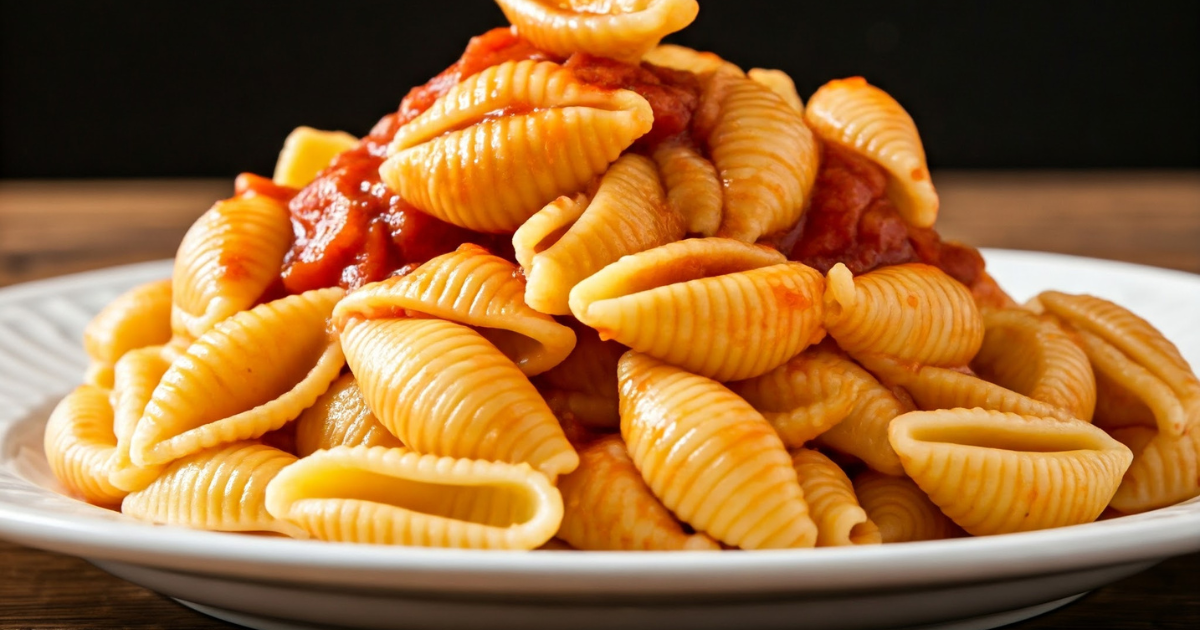
Ditalini pasta is a traditional Italian shape that looks like small tubes. It’s great in soups, casseroles, and more.

What are the origins of ditalini pasta?

Ditalini pasta comes from Italy, especially Tuscany and Emilia-Romagna. It’s been loved in Italian kitchens for years.

What are the different types of ditalini pasta?

You can find ditalini in whole wheat, gluten-free, and special varieties. These options meet different tastes and needs.

What are the nutritional benefits of ditalini pasta?

Ditalini pasta is full of complex carbs, fiber, and vitamins and minerals. It’s a healthy choice for a balanced diet.

How do I cook ditalini pasta perfectly?

To get the perfect al dente, follow the cooking guide closely. Pay attention to time and water temperature. Don’t forget to drain and toss with sauce.

Ditalini pairs well with tomato, pesto, or creamy sauces. It’s also great in soups, casseroles, and baked dishes. Add fresh herbs, Parmigiano-Reggiano, and olive oil for extra flavor.

Can I substitute ditalini pasta in other pasta recipes?

Yes, you can use ditalini instead of elbow macaroni or tubetti in many recipes. Its texture and shape fit well in Italian dishes.

Easy and Authentic Ceviche Recipe for Beginners


When the warm summer sun shines, I crave something cool and tasty. My go-to ceviche recipe is just that – a burst of citrusy joy that reminds me of Latin America’s beaches. It’s a mix of fresh seafood and lime, lemon, and orange juices, creating a flavor explosion.

Ceviche is a favorite in Latin America, loved by food lovers everywhere. It highlights the seafood’s natural sweetness and texture, all while the citrus adds a perfect tang. Let’s make your own Zesty Lime Ceviche together. It’s sure to wow your guests with its bright colors and delicious taste.

What is Ceviche?

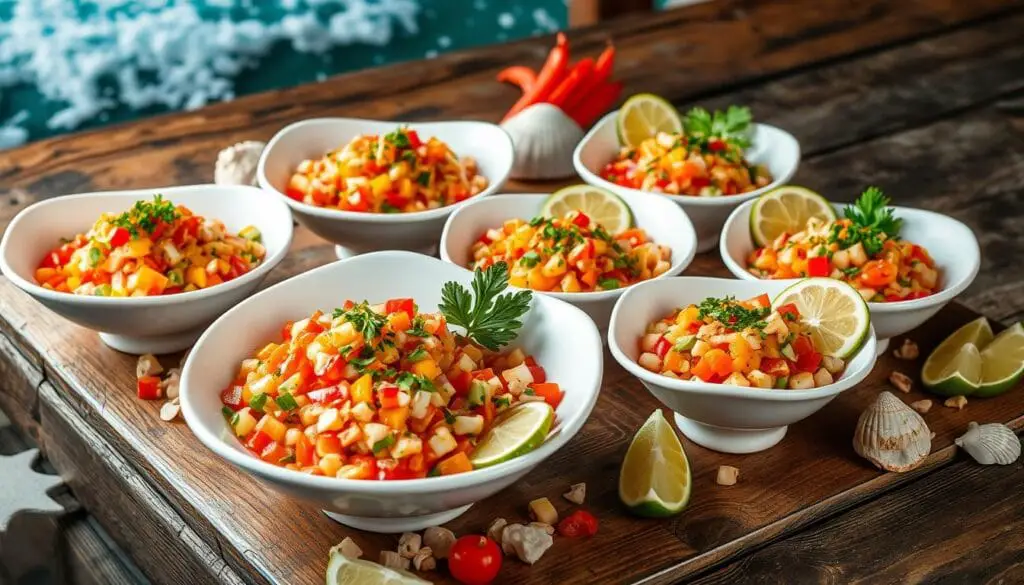
Ceviche is a vibrant dish from Central and South America’s coasts. It uses fresh fish or seafood “cooked” in lime juice. This mix is then seasoned with vegetables, herbs, and spices, blending flavors beautifully.

A Brief History of Ceviche

The Andean cultures of Peru started ceviche centuries ago. Spanish conquistadors brought it to Latin America, making it popular. Now, countries like Mexico, Ecuador, Colombia, and Chile have their own ceviche styles.

Cultural Significance in Latin America

Ceviche is more than food in Latin America. It shows the region’s rich sea heritage and diverse tastes. It’s a Latin American appetizer enjoyed at social events and family gatherings. Sharing ceviche brings people together, celebrating healthy Mexican cuisine and its traditions.

Ceviche is loved on Peru’s beaches, Mexico City’s streets, and Cartagena’s markets. It’s a symbol of Latin America’s culinary richness, delighting everyone who tries it.

Ingredients for My Zesty Lime Ceviche

Making the perfect zesty lime ceviche needs the right ingredients. You’ll need fresh seafood, crisp veggies, and a tangy marinade. These elements mix to create a dish full of flavor and texture.

Fresh Seafood Choices

I choose ocean fish like wild red snapper, sea bass, or halibut for the best ceviche. These fish are firm and white, perfect for soaking up lime flavors. I’ll use 1 lb of large cooked, peeled shrimp, cut into small pieces.

Essential Vegetables and Fruits

  • Red onion, finely diced
  • Ripe tomatoes, diced
  • Crisp cucumber, diced
  • Fresh cilantro, chopped
  • Jalapeño peppers, finely minced (optional for a spicy kick)
  • Avocado, diced (for a creamy contrast)
  • Radishes, thinly sliced (for a peppery crunch)

Seasoning and Marinades

The tangy lime marinade is the ceviche’s heart. I’ll use 1 ½ cups of fresh lime juice and a pinch of salt. For more flavor, I might add a few cloves of minced garlic. It’s important to use ripe, juicy limes for the right balance of tartness and sweetness.

Ingredient Quantity
Large cooked, peeled shrimp, chopped 1 lb
Fresh lime juice, divided 1 ½ cups
Salt to taste
Garlic, minced (optional) a few cloves

How to Prepare My Ceviche Step-by-Step

Making my zesty lime ceviche is simple and doesn’t need cooking. It’s a refreshing, flavorful appetizer. Let’s go through the easy steps to make this tasty dish.

Step 1: Sourcing Fresh Seafood

Begin by picking the freshest seafood. I choose firm white fish like tilapia or halibut, and shrimp. Cut the fish into small cubes and prepare the shrimp by peeling, deveining, and chopping.

Step 2: Marinating the Ceviche

In a big bowl, mix the seafood with lime juice. The lime’s acid will “cook” the seafood, making it firm. Refrigerate for 45-60 minutes, stirring now and then, until it’s opaque and firm.

Step 3: Mixing Ingredients Together

Once the seafood is marinated, add the rest of the ingredients. This includes diced red onions, cucumbers, tomatoes, and cilantro. Mix gently, without overdoing it. Season with salt and a bit of cayenne pepper to taste.

Your zesty lime ceviche is now ready! This easy recipe makes a delicious, no-cook appetizer. It’s great for summer parties or a light meal.

Tips for the Perfect Marinade

Making a tasty citrus-marinated fish dish begins with picking the right limes and knowing how long to marinate. The secret to a great mix of tangy lime flavors is in a few easy tips.

Choosing the Right Limes

Ripe, soft limes are essential for getting the most juice and flavor. Choose limes that are soft to the touch. These will give you the best juice for your marinade. Hard, dry limes won’t add much flavor to your dish.

Timing: How Long to Marinate

The marination time affects the fish’s texture and taste. For fish about 3/4 inch thick, marinate for 45-60 minutes. This lets the lime juice “cook” the fish, changing its texture and adding citrus flavor.

Marinating for up to 2 hours can make the fish firmer. But, be careful not to marinate too long, as it can make the fish chewy. When the fish looks opaque, it’s ready to mix with other ingredients.


Serving Suggestions for Ceviche

Ceviche is a refreshing seafood dish perfect for summer parties or gluten-free meals. It can be served in many creative ways.

Ideal Accompaniments

Crisp tortilla chips are great with ceviche, making it easy to scoop up. Mini tostadas with ceviche on top are also a hit. Serving it in coconut shells or appetizer cups adds a fun twist.

Presentation Ideas

  • Ceviche in lettuce cups for a low-carb, gluten-free option
  • Ceviche as a first course with creamy avocado sauce
  • Ceviche on a platter with colorful vegetables and herbs
  • Ceviche in small bowls or shot glasses for a festive party

When serving ceviche, highlight its fresh flavors. It’s perfect for any event, from casual gatherings to formal parties. The right accompaniments and presentation make it shine.

Storing Leftover Ceviche

Ceviche is a delightful dish that’s best enjoyed fresh. But what if you have leftovers? Don’t worry, with the right storage, you can keep the zesty flavors and fresh seafood for a few days. Let’s look at the best ways to refrigerate and enjoy your leftover ceviche.

Best Practices for Refrigeration

To keep your ceviche fresh, store it in an airtight container in the fridge. This keeps the flavors locked in and prevents the fish from drying out. Make sure the container is sealed tightly to keep air out, which can make the ceviche lose its vibrant color.

How Long Will It Last?

  • Properly stored in the fridge, your ceviche can last up to 2-3 days.
  • The citrus marinade will keep “cooking” the fish, changing its texture over time. So, it’s best to eat your leftover ceviche within a couple of days for the best flavor and texture.
  • Avoid freezing ceviche. Freezing can mess up the delicate balance of flavors and textures, making it mushy and unappetizing.

Remember, the key to storing leftover ceviche is to keep it cold and tightly sealed. With these simple tips, you can enjoy the fresh seafood and zesty flavors of your ceviche for a few extra days. Bon appétit!


Variations on My Zesty Lime Ceviche

My classic zesty lime ceviche is loved by many. But, the real magic happens when you try new things. Adding tropical fruits or a spicy kick can make it your own.

Tropical Fruit Additions

Diced mango or pineapple can add a sweet touch. Their natural sugars mix well with the lime, creating a perfect blend. Start with a little fruit and adjust to taste.

Spicy Twists with Jalapeños

For a spicy kick, use jalapeños or serrano peppers. Chop them finely, removing seeds and ribs to control the heat. Add them to the ceviche or use as a topping.

Try different seafood like shrimp, scallops, or a mix of fish. You can also add corn or sweet potato for texture and flavor.

Ingredient Amount
Shrimp, cooked or raw 2 pounds
Red onion, thinly sliced 1/2 cup
Jalapeño, ribs and seeds removed, minced 1
Cucumber, diced 3/4 cup
Roma tomatoes, seeded and diced 1 cup
Cilantro leaves, chopped 3/4 cup
Avocado, peeled, seeded, and chopped 1
Lime juice 1/2 cup (3/4 cup if using raw shrimp)
Lemon juice 1/4 cup
Orange juice 1/3 cup
Salt To taste
Tortilla chips For serving

Exploring these variations can lead to unique and tasty ceviche creations. It’s a great way to enjoy healthy Mexican cuisine and impress your guests.

Health Benefits of Ceviche

Ceviche is a vibrant dish from Latin American cuisine. It’s not just tasty but also healthy. As someone who cares about health, I’m excited to share its benefits.

Nutritional Value of Seafood

The base of ceviche is fresh seafood. This is a great source of lean protein. Seafood like white fish, shrimp, or scallops are full of omega-3s, vitamins, and minerals.

These nutrients are good for the heart, brain, and overall health.

Fresh Ingredients That Boost Immunity

Ceviche is more than just protein. It also has fresh ingredients that boost immunity. The citrus juices, like lime or lemon, are full of vitamin C.

Vitamin C is a strong antioxidant that strengthens the immune system. The veggies and herbs add more vitamins, minerals, and phytochemicals. These are key for a healthy diet.

Plus, ceviche is gluten-free. This makes it great for those with gluten sensitivities or on a gluten-free diet. Its healthy Mexican cuisine roots also make it a tasty and nutritious meal.

In short, ceviche is a dish that’s both delicious and healthy. It’s packed with lean protein and immune-boosting ingredients. It’s a great choice for anyone looking to eat well.

Pairing Drinks with Ceviche

Looking for the perfect drink to go with your zesty lime ceviche? You’ve got plenty of choices. Ceviche, being a light and citrusy dish, pairs well with cool, crisp drinks. These drinks help balance the tangy flavors.

Best Wines for Ceviche

Wine lovers, rejoice! Light and bright white wines are perfect with ceviche. Sauvignon Blanc and Pinot Grigio are top picks. They have zesty acidity and subtle fruit notes that match the fresh seafood and citrus.

Want to try something different? A Chilean Sauvignon Blanc from coastal regions like Limarí and Leyda is a great choice. These wines have a salty minerality and herbaceous notes that enhance ceviche’s flavors.

Refreshing Non-Alcoholic Options

  • Fruit-infused water, like lime and cucumber or strawberry and basil, is a light and refreshing choice for ceviche.
  • Coconut water is another great option. It has a subtle sweetness and tropical flavors that go well with the seafood and citrus.
  • For a bit of sweetness, try a light lemonade or hibiscus iced tea. They offer a nice contrast to the tangy ceviche.

When pairing drinks with ceviche, aim for something that balances its acidity and freshness. This lets the dish’s vibrant flavors stand out. Whether it’s a crisp white wine or a refreshing non-alcoholic drink, your ceviche will be a hit at any summer party.


Ceviche Around the World

Ceviche is a favorite dish in Latin America, showing the area’s rich food diversity. It’s made with fresh seafood and citrus juices. But, each country and region has its own twist on this dish.

Unique Regional Variations

In Peru, ceviche is a classic. It’s made with raw fish, citrus, onions, and cilantro. It’s often served with sweet potatoes or roasted corn.

Mexican ceviche is different. It includes tomatoes, cucumber, and fruits like mango. The seafood is marinated in a spicier mix.

In Ecuador, ceviche is full of local seafood like shrimp and octopus. It’s marinated with citrus and tropical fruits. Chile’s ceviche uses white fish, with roasted corn and onions.

Famous Ceviche Dishes to Try

  • Ceviche de Conchas Negras (Black Clam Ceviche) from Peru
  • Ceviche Vallartense from Puerto Vallarta, Mexico
  • Ceviche de Camarón (Shrimp Ceviche) from Ecuador
  • Ceviche de Corvina (Sea Bass Ceviche) from Chile

Peruvian ceviche is known for its bold flavors. But, Mexico and Ecuador offer tropical, vibrant versions. This dish is a must-try for anyone exploring Latin American cuisine.

Common Mistakes to Avoid

Making the perfect zesty lime ceviche is all about balance. You need fresh seafood, bright citrus, and herbs. But, even experienced cooks can make mistakes. By avoiding these, your easy ceviche preparation will always be a hit.

Over-Marinating Seafood

Marinating seafood in citrus is key. But, don’t let it sit for too long. Over-marinating makes the fish tough and rubbery. Aim for 30 minutes to 1 hour, depending on the seafood’s thickness.

Skimping on Fresh Herbs

Fresh herbs like cilantro are crucial for ceviche’s flavor. Don’t use dried herbs; they can’t match fresh ones. Add plenty of cilantro and maybe some parsley or oregano for extra taste.

Ingredient Quantity
Shrimp, peeled and deveined 1 lb
Lime juice 1 1/4 cup
Red onion, minced 1/2
Jalapeño pepper, minced 1/2
Roma tomatoes, hollowed and diced 2
Persian cucumbers, peeled, hollowed, and diced 2
Avocados, diced 2
Cilantro, minced 2 tbsp
Salt 1 tsp

By steering clear of these mistakes and following the recipe, you’ll make a flavor-packed, visually stunning ceviche. It’s sure to wow your guests.

My Favorite Ceviche-Focused Events

I love ceviche and can’t wait for summer to come. It’s the perfect time to go to ceviche-focused events. These gatherings celebrate Latin American food and let me enjoy ceviche’s fresh taste.

Hosting a Ceviche Tasting Party

Hosting a ceviche tasting party is a summer highlight for me. I invite friends and family to try different ceviche styles. We use shrimp, scallops, and snapper, showing how ceviche can be made in many ways.

Participating in Food Festivals

Attending food festivals is another summer joy. These festivals have ceviche vendors with fresh, seasonal ingredients. I love talking to chefs, learning about their ideas, and finding new ceviche recipes. These festivals are fun, delicious, and support our local food scene.

FAQ

What is the main ingredient in ceviche?

The main ingredient in ceviche is fresh seafood. This is usually fish like wild red snapper, sea bass, or halibut.

What are the key flavors in ceviche?

The key flavors in ceviche come from citrus juice, like lime. It also includes red onion, tomatoes, cucumber, cilantro, and jalapeños.

How long should ceviche be marinated?

Ceviche should marinate for 45-60 minutes. This depends on the fish piece size. Longer marinating makes the fish firmer but can make it chewy.

What are some serving suggestions for ceviche?

You can serve ceviche with tortilla chips or as mini tostadas. It’s also good in coconut shells, appetizer cups, or lettuce cups. For a special touch, serve it over a creamy avocado sauce.

How long will leftover ceviche last in the refrigerator?

Leftover ceviche can last 2-3 days in the fridge. It will continue to cure in the lime juice, changing its texture.

What are some common variations of ceviche?

Ceviche variations vary across Latin America. Peruvian ceviche is simple, while Mexican ceviche includes more vegetables. You can also try adding tropical fruits, changing spice levels, or using different seafood.

What are some common mistakes to avoid when making ceviche?

Avoid over-marinating the fish and using low-quality seafood. Don’t skip fresh herbs like cilantro. Also, make sure to balance the salt and lime juice to taste.

Easy Frozen Chicken Crock Pot Recipes for Dinner

Using your crock pot and frozen chicken makes dinner easy and tasty. Slow cooker recipes with frozen chicken are perfect for busy nights. They let you enjoy a homemade meal with little effort. You can make creamy chicken dishes or zesty Tex-Mex favorites with your crock pot and frozen chicken.

With the right ingredients and techniques, you can make delicious frozen chicken crock pot recipes. Your family will love gathering for these tasty dinners. These recipes and tips are great for both new and experienced cooks. They turn simple frozen chicken into amazing meals that everyone will love.

Key Takeaways

  • Discover the convenience of using frozen chicken in crock pot recipes for easy, hassle-free dinners.
  • Learn essential tips for safely cooking frozen chicken in a slow cooker, including proper temperature and timing guidelines.
  • Explore a variety of must-have ingredients and kitchen tools to elevate your frozen chicken crock pot creations.
  • Indulge in popular frozen chicken crock pot recipes like Creamy Italian Chicken, Honey Garlic Chicken, and Mexican-Style Shredded Chicken.
  • Unlock time-saving meal prep strategies to streamline your dinner routine.

Essential Tips for Cooking Frozen Chicken in a Slow Cooker

Cooking frozen chicken in a slow cooker is a great way to save time. But, it’s important to follow food safety and cooking tips. This way, your meals will be tasty and safe to eat. Here are some key tips for cooking frozen chicken in a slow cooker.

Food Safety Guidelines for Frozen Chicken

It’s crucial to follow food safety rules when cooking frozen chicken. Always thaw it in the fridge, not at room temperature. After thawing, cook the chicken until it reaches 165°F (74°C) to kill bacteria.

Best Temperature and Timing Settings

For the best results, cook frozen chicken on low for 7-8 hours or on high for 4-5 hours. This ensures it’s cooked safely. Check your slow cooker’s manual for exact settings.

Preparation Methods and Techniques

  • Place frozen chicken pieces in a single layer for even cooking.
  • Add a bit of liquid, like broth or water, to keep the chicken moist.
  • Try different seasonings and marinades to add flavor to your chicken.

By using these tips, you can cook frozen chicken safely and deliciously in your slow cooker. Enjoy making tasty meals for your family.

“Slow cooking frozen chicken in a crock pot is a game-changer for busy home cooks. The key is to follow food safety guidelines and cooking techniques to ensure your meals are not only delicious but also safe to enjoy.”

Must-Have Ingredients and Kitchen Tools

Creating tasty frozen chicken dishes in your crock pot needs a stocked pantry and the right tools. Essential seasonings and time-saving accessories are key. They help elevate your slow-cooked meals.

Let’s look at the crock pot essentials, slow cooker accessories, and pantry staples for chicken recipes. These will help you succeed in the kitchen.

Pantry Staples for Crock Pot Chicken Recipes

  • Boneless, skinless chicken breasts or thighs
  • Chicken broth or stock
  • Diced tomatoes
  • Onions, garlic, and herbs (such as thyme, rosemary, and parsley)
  • Spices (like paprika, cumin, chili powder, and oregano)
  • Soy sauce, Worcestershire sauce, and vinegar for marinades and sauces
  • Honey, brown sugar, and maple syrup for sweet and savory dishes

Essential Slow Cooker Accessories

  1. Programmable digital slow cooker with multiple settings
  2. Slow cooker liners for easy cleanup
  3. Meat thermometer to ensure safe internal temperatures
  4. Slow cooker shredder claws for effortless chicken shredding
  5. Slow cooker recipe book or online resources for inspiration
Crock Pot EssentialsFeaturesBenefits
6-Quart Programmable Slow CookerAdjustable temperature settings, digital timer, and automatic keep-warm functionPrecise temperature control, hands-off cooking, and food safety
Slow Cooker LinersBPA-free, heat-resistant, and disposableEasy cleanup, no scrubbing required
Meat Shredding ClawsSturdy, heat-resistant, and ergonomic designEffortless shredding of cooked chicken for versatile dishes

With these crock pot essentials, slow cooker accessories, and pantry staples for chicken recipes, you’re ready. You’ll make delicious and easy frozen chicken dishes in your slow cooker.

Frozen chicken makes crock pot chicken recipes easy and tasty. The slow cooker cooks frozen chicken into tender, flavorful dishes. Here are three favorite frozen chicken crock pot recipes for weeknights.

Creamy Italian Chicken

This easy chicken dinner uses frozen chicken breasts in a creamy Italian sauce. Just mix the chicken, cream of mushroom soup, Italian seasoning, and garlic in your slow cooker. Let it cook for a comforting meal. Serve over pasta or rice for a full slow cooker meal idea.

Honey Garlic Chicken

Try this Honey Garlic Chicken for a sweet and savory crock pot chicken recipe. Frozen chicken thighs or drumsticks are cooked in a sauce of honey, soy sauce, garlic, and ginger. It’s sticky and flavorful, great with steamed veggies and rice.

Mexican Style Shredded Chicken

Make your frozen chicken crock pot recipes into a Tex-Mex feast. Cook frozen chicken breasts or thighs with salsa, chili powder, cumin, and spices until tender. Shred the chicken and use it in tacos, burritos, or on nachos for a slow cooker meal idea full of flavor.

These crock pot chicken recipes show how versatile frozen chicken is in the slow cooker. With simple ingredients and no effort, you can have tasty easy chicken dinners any night.

Time-Saving Meal Prep Strategies

Getting a tasty and healthy dinner ready can be a big help with a crock pot and frozen chicken. By using meal planning, batch cooking, and freezer meals, you can save time. This makes weeknight cooking less stressful.

Planning your meals ahead is a smart move. Spend some time over the weekend planning your meals for the week. Make sure to include crock pot recipes with frozen chicken. This way, you can buy all your ingredients at once, avoiding last-minute grocery runs.

Batch cooking is also a big time-saver. When you make your crock pot meals, make extra. Freeze it for later and reheat when you need it. This saves time and ensures you have healthy meals ready for busy nights.

  1. Freeze individual portions of your favorite crock pot chicken dishes, like Creamy Italian Chicken or Honey Garlic Chicken. This makes quick meals easy to prepare.
  2. Precook and shred frozen chicken in big batches. Use it in tacos, salads, casseroles, and soups throughout the week.
  3. Keep frozen sides like rice, quinoa, and roasted veggies on hand. They’re great with your crock pot chicken dishes.

Using these time-saving meal prep strategies makes crock pot cooking with frozen chicken a breeze. With a bit of planning, you’ll have a delicious meal ready in no time.

Flavor Variations and Seasoning Combinations

Make your frozen chicken crock pot recipes more exciting with different seasonings. You can use classic herb and spice mixes or try flavors from around the world. This opens up a world of possibilities for your slow-cooked chicken dishes.

Classic Herb and Spice Blends

For a comforting taste, season your chicken with garlic, onion, paprika, thyme, and rosemary. These ingredients can turn your crock pot chicken into a delicious main dish.

International Flavor Profiles

Discover the bold tastes of global cuisine by using spices and seasonings from different places. Try chicken seasoning ideas like Moroccan cumin and coriander, Indian curry powder, or Mexican chili powder and cumin.

Sauce and Marinade Options

Enhance your crock pot chicken with various crock pot sauces and marinades. Choose from tangy barbecue sauce to creamy mushroom gravy. The right sauce can add global cuisine flavors and make your dish irresistible.

Seasoning BlendIngredientsCuisine Inspiration
Italian HerbGarlic, oregano, basil, rosemaryItalian
Cajun SpicePaprika, chili powder, garlic, onion, cayenneCreole/Cajun
Asian FusionGinger, garlic, soy sauce, rice vinegar, sesame oilAsian

“Experimenting with global cuisine flavors is a great way to keep your crock pot chicken recipes interesting and exciting.”

Troubleshooting Common Frozen Chicken Crock Pot Recipes

Cooking frozen chicken in a slow cooker can sometimes present a few challenges. But with the right troubleshooting tips, you can easily overcome any issues. This way, you can enjoy delicious, moist, and flavorful results every time. Let’s dive into some common problems and their solutions to help you perfect your slow cooker chicken recipes.

Dry, Stringy Chicken

If your frozen chicken is turning out dry and stringy, the culprit is likely overcooking. To avoid this, ensure you’re using the right temperature and cooking time settings for your slow cooker. Refer to the manufacturer’s recommendations and adjust as needed. Additionally, try adding more liquid, such as broth or sauce, to the pot. This will keep the chicken moist and tender.

Uneven Cooking

Frozen chicken pieces can sometimes cook unevenly in the slow cooker. Some parts may be fully cooked while others remain undercooked. To address this issue, try arranging the chicken pieces in a single layer. Make sure they’re not stacked or overlapping. This will allow for more even heat distribution and cooking.

Lack of Flavor

If your slow cooker chicken recipes lack flavor, it’s time to amp up the seasoning. Experiment with different spice blends, herbs, and marinades to infuse your dishes with bold, delicious flavors. Don’t be afraid to get creative with crock pot cooking tips and chicken recipe fixes. Find the perfect combination that suits your taste preferences.

Common Slow Cooker ProblemsSolutions
Dry, Stringy ChickenAdjust temperature and cooking time, add more liquid
Uneven CookingArrange chicken in a single layer, avoid overlapping
Lack of FlavorExperiment with spices, herbs, and marinades

By addressing these common slow cooker problems and applying the appropriate crock pot cooking tips and chicken recipe fixes, you’ll be well on your way. You’ll enjoy perfectly cooked, flavorful frozen chicken dishes every time you use your slow cooker.

Conclusion

Frozen chicken crock pot recipes are a great way to make easy dinners. They are perfect for busy nights or weekend meals. You can make tasty meals without much effort.

There are many ways to flavor your frozen chicken. You can use classic herbs, international spices, or creative sauces. With frozen chicken, you can try many different recipes.

Start by getting the right tools and learning how to prepare. This will help you become good at cooking with frozen chicken in your crock pot.

When making easy chicken dinners, always think about food safety. Try new flavors and use meal prep to save time. This article has given you great tips and recipes. Now, you can enjoy delicious frozen chicken crock pot meals.

FAQ

What are the benefits of using frozen chicken in crock pot recipes?

Frozen chicken in crock pot recipes is convenient and saves time. It’s easy to store and can go straight into the slow cooker without thawing. This is perfect for busy days or meal prep.

Plus, the slow cooker makes the chicken tender and juicy every time.

What food safety guidelines should I follow when cooking frozen chicken in a slow cooker?

Always cook frozen chicken in a slow cooker at 165°F (74°C) to kill bacteria. Don’t leave the chicken out for too long. Use a meat thermometer to check the chicken’s temperature before serving.

What are the optimal temperature and timing settings for cooking frozen chicken in a slow cooker?

Cook frozen chicken on low for 6-8 hours for the best results. This ensures it cooks evenly without drying out. If you’re in a hurry, use high for 3-4 hours. Always check the chicken’s temperature before serving.

What are some essential ingredients and kitchen tools for successful frozen chicken crock pot cooking?

You’ll need broth, onions, garlic, herbs, and sauces or seasonings. A programmable slow cooker, meat thermometer, and tongs or forks are also key. These tools help make delicious, easy chicken dishes.

Try Creamy Italian Chicken, Honey Garlic Chicken, or Mexican-Style Shredded Chicken. These recipes are easy to make and offer different flavors for everyone’s taste.

How can I streamline meal prep using frozen chicken and a crock pot?

Batch cook frozen chicken and portion it for later meals. Prepare crock pot chicken recipes in advance by assembling ingredients in a freezer-safe bag. These strategies save time and make delicious dinners ready for busy nights.

What flavor variations and seasoning combinations work well with frozen chicken crock pot recipes?

You can use classic herbs like rosemary and thyme, or try international flavors like Mexican or Mediterranean. Experiment with sauces like mushroom or barbecue for unique flavors.

How can I troubleshoot common issues with frozen chicken crock pot recipes?

For dry chicken, make sure it’s fully covered in liquid. Adjust cooking time or temperature if needed. Add more seasoning or sauce. Check the chicken’s temperature and shred it for the best results.

Perfect Lamb Loin Roast Recipe for Special Occasions


As the sun shines through the window, it lights up the kitchen. I feel excited. Lamb has always been a special dish in my family. It brings us together to celebrate.

Today, I’m excited to share a perfect lamb loin roast recipe. It’s sure to impress your guests and make your next special occasion unforgettable.

Lamb loin roast is tender and juicy. It’s ready in just 30 minutes. It’s perfect for a quick yet elegant meal.

Whether it’s an intimate Easter gathering or a sophisticated dinner party, this recipe will impress. It will make your loved ones ask for seconds.

In the pages that follow, you’ll learn how to season and roast your lamb loin perfectly. Every bite will celebrate spring’s flavors. You’ll learn about the unique qualities of this cut and how to make a delicious herb and garlic marinade.

This guide will take you through every step. It will empower you to create a dish that will have your guests talking long after the meal.

Understanding Lamb Loin: A Premium Cut for Special Dinners

Lamb loin is a tender and flavorful cut of meat. It comes from the area just below the backbone. This cut is known for its exceptional texture and rich taste.

Unlike lamb chops, which have bones, lamb loin is boneless. This makes it very tender because it’s from a less used part of the lamb.

What Makes Lamb Loin Special

Lamb loin is highly sought after for its tenderness and flavor. The muscle in this area is used less, making it tender and juicy. The natural marbling adds a rich, buttery taste.

Different Cuts of Lamb Explained

  • Lamb Chops: Cut from the loin area, lamb chops often include a portion of the bone for added flavor and presentation.
  • Lamb Saddle: Consisting of both backstraps (loins) and occasionally the backbone, the lamb saddle is a premium and visually striking cut.
  • Lamb Shoulder: A more economical cut that benefits from longer cooking times to tenderize the meat and develop rich, complex flavors.
  • Lamb Leg: A large, versatile cut that can be roasted whole or divided into smaller steaks or chops.

Choosing the Right Lamb Loin

When picking a lamb loin, look for a pinkish-red color and good marbling. Avoid any that looks dry or discolored. For a bone-in option, ask your butcher to debone it or do it yourself.

This makes slicing and portioning easier. It also helps with presentation when serving.

Lamb Cut Popularity Rank Texture Flavor Profile
Lamb Loin 3 Exceptionally Tender Rich and Buttery
Lamb Rack 2 Tender and Juicy Robust and Flavorful
Lamb Shoulder 1 Succulent with Tougher Texture Deep, Hearty Flavor

Essential Ingredients and Equipment for Your Roast

To make a perfect lamb loin roast, you need the right ingredients and tools. The main ingredient is a 1.5-pound lamb loin roast. This cut is known for its great taste and softness. You’ll also need roasted garlic, fresh herbs like parsley and rosemary, olive oil, sea salt, and black pepper to season it.

You’ll need some key tools in your kitchen. A good grill or oven is a must. You’ll also need a meat thermometer to check the lamb’s temperature. A roasting pan or cast iron skillet is perfect for cooking the roast. Kitchen twine is needed for tying the meat, and aluminum foil is used for roasting garlic and covering the lamb.

With your ingredients and tools ready, you’re almost there. Creating a stunning lamb loin roast will wow your guests. Paying close attention to lamb roasting techniques and choosing the right roasting equipment is crucial. Let’s move on to the next steps for a perfect dish.

Preparing Your Lamb Loin Roast Recipe

Before cooking your lamb loin roast, make sure the meat is at room temperature. Let it sit on the counter for at least 30 minutes. This step ensures even cooking.

Trimming and Tying Techniques

For a boneless lamb loin, trim off any extra fat, leaving a thin layer. Spread roasted garlic over the meat, then add fresh herbs. Roll it up and tie it tightly with twine. This keeps the roast even and in shape.

If your lamb loin has a bone, put garlic and herbs on the outside. Use twine to keep the lamb’s shape while it cooks.

Seasoning Methods

Season your lamb preparation with salt and pepper. This lets the lamb’s natural flavors stand out. You can also try other spices and herbs like rosemary, thyme, or oregano to make it your own.

For a tasty lamb loin roast, remember a few key steps. Let the meat warm up, trim and tie it right, and season it well. Follow these tips to make a dish that will wow your guests.

Herb and Garlic Marinade Magic

Take your lamb loin roast to the next level with a delicious herb and garlic marinade. This mix adds a perfect blend of savory and aromatic flavors. Every bite will be a joy.

Begin by roasting garlic cloves to bring out their sweet, caramelized taste. Wrap the garlic in foil with olive oil and salt. Roast at 400°F for 45 minutes until soft and fragrant. Let it cool, then mash it into a paste.

In a bowl, mix the mashed garlic with chopped fresh herbs like parsley and rosemary. Add olive oil, salt, and pepper to taste. Spread this mix all over your lamb loin roast. Make sure to massage it into the meat and between the fat for the best flavor.

For a twist, try adding fresh basil leaves to the mix. The bright taste of basil complements the lamb’s richness perfectly.

By making this lamb marinade and letting the flavors mix, your garlic lamb loin roast will be packed with amazing flavor. Your guests will love it.

Perfect Temperature and Timing Guide

Getting the perfect lamb loin roast is all about controlling temperature and timing. Whether you like it rare, medium, or well-done, our guide will help. It ensures your roast is cooked just right.

Internal Temperature Chart

For a juicy, flavorful lamb loin roast, watch the internal temperature. For medium-rare, aim for 130-135°F. For medium, go for 135-140°F. And for well-done, the range is 155-165°F. Always use a meat thermometer for accurate readings.

Resting Times

After your lamb loin roast hits the right temperature, let it rest for 5-10 minutes. This step lets the juices spread evenly. It makes the meat moist and tender.

Doneness Levels

The doneness of your lamb loin roast can vary. For medium-rare, aim for 130-135°F. For medium, the range is 135-140°F. And for well-done, aim for 155-165°F.

The cooking time depends on the roast’s size and weight. A 1.5-pound roast usually takes about 30 minutes to reach medium-rare. Always check with a meat thermometer for the perfect temperature and doneness.

Roasting Methods: Oven vs. Grill

When cooking the perfect lamb loin roast, you have two great choices: oven roasting and grilling. Both methods can make your dish taste amazing. But each brings its own special flavors and cooking styles.

Oven Roasting Lamb Loin

To oven roast your lamb loin, heat your oven to 350°F (177°C). First, sear the roast in a pan or skillet to keep the juices in. Then, put the pan in the oven and cook for 35 to 40 minutes for a medium-rare.

This slow cooking makes the lamb tender and full of flavor.

Grilling Lamb Loin

Grilling is another great way to cook your lamb loin. Start by searing the roast over high heat for about 15 minutes. This gives it a nice crust.

Then, move the roast to a cooler part of the grill and close the lid. Cook for another 15 to 25 minutes. Use aluminum foil to cover it if it browns too fast.

Both oven roasting and grilling make delicious lamb loin roasts. But grilling adds a smoky taste. Try both to see which one you like best for your special occasion.

Creating the Perfect Herb Crust

To make your herb-crusted lamb loin stand out, picking the right herbs is key. Choose from rosemary, parsley, mint, thyme, and oregano. For a Mediterranean flair, add spices like cumin, coriander, or sumac. Chop these herbs finely and mix with roasted garlic and olive oil for a fragrant paste.

Fresh Herb Selection

  • Rosemary—earthy, pine-like flavor that pairs beautifully with lamb.
  • Parsley—bright, grassy notes that balance the richness of the meat.
  • Mint—adds a refreshing, cooling element to the herb crust.
  • Thyme—subtle, woodsy tones that complement the lamb’s natural flavors.
  • Oregano—brings a hint of peppery, slightly sweet notes to the mix.

Application Techniques

After mixing your herbs, spread them over the lamb loin. Press them into the meat well. For bone-in roasts, get the herb paste under the skin too. This makes a tasty crust as the lamb cooks, boosting the herb-crusted lamb loin taste.

Serving and Presentation Tips

When it comes to your perfect lamb loin roast, the final presentation is key. You’ve worked hard to make a delicious dish. Now, it’s time to show it off. Here are some tips to make your lamb dinner ideas stand out and impress your guests.

First, let your lamb loin roast rest for 15-20 minutes before slicing. This step makes sure each slice is tender and juicy. Slice the roast against the grain for the best texture.

To add elegance, garnish with fresh herb sprigs like rosemary or thyme. These herbs not only look good but also add to the lamb’s flavor. Serve the sliced roast on a warm platter to keep it at the right temperature.

For an extra touch, offer mint sauce or a rich red wine reduction. These add a fresh or sophisticated note to your dish. They contrast nicely with the savory lamb.

How you arrange the sliced lamb matters too. Fan out the slices and add colorful side dishes like roasted veggies or a vibrant salad. This makes your dish visually appealing and memorable.

By following these tips, your lamb loin roast will be the star of your special occasion. You’ll get compliments and enjoy the satisfaction of serving a dish that looks and tastes amazing.

Wine Pairing Suggestions

Make your lamb dinner even better by choosing the right wine. Lamb goes well with many bold red wines. Try these options to enhance your lamb dish.

Red Wine Options

For a classic choice, pick Cabernet Sauvignon, Syrah, or Malbec. These wines match lamb’s rich flavors. For lighter lamb, Pinot Noir or Grenache are great.

White Wine Alternatives

White wine can also pair well with lamb. Try oaked Chardonnay or Viognier for a refreshing taste. A dry white like Sauvignon Blanc or a rosé can also work well.

Choosing the right wine depends on the lamb’s flavor and how it’s prepared. Try different wines to find the best match for your dish.

Wine Type Lamb Pairing Average Price Range
Cabernet Sauvignon Roast leg of lamb $25 – $50
Syrah Grilled or barbecued lamb $20 – $40
Pinot Noir Lamb chops or medium-done rack of lamb $30 – $60
Chardonnay Lamb curries or stews $15 – $30
Rosé Rare or pink rack of lamb $12 – $25

Complementary Side Dishes

Choosing the right side dishes can elevate your lamb loin roast to new heights. Whether you want to add a Mediterranean flair or a refreshing crunch, there are many delicious options. These can enhance the rich, tender flavors of your lamb.

  • Roasted Asparagus: This dish is incredibly addictive and has been named one of the top 10 recipes of all time. It’s a must-try for any meal.
  • Roasted Brussels Sprouts with Pears and Pistachios: This side dish has been voted “Our Best Green Holiday Side.” It offers a perfect balance of sweet and savory flavors.
  • Instant Pot Buttermilk and Leek Mashed Potatoes: This side is made with pressure-cooked Yukon gold potatoes and leeks. It’s creamy and flavorful, making it a great match for your lamb loin roast.

For a lighter option, try the sweet potatoes roasted in coconut oil. It adds a sweeter, tropical flavor. The radish salad with anchovy sauce and hashed Brussels sprouts with poppy seeds and lemon also offer a nice contrast to the lamb’s richness.

Classic choices like Potatoes au Gratin and Saffron Rice can also enhance your lamb loin roast. For a refreshing summer touch, consider the Summer Couscous Salad or Bacon Pea Salad.

With so many tempting options, you’re sure to find the perfect side dishes for your lamb loin roast. They’ll make your special occasion meal unforgettable.

Storage and Leftover Ideas

Don’t let leftover lamb loin roast go to waste! With simple storage and creative ideas, you can enjoy it for days.

First, let’s talk about proper storage. Cooked lamb leftovers can be safely stored in an airtight container in the fridge for up to 3 days. Freeze them for up to 3 months for longer enjoyment. When reheating, gently heat the lamb to 165°F to ensure safety and prevent overcooking.

Now, let’s have fun with leftover lamb! Chop or shred it and add it to many dishes. Use it in sandwiches, salads, or wraps for a protein-rich lunch. Diced lamb is also great in shepherd’s pie or hearty curries. The options are endless.

When storing cooked lamb, add broth or water to keep it moist. This way, your lamb loin roast will still delight your taste buds long after the first meal.

Conclusion

Lamb loin roast is a great choice for special dinners. It’s both versatile and delicious. With the right steps, you can make a meal that will wow your guests.

Choose the best ingredients and let the meat marinate and rest well. Use a meat thermometer to get it just right. This ensures your lamb is cooked perfectly.

Grilling or oven-roasting your lamb loin roast will make it a hit. This premium meat, when cooked with care, makes any dinner special. Enjoy it with great side dishes and wine for a memorable meal.

This article has given you the skills to cook a perfect lamb loin roast. Enjoy this special meal and make memories with your family and friends.

Delicious Swamp Soup Recipe: Southern Comfort Classic

In the heart of the Louisiana bayou, a culinary tradition has endured for generations. The beloved Louisiana swamp soup is a savory concoction that embodies the essence of Southern comfort food. This authentic Cajun gumbo recipe takes you on a flavorful journey through the rich history and vibrant culture of the region.

At the core of this dish are the bold, earthy flavors that have come to define Southern comfort food. Simmered to perfection, the swamp soup features a harmonious blend of fresh seafood, tender meats, and an array of aromatic vegetables. All are simmered in a rich, flavorful broth. The result is a hearty, soul-warming dish that celebrates the bountiful resources of the bayou and the culinary ingenuity of its people.

Key Takeaways

  • Authentic Louisiana swamp soup is a classic Cajun gumbo recipe
  • This dish is deeply rooted in the rich culinary heritage of the Southern bayou region
  • The key ingredients and flavors create a comforting, soul-warming experience
  • The recipe showcases the bounty of the Louisiana bayou and the culinary creativity of the region
  • This swamp soup recipe is a beloved Southern comfort food classic

Introduction to Southern Swamp Soup Heritage

The Southern cuisine is rich and colorful, shaped by many cultures over centuries. At its core is swamp soup, a dish that shows the Cajun and Creole influences in Louisiana’s food scene.

Origins in Louisiana Bayou Cuisine

Swamp soup comes from Louisiana’s bayous, where Cajun and Creole people have lived for a long time. It’s a hearty dish made from the area’s natural resources. Cajun history and Creole influence are key to this Southern favorite.

Cultural Significance in Southern Cooking

Swamp soup is more than just food; it’s a cultural treasure in traditional Southern recipes and Louisiana food culture. It celebrates the resourcefulness of the South’s people, blending land and sea to feed both body and soul. Its story is a tribute to the South’s culinary spirit.

Exploring swamp soup‘s history reveals the deep Cajun history, Creole influence, and Louisiana food culture that make it a beloved traditional Southern recipe. This dish honors the region’s culinary artistry, inviting you to a flavorful journey through Southern cooking.

Essential Ingredients for Authentic Swamp Soup Recipe

Making a delicious Swamp Soup needs the right mix of ingredients. At its core are the trinity vegetables – onions, bell peppers, and celery. These create the soup’s base flavor. Next, the Andouille sausage adds a savory touch, common in Cajun and Creole dishes.

The soup wouldn’t be the same without okra. It’s what makes the soup thick and special. For that true Louisiana taste, crawfish and file powder (ground sassafras leaves) are key. They bring bold, earthy flavors to the dish.

  • Okra – Provides the signature thick and slimy texture
  • Andouille sausage – Delivers a smoky, spicy kick
  • Crawfish – Contributes a sweet, briny element
  • File powder – Adds an earthy, herbal note and helps thicken the soup
  • Trinity vegetables (onions, bell peppers, celery) – The aromatic foundation

Choosing and mixing these key ingredients right makes a Swamp Soup that truly represents Louisiana’s food culture.

Kitchen Tools and Equipment Needed

Making a tasty swamp soup needs more than just the right ingredients. The right kitchen tools and equipment can greatly improve the process. Let’s look at the essential items for this Southern comfort classic.

Traditional vs Modern Cooking Methods

Traditional cast iron pots and gumbo paddles are key for authentic swamp soup. But, modern appliances like the food processor and slow cooker can also help. Your choice depends on what you prefer and how traditional you want it.

Pot and Utensil Requirements

  • A large, cast iron pot for simmering the soup base
  • A sturdy gumbo paddle for stirring and blending the ingredients
  • A ladle for serving the soup
  • Measuring cups and spoons for precise ingredient portioning

Time-Saving Kitchen Gadgets

A food processor can quickly chop veggies and herbs. A slow cooker is also great. It lets the soup simmer slowly, making the flavors richer and the ingredients tender.

With the right tools and equipment, you’re ready to make a delicious swamp soup. It will be a true Southern comfort dish.

Preparing Your Base Stock

The base of any great swamp soup is the flavorful stock. You can choose from seafood, chicken, or vegetable broth. The goal is to make it rich and full of Southern cooking flavors. Let’s look at how to make the perfect stock for your swamp soup.

Creating a Seafood Stock

To make a seafood broth, start by simmering shrimp shells, crawfish tails, or fish bones in water. Add onions, celery, and bell peppers, along with Cajun spices. Let it simmer for at least an hour. This way, the flavors will mix well and the stock will become deep and savory.

Opt for Chicken or Vegetable Broth

For a chicken stock, roast chicken wings or drumsticks until they’re golden. Then, simmer them in water with the same vegetables and spices. For a vegetarian option, make a rich vegetable broth by simmering a mix of fresh produce, herbs, and spices.

The Key Role of Roux

The secret to a thick, velvety swamp soup is the roux. To make it, melt butter and flour in a saucepan, stirring constantly until it’s dark brown. This roux preparation is what thickens and enriches your soup.

Broth TypeKey IngredientsCooking Time
Seafood StockShrimp shells, crawfish tails, fish bones, onions, celery, bell peppers, Cajun spicesAt least 1 hour
Chicken StockChicken wings or drumsticks, onions, celery, bell peppers, Cajun spicesAt least 1 hour
Vegetable BrothAssorted fresh vegetables, herbs, and spicesAt least 30 minutes

With your flavorful stock and a great roux, you’re ready to make a delicious swamp soup. It will take you straight to the heart of Louisiana.

Meat and Seafood Selection Guide

When making a delicious swamp soup, picking the right seafood and meats is key. You want to get that true Southern taste. Let’s look at the best choices to make your dish stand out.

Choosing Fresh Crawfish and Shrimp

Crawfish and shrimp are the main attractions in swamp soup. For the best taste, pick live crawfish with a hard shell and bright colors. Shrimp should be firm, clear, and smell sweet. Stay away from any signs of spoilage for top-notch fresh seafood.

Alternatives for Different Dietary Needs

If you’re looking for vegetarian options, try using seasonal veggies like okra, bell peppers, and zucchini. These add a nice crunch and color to your soup. They’re great for those who follow a plant-based diet.

Proper Storage Methods

Keeping your food safe is very important, especially with seafood and meats. Keep crawfish and shrimp cold, below 40°F (4°C). Use plastic or a tight container to avoid contamination. For longer storage, freeze them in a single layer to keep their sustainable fishing quality.

By choosing and storing your ingredients right, your swamp soup will be full of Southern bayou flavors. This is true for any diet.

Step-by-Step Swamp Soup Recipe

Making the perfect Swamp Soup is a fun journey to Southern Louisiana’s heart. Follow these easy steps to make a dish full of flavor. It will make your taste buds dance with joy.

Start by getting your cooking instructions. In a big pot, cook your veggies like onions, celery, and bell peppers until they’re soft and smell great. This is the base of the soup’s rich taste.

Then, add your ingredient order – like fresh crawfish, shrimp, or your favorite meat. Let them simmer slowly. This makes the broth sweet and full of flavor.

As it cooks, add your ingredient order – like fresh crawfish, shrimp, or your favorite meat. Let them simmer slowly. This makes the broth sweet and full of flavor.

As the simmering time goes on, add your Cajun spice mix. This gives the soup its unique kick. Make sure the serving temperature is just right, so every bite is perfect.

  1. Sauté the aromatic vegetables until softened.
  2. Add the crawfish, shrimp, or protein of choice and allow to simmer.
  3. Introduce the Cajun seasoning blend, adjusting the heat level to your preference.
  4. Simmer the soup, allowing the flavors to meld and the broth to thicken to your desired consistency.
  5. Ladle the Swamp Soup into bowls and serve hot, garnished with fresh parsley or green onions.

By following these cooking instructions, you’ll get a Swamp Soup full of life and warmth. It’s a taste of Southern Louisiana’s rich food culture. Enjoy every bite and let the smell take you to the bayou.

Seasoning Secrets and Spice Blends

Mastering seasoning is key to making a flavorful Creole swamp soup. Cajun cuisine is known for its bold spice mixes. Each spice is balanced to create a taste symphony.

Traditional Cajun Spice Combinations

The base of Creole swamp soup is a mix of Creole seasoning, cayenne pepper, garlic powder, paprika, and thyme. These spices work together, each adding a unique flavor. The right mix of heat, warmth, and earthy notes makes the soup stand out.

Heat Level Adjustments

  • For a milder soup, use less cayenne pepper and add some paprika for a smoky taste.
  • For a spicier soup, add more cayenne pepper and Creole seasoning.
  • Adjust garlic powder and thyme to your taste, balancing the flavors.

Creating a great Creole swamp soup means finding the right spice mix. Experiment until you find the perfect blend that excites your taste buds and takes you to the Louisiana bayou.

Serving Suggestions and Accompaniments

Enjoying a hearty swamp soup is better with the right sides. Classic rice pairings and comforting cornbread add depth and balance. These sides complement the rich, flavorful broth.

Long-grain white rice is a traditional choice for swamp soup. Its subtle flavor and fluffy texture are perfect for the bold soup. For extra richness, try basmati or jasmine rice.

No Southern meal is complete without cornbread. Its slightly sweet and crumbly texture is great with the savory soup. Serve it alongside or crumble it into the bowls.

For more Cajun flavor, offer hot sauces. Guests can adjust the spice to their liking. Tabasco, Cholula, or homemade Creole-style hot sauce are all good choices.

Adding garnishes like parsley, green onions, or crispy fried onions brightens the soup. These toppings not only look good but also add flavor and texture.

AccompanimentDescription
White RiceLong-grain white rice provides a neutral base to soak up the flavorful swamp soup broth.
CornbreadWarm, golden-crusted cornbread adds a touch of sweetness and a satisfying textural contrast.
Hot SauceOffering a selection of hot sauces allows diners to customize the heat level to their preference.
GarnishesFresh herbs, green onions, and fried onions add a vibrant touch and enhance the overall dining experience.

Storage Tips and Leftover Ideas

Enjoying swamp soup’s tasty flavors means knowing how to store and use leftovers. A few easy steps can keep your swamp soup fresh for later meals.

Freezing and Reheating Guidelines

Swamp soup freezes great, making it perfect for meal prep. Cool it down, then put it in airtight containers or bags. For the best taste, eat it within 2-3 months. To reheat, thaw it in the fridge, then warm it up on the stove or in the microwave.

Creative Leftover Recipes

  • Swamp Soup Quesadillas: Mix leftover soup with cheese, then grill or bake for a tasty twist.
  • Swamp Soup Stuffed Peppers: Fill bell peppers with soup, cheese, and bake until tender.
  • Swamp Soup Fried Rice: Cook soup with rice, eggs, and veggies for a flavorful fried rice dish.

Swamp soup’s versatility lets you enjoy it in many ways. This makes meal prep easier and helps reduce waste.

Storage MethodShelf LifeReheating Tip
Refrigerator3-4 daysReheat on the stove or in the microwave until heated through.
Freezer2-3 monthsThaw in the refrigerator overnight, then reheat on the stove or in the microwave.

Conclusion

Swamp soup is a beloved dish in Southern cuisine, showing the region’s rich culinary heritage. It comes from the Louisiana bayous, where cooks have mixed fresh seafood, meats, and spices. This creates a dish that warms the soul.

When you make this Southern classic, you honor the traditions of Southern cuisine and home cooking. It’s a dish that delights your taste buds and adds comfort food to your table. It’s perfect for both seasoned cooks and beginners.

Enjoy the culinary tradition in this dish. Let its rich flavors take you to the heart of Southern cooking. Making this recipe brings joy and creates memories with loved ones.

https://www.youtube.com/watch?v=mFygkcOObPA

FAQ

What is the origin of Southern swamp soup?

Southern swamp soup comes from Louisiana’s bayou area. It combines French, Spanish, and Native American cooking styles. This mix creates the unique taste of Louisiana’s bayou food.

What are the key ingredients in authentic swamp soup?

Real swamp soup needs okra, Andouille sausage, crawfish, and file powder. It also includes the “holy trinity” of Cajun cooking: onions, bell peppers, and celery.

What kitchen tools are needed to make swamp soup?

To make swamp soup, use a cast-iron pot and a gumbo paddle. You can also use a food processor or slow cooker to make it easier.

How do you prepare the base stock for swamp soup?

The base stock can be seafood, chicken, or vegetable broth. A good roux is key to the soup’s flavor and texture.

What are some tips for selecting and preparing the meat and seafood for swamp soup?

Pick fresh, quality crawfish and shrimp. For dietary needs, there are vegetarian and gluten-free options too.

How do you season swamp soup to achieve the perfect flavor?

Use Cajun spices like cayenne pepper, garlic powder, paprika, and thyme. Adjust the heat to your liking.

What are some recommended serving suggestions and accompaniments for swamp soup?

Serve swamp soup over rice with cornbread and hot sauce. Add chopped green onions or parsley for extra flavor.

How can swamp soup leftovers be stored and repurposed?

Freeze swamp soup for later. Use leftovers in creative dishes like casseroles or fried soup croquettes.

How to Make Madeline Cookies Recipe Using Cream

Are you a fan of the iconic French madeline cookies? Ever thought of making them at home? This guide will show you how to make perfect cream-based madelines in your kitchen. These treats are a classic, and adding cream brings a new flavor and texture. Impress your friends and family with your madeline baking skills!

Key Takeaways

  • Discover the history and origins of the classic French madeline cookie
  • Understand the difference between traditional and cream-based madeline variations
  • Learn about the essential ingredients needed to make perfect madeline cookies
  • Explore the must-have kitchen tools and equipment for baking madelines
  • Master the mixing and folding techniques for a light, airy madeline texture

The madeline cookie has a long history, starting in the 18th century in France’s Lorraine region. Made with simple ingredients like flour, eggs, and butter, they are a favorite in French pastry culture. They are especially loved in the town of Commercy.

History and Origins of Madeline Cookies

The madeline cookie’s story begins with the Duchess of Lorraine. She wanted a cookie that looked like her favorite scallop shell. A local pastry chef made the madeline, a soft, buttery treat that soon became popular all over France.

Traditional vs. Cream-Based Variations

The traditional French madeline is made with butter, flour, eggs, sugar, and melted butter. But, a cream-based version has also appeared. It uses heavy cream instead of some butter, making the madeline richer and more indulgent.

Why Cream Makes These Cookies Special

Cream in madeline cookies makes them extra special. It adds a creamy texture that goes well with the buttery taste. The cream also makes the cookies tender and soft, making them a treat to enjoy.

Essential Ingredients for Perfect Madeline Cookies

Making delicious madeline cookies needs a mix of top-notch baking ingredients. At the core of this French classic are a few key parts. They work together to give the cookies their light, airy, and soft texture.

The base of a great madeline is high-quality butter. Choose a premium, unsalted butter for the best flavor. Fresh eggs are also key, adding structure and a golden color to the cookies.

Heavy cream is used to make the cookies melt in your mouth. This ingredient adds a soft richness that makes madelines special.

Adding a bit of lemon zest can also boost the taste. It adds a light citrus flavor that goes well with the other ingredients.

IngredientRole in Madeline Cookies
High-quality butterProvides rich, creamy flavor and tender texture
Fresh eggsContributes structure and golden color
Heavy creamAdds a delicate richness and melt-in-your-mouth texture
Lemon zestEnhances the flavor profile with a subtle citrus note

By picking and using these baking ingredients wisely, you’ll make perfect madeline cookies every time.

Required Kitchen Tools and Equipment

Baking delicious madeline cookies needs the right tools and equipment. You’ll need a perfect madeline mold and essential temperature control devices. Let’s look at the must-have items for making great madelines.

Choosing the Right Madeline Pan

The key to great madeline cookies is the pan. Choose a high-quality, non-stick pan with classic shell shapes. Metal pans work better than silicone madeline molds for even heating.

Must-Have Baking Utensils

  • A strong stand mixer or hand mixer for creaming the batter
  • Measuring cups and spoons for accurate ingredient amounts
  • A rubber spatula for gently mixing the batter
  • A pastry brush for buttering the madeline pan

Temperature Control Essentials

Getting the temperature right is key for perfect madeline cookies. Get a reliable oven thermometer to check your oven’s accuracy. A digital thermometer is also good for checking the cookies’ internal temperature.

ToolPurpose
Madeline MoldBaking the classic shell-shaped cookies
Non-Stick PanEnsuring easy release and cleanup
Stand MixerWhipping and incorporating the batter
Oven ThermometerMaintaining precise baking temperatures

Madeline Cookies Recipe Using Cream

Explore the world of cream-based madeline cookies with our easy guide. This French pastry gets a rich twist with creamy additions. It’s a unique treat that will make your taste buds happy.

First, get the key ingredients for your cream-based madeline recipe:

  • Unsalted butter, softened
  • Granulated sugar
  • Eggs, at room temperature
  • All-purpose flour
  • Heavy cream
  • Vanilla extract
  • Lemon zest (optional)

Now, let’s start baking. Follow these steps for perfect cream-based madeline cookies:

  1. Preheat your oven to 375°F (190°C). Grease your madeline pan with butter or non-stick spray.
  2. In a medium bowl, mix the softened butter and sugar until fluffy.
  3. Add the eggs one at a time, beating well after each.
  4. Mix in the flour and heavy cream gently until just combined.
  5. Stir in vanilla extract and lemon zest for extra flavor, if desired.
  6. Spoon the batter into the madeline pan, filling each shell three-quarters full.
  7. Bake for 10-12 minutes, until edges are golden and centers set.
  8. Remove the madelines from the pan and cool on a wire rack.

With these cream-based madeline recipe tips and step-by-step instructions, you’re ready to make delicious madeline cookies. They’ll impress everyone with their buttery, creamy taste!

Preparing Your Ingredients and Workspace

Making perfect madeline cookies requires focus on detail. This begins with mise en place, a French term for preparing ingredients and workspace before baking. This method makes the baking process smooth and efficient, leading to the best results.

Room Temperature Guidelines

For the best texture and rise, all ingredients should be at room temperature. This ensures they mix well and incorporate air easily. Take eggs, butter, and other chilled items out of the fridge 30 minutes before baking.

Proper Measuring Techniques

  • Use accurate measurements for ingredients – don’t guess! Exact measurements are crucial for consistent, high-quality madelines.
  • For dry ingredients like flour and sugar, spoon and level them. This avoids packing and ensures the right amounts.
  • Use clear glass or plastic measuring cups for liquids. Place them on a flat surface for accurate readings.

Pan Preparation Tips

Properly greasing the madeline pan is key to prevent cookies from sticking. Brush or spray the wells with a thin layer of butter or non-stick spray. Make sure to cover all areas for easy cookie release.

With your ingredients prepared and your workspace ready, you’re all set for madeline-making success!

Mixing and Folding Techniques

To get the perfect madeline cookie texture, you need to mix and fold right. It’s all about adding air to the batter while keeping it smooth. Let’s dive into the key steps to nail this delicate process.

Achieving the Ideal Batter Consistency

The batter should be thick and creamy, holding its shape well. Mix the ingredients well but gently. Too much mixing makes the cookies dense, while too little makes them runny.

The goal is to mix just enough to get a batter that’s both combined and airy.

Mastering the Folding Method

Folding is key in making madelines. It adds air to the batter without breaking it down. Here’s how to fold it right:

  1. Scrape the batter from the bottom to the top with a rubber spatula.
  2. Fold the batter in half, pressing lightly to release air pockets.
  3. Do this 10-12 times, mixing just enough to stay smooth and airy.

The trick is to mix just enough to keep the batter smooth and airy without losing air.

Achieving the Perfect Rise and Texture

With these mixing and folding tips, you’ll get a batter perfect for baking light madelines. The air in the batter makes the cookies rise and gives them a smooth shell and soft crumb.

TechniquePurpose
Gentle MixingCombines ingredients without overmixing
Careful FoldingIncorporates air for a light, airy texture
Maintaining ConsistencyEnsures the batter holds its shape

Mastering these techniques will help you make light and delicate madeline cookies every time.

Achieving the Perfect Shell Shape

The iconic shell-like texture of madeline cookies is a key characteristic that sets them apart. To achieve this distinctive shape, paying close attention to the consistency of your batter and the proper filling of your madeline pan is crucial.

Batter Consistency Tips

The batter for madeline cookies should have a smooth, even distribution without being too thin or too thick. A well-aerated and slightly viscous consistency is ideal, as it will allow the batter to hold its shape when piped into the pan. Avoid over-mixing, which can result in a dense, heavy texture that won’t rise properly.

Pan Filling Methods

  • Use a piping bag to carefully fill each madeline mold, ensuring an even distribution of batter.
  • Avoid overfilling the molds, as the batter will expand during baking and can result in misshapen cookies.
  • Gently tap the pan on the counter to help the batter settle and eliminate any air pockets.
  • For an extra pronounced shell-like texture, use your finger to create a characteristic bump in the center of each mold before baking.

By mastering the consistency of your batter and the proper filling techniques, you can achieve those beautifully formed madeline cookies with their signature shell-like appearance every time.

Baking Temperature and Timing Guide

Baking the perfect madeline cookies needs careful temperature control and timing. Getting the right golden brown edges and fluffy texture is all about mastering the baking process.

First, make sure to preheat your oven to the right temperature. For madeline cookies, aim for a temperature between 375°F and 400°F. This ensures your cookies bake evenly and get the golden brown edges they’re known for.

After preheating, bake the cookies for 8 to 12 minutes. Keep an eye on them, especially around the 8-minute mark. They should be lightly golden and spring back when touched.

To check if your madelines are done, use an instant-read thermometer. The internal temperature should be between 195°F and 205°F for fully cooked cookies.

  1. Preheat oven to 375°F to 400°F
  2. Bake for 8 to 12 minutes, checking for doneness
  3. Cookies should be lightly golden and spring back when touched
  4. Check internal temperature – it should be between 195°F and 205°F

By watching the preheating oven temperature, baking time, and internal temperature closely, you can get your madeline cookies just right. They’ll come out with the perfect golden brown edges and a delightful texture every time.

Troubleshooting Common Madeline Problems

Baking perfect madeline cookies is a delicate art. With the right troubleshooting, you can overcome common issues. This leads to consistent, mouthwatering results. Let’s explore solutions for common madeline problems.

Texture Issues and Solutions

One common problem is a dry, tough texture in madelines. This often comes from overbaking the cookies. To avoid this, watch the baking time closely and adjust the oven temperature if needed.

Underbaking can make madelines dense and flat with a gummy center. Finding the right baking time is crucial.

For a light, airy texture, follow proper rise techniques. Chill the batter before baking and gently fold in ingredients. Avoid overworking the batter to prevent a dry texture.

Shape and Rise Concerns

Getting the classic shell shape of madelines can be tricky. Improper pan preparation or overfilling molds can cause cookies to spread. To get a beautiful shape, grease and flour the pan well and only fill molds two-thirds full.

If madelines are flat or lack rise, check the baking temperature and technique. Make sure your oven is preheated correctly and avoid opening the oven door too often. This can disrupt the rise.

Common IssuePossible CauseSolution
Dry, tough textureOverbakingAdjust oven temperature and baking time
Flat, gummy textureUnderbakingIncrease baking time and monitor closely
Spread-out shapeOverfilled molds, improper pan preparationFill molds only two-thirds full, grease and flour pan thoroughly
Lack of riseIncorrect baking temperature, frequent oven door openingEnsure proper oven temperature, minimize oven door openings

By tackling these common madeline problems and using the right solutions, you’ll bake perfect madelines every time. With practice and attention to detail, you can master this classic French pastry.

Storage and Serving Suggestions

Keeping your homemade madeline cookies fresh and delicious is important. To enjoy them at their best, proper storage is key. This ensures they stay soft and airy.

For the best freshness preservation, store your madelines in an airtight container at room temperature. This stops moisture loss and keeps them moist. Don’t refrigerate or freeze them, as cold can harm their delicate texture.

When you’re ready to serve, let the madelines come to serving temperature. Just leave them at room temperature for 10-15 minutes. This softens their texture and brings out the buttery flavor. For a special touch, pair them with a fragrant cup of tea or coffee.

Storage TipRecommendation
ContainerAirtight
TemperatureRoom temperature
ServingAllow to come to room temperature
PairingTea or coffee

By following these simple storage and serving suggestions, your homemade madeline cookies will stay fresh and flavorful. Enjoy these French treats at their best!

Conclusion

By mastering homemade madelines, you’ve started a journey of French pastry excellence. Using cream in the recipe adds a rich, creamy texture. This elevates these classic cookies to new heights of flavor and indulgence.

Whether you’re an experienced baker or new to baking, making delicious madeline cookies at home shows your culinary skills. This article has given you the essential techniques and tips. Now, you can make mouthwatering madelines that will impress everyone.

Keep exploring the world of homemade madelines and let your baking success shine. Enjoy the rewarding experience of making these delicate, golden-hued treats. Savor the moments of pure delight as you indulge in your homemade madeline cookies.

FAQ

What are the key ingredients needed for making madeline cookies using cream?

To make cream-based madeline cookies, you need high-quality butter, fresh eggs, heavy cream, and lemon zest. These ingredients combine to give the cookies their perfect texture and taste.

What types of kitchen tools and equipment are required for baking madeline cookies?

You’ll need a madeline pan, a stand mixer or hand mixer, a silicone baking mat or parchment paper, and an oven thermometer. These tools help ensure your cookies turn out right.

How do I achieve the signature shell shape of madeline cookies?

To get the shell shape, keep the batter right and fill the pan evenly. Piping the batter into the molds also helps make the shape uniform.

What baking temperature and timing should I follow for perfect madeline cookies?

Bake madeline cookies at 400°F (200°C) for 8-12 minutes. This temperature and time give them golden-brown edges and the right texture inside.

How can I troubleshoot common issues with madeline cookies, such as texture problems or lack of rise?

For texture issues, adjust the batter and check the oven temperature. Avoid overbaking. Good ingredient preparation and mixing techniques can also solve problems like flat or dry cookies.

How should I store and serve madeline cookies to maintain their freshness and quality?

Store madeline cookies in an airtight container at room temperature for 3-4 days. Let them come to room temperature before serving. Enjoy them with a hot drink or fresh fruit.

Get The Best Recipes In 2025

Exit mobile version