Category Archives: Quick and Easy

Your blog category

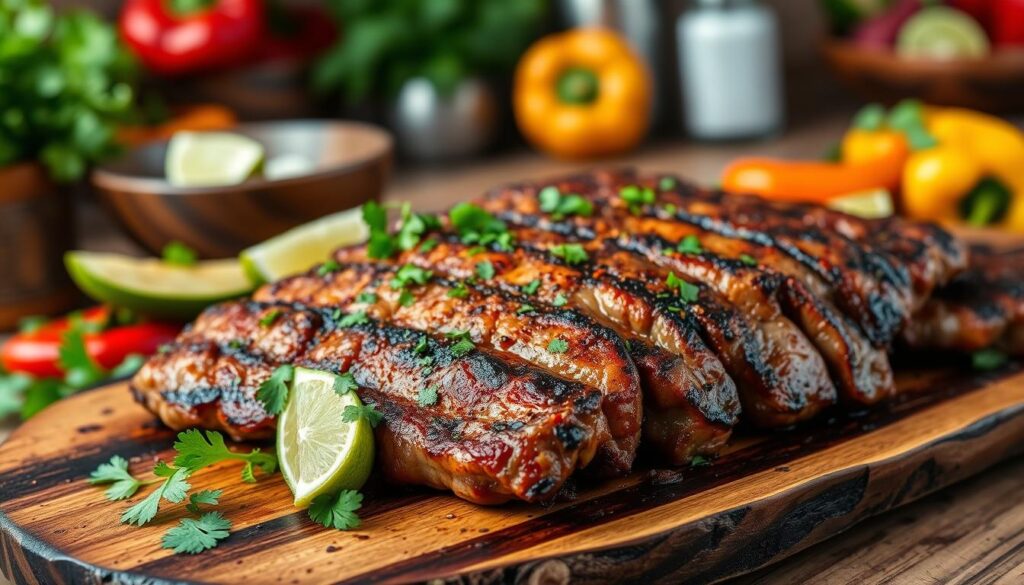
Easy Chipotle Steak Recipe for Perfect Mexican Flavor

Discover the exciting world of Mexican cuisine with our simple chipotle steak recipe. This dish combines the smoky taste of chipotle peppers with the rich flavor of beef. It’s a true taste of Mexico. It’s great for making dinner more exciting or for impressing friends with a delicious Mexican meal.

Chipotle Steak Recipe

Key Takeaways

  • Chipotle steak is a popular Mexican dish that showcases the unique smoky flavor of chipotle peppers.
  • This recipe offers a simplified approach to creating an authentic chipotle steak at home.
  • The marinade is the key to unlocking the rich, complex flavors of the dish.
  • Choosing the right cut of beef is crucial for achieving the perfect texture and tenderness.
  • Serving chipotle steak with traditional Mexican accompaniments enhances the overall dining experience.

What Makes Chipotle Steak Special in Mexican Cuisine

The chipotle pepper has a long history in Mexican cooking, dating back to the Aztecs and Mayans. These dried and smoked jalapeño peppers add a smoky flavor to many dishes. They are a key part of Mexico’s rich culinary heritage.

Origins of Chipotle Peppers in Mexican Cooking

Chipotle peppers were first grown in Mexico’s central and southern regions. They were valued for their smoky, earthy taste. Over time, they became a symbol of true Mexican cuisine.

The Unique Smoky Flavor Profile

  • Chipotle peppers get their flavor from being smoke-dried jalapeños. This process makes them sweet and smoky.
  • This smoky taste makes chipotle steak different from other Mexican dishes. It adds depth and complexity.
  • The mix of chipotle’s smoky flavor and the steak’s richness is amazing. It creates a perfect taste experience.

Chipotle steak shows how Mexico’s history and traditions shaped its dishes. The use of these special peppers makes it a standout. It offers a unique and delicious experience for those who try it.

Essential Ingredients for Authentic Chipotle Steak Recipe

Making a delicious chipotle steak dish needs the right mix of ingredients. At its core, the recipe uses chipotle peppers in adobo sauce. These add a smoky and spicy kick to the marinade. A variety of spices also play a big part in making the dish taste great.

The marinade for the chipotle steak includes a few key things:

  • Chipotle Peppers in Adobo Sauce: These smoked jalapeño peppers give the dish its unique flavor and heat.
  • Garlic: Minced or crushed garlic adds a rich and pungent taste to the marinade.
  • Cumin: This spice adds a warm, earthy flavor that goes well with the chipotle peppers.
  • Oregano: Whether fresh or dried, oregano adds a fresh herbaceous note.
  • Lime Juice: Lime juice’s zesty acidity helps tenderize the steak and balance the heat.
  • Olive Oil: A bit of high-quality olive oil helps mix the marinade ingredients together.
  • Salt and Pepper: Salt and black pepper add to the overall flavor.

By picking and mixing these key marinade ingredients, you can make a delicious chipotle steak. It will truly capture the spirit of Mexican cuisine.

Selecting the Best Cut of Beef for Chipotle Steak

Choosing the right beef cut is key to a delicious chipotle steak. Flank steak and skirt steak are top picks for their flavor and texture. Knowing about meat quality and finding affordable options can also make your dish stand out.

  • Flank Steak: This lean and flavorful cut is a popular choice for chipotle steak. Its coarse grain and robust texture stand up well to the bold flavors of the marinade.
  • Skirt Steak: Another versatile option, skirt steak boasts a rich, beefy taste that pairs beautifully with the smoky essence of chipotle peppers.
  • Hanger Steak: Often referred to as the “butcher’s steak,” hanger steak is a tender and flavor-packed cut that can elevate your chipotle steak dish.

Meat Quality Guidelines

When picking the best beef for your chipotle steak, quality matters. Choose cuts that are well-marbled for juiciness and flavor. Also, look for deep, rich colors to ensure freshness and quality.

Budget-Friendly Options

For a tasty chipotle steak without spending a lot, try hanger or flank steak. These cuts may not be the tenderest, but they offer great flavor with the right marinade and cooking.

Preparing Your Chipotle Marinade

Making the perfect chipotle marinade is key to unlocking bold, smoky flavors. These flavors make Mexican-style steaks truly exceptional. By balancing the right ingredients, you can infuse your meat with a depth of flavor. This will transport your taste buds south of the border.

The foundation of a great chipotle marinade is the mix of three essential components: chipotle marinade, adobo sauce, and a robust spice blend. Let’s explore how to make this flavor-packed marinade step by step.

  1. Begin by gathering your ingredients: chipotle peppers in adobo sauce, garlic, cumin, oregano, lime juice, and a touch of honey or brown sugar for balance.
  2. In a blender or food processor, puree the chipotle peppers and adobo sauce until smooth. This will create the backbone of your chipotle marinade.
  3. Add the remaining spices – garlic, cumin, and oregano – to the blender and pulse until the spice blend is well incorporated.
  4. Finally, stir in the lime juice and a drizzle of honey or brown sugar. This will round out the flavors and bring balance to the marinade.

The key to unlocking the full potential of your chipotle marinade is allowing enough marination time. You should let your steak bathe in the flavorful mixture for at least 2-4 hours. Or, for maximum flavor absorption, up to 24 hours. This patience will be rewarded with a steak that is bursting with the authentic taste of Mexico.

IngredientQuantity
Chipotle peppers in adobo sauce2-3 tablespoons
Garlic, minced3 cloves
Ground cumin1 teaspoon
Dried oregano1/2 teaspoon
Fresh lime juice2 tablespoons
Honey or brown sugar1 tablespoon

Step-by-Step Chipotle Steak Recipe

Improve your cooking skills with this simple chipotle steak recipe. Learn how to bring out the amazing flavors of Mexican food. You’ll master the marinade, cooking, resting, and slicing.

Marinade Instructions

Start by making a real chipotle marinade. Mix chopped chipotle peppers, garlic, lime juice, olive oil, brown sugar, cumin, salt, and pepper in a bowl. Whisk until smooth. Put your steak in a bag or dish, add the marinade, and chill for 2 hours or up to 24 hours for the best taste.

Cooking Temperature Guide

Heat your grill or skillet to high. Cook the steak for 3-5 minutes on each side, depending on its thickness. This will give it a nice char. Use a thermometer to check the meat’s temperature. Aim for medium-rare (130°F) to medium (140°F) for the best taste and tenderness.

Resting and Slicing Tips

After cooking, move the steak to a cutting board and let it rest for 5-10 minutes. This step is key for juicy and flavorful meat. Then, slice the steak against the grain with a sharp knife. This will make it tender and delicious.

Cooking Techniques for Perfect Results

Choosing the right cooking method is key to a perfect chipotle steak. Grilling, pan-searing, and broiling each have their own benefits and challenges. Let’s look at the pros and cons of these methods to help you pick the best one for your steak.

Grilling for Smoky Flavor

Grilling is a top choice for chipotle steak because it adds a smoky taste. The grill’s high heat sears the steak, keeping the juices inside and creating a tasty crust. But, grilling needs careful temperature control to cook the steak evenly and avoid burning.

Pan-Searing for Consistent Doneness

Pan-searing is great for chipotle steak because it lets you control the heat precisely. This method ensures the steak is cooked perfectly all the way through. It also helps create a delicious crust on the outside.

Broiling for Faster Results

Broiling is quick and easy for cooking chipotle steak. It uses direct heat from above to sear the meat fast. But, you need to watch it closely to prevent overcooking or drying out the steak.

The best cooking method for your chipotle steak depends on your preferences, available equipment, and time. Try different methods to find the one that gives you the tastiest results every time.

Ideal Side Dishes and Accompaniments

When you serve a delicious chipotle steak, it’s key to match its bold flavors with the right sides. Traditional Mexican dishes are a great choice. But, if you’re looking for something new, modern fusion options can add a creative twist.

Traditional Mexican Pairings

Classic Mexican sides are a must with chipotle steak. Rice and beans are a staple that pairs well with the meat’s richness. Try a cilantro-lime rice and creamy pinto or black beans for a true Mexican taste.

A fresh, zesty salsa is also essential. Make your own salsa verde or pico de gallo with tomatoes, onions, cilantro, and a bit of spice. For creaminess, add guacamole with avocados, lime, and sea salt.

Modern Fusion Options

While traditional sides are great, don’t shy away from fusion cuisine. Try a colorful quinoa salad with roasted veggies, herbs, and citrus dressing for a twist.

For a sweet and savory option, serve the steak with a sweet potato hash. Add caramelized onions, bell peppers, and maple syrup for a delicious contrast.

Tips for Achieving Restaurant-Quality Results

To make your chipotle steak taste like it’s from a restaurant, focus on flavor and presentation. As someone who loves cooking, I’m happy to share my best tips. These will help you make a dish that will wow your guests.

First, think about flavor. A good marinade is key for a strong, smoky taste. Use plenty of chipotle peppers but balance them with other spices. Try adding cumin, garlic, and oregano to make the flavors work together.

Then, pay attention to how you present your steak. Slice it against the grain for tenderness and a nice look. Arrange the slices nicely on the plate. Add fresh cilantro, diced onions, or avocado sauce for color and freshness.

Remember to mix flavors and textures. The smoky chipotle should match the steak’s juiciness, the avocado’s creaminess, and the onions’ crunch. Try adding roasted veggies or a tangy slaw for a complete and beautiful dish.

By using these tips, you’ll get your chipotle steak to restaurant quality. Focus on flavor and presentation, and your guests will want more.

Common Mistakes to Avoid When Making Chipotle Steak

Making a delicious chipotle steak is a fun cooking adventure. But, it’s key to steer clear of common mistakes. These include temperature control and marinade errors.

Temperature Control Issues

Getting the steak’s temperature wrong can mess up its taste and texture. If it’s overcooked, it becomes dry and tough. Undercooked, it’s raw and not good to eat. To get it just right:

  • Use a meat thermometer to check the internal temperature. Aim for medium-rare to medium (135°F to 145°F).
  • Let the steak rest for 5-10 minutes before slicing. This makes it juicier and more flavorful.
  • Adjust cooking time and temperature for thicker steaks. They need more time to cook through.

Marinade Mistakes

The marinade is crucial for a tasty chipotle steak. Mistakes in making it can ruin the dish. Common errors include:

  1. Overcooking the marinade, making it bitter and overpowering.
  2. Undercooking the marinade, leaving the steak without the smoky-sweet chipotle flavor.
  3. Marinade errors, like using the wrong ingredient ratio or not marinating long enough.
  4. Seasoning mistakes, where the steak is not seasoned enough or too much.

By avoiding these mistakes, you can make a chipotle steak that rivals restaurant quality. Enjoy the bold, rich flavors that make this dish a Mexican cuisine favorite.

Storage and Leftover Guidelines

Proper food storage and handling are key to keeping your chipotle steak leftovers safe and fresh. Follow these tips to ensure the best taste and avoid food-borne illnesses:

Refrigeration Practices

  • Refrigerate leftover chipotle steak within 2 hours of cooking. Make sure it’s below 40°F (4°C).
  • Use an airtight container or resealable plastic bag to keep air and moisture out.
  • Put the container on the bottom shelf of the fridge. This spot keeps the temperature steady.

Safe Reheating Methods

  1. Reheat the steak in the oven, on the stovetop, or in the microwave. Aim for an internal temperature of 165°F (74°C).
  2. Don’t let the steak sit at room temperature for more than 2 hours. This can lead to bacterial growth.
  3. If microwaving, stir the steak often. This ensures it heats evenly and avoids cold spots.

Repurposing Leftover Chipotle Steak

Don’t waste those tasty leftovers! Get creative with your chipotle steak. Try it in:

DishDescription
Chipotle Steak TacosSlice the steak and serve it in warm tortillas with your favorite taco toppings.
Chipotle Steak SaladCut the steak into bite-sized pieces and add it to a fresh green salad.
Chipotle Steak Fried RiceChop the steak and sauté it with cooked rice, vegetables, and a touch of chipotle sauce.

By following these guidelines, you can enjoy your chipotle steak for longer. Try new recipes to use up your steak and cut down on waste.

Conclusion

In this guide, we’ve explored the world of the chipotle steak recipe. We looked at its rich history and unique flavors. These make it a favorite in Mexican cuisine.

We talked about the origins of the chipotle pepper and the best cuts of beef. We also shared foolproof cooking techniques. Now, you have all the tools and knowledge to master this dish.

The secret to cooking success with chipotle steak is embracing authentic Mexican flavors. Try different marinades and master searing and resting the meat. Follow the step-by-step instructions and tips in this guide to make your meals restaurant-quality.

Remember, the chipotle steak recipe is versatile. You can add your own twist by trying different beef cuts and side dishes. You can also mix in your own flavors. The possibilities are endless, and with this guide, you’re ready to make delicious Mexican-inspired meals that will wow everyone.

FAQ

What makes chipotle steak special in Mexican cuisine?

Chipotle steak is a unique dish in Mexican cuisine. It uses chipotle peppers, which are smoked jalapeños. This gives the steak a smoky flavor that’s different from other Mexican dishes.

What are the essential ingredients for an authentic chipotle steak recipe?

For a real chipotle steak, you need chipotle peppers, garlic, cumin, oregano, lime juice, and olive oil. These ingredients mix to create a marinade. It makes the steak taste smoky and slightly spicy, just like in Mexican cooking.

What is the best cut of beef for chipotle steak?

Flank steak or skirt steak are the best for chipotle steak. They’re cheap, tasty, and take the marinade well. They also cook up tender and juicy.

How do I prepare the chipotle marinade?

To make the marinade, blend chipotle peppers, garlic, cumin, oregano, lime juice, and olive oil. Let the steak marinate for at least 2 hours. For even more flavor, marinate it for up to 24 hours.

What are the key steps in cooking chipotle steak?

Cooking chipotle steak involves a few steps. First, marinate the steak for the right amount of time. Then, cook it over high heat, like grilling or pan-searing. Finally, let it rest for 5-10 minutes before slicing it against the grain.

What are some ideal side dishes and accompaniments for chipotle steak?

Good sides for chipotle steak include rice and beans, fresh salsa, guacamole, and grilled veggies. For a twist, try it with Mexican slaw, roasted sweet potatoes, or a citrus salad.

What are some common mistakes to avoid when making chipotle steak?

Avoid overcooking or undercooking the steak. It should be juicy and tender. Also, don’t forget to marinate it long enough and season it right. Too much or too little spice can ruin the flavor.

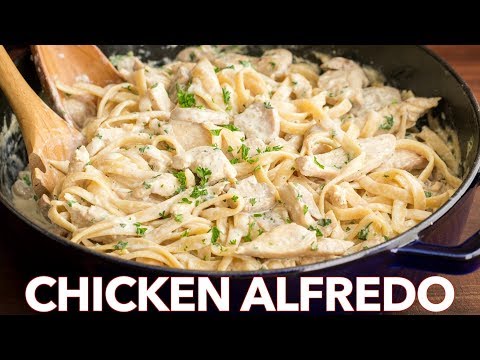
How to Make Chicken Alfredo – Easy Homemade Recipe

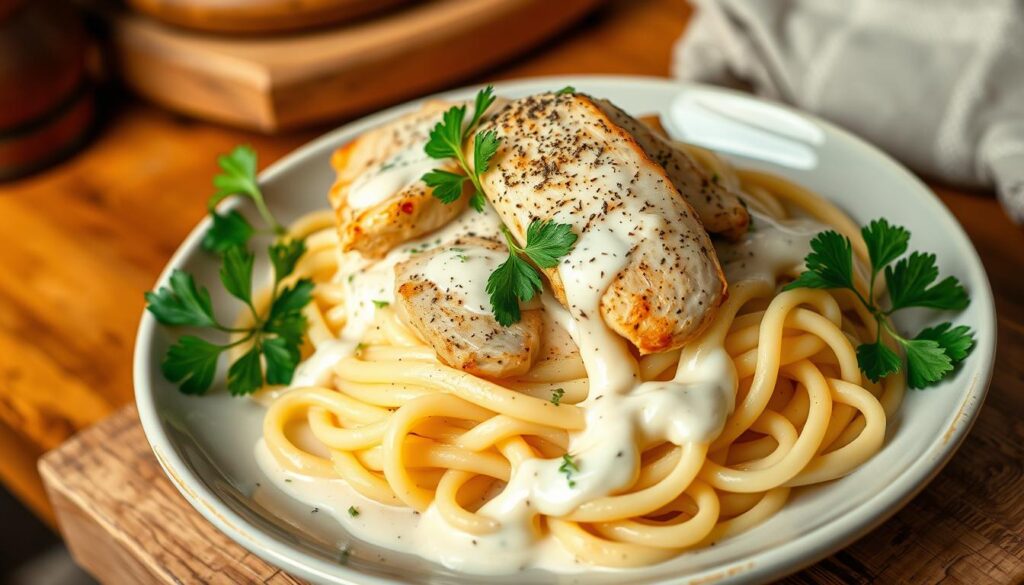
Are you craving a comforting, creamy pasta dish? Homemade chicken alfredo is the answer. It’s a classic Italian-American favorite that’s easy to make. But what makes the best chicken alfredo stand out?

Discover the secrets to making a mouthwatering chicken alfredo. It will make your taste buds dance with joy.

Key Takeaways

  • Homemade chicken alfredo is a classic Italian-American comfort food dish that’s easy to make at home.
  • The key to a delicious chicken alfredo lies in the creamy, rich alfredo sauce and perfectly cooked pasta.
  • Selecting the right ingredients, such as high-quality chicken and cheese, is crucial for achieving the best flavor.
  • Proper preparation and cooking techniques can make all the difference in the texture and creaminess of the final dish.
  • Healthy variations and side dish pairings can elevate your chicken alfredo experience.

Classic Chicken Alfredo: An Italian-American Comfort Food Story

The story of chicken alfredo starts in Italy’s rich culinary world. The alfredo sauce first appeared in Rome. But it was Italian-American chefs who made it famous.

In the early 1900s, Italian immigrants came to the U.S. They mixed their old recipes with what Americans liked. Chicken alfredo was born, blending Italian sauce with American love for meaty dishes. It quickly became a favorite in Italian-American food.

Years went by, and chicken alfredo grew from a simple dish to a beloved comfort food. It’s now a favorite in homes and restaurants everywhere. The mix of tender chicken, pasta, and creamy sauce has won many hearts and taste buds.

Today, chicken alfredo is still a classic, showing the beauty of Italian-American food. It’s enjoyed by families and in fancy restaurants alike. This dish brings a piece of Italy to America, offering a cozy and fulfilling meal.

Key Milestones in the History of Chicken AlfredoYear
Original alfredo sauce created in Rome, Italy1914
Italian immigrants bring traditional recipes to the United StatesEarly 20th century
Chicken alfredo becomes a staple of Italian-American cuisineMid-20th century
Chicken alfredo gains widespread popularity in American households and restaurantsLate 20th century

Essential Ingredients for the Perfect Chicken Alfredo

Making a great chicken alfredo dish starts with picking the right ingredients. The pasta, cheese, and sauce all matter a lot. They help make the dish taste and feel just right.

Choosing the Right Pasta Type

Fettuccine pasta is the top pick for chicken alfredo. Its long, flat shape is perfect for holding the creamy sauce. But, you can also try other pasta shapes like linguine or tagliatelle if you like.

Best Cheese Options for Alfredo Sauce

For a creamy Alfredo sauce, use high-quality Parmesan cheese. Grated or shredded Parmesan mixed with heavy cream makes the sauce silky and rich. Adding other cheeses like Pecorino Romano or Asiago can make it even more special.

Selecting Quality Chicken Cuts

Boneless, skinless chicken breasts are best for chicken alfredo. They’re tender and juicy, which pairs well with the creamy sauce. You can grill, sauté, or bake the chicken to keep it moist and flavorful.

IngredientImportanceContribution to Dish
Fettuccine PastaEssentialProvides the perfect surface area for the Alfredo sauce to cling to, creating a harmonious texture.
Parmesan CheeseCriticalLends a rich, nutty flavor and creamy texture to the Alfredo sauce.
Heavy CreamCrucialAdds the necessary creaminess and silkiness to the sauce, balancing the flavors.
Boneless Chicken BreastEssentialProvides the protein and heartiness to the dish, complementing the creamy sauce.

Kitchen Tools and Equipment Needed

To make a tasty chicken alfredo dish, you need the right kitchen tools. A large pot is key for cooking pasta. A skillet is also important for sautéing the chicken. Each tool is vital for a great dish. Let’s look at what you need to make this classic Italian-American comfort food at home.

  • A large pot for boiling the pasta: Choose a sturdy, high-quality pot that can hold the right amount of water and pasta.
  • A skillet or sauté pan for cooking the chicken: Pick a pan with a wide surface for even cooking.
  • A whisk for preparing the creamy alfredo sauce: This tool helps make the sauce smooth and lump-free.
  • A colander for draining the cooked pasta: A sturdy colander makes it easy to separate the pasta from the water.
  • A set of measuring cups and spoons: Accurate measurements are key for the perfect flavor balance in your alfredo sauce.
  • A cutting board and sharp knife: These are for slicing and dicing the chicken and other ingredients.
  • A wooden spoon or spatula: These are for stirring the sauce and pasta, ensuring even cooking and distribution.

With these essential tools, you’re ready to make a delicious chicken alfredo dish. It will impress your family and friends. The right tools can greatly improve your homemade meals.

How to Make Chicken Alfredo from Scratch

Making chicken alfredo from scratch is a fun cooking adventure. We’ll cover how to sear the chicken, make the creamy sauce, and cook the pasta just right.

Preparing the Chicken

Begin by seasoning the chicken breasts with salt, pepper, and any other spices you like. Heat a large skillet over medium-high heat and add some oil. Place the chicken in the hot pan and sear for 4-5 minutes on each side. This will make the chicken cooked through and nicely browned.

After cooking, take the chicken out of the pan and let it rest for a few minutes. Then, slice or shred it into small pieces. This keeps the chicken juicy and full of flavor.

Creating the Creamy Alfredo Sauce

In the same skillet, melt butter over medium heat. Mix in flour to make a roux, stirring constantly for 1-2 minutes. Then, slowly add heavy cream, milk, and Parmesan cheese, whisking until smooth and creamy.

Season the sauce with salt and pepper to taste. If it’s too thick, add a little pasta cooking water to thin it out.

Cooking Perfect Al Dente Pasta

Boil a large pot of salted water. Add your pasta, like fettuccine or linguine, and cook as the package says, stirring now and then. When it’s al dente, drain it and save a cup of the water. Then, add the pasta to the creamy sauce.

Mix the pasta and sauce together, adding some saved water if it’s too thick.

By following these steps, you’ll make a tasty chicken alfredo dish. It will have perfectly seared chicken, a rich sauce, and al dente pasta.

Tips for Creating the Creamiest Alfredo Sauce

Making a smooth, creamy Alfredo sauce is key to a great chicken Alfredo dish. Here are some expert tips to get the perfect sauce and avoid common mistakes.

Incorporate Cheese Gradually

The secret to a silky-smooth Alfredo sauce is adding cheese slowly. Add it a little at a time while whisking constantly. This ensures the cheese melts evenly and avoids lumps.

Maintain Proper Temperature

Temperature control is vital when making Alfredo sauce. Use medium-low heat to prevent curdling. If it starts boiling, reduce the heat and stir to avoid breaking the sauce.

Achieve the Ideal Consistency

The perfect Alfredo sauce is velvety and creamy, not too thick or thin. Add milk or cream gradually, tasting and adjusting as needed. It should coat the spoon without dripping.

TipDescription
Gradually Add CheeseIncorporate the cheese in small amounts while continuously whisking to prevent lumps.
Maintain Proper TemperatureKeep the heat at medium-low to avoid curdling and reduce the heat if the sauce starts to boil.
Achieve Ideal ConsistencyThe sauce should have a velvety, creamy texture that coats the back of a spoon without dripping off.

By following these tips, you’ll make a smooth, lump-free Alfredo sauce. It will elevate your chicken Alfredo dish to new heights of flavor.

Common Mistakes to Avoid When Making Chicken Alfredo

Making chicken alfredo can be a fun cooking adventure. But, it comes with its own set of challenges. To make a great dish, it’s important to avoid common mistakes. These include temperature issues, sauce problems, and pasta cooking errors.

Temperature Control Issues

Keeping the right temperature is crucial when cooking chicken alfredo. Overcooked chicken can be dry and tough. On the other hand, a sauce that’s too hot can curdle. To avoid these problems, control the heat well. Simmer the sauce gently and check the chicken’s doneness carefully.

Sauce Consistency Problems

The alfredo sauce is the dish’s heart, and getting it right is key. A sauce that’s too thin can be watery, while a curdled sauce is a letdown. To fix this, watch the sauce’s thickness as it cooks. Add milk or cream slowly to get the right texture. Also, add cheese slowly and avoid high heat to prevent curdling.

Pasta Cooking Errors

Overcooked pasta can ruin chicken alfredo. Soggy noodles are a big mistake. It’s important to cook the pasta just right, with a bit of bite. Use a timer and check the pasta often. Also, drain it well and add it to the sauce at the right time.

By watching out for these common mistakes and fixing them, you can make amazing chicken alfredo. With practice and attention to detail, you’ll create dishes that please everyone.

Storing and Reheating Your Chicken Alfredo

Making homemade chicken alfredo is a joy. But the real test is how well it keeps and reheats. Whether you have leftovers or are meal-prepping, knowing how to store and reheat is crucial. This keeps the creamy texture and flavors of this dish perfect.

Proper Storage for Chicken Alfredo Leftovers

Keeping your chicken alfredo fresh and safe is key. Here are some tips:

  • Put leftovers in an airtight container, making sure there are no air pockets.
  • Put the container in the fridge within two hours of cooking. Eat leftovers within 3-4 days for the best food safety.
  • Don’t let the dish sit at room temperature for more than two hours. This can cause bacteria to grow.

Reheating Chicken Alfredo: Preserving Creaminess

When reheating chicken alfredo, do it gently to keep it creamy. Here’s how:

  1. Put leftover alfredo in a saucepan or microwave-safe dish.
  2. Heat it on the stove over low heat, stirring often, until it’s hot.
  3. Or, microwave it in 30-second bursts, stirring between each, until it’s hot.
  4. If it’s too thick, add a little milk or cream to thin it out.

By using these simple steps, you can enjoy your chicken alfredo as if it were the first time. Every bite will be as delicious as when you first made it.

Healthy Variations and Substitutions

The classic chicken alfredo is tasty, but you can make it healthier. Use lightened-up alfredo sauce, whole wheat pasta, and add veggies. This way, you can enjoy the dish without extra calories.

Lower-Calorie Options

For a lighter alfredo sauce, try low-fat or nonfat milk instead of heavy cream. Adding pureed cauliflower or low-fat Greek yogurt makes it creamy without the fat. Switch to whole wheat pasta for more fiber and nutrients without losing flavor.

Gluten-Free Alternatives

If you’re gluten-free, there are tasty chicken alfredo options. Look for gluten-free pasta made from quinoa, brown rice, or chickpeas. These options are not only gluten-free but also packed with nutrients and flavor.

To make your chicken alfredo even healthier, add sautéed veggies like broccoli, spinach, or zucchini. These veggies add nutrition and flavor to the classic dish.

IngredientTraditional Chicken AlfredoHealthier Variation
PastaSemolina pastaWhole wheat pasta
Alfredo SauceHeavy cream, butter, ParmesanLow-fat milk, pureed cauliflower, low-fat Greek yogurt
ProteinChicken breastChicken breast
VegetablesBroccoli, spinach, zucchini

Delicious Side Dishes to Serve with Chicken Alfredo

Choosing the right side dishes can make a classic chicken alfredo dish even better. You can pick from refreshing salads to savory roasted vegetables. These options complement the rich, creamy flavors of this Italian-American favorite.

A crisp Caesar salad is a great choice to go with chicken alfredo. The tangy dressing and crunchy lettuce offer a nice contrast. For something heartier, try roasted garlic bread. Its golden crust and fragrant aroma are perfect.

Roasted vegetables also pair well with chicken alfredo. Mix seasonal produce like Brussels sprouts, carrots, and bell peppers. Drizzle with olive oil and roast until tender. The sweetness of the vegetables balances the creamy sauce.

Side DishWhy it Works
Caesar SaladThe bright, tangy dressing and crunchy romaine lettuce provide a refreshing contrast to the creamy alfredo sauce.
Garlic BreadThe golden, buttery crust and fragrant aroma complement the richness of the alfredo sauce.
Roasted VegetablesThe natural sweetness of roasted vegetables, like Brussels sprouts, carrots, and bell peppers, balances the creamy alfredo.

By choosing side dishes with contrasting flavors and textures, you can make a delicious chicken alfredo meal. It will delight your taste buds and have your guests wanting more.

Conclusion

In this article, we’ve explored the delightful world of homemade chicken alfredo. This classic Italian-American cuisine has won hearts around the globe. We’ve shown you how to make this easy pasta recipe in your kitchen.

By following our step-by-step guide and expert tips, you’re now ready to make a chicken alfredo dish that’s restaurant-quality. You can stick to the traditional recipe or try a healthier version. This dish is very flexible, so you can make it your own.

So, get ready to cook up a storm in your kitchen. Start making your own homemade chicken alfredo. With the right ingredients and a bit of practice, you’ll impress everyone with your delicious dish.

FAQ

What is the history of chicken alfredo?

Chicken alfredo is a favorite comfort food in the US. It comes from Italy, where it was called fettuccine alfredo. This dish was simple but rich, with pasta and a creamy sauce.

In the US, people started adding chicken to make it chicken alfredo. This made it even more popular.

What are the essential ingredients for making chicken alfredo?

To make chicken alfredo, you need fettuccine pasta, heavy cream, Parmesan cheese, butter, and chicken breasts. The pasta is the base. The cream and cheese make the sauce rich. The chicken adds protein.

What kitchen tools and equipment are needed to make chicken alfredo?

You’ll need a big pot for pasta, a skillet for chicken, and a whisk for the sauce. A colander is for draining pasta. You also need measuring tools, a cutting board, and a sharp knife.

What are the steps for making chicken alfredo from scratch?

Making chicken alfredo involves a few steps. First, season and sear the chicken. Then, mix the sauce with cream, Parmesan, and butter. Cook the pasta until it’s just right.

Finally, combine the chicken, sauce, and pasta for the final dish.

How can you ensure the creamiest alfredo sauce?

For a smooth sauce, keep the temperature right when cooking. Slowly add the cheese to avoid lumps. Don’t overcook the sauce to keep it creamy.

What are some common mistakes to avoid when making chicken alfredo?

Avoid overcooking pasta and chicken. This makes the pasta mushy and the chicken tough. Also, be careful with the sauce’s temperature to prevent it from curdling.

How should you store and reheat leftover chicken alfredo?

Store leftover chicken alfredo in a sealed container in the fridge for 3-4 days. Reheat it gently over low heat, stirring often. This keeps the sauce and pasta from drying out.

Are there any healthy variations or substitutions for chicken alfredo?

Yes, you can make chicken alfredo healthier. Use whole wheat pasta and low-fat dairy. Add more veggies. Choose grilled or baked chicken instead of seared. Serve with a salad or roasted veggies.

Mastering the Art of Macarons: A Sweet Journey to Perfection

Ah, macarons. Macarons are those delightful treats that are tactile, vibrant, and melt in your mouth. If you’ve ever walked through a bakery window and located yourself mesmerized by rows of flawlessly spherical cookies with their creamy fillings, you’re no longer on your own. Making macarons at home may also sound like an unfeasible feat reserved for professional pastry cooks; however, trust me, with a piece of staying power and the proper suggestions, you’ll be serving up Instagram-worthy macarons right away.

What You Need:

First matters first: gather your components. Macarons may have a reputation for being fussy, but the component list is actually quite simple:

  • Almond flour (finely ground and sifted)
  • Powdered sugar
  • Granulated sugar
  • Egg whites at room temperature yield remarkable results.
  • Cream of tartar (non-obligatory, but permits stabilization of the meringue)
  • Gel meals coloring (optionally to be had for those colorful colorings)
  • Flavor extracts (like vanilla, almond, or maybe rosewater)
  • Filling: Buttercream, ganache, or jam—your name!

The Step-thru: The Use of the Step Process

  1. Prep Like a Pro:
  • Line your baking sheet with parchment paper or a silicone baking mat.
  • Weigh your components. Accuracy subjects proper here.
  1. Make the Meringue:
  • Whisk the egg whites until frothy. Add cream of tartar if using it, then slowly add granulated sugar.
  • Whip until stiff peaks form. Add your meal’s coloring and taste extract here if you want.
  1. Mix the Batter (Macaronage):
  • Gently fold the almond flour and powdered sugar aggregate into the meringue. The batter should go along with the waft like lava: thick, however not runny.
  1. Pipe and Rest:
  • Transfer the batter to a piping bag with a round tip and pipe small circles onto the baking sheet.
  • Tap the tray at the counter a few times to cast off air bubbles. Allow the macarons to sit for 30-60 minutes to form pores and skin.
  1. Bake:
  • Preheat your oven to a few hundred°F (one hundred and fifty°C).
  • Bake for 15–20 minutes, checking for the signature “toes” (the ruffled edges). Let them cool completely before doing away with them from the tray.
  1. Fill and Assemble:
  • Pair shells of comparable sizes, then upload your chosen filling. Gently sandwich them together.

Tips for Success:

  • Sift Your Dry Ingredients: This ensures a clean batter.
  • Don’t overmix, or you’ll grow to be with flat, unfolded macarons.
  • Resting is Key: Skipping this step can negatively impact your chances of gaining momentum.
  • Use an Oven Thermometer: Macarons are temperamental, and unique baking temperature is crucial.

FAQ

A: Why are my macarons cracked? A: This commonly takes place when the batter hasn’t rested sufficiently or if there’s too much air trapped indoors. Make sure to tap the tray to release air bubbles and allow them to rest properly.

Q: Can I use liquid meal coloring? A: Gel meals coloring is better because it doesn’t add extra moisture to the batter, which can mess with the texture.

Q: How do I maintain macarons? A: Store them in a hermetic box within the fridge for as much as in step with the week. Bring them to room temperature earlier than serving for the incredible flavor.

A: Yes, you can make macarons without almond flour. You can substitute almond flour with other types of flour, such as coconut flour or oat flour, but the texture and flavor may be different. A: You can substitute almond flour with finely ground pistachios or sunflower seeds, but the texture and taste can be barely precise.

A: My macarons don’t have feet. What went wrong? A: This is probably because of under-blending, not resting long enough, or an oven that’s too cool. Double-check your method and oven temperature.

So there you have it! A truthful manual to analyzing macarons. Yes, they’re finicky, but with exercise, you’ll turn your kitchen right into a Parisian patisserie. Now, hold close your piping bag and get baking—your taste buds (and Instagram fans) will thank you!

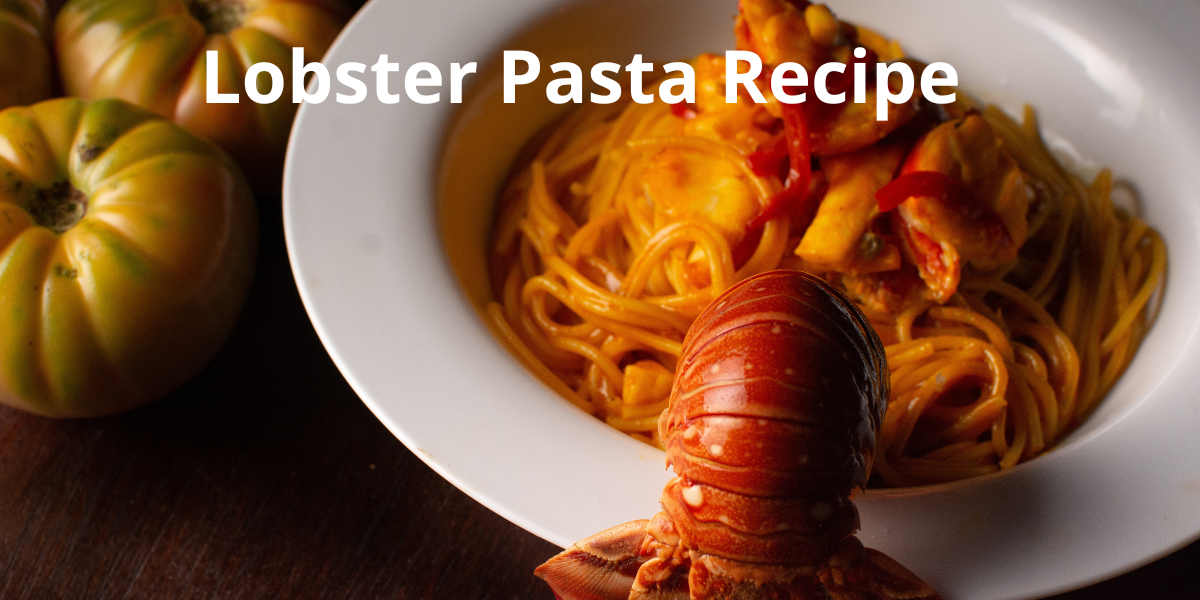
Indulge in the Ultimate Lobster Pasta Recipe Experience

Lobster Pasta Recipe: A Culinary Recipe

Should you wish to impress your guests or indulge in a sumptuous dining experience, lobster linguine represents the quintessential dish to enhance your culinary repertoire. This recipe harmoniously combines the delicate delicacy of lobster with the comforting richness of pasta, complemented by either a buttery or piquant sauce, thereby achieving an exquisite balance of elegance and flavor. Whether it is an intimate dinner or a weekend indulgence, lobster linguine is certain to leave a lasting impression.

Components

To prepare an exquisite lobster pasta, the following ingredients are required:
Regarding the Lobster:

Please make sure to thaw two lobster tails, whether they are fresh or frozen.
Two tablespoons of butter.
One clove of garlic, finely minced.
Season with salt and pepper according to your preference.

Regarding the pasta and sauce:

Twelve ounces of spaghetti or linguine.
Two tablespoons of olive oil.
Two cloves of garlic, finely minced.
One shallot, coarsely minced.
One cup of heavy cream.
One-half cup of grated Parmesan cheese.
Serve one-quarter cup of dry white wine (optional).
1 teaspoon of red pepper flakes (optional, to add a degree of spiciness)
The zest and liquid were extracted from one lemon.
Season with salt and pepper according to your preference.
Chopped fresh parsley (for garnishing purposes)

Lobster Pasta Recipe Instructions

Step 1: Prepare the lobsters for cooking.

Prepare the lobster appendages by bisecting them longitudinally.
In a skillet, soften the butter over medium heat and incorporate the minced garlic.
Position the lobster tails with the flesh side facing downward and cook for a duration of 4 to 5 minutes, or until the flesh becomes opaque and exhibits a faint golden hue.
Invert the shell and sauté the exposed side for an additional two minutes. Upon completion, remove from heat, allow to cool slightly, and proceed to carve the lobster flesh into bite-sized pieces.

Step 2: Prepare the pasta for cooking.

Bring a substantial kettle of water, seasoned with salt, to a rolling boil.
Prepare the pasta in accordance with the instructions provided on the packaging, cooking it until it reaches an al dente texture. Prior to draining, please reserve one cup of the pasta cooking water.

Step 3: Prepare the Sauce

Heat olive oil in a spacious skillet over medium heat.
Sauté the garlic and shallots until they become aromatic and translucent.
Should you choose to utilize white wine, incorporate it into the mixture and allow it to percolate for a duration of two minutes.
Incorporate the heavy cream and Parmesan cheese, whisking continuously until the sauce attains a smooth and slightly thickened consistency.
Incorporate lemon zest, lemon juice, and red pepper flakes to impart a vibrant and piquant flavor.

Step 4: Integrate the components and present for consumption.

Add the drained pasta to the skillet containing the sauce. Utilize the reserved pasta water to modify the consistency, if necessary.
Incorporate the cooked lobster pieces and allow the mixture to heat for approximately one minute.
Serve the dish while steaming, adorned with fresh parsley and an additional dusting of Parmesan cheese.

Guidelines for Achieving Success

Utilize premium, freshly sourced lobster to achieve optimal flavor. You can also use frozen lobster tails, but make sure to thaw them thoroughly.
To achieve a lighter sauce, consider substituting heavy cream with half-and-half, or alternatively, utilize a tomato-based sauce for a different flavor profile.
Incorporate vegetables such as spinach or cherry tomatoes to enhance the dish’s visual appeal and vibrancy.

Commonly Asked Questions

Question 1: Is it permissible to utilize an alternative variety of pasta?Certainly! Linguine, fettuccine, and even pappardelle are all exceptionally well-suited for pairing with lobster pasta.

Q2: What would be an appropriate alternative to white wine in the sauce?One may utilize either chicken or vegetable bouillon, complemented by a dash of white vinegar or lemon juice, to achieve a comparable impact.

Q3: Is it permissible to prepare this dish in advance?While the sauce is most flavorful when prepared fresh, it is possible to prepare it and boil the lobster in advance. Reheat the mixture gradually and combine it with freshly prepared pasta prior to serving.
Question 4: What measures can I take to prevent the crustacean from becoming rubbery?Refrain from excessive preparation. Prepare the crustacean until it reaches a state of slight opacity; this process will require only a brief duration.
Q5: What is the most effective method for thawing frozen lobster tails?Refrigerate them overnight or immerse them in frigid water for a duration of 30 to 60 minutes. It is advisable to refrain from utilizing tepid water, as it may adversely impact the texture.

This sumptuous lobster pasta recipe serves as your gateway to a five-star dining experience within the comfort of your own home. It is both uncomplicated and opulent, rendering it an ideal dish to relish in the company of family or friends. Savor the exquisite flavors and the accolades!

Top 20 Easy & Delicious Beef Recipes for Dinner

Make your weeknight dinners better with our top 20 easy and tasty beef recipes. Whether you want a classic dish or something new, we’ve got you covered. These recipes are quick, easy, and perfect for busy families and home cooks.

Key Takeaways

  • Discover a range of beef recipes suitable for weeknight dinners
  • Explore a diverse selection of cooking methods, including stovetop, oven, slow cooker, and instant pot
  • Find both classic and innovative beef dishes to satisfy various culinary preferences
  • Enjoy easy-to-follow recipes that cater to busy home cooks
  • Elevate your dinner game with mouthwatering and family-friendly beef recipes

Quick and Simple Beef Recipes for Busy Weeknights

Weeknights can be busy, and time is precious. That’s why these easy beef recipes are perfect. They offer big flavor without the hassle. Enjoy one-pan wonders and 30-minute meals that are great for families on the go.

One-Pan Beef Dishes

These one-pan beef recipes make cleanup easy. Try Beef and Broccoli Stir-Fry or Cheesy Beef and Macaroni Skillet. They’re quick to make and fill your plate with a complete meal.

30-Minute Beef Meals

When time is tight, these 30-minute beef recipes save the day. Savor Teriyaki Beef Lettuce Wraps, Beef and Vegetable Fried Rice, or Beef Taco Skillet. They’re quick, tasty, and packed with nutrients.

Make-Ahead Options

Prep ahead to ease weeknight stress. Slow Cooker Beef Stroganoff and Beef and Broccoli Meal Prep Bowls are great for meal prep. They let you enjoy a delicious meal with little effort.

Essential Kitchen Tools for Perfect Beef Cooking

To cook delicious beef at home, you need the right tools. From precise cooking tools to versatile cookware, these items are key. They help you achieve top-notch results. Let’s look at the must-have tools for beef lovers.

Meat Thermometer: A Crucial Companion

An accurate meat thermometer is the first step to perfect beef. It removes the guesswork, ensuring your beef is always juicy and tender.

Cast-Iron Skillet: The Searing Superstar

A high-quality cast-iron skillet is a must for beef cooks. It can handle high heat, giving your beef a beautiful sear. This sear locks in flavor and adds a delightful crust.

Sharp Knives: The Key to Precision Cutting

Sharp, high-quality knives are crucial for beef prep. They make slicing steaks, dicing onions, and garlic easy. Sharp blades preserve the meat’s natural textures and juices.

Slow Cooker: The Hands-Off Tenderizer

A reliable slow cooker is essential for tender beef dishes. It makes pot roasts, stews, and braises easy to make with little effort.

ToolImportanceProper Usage
Meat ThermometerEnsures perfectly cooked beef every timeInsert the thermometer into the thickest part of the beef, avoiding bone, and check the internal temperature
Cast-Iron SkilletDelivers a delightful sear and crust on beefPreheat the skillet over high heat, add a small amount of oil, and sear the beef until a golden-brown crust forms
Sharp KnivesEnables precise cutting and preserves the natural texture and juices of beefUse sharp, high-quality knives to slice, dice, or mince beef as needed for your recipe
Slow CookerCreates mouthwatering, tender beef dishes with minimal effortAdd your beef and other ingredients to the slow cooker, set the desired cooking time and temperature, and let the magic happen

With these essential beef cooking equipment, kitchen gadgets for meat, and best tools for cooking beef, you’ll master beef cooking. You’ll be able to make delicious, restaurant-quality meals at home.

Classic Ground Beef Recipes for Family Dinners

Gather the family around the table for classic ground beef recipes. Enjoy hearty casseroles, satisfying pasta dishes, and quick skillet meals. These favorites will please both adults and kids. Discover a delicious collection of ground beef recipes that will become family staples.

Comforting Casseroles

Bake a classic shepherd’s pie with ground beef, veggies, and mashed potatoes for a cozy meal. Or try a savory beef and noodle casserole with tender noodles, ground beef, and creamy sauce. These casseroles are perfect for family-friendly meals that are easy and satisfying.

Hearty Pasta Dishes

Elevate your pasta night with spaghetti bolognese, a rich, meaty tomato sauce made with ground beef recipes. For a heartier option, enjoy a baked lasagna with ground beef, cheese, and flavorful sauce. These comfort food pasta dishes will be family favorites.

Quick Skillet Meals

For quick meals, try beef and rice burritos or classic hamburger helper. These ground beef recipes are perfect for busy weeknights. Serve with a fresh salad for a complete and satisfying family-friendly meal.

Slow Cooker and Instant Pot Beef Recipes

Busy people love slow cooker and instant pot beef recipes. They make tough beef tender and tasty with little effort. You can make comforting pot roasts or hearty beef stews easily. These recipes are great for crockpot beef recipes and instant pot beef meals ready when you are.

Slow cooker and instant pot recipes are amazing because they’re easy. Just put the ingredients in and let it cook. You’ll get a set-and-forget dinner that’s full of flavor and tender.

There are many recipes to try, like pot roasts, beef stews, and pulled beef sandwiches. These recipes are a game-changer for beef lovers. Try them out and find your new favorite crockpot beef recipe or instant pot beef meal.

Steakhouse-Quality Beef Recipes at Home

It’s easier than you think to make restaurant-style beef at home. A few key techniques can take your homemade steak to gourmet levels. Let’s uncover the secrets to making steakhouse-quality beef at home.

Perfect Marinade Techniques

The marinade is key to adding rich flavors to your beef. Try different marinades like red wine and herbs or bold Asian sauces. Marinating for 30 minutes to 24 hours can make your beef tender and flavorful.

Temperature Guide for Different Cuts

Getting the perfect doneness is essential. Use a meat thermometer to check the internal temperature. Here’s a guide for different cuts:

  • Filet Mignon: 120-125°F for medium-rare, 130-135°F for medium
  • Ribeye: 125-130°F for medium-rare, 135-140°F for medium
  • New York Strip: 130-135°F for medium-rare, 140-145°F for medium

Plating and Presentation Tips

The final touch is presentation. Slice your beef against the grain and serve on a warm plate. Add fresh herbs, roasted veggies, or a pan sauce drizzle. This will make your steak look and taste like it’s from a fancy restaurant.

Mastering these techniques lets you enjoy steakhouse-quality beef at home. Try different marinades, follow the temperature guide, and focus on presentation. This will make your dining experience unforgettable.

Budget-Friendly Beef Recipes

Creating tasty beef dishes doesn’t have to cost a lot. This section offers a range of affordable beef meals, cheap beef dinners, and economical meat recipes. These dishes are sure to please your taste buds without emptying your wallet.

Using less expensive cuts of meat, like chuck roast or flank steak, is key. These cuts can be turned into delicious meals with the right methods and ingredients. Adding budget-friendly veggies, grains, and legumes also helps make your beef go further. This way, you get full, tasty meals without spending a lot.

We’ve picked our top affordable beef recipes for you. These dishes are simple to make and full of flavor. From cozy beef stew to spicy fajitas, they show you can enjoy beef without spending too much.

RecipeIngredientsCost per Serving
Slow Cooker Beef StroganoffChuck roast, mushrooms, sour cream, egg noodles$3.50
Beef and Broccoli Stir-FryFlank steak, broccoli, rice, soy sauce$4.00
Baked Meatballs with Tomato SauceGround beef, breadcrumbs, eggs, canned tomatoes$2.75

With a bit of creativity and smart shopping, you can make cheap beef dinners that are easy on your wallet. Try out these economical meat recipes and discover a world of tasty, affordable beef meals for your family.

International Beef Recipes from Around the World

Start a global food journey with our tasty beef recipes from different places. You’ll find dishes from Asia, the Mediterranean, and Latin America. These recipes show how beef can be enjoyed in many ways, crossing borders.

Asian-Inspired Dishes

Discover the bold tastes of Asian beef recipes. Try Korean bulgogi, a marinated beef dish that’s loved in Korea. Enjoy the mix of sweet and savory in Chinese beef and broccoli, a stir-fry classic. And, experience the spicy flavors of Indian beef curry, a dish that feels like a trip to India.

Mediterranean Favorites

Explore the Mediterranean’s rich flavors. Try Greek moussaka, a layered dish with beef, eggplant, and creamy sauce. Enjoy the hearty taste of Italian beef ragu with pasta. And, savor the fresh herbs in Turkish beef kebabs, grilled to perfection.

Latin American Specialties

Discover the lively tastes of Latin American beef recipes. Taste the smoky flavor of Argentine asado, a barbecue feast. Enjoy the fresh, zesty Mexican beef tacos with their mix of toppings. And, try the comforting Brazilian beef stew, filled with unique spices.

These global beef recipes are your ticket to explore international cuisine. Whether you crave an Asian dish, a Mediterranean classic, or a Latin American specialty, we have it all. Our collection will take you on a flavorful journey around the world.

Healthy and Nutritious Beef Recipes

In the world of beef dishes, balance and nutrition are key. You can enjoy beef’s rich flavors while staying healthy. Our collection of lean beef recipes, low-calorie beef meals, and nutritious meat dishes bring together delicious taste and nourishing ingredients.

Lean cuts of beef, like sirloin, flank steak, and 93% lean ground beef, are packed with protein, iron, and vitamins. Pairing these with fresh veggies, whole grains, and healthy fats makes low-calorie beef meals that are both tasty and healthy.

  • Grilled Beef and Vegetable Skewers: Tender beef, bell peppers, zucchini, and onions, marinated in a tangy, low-sodium marinade for a nutrient-dense and flavorful dish.
  • Beef and Broccoli Stir-Fry: Lean beef strips and broccoli florets sautéed in a savory, low-sodium sauce, served over a bed of quinoa for a boost of fiber and protein.
  • Beef and Lentil Chili: Ground lean beef combined with fiber-rich lentils, diced tomatoes, and a blend of spices for a hearty, nutritious meat dish.

Exploring these healthy and nutritious beef recipes lets you enjoy beef’s taste while focusing on your health. Savor the flavors, nourish your body, and take a balanced approach to cooking.

Conclusion

This beef recipe roundup shows how versatile and tasty beef can be. It has everything from quick weeknight meals to fancy steakhouse dishes. These recipes are perfect for anyone who loves beef.

Looking for something affordable, healthy, or with international flavors? This collection has it all. With the right cooking skills and tools, you can make your beef dishes stand out. Impress your family and friends with your culinary skills.

Check out this beef recipe roundup and try new things. Find your new go-to dinner inspiration. Remember, the secret to great cooking is in the details. Follow our cooking tips for perfect beef every time. Share your favorite beef recipes and let’s celebrate this amazing protein together.

FAQ

Popular beef dinner recipes include beef stroganoff, shepherd’s pie, and beef stew. Also, try Korean beef bowls, Mediterranean stuffed peppers, and Latin-inspired beef fajitas for something new.

What are some quick and easy beef recipes for busy weeknights?

For quick weeknight meals, try one-pan beef dishes and 30-minute meals. Make-ahead recipes like beef and broccoli stir-fry, beef and rice burritos, and slow cooker beef and noodles are great too.

What are the essential kitchen tools for cooking beef?

Key tools for cooking beef are a meat thermometer, cast-iron skillet, slow cooker or instant pot, and a sharp knife. These ensure perfect results in doneness, searing, and tenderness.

What are some classic ground beef recipes for family dinners?

Classic ground beef recipes include shepherd’s pie, spaghetti bolognese, and beef and broccoli stir-fry. These are comforting and easy to make for family dinners.

What are some slow cooker and instant pot beef recipes?

Slow cooker and instant pot recipes offer tender pot roasts, flavorful stews, and pulled beef sandwiches. They’re perfect for those with busy schedules.

How can I recreate steakhouse-quality beef dishes at home?

To make steakhouse-quality beef at home, focus on marinades and achieving the right doneness. Pay attention to presentation to impress your guests.

What are some budget-friendly beef recipes?

Budget-friendly beef recipes use less expensive cuts like chuck roast or flank steak. They also use affordable ingredients to make tasty meals without breaking the bank.

What are some international beef recipes from around the world?

International beef recipes include Korean bulgogi, Greek moussaka, and Argentine asado. These dishes showcase a variety of global flavors.

What are some healthy and nutritious beef recipes?

Healthy beef recipes use lean cuts, are low in carbs, and include lots of veggies. They focus on both taste and nutrition.

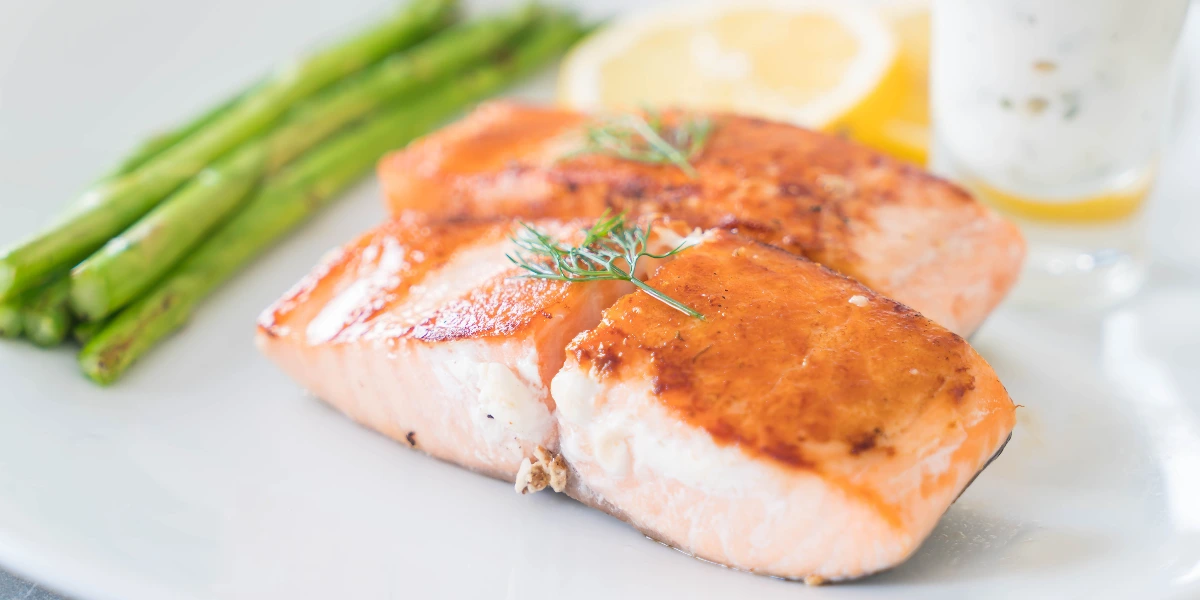
Quick & Easy Salmon Breakfast Recipes to Start Your Day

Make your mornings better with salmon! It’s full of omega-3s and protein, great for your heart. Whether you want a classic dish or something fast for busy days, we’ve got you covered.

Key Takeaways

  • Salmon is a nutrient-dense choice for a healthy breakfast, providing essential omega-3s and protein.
  • Quick and easy salmon breakfast recipes can help you start your day with a nutritious meal.
  • Incorporating salmon into your morning routine can boost brain function and energy levels.
  • Salmon breakfast options range from traditional dishes to convenient grab-and-go options.
  • Selecting high-quality salmon and storing it properly are important for enjoying the best flavors and health benefits.

Benefits of Starting Your Day with Salmon

Adding salmon to your breakfast can bring many health benefits. It’s packed with omega-3 fatty acids, which are great for your brain and heart. These fats help fight inflammation and lower disease risk, making salmon a smart choice for breakfast.

Omega-3 Rich Morning Nutrition

Salmon is a top source of omega-3 fatty acids, like EPA and DHA. These nutrients are key for brain health, supporting your thinking and memory. Eating salmon for breakfast gives you a brain-boosting start to the day.

Protein-Packed Breakfast Benefits

Salmon is also a great source of high-quality protein. It gives you energy that lasts all morning. Protein-rich breakfasts help you feel full and keep your blood sugar steady. Choosing salmon for breakfast fuels your body and mind for a day full of energy.

Brain-Boosting Morning Energy

Salmon is not just about omega-3s; it’s also full of vitamins and minerals for your brain. Its mix of protein, healthy fats, and nutrients gives you a morning brain boost. This helps you stay focused and sharp all day long.

Essential Kitchen Tools and Ingredients

Preparing tasty salmon breakfasts needs the right tools and ingredients. You’ll need efficient cooking gear and tasty seasonings. These salmon breakfast essentials make cooking smooth and successful.

Here are the kitchen equipment for salmon recipes you should have:

  • A high-quality nonstick skillet or frying pan for searing and cooking salmon fillets
  • A sharp chef’s knife for effortlessly slicing and portioning the salmon
  • A sturdy cutting board to provide a stable surface for meal preparation
  • Measuring cups and spoons to precisely portion out ingredients
  • A digital food thermometer to ensure your salmon is cooked to the perfect temperature
  • A set of mixing bowls for combining ingredients and whipping up sauces

Also, having the right salmon breakfast ingredients makes a big difference. Some must-haves include:

  1. Fresh salmon fillets for the main protein component
  2. Eggs for classic breakfast dishes like salmon and eggs
  3. Hollandaise sauce or other creamy accompaniments
  4. Leafy greens like spinach or arugula for nutrient-dense salads
  5. Whole grains such as quinoa or brown rice for hearty breakfast bowls
  6. Flavorful herbs and spices to season your salmon dishes

With these salmon breakfast essentials and kitchen equipment for salmon recipes, you’re ready to make delicious salmon breakfasts. These will give you the energy to start your day right.

Classic Smoked Salmon and Eggs Benedict

Try the ultimate breakfast treat – Smoked Salmon Eggs Benedict. It’s a mix of hollandaise sauce, soft poached eggs, and smoky salmon. It’s a rich and tasty start to your day.

Hollandaise Sauce Preparation Tips

Making smooth hollandaise sauce is key. Start by mixing egg yolks, lemon juice, and salt in a double boiler. Slowly add melted butter, whisking all the time, until it thickens.

Be patient and keep the heat low. This prevents the eggs from scrambling.

Perfect Poaching Techniques

  • Fill a large saucepan with water and bring it to a gentle simmer, not a rolling boil.
  • Crack fresh, cold eggs into a small ramekin or cup, then gently slide them into the simmering water.
  • Cook the eggs for 3-4 minutes, until the whites are set and the yolks are still runny.
  • Use a slotted spoon to carefully remove the poached eggs from the water.

Assembly and Presentation

To make Smoked Salmon Eggs Benedict, start with toasted English muffin or toast. Add a layer of smooth smoked salmon, then the poached eggs. Drizzle hollandaise sauce over it.

Finish with fresh chives or dill. This makes it look like a dish from a fancy restaurant.

Salmon Breakfast Recipes for Busy Mornings

Weekday mornings can be hectic, but you don’t have to skip breakfast. These quick salmon breakfast recipes are great for busy days. They offer tasty and easy morning recipes ready in 15 minutes or less. Ditch the usual toast or sugary cereal for time-saving breakfast ideas that pack protein from salmon.

Salmon Toast

Begin your day with whole-grain toast, topped with smoked salmon, creamy avocado, and fresh dill. Add a soft-boiled egg for more protein.

Salmon Breakfast Wrap

Try a salmon breakfast wrap for a convenient meal. Spread cream cheese on a whole-wheat tortilla, add smoked salmon, and your favorite veggies. Fold it up and take it with you.

Salmon Breakfast Scramble

Make a quick salmon breakfast by whisking eggs with salmon, chives, and lemon zest. Serve with whole-grain toast for a filling start.

These easy morning recipes show you can have tasty, healthy breakfasts even when you’re in a rush. Enjoy the benefits of salmon with these quick and tasty options.

Savory Salmon Breakfast Bowls

Start your day with a delicious salmon breakfast bowl. These bowls are packed with healthy ingredients. They offer a tasty and nutritious way to begin your morning.

Grain Base Options

Choose a nutritious grain to start your bowl. Options include:

  • Quinoa
  • Brown rice
  • Farro
  • Oats

These grains are rich in fiber. They make a great base for your bowl and pair well with salmon and other toppings.

Vegetable Combinations

Add fresh veggies to your bowl for flavor and color. Try:

  1. Sautéed spinach or kale
  2. Roasted sweet potatoes or beets
  3. Sliced avocado
  4. Diced tomatoes
  5. Crisp cucumber slices

There are many choices. You can pick your favorites to make a meal that’s both tasty and healthy.

Sauce and Seasoning Suggestions

Make your bowl even better with sauces and seasonings. Try a creamy Greek yogurt dressing or a zesty lemon-dill vinaigrette. Add herbs like dill, chives, or parsley for a fresh taste. A bit of salt and pepper can also boost the flavor.

Customize your salmon breakfast bowl with different grains, veggies, sauces, and seasonings. This way, you can make a meal that’s both unique and energizing. Enjoy a healthy start to your day with these savory bowls.

Make-Ahead Salmon Breakfast Ideas

Mornings can be busy, but you don’t have to skip breakfast. With some meal prep, you can enjoy salmon-based breakfasts even when you’re in a rush. Here are some ideas for make-ahead salmon breakfasts to make your mornings easier.

Overnight Salmon Oats

Make a tasty breakfast the night before with overnight oats. Mix rolled oats, milk, and flaked salmon in a jar. Add berries, nuts, or honey on top. Refrigerate it overnight for a quick, healthy meal prep salmon breakfast in the morning.

Salmon Breakfast Burritos

Make a batch of breakfast burritos with eggs, salmon, and veggies. Wrap them up and freeze. Reheat them in the microwave or oven for a tasty batch cooking breakfast option.

Salmon Frittata

Bake a salmon-filled frittata on the weekend. Slice it into portions for easy reheating. Add your favorite veggies, cheese, and herbs for a protein-packed meal prep salmon breakfast.

Preparing these make-ahead salmon breakfasts saves you time. Enjoy the ease of overnight salmon recipes and batch cooking breakfast while getting the health benefits of salmon.

Low-Carb Salmon Breakfast Options

Starting your day with a low-carb salmon breakfast is a tasty and fulfilling choice. Salmon is packed with protein, healthy fats, and vitamins and minerals. It’s perfect for a keto-friendly morning meal.

Keto-Friendly Ingredients

When making low-carb salmon breakfasts, use keto-friendly ingredients like:

  • Salmon (fresh or smoked)
  • Eggs
  • Avocado
  • Leafy greens (spinach, kale, arugula)
  • Low-carb vegetables (broccoli, cauliflower, zucchini)
  • Healthy fats (olive oil, coconut oil, butter)
  • Herbs and spices (dill, chives, lemon pepper)

Portion Control Guidelines

It’s important to keep portions balanced, even on a low-carb or keto diet. A good low-carb salmon breakfast portion includes:

  • 3-4 ounces of cooked salmon
  • 2-3 eggs
  • 1/2 avocado
  • 1 cup of leafy greens or low-carb vegetables

Controlling portions helps you meet your diet goals and get the nutrients you need for a great start.

Tips for Selecting and Storing Salmon

Choosing the right salmon is crucial for your breakfast recipes. Whether it’s smoked salmon or a fresh fillet, knowing how to pick and store it is important. This ensures you get the best flavor and health benefits.

For fresh salmon, look for vibrant color, firm texture, and a clean smell. Stay away from dull, slimy, or smelly salmon. These signs indicate it’s not fresh. For the best types of salmon for breakfast, consider:

  • Atlantic salmon: Known for its rich, buttery taste and soft texture.
  • Coho salmon: Offers a milder taste and firmer flesh.
  • Sockeye salmon: Famous for its deep-red color and strong, sweet flavor.

After picking the perfect salmon, it’s important to store it right. Keep fresh salmon fillets in the coldest part of your fridge, at 40°F or below. Eat it within 1-2 days. For longer storage, wrap it tightly in plastic or foil and freeze at 0°F or below. It can last up to 3 months.

Salmon Storage TipsFresh SalmonFrozen Salmon
Storage Temperature40°F or below0°F or below
Storage Duration1-2 daysUp to 3 months
PackagingPlastic wrap or aluminum foilPlastic wrap or vacuum-sealed

By following these tips for selecting and storing salmon, you’ll make tasty and healthy breakfasts. These dishes will give you the energy to start your day right.

Conclusion

We’ve looked at how salmon can boost your breakfast. It’s full of omega-3s and protein. These make it a great way to start your day.

There are many ways to enjoy salmon in the morning. You can try a smoked salmon and eggs Benedict, a salmon breakfast bowl, or a salmon-based meal you can make ahead. Each option brings its own set of flavors and health benefits.

By choosing high-quality salmon for your breakfast, you’re giving your body and brain a great start. Try out different salmon recipes and find what you like best. A healthy breakfast with salmon can make your day more productive and full of energy.

FAQ

What are the key benefits of starting your day with salmon?

Salmon is packed with omega-3 fatty acids, which are great for your brain. It’s also a protein-rich food that keeps you full and energized. The natural oils in salmon give you a boost of energy to start your day.

What essential kitchen tools and ingredients are needed for salmon breakfast recipes?

You’ll need a skillet, a sharp knife, measuring cups, and a mixing bowl to make salmon breakfast dishes. Key ingredients include fresh or smoked salmon, eggs, hollandaise sauce, whole grains, and fresh vegetables and herbs.

How can I make Smoked Salmon Eggs Benedict at home?

To make Smoked Salmon Eggs Benedict, start by making hollandaise sauce. Whisk together egg yolks, lemon juice, and melted butter. Then, poach the eggs in simmering water. Layer toasted English muffins with smoked salmon, eggs, and hollandaise sauce for a tasty breakfast.

What are some quick and easy salmon breakfast recipes for busy mornings?

For quick salmon breakfasts, try a Salmon Breakfast Wrap with scrambled eggs, avocado, and salsa. Or, make Salmon Breakfast Toast with flaked salmon, cream cheese, and tomatoes. Salmon Breakfast Scrambles are also easy, letting you mix salmon with eggs, veggies, and herbs.

How can I incorporate salmon into a low-carb or keto-friendly breakfast?

For low-carb or keto salmon breakfasts, use eggs, avocado, leafy greens, and healthy fats. Try Salmon Breakfast Frittatas, Salmon and Veggie Breakfast Bowls, or Salmon Breakfast Lettuce Wraps. Choose low-carb toppings and sides to stay on track.

What tips should I keep in mind when selecting and storing salmon for breakfast recipes?

Choose fresh, high-quality salmon fillets or slices. Wild-caught salmon is better than farmed. Check for bright color and firm texture. Store salmon in the fridge at 40°F or below and use within 1-2 days. Frozen salmon can be thawed in the fridge and used in 3-4 days.

Pasta con Broccoli Recipe: Delicious and Nutritious

Craving a dish that harmoniously blends the comfort of pasta with the wholesome goodness of broccoli? Look no further than the enticing world of Pasta con Broccoli. This culinary delight not only satisfies your taste buds but also offers a nourishing meal that is simple yet oh-so-satisfying. As you embark on this flavorful journey, expect to uncover the secrets to creating a delectable pasta dish that will become a staple in your recipe repertoire.

Get ready to immerse yourself in the aromatic allure of garlic-infused broccoli mingling with perfectly al dente pasta strands. In this article, we promise to guide you through each step with precision and care, ensuring that your Pasta con Broccoli turns out impeccably delicious every time. So, prepare your kitchen for a culinary adventure filled with flavors, textures, and tantalizing aromas as we delve into the art of crafting this classic Italian dish.

The Delicious Origins of Pasta con Broccoli

In the world of culinary delights, pasta con broccoli shines as a humble yet flavorful dish that has found its way into the hearts and kitchens of many. Originating from the beautiful region of Southern Italy, this recipe pays homage to the simplicity and richness of Italian cuisine.

Legend has it that pasta con broccoli was born out of necessity, where resourceful Italian cooks creatively combined leftover pasta with freshly harvested broccoli to create a satisfying and nutritious meal. This fusion of hearty pasta and vibrant broccoli highlights the ingenuity and resourcefulness deeply ingrained in Italian cooking traditions.

Through generations, the recipe for pasta con broccoli has evolved, with each family adding its own unique twist to create a dish that is not only delicious but also a representation of love and tradition. The melding of flavors in this dish speaks to the harmony found in combining simple ingredients with skillful techniques, showcasing the magic that happens when food brings people together.

A Love Letter to Broccoli: Why This Veggie is a Pasta’s Best Friend

Broccoli, with its vibrant green florets and tender stalks, is more than just a vegetable – it’s a culinary superstar that elevates any pasta dish to new heights. Its earthy flavor profile complements the richness of pasta, creating a harmonious balance of textures and tastes.

Rich in essential nutrients like vitamin C, fiber, and antioxidants, broccoli brings not only flavor but also health benefits to your plate. It adds a delightful crunch and freshness to pasta dishes, making each bite a satisfying and nutritious experience. Embrace broccoli as your pasta companion for a wholesome meal that nourishes both body and soul.

The Versatility of Broccoli

Broccoli’s versatility knows no bounds – whether roasted to caramelized perfection, steamed until tender-crisp, or sautéed with garlic for added depth of flavor, this veggie can adapt to various cooking methods without losing its charm. Its ability to absorb the flavors of herbs and seasonings makes it an ideal partner for pasta dishes with diverse ingredients.

Incorporating broccoli into pasta not only enhances the visual appeal of the dish with its vibrant green hue but also introduces a subtle sweetness that plays well with savory components like cheese or tomatoes. This cruciferous gem shines in both creamy sauces and light olive oil-based dressings, proving that broccoli truly deserves its place as an essential element in the realm of pasta recipes.

A Nutrient Powerhouse for Your Palate

Brimming with vitamins K and A, calcium, folate, and potassium, broccoli offers a nutritional boost that complements the carb-rich nature of pasta perfectly. Its high fiber content aids in digestion while promoting satiety, making it an excellent choice for those seeking a balanced meal that fuels the body without weighing it down.

By celebrating broccoli as more than just a side dish but as an integral part of your pasta creations, you embrace not only its exceptional taste but also its role in supporting overall well-being. Let this cruciferous delight take center stage on your plate alongside al dente noodles for a culinary symphony that celebrates the beauty of simplicity and healthfulness.

The Perfect Pasta: Choosing the Right Noodles for Your Dish

When it comes to pasta con broccoli, selecting the perfect noodles is crucial in creating a harmonious dish. Opt for shapes that can capture the creamy sauce and tender broccoli florets. Fusilli or penne are excellent choices, as their nooks and crannies hold onto the flavors, giving each bite a delightful texture.

Consider the cooking time of the pasta as well. For pasta con broccoli, aim for an al dente texture to ensure that your noodles maintain a slight chewiness that contrasts beautifully with the softness of the broccoli. This balance of textures elevates the overall dining experience and keeps each mouthful interesting.

Whole wheat or gluten-free options can also be great alternatives for a healthier twist on this classic dish. These variations can add nuttiness or different flavors to complement the richness of the sauce while providing additional nutrients. Experimenting with different types of pasta can open up a world of possibilities in your culinary journey.

Mastering the Art of Cooking Broccoli: Tips and Tricks for Perfectly Cooked Vegetables

Choosing Fresh Broccoli: When selecting broccoli, look for vibrant green florets with firm stalks. Avoid any signs of yellowing or wilting. To retain maximum freshness, store broccoli in a perforated plastic bag in the crisper drawer of your refrigerator until ready to use.

Cutting Techniques: For uniform cooking, cut broccoli into bite-sized florets and peel and slice the stalks into evenly sized pieces. Don’t discard the stalks – they are just as delicious as the florets! If using frozen broccoli, allow it to thaw before cooking to prevent excess moisture.

Cooking Methods: To preserve broccoli’s nutrients and vibrant color, opt for steaming or blanching over boiling. Steaming broccoli for 3-4 minutes until tender-crisp maintains its texture and flavor. Alternatively, blanching in boiling water for 2 minutes then immediately plunging into ice water stops the cooking process and sets that vivid green hue.

Pasta Con Broccoli Recipe: Step-by-Step Instructions for a Mouthwatering Meal

Cooking the Pasta: Begin by bringing a large pot of salted water to a boil. Add your choice of pasta – penne, rigatoni, or bowtie work well. Cook until al dente, following the package instructions. Remember, pasta continues to cook slightly after draining, so al dente is key for perfect texture.

Preparing the Broccoli: While the pasta cooks, trim and chop fresh broccoli into florets. In a separate pan, heat olive oil over medium heat and add minced garlic for fragrance. Then, toss in the broccoli florets and sauté until they are tender yet still vibrant green. Season with salt and pepper.

Bringing it All Together: Once both the pasta and broccoli are cooked to perfection, combine them in a large skillet over low heat. Toss gently to mix well while adding a splash of pasta water to create a light sauce that coats everything beautifully. Finish with grated Parmesan cheese and a drizzle of extra-virgin olive oil before serving hot.

Elevate Your Dish: Optional Add-Ins and Substitutions for a Personalized Touch

When it comes to pasta con broccoli, the beauty lies in its versatility. By incorporating additional ingredients or making substitutions, you can truly customize this dish to suit your taste preferences and dietary needs. Here are some creative ways to elevate your pasta con broccoli and make it uniquely yours:

1. Add-In: Sun-Dried Tomatoes

For a burst of tangy sweetness and an extra layer of flavor, consider tossing in some chopped sun-dried tomatoes to your pasta con broccoli. These concentrated gems will add a delightful contrast to the earthy broccoli and savory pasta, creating a harmonious medley of tastes in every bite.

2. Substitution: Whole Wheat Pasta

If you’re looking to boost the nutritional value of your meal, swapping traditional pasta with whole wheat noodles is a great option. Not only does whole wheat pasta offer more fiber and nutrients, but it also adds a nutty depth of flavor that pairs beautifully with the broccoli and other ingredients in this dish.

3. Add-In: Toasted Pine Nuts

To introduce a crunchy texture and rich nuttiness to your pasta con broccoli, consider sprinkling toasted pine nuts over the top before serving. The slight char from toasting enhances the natural sweetness of the nuts, providing a delightful contrast to the tender pasta and vegetables for a gourmet touch.

Serving Suggestions: How to Plate and Present Your Pasta con Broccoli Like a Pro

When it comes to serving pasta con broccoli, presentation is key in elevating your dish from ordinary to extraordinary. Here are some tips on how to plate and present your culinary creation like a true professional:

Plate Selection

Choose a large, shallow bowl or plate for serving your pasta con broccoli. This will allow the delicious flavors and vibrant colors of the dish to be showcased beautifully. Opt for white or neutral-colored dishes to create a clean and sophisticated presentation.

For an added touch of elegance, consider garnishing the rim of the plate with fresh basil leaves or a sprinkle of grated Parmesan cheese. This simple addition not only adds visual appeal but also enhances the overall dining experience.

Garnish with Flair

To add visual interest and flavor complexity to your pasta con broccoli, top it off with a drizzle of high-quality extra virgin olive oil just before serving. The glossy sheen of the oil will make your dish glisten invitingly, enticing diners to dive in.

Freshly cracked black pepper or red pepper flakes sprinkled over the top not only provide a pop of color but also add a hint of heat that complements the earthy flavors of the broccoli and pasta. Remember, it’s all about creating a feast for both the eyes and the taste buds.

The Art of Plating

When plating your pasta con broccoli, consider arranging individual portions in neat mounds at the center of each plate. This method allows for easier distribution at the table and ensures that each diner receives an equal share of this delectable dish.

You can further enhance the presentation by garnishing each serving with freshly chopped parsley or basil leaves for a burst of freshness and herbaceous aroma. Remember, attention to detail in plating goes a long way in making your meal look truly appetizing.

Wine Pairings Made Simple: The Perfect Bottle to Complement Your Meal

Exploring the Art of Wine Pairing

Pairing wine with food is akin to a delicate dance of flavors. When it comes to pasta con broccoli, you’ll want a wine that can match the dish’s earthy tones while also providing a refreshing contrast. Opt for a crisp Sauvignon Blanc or a light Pinot Grigio to enhance the subtle flavors of the broccoli and pasta.

The Harmony of White Wines

White wines tend to be the go-to choice for pasta dishes with vegetable-based sauces like pasta con broccoli. Their bright acidity and citrus notes can cut through the richness of the dish, cleansing your palate with each sip. Consider a Chardonnay or an unoaked Viognier to bring out the creamy textures of the pasta while highlighting the freshness of the broccoli.

Elevating Your Dining Experience

Pairing wine with your pasta con broccoli isn’t just about finding a suitable drink; it’s about creating an unforgettable dining experience. Take this opportunity to savor each bite, sip, and conversation shared around the table. Let the wine enhance not only your meal but also your enjoyment of good food and great company.

Leftovers Reinvented: Creative Ways to Enjoy Pasta con Broccoli the Next Day

When it comes to leftover pasta con broccoli, there are endless possibilities for transforming your meal into something new and exciting. Instead of simply reheating the dish as is, consider these creative ideas to elevate your leftovers into a delicious feast.

Veggie-Packed Frittata

Turn your leftover pasta con broccoli into a flavorful frittata by mixing it with beaten eggs and any additional veggies you have on hand. The creamy pasta will add richness to the frittata while broccoli provides a nutritious crunch. Bake until golden brown for an easy and satisfying meal.

Pasta Salad Remix

Create a refreshing pasta salad by tossing your leftover pasta con broccoli with fresh greens, cherry tomatoes, and a bright vinaigrette dressing. The combination of cold pasta with crisp vegetables offers a delightful contrast in textures and flavors, perfect for a light and satisfying lunch option.

Cheesy Baked Pasta Casserole

Transform your leftovers into a comforting baked pasta casserole by layering the pasta with marinara sauce, mozzarella cheese, and breadcrumbs. Bake until bubbly and golden brown for a cheesy delight that will have you savoring every bite. This reinvented dish is sure to bring warmth and comfort to your next meal.

Health Benefits of Pasta con Broccoli: Nutritious and Delicious, All in One Bite

The humble yet mighty broccoli, a key ingredient in pasta con broccoli, is a powerhouse of nutrients. Rich in vitamins C, K, and A, broccoli boosts immunity and supports healthy vision. Its high fiber content aids digestion and promotes a feeling of fullness.

When paired with pasta, broccoli provides a balanced source of carbohydrates for sustained energy. This combination makes pasta con broccoli an ideal meal for active individuals or those looking for a wholesome dish that satisfies hunger without weighing them down.

Moreover, the antioxidants found in broccoli help combat inflammation and oxidative stress in the body. By incorporating pasta con broccoli into your diet regularly, you’re not just savoring a delicious meal but also nourishing your body with essential nutrients that support overall health and well-being.

Conclusion

As we reach the end of this culinary journey exploring the wonders of pasta con broccoli, it is evident that this dish is not just a meal but a celebration of flavors, textures, and traditions. Through the fusion of tender pasta and vibrant broccoli, we have discovered a symphony of taste that transcends borders and captivates palates.

Embrace the artistry of cooking as you prepare this delectable dish for yourself or loved ones. Let each bite be a reminder that simple ingredients can create extraordinary experiences. In a world filled with chaos, let the act of preparing and savoring pasta con broccoli be your moment of tranquility and joy.

Though our culinary exploration may soon come to an end, remember that the magic of pasta con broccoli lies within your kitchen, waiting to be recreated time and time again. So, pick up your apron, gather your ingredients, and embark on your own gastronomic adventure. Buon appetito!</

Best Christmas Cookie Recipes For Your Holiday Treats

The holiday season is a time to enjoy delicious homemade treats. No Christmas celebration is complete without tasty cookies. Are you ready to unlock the secrets to becoming a holiday baking superstar?

In this guide, we’ll cover the best Christmas cookie recipes. We’ll also talk about essential baking tools and ingredients. Plus, we’ll share innovative decorating techniques to help you craft the perfect festive treats. Whether you’re a seasoned baker or new to the kitchen, you’ll find everything you need to impress your loved ones with your holiday baking skills.

Key Takeaways

  • Discover the must-have tools and ingredients for successful holiday baking
  • Master classic Christmas cookie recipes like sugar cookies and gingerbread
  • Learn creative decorating ideas to make your cookies truly festive
  • Explore allergen-free options for those with dietary restrictions
  • Discover tips for making, storing, and shipping your holiday cookies

Essential Holiday Baking Tools and Ingredients

For successful holiday baking, you need the right tools and ingredients. Essential items include stand mixers, cookie cutters, and top-notch ingredients like pure vanilla extract and unsalted butter. Knowing what you need can make your holiday treats truly special.

Must-Have Baking Equipment

Some baking tools are must-haves for the holidays. A strong stand mixer helps mix dough and whip batters fast. Cookie cutters let you make festive shapes from dough. You’ll also need mixing bowls of different sizes and baking sheets for your holiday baking.

Quality Ingredients for Perfect Results

Choosing the best ingredients is key for holiday baking success. Use pure vanilla extract for richer flavors in your treats. Go for unsalted butter for a creamy texture. And pick premium, unbleached all-purpose flour for a better crumb.

Storage and Organization Tips

  • Keep your baking supplies organized and easy to find in clear, labeled containers.
  • Store cookie cutters and other tools in a special drawer or bin for quick access.
  • Use airtight containers or ziplock bags to keep your baking ingredients fresh.

By getting the right baking equipment and ingredients, and keeping your workspace tidy, you’ll make delicious holiday treats. These will surely impress your guests.

Classic Sugar Cookies with Royal Icing

Indulge in the timeless joy of baking classic sugar cookies this holiday season. With a foolproof recipe and expert tips on decorating with royal icing, you’ll create festive treats that are sure to delight family and friends.

Start by mastering the perfect sugar cookie dough. Cream together softened butter, granulated sugar, and a touch of vanilla extract for a rich, buttery flavor. Gradually incorporate all-purpose flour, baking powder, and a pinch of salt to achieve the ideal cookie texture – crisp on the outside and delightfully soft on the inside.

Once your dough is ready, the fun begins! Roll out the chilled dough and use holiday-themed cookie cutters to create a variety of shapes, from jolly gingerbread men to whimsical snowflakes. Bake the cookies until lightly golden, then let them cool completely before decorating.

Decorating TipTechnique
Flood IcingUse a thin, smooth royal icing to cover the entire surface of the cookie, creating an even, glossy finish.
PipingPipe detailed designs and patterns using a thicker royal icing and a small piping bag with a thin tip.
Sprinkles and DecorationsAdd a festive touch by sprinkling on colorful sprinkles, edible glitter, or small candies.

With a little practice, you’ll be creating Instagram-worthy sugar cookie masterpieces in no time. Embrace the holiday spirit and let your creativity shine through these classic sugar cookie recipe creations adorned with vibrant royal icing and playful holiday shapes.

Enjoy the amazing smell and taste of classic gingerbread cookies this holiday. These treats, made with special spices, are a beloved tradition. They bring happiness to everyone around.

Perfect Spice Combinations

The secret to great gingerbread is the right mix of spices. Use ground ginger, cinnamon, cloves, and nutmeg for a rich flavor. Try different amounts to find your favorite, with ginger being the main spice.

Decorating Techniques

Get creative with your gingerbread cookies and houses. Use royal icing for detailed designs or add colorful decorations. You can also use sprinkles, candies, and glitter for a festive look.

Storage Methods

  • Keep gingerbread cookies in an airtight container at room temperature for up to 1 week.
  • Freeze baked and cooled cookies for up to 3 months. Let them thaw at room temperature before decorating and serving.
  • Gingerbread houses can be made and decorated a few days early. Store them in a cool, dry place until you’re ready to show them off.

Enjoy the spicy flavor of gingerbread cookies and welcome the holiday spirit home. With the right spices and creative decorating, you can make treats that everyone will love.

Chocolate Chip Christmas Cookies

The classic chocolate chip cookie is a favorite, but with a few twists, it becomes a Christmas treat. Add festive mix-ins and decorations to make it a holiday showstopper.

Begin with your favorite chocolate chip cookie recipe. Then, try these holiday variations to add Christmas cheer:

  • Peppermint Chocolate Chip Cookies – Crush candy canes or peppermint candies and fold them into the dough for a refreshing minty twist.
  • Eggnog Chocolate Chip Cookies – Replace some of the milk or cream in the recipe with creamy eggnog for a festive flavor.
  • White Chocolate Cranberry Cookies – Swap in white chocolate chips and dried cranberries for a pop of color and tartness.

Be creative with holiday mix-ins like crushed gingerbread, chopped candied pecans, or swirls of red and green food coloring. Top your cookies with powdered sugar, caramel, or coarse sugar for a dazzling look.

With a few tweaks, the classic chocolate chip cookie becomes a holiday delight. Try seasonal flavors and decorations to make these cookies a highlight of your Christmas baking.

Baking Christmas cookies can be fun, even if you’re new to it. You can make easy recipes or find quick tips. There are many options to help your holiday cookies stand out.

Easy No-Fail Recipes

Beginners should start with these simple recipes. They are tasty and easy to make:

  • No-Bake Peanut Butter Cookies: A classic that requires no oven time, just a few pantry staples, and a quick stir.
  • Slice-and-Bake Shortbread Cookies: Pre-slice the dough and bake for perfectly uniform and buttery cookies.
  • Crisp Meringue Cookies: Whip up a batch of these light and airy treats with just egg whites, sugar, and a touch of vanilla.

Time-Saving Tips

Here are some tips to make your holiday baking faster. This way, you can enjoy the holiday more:

  1. Prepare dough in advance and freeze for easy last-minute baking.
  2. Utilize pre-made cookie mixes or pre-portioned dough for a hassle-free start.
  3. Invest in a cookie scoop to ensure uniform sizes and even baking.

Common Mistakes to Avoid

Avoid these mistakes to make sure your cookies are perfect:

  • Overmixing the dough, which can lead to tough, dense cookies.
  • Overbaking, resulting in dry, crumbly cookies.
  • Failing to chill the dough, causing the cookies to spread excessively.

With these tips and recipes, even beginners can make delicious Christmas cookies. They will impress your family and friends.

Make your Christmas cookies special with creativity and festive touches. Learn to decorate them with designs that will impress everyone. Use cookie icing, sprinkles, and edible glitter to make your holiday treats look amazing.

Begin with the right cookie, like sugar or gingerbread. Then, get creative with icing techniques. Choose between smooth royal icing or fluffy buttercream for your design. Use piping tips to draw cool patterns and colors. Add vibrant food coloring to bring the holiday spirit to life.

Add festive sprinkles to your cookies for a fun touch. Use edible glitter to make them sparkle like snow. Try flooding the cookies with icing and then sprinkling toppings for a wow effect.

Decorating TechniqueDescriptionRecommended Supplies
Royal Icing PipingUse a piping bag and various tips to create intricate designs and patterns on the cookie surface.Royal icing, piping bags, assorted piping tips
Flooding with IcingFlood the cookie surface with a thin layer of icing, then add sprinkles, edible glitter, or other toppings.Royal icing, sprinkles, edible glitter
Buttercream DecoratingUse a piping bag and tips to create swirls, rosettes, and other decorative elements using buttercream frosting.Buttercream frosting, piping bags, assorted piping tips

With practice and holiday spirit, you’ll make amazing cookies. They’ll be so good, they’ll look great on Instagram. So, put on your apron, preheat the oven, and start decorating!

Make-Ahead and Freezer-Friendly Options

Baking Christmas cookies can take a lot of time. But, with some preparation, you can start early. Learning to make dough ahead and freeze cookies saves time. It makes baking easier and less stressful.

Freezing Instructions

To freeze cookie dough, first make the dough as usual. Then, scoop it onto a parchment-lined baking sheet. Put the sheet in the freezer until the dough is firm.

After, move the dough balls to an airtight container or freezer-safe bag. This way, you can bake fresh cookies whenever you want. You won’t have to mix the dough from scratch every time.

Thawing Guidelines

When you’re ready to bake, take the frozen dough balls out of the freezer. Place them on a baking sheet. Let them thaw at room temperature for about 30 minutes.

This slow thawing helps your cookies stay perfect in texture and taste.

Best Cookies for Mail Delivery

Cookie TypeShipping SuitabilityTips
Shortbread CookiesHighSturdy and less prone to crumbling
BiscottiHighTwice-baked for extra crispness
Gingerbread CookiesModerateCarefully pack to prevent breakage
Chocolate Chip CookiesLowSoft texture makes them more fragile

When shipping cookies, pick recipes that can handle the mail. Shortbread and biscotti are great because they’re sturdy and dry. Gingerbread cookies are also good, but pack them carefully to avoid breakage.

Soft, chewy cookies like chocolate chip aren’t the best for the mail. They’re too fragile.

Hosting a holiday cookie exchange needs careful planning and creativity. From setting up the event to showing off your cookies, these tips will make your swap a joyous tradition.

First, pick a date, time, and place for your cookie exchange. Send out invitations early, including details like how many cookies to bring and any dietary needs. Ask guests to RSVP so you know how many to expect.

Packaging and Presenting Cookies

Encourage guests to be creative with their cookie packaging. Give them recipe cards and packaging ideas to spark their imagination. Use festive tins or cellophane bags to add to the fun. Set up a display for guests to show off their beautifully wrapped cookie swap treats.

Making the Most of the Event

On the day of the cookie swap, have a plan to hand out cookies smoothly. Offer labels or tags for each guest to mark their cookies. Encourage everyone to try different kinds and share their favorite recipes. You could even hold a vote for the best-looking or tastiest cookies to add fun.

By using these hosting tips, you can make a holiday cookie swap that everyone will remember and look forward to every year.

Cookie Swap EssentialsRecommended Quantities
Number of Cookies per Guest2-3 dozen
Minimum Number of Guests6-8
Decorative Packaging OptionsTins, cellophane bags, boxes, or trays

For those with dietary restrictions, the holidays can be tough. But, you can still enjoy tasty allergen-free Christmas cookies. You can use gluten-free flours, dairy-free butters, and nut-free recipes. This guide will help you with allergy-friendly baking.

Gluten-Free Variations

Switching to gluten-free flours like rice, almond, or coconut can make holiday cookies safe for those with gluten issues. These flours might need different liquid amounts and baking times. But, they can taste just as good as regular cookies.

Dairy-Free Alternatives

Vegan butter from plants like coconut or olive oil can replace regular butter in cookies. Non-dairy milks like almond, soy, or oat milk make creamy cookies without lactose or animal products.

Nut-Free Recipes

For nut allergy sufferers, try cookies with seeds like sunflower or pumpkin. Egg substitutes like ground flax or chia seeds mixed with water also work. They keep the cookies tasty and safe.

FAQ

What are the essential holiday baking tools and ingredients?

Find out what you need for holiday baking. You’ll need tools like stand mixers and cookie cutters. Also, get high-quality ingredients like pure vanilla extract and unsalted butter. Don’t forget storage solutions for your baking supplies.

How do I make classic sugar cookies with royal icing?

Learn to make classic sugar cookies and decorate them with royal icing. Get tips for the perfect cookie texture. Also, learn to create intricate designs for festive holiday shapes.

Discover the rich flavors of traditional gingerbread cookies. Learn about the best spice combinations. Also, find out how to decorate gingerbread men and houses. Plus, learn how to store them to keep them fresh.

Find ways to make classic chocolate chip cookies festive. Try seasonal mix-ins and decorative techniques. Turn this beloved treat into a Christmas favorite.

Find easy Christmas cookie recipes for beginners. Get essential baking tips. Learn time-saving techniques and no-bake options. Avoid common pitfalls for successful holiday baking.

How can I decorate my Christmas cookies in a festive way?

Explore creative ways to decorate Christmas cookies. Learn icing techniques and use sprinkles and edible decorations. Create stunning designs to make your cookies visually appealing and delicious.

How can I prepare Christmas cookies in advance and store them properly?

Discover how to prepare Christmas cookies in advance. Learn freezing and thawing techniques. Find the best cookie recipes for freezing. Get tips for mailing cookies to loved ones.

Plan a successful holiday cookie exchange. Get tips for organizing the event and creative packaging ideas. Learn how to share recipes and make your cookie swap a memorable tradition.

Explore allergen-free Christmas cookie recipes. Learn about gluten-free flour alternatives and dairy-free butter substitutes. Find nut-free options to ensure everyone can enjoy holiday treats.

Classic Chicken Salad Recipe with Eggs: A Gourmet Delight

Classic Chicken Salad Recipe with Eggs | Easy Homemade Dish

Are you looking for a tasty, protein-rich salad? This classic chicken salad with eggs is perfect. It’s a favorite in American homes, mixing tender chicken, creamy eggs, and fresh ingredients. It’s great for a quick lunch, a picnic, or any special event.

So, why do people love chicken and eggs together in a salad? Find out in this article. It’s a must-try for anyone who loves cooking or eating great food.

Key Takeaways

  • Discover the rich flavor and nutrition of classic chicken salad with eggs
  • Learn how to easily prepare this versatile and crowd-pleasing dish at home
  • Explore the health benefits of combining chicken and eggs in a salad
  • Uncover essential ingredients and kitchen tools for the perfect chicken salad
  • Gain expert tips and tricks to elevate your chicken salad game

Why This Classic Chicken Salad with Eggs is a Must-Try

Chicken and eggs together in a salad is a nutritional powerhouse. This dish is not just tasty but also full of vitamins and minerals. It’s great for your health.

Health Benefits of Combining Chicken and Eggs

Chicken is lean and high in protein, with little fat. Eggs are full of vitamin B12, riboflavin, and selenium. Together, they make a dish that boosts muscle, energy, and immune health.

  • High in protein to support muscle and tissue repair
  • Packed with essential vitamins and minerals for overall health
  • Helps to keep you feeling full and satisfied

Perfect for Meal Prep and Special Occasions

This chicken salad with eggs is versatile. It’s great for meal prep, offering a healthy, protein-rich option for lunch or snacks. It’s also a hit at parties and special events.

Meal PreppingSpecial Occasions
Easy to make in advanceDelicious and satisfying
Portable and convenientSuitable for a variety of events
Provides a nutritious high-protein mealImpresses guests with its flavor and presentation

Looking for a healthy meal or a dish to impress at parties? Try this classic chicken salad with eggs. It’s packed with nutritional benefits and is super versatile.

Essential Ingredients for the Perfect Chicken Salad Recipe with Eggs

Making the best chicken salad with eggs needs the right mix of fresh, quality ingredients. At its core, it has tender chicken breast and eggs that add protein. A creamy mayonnaise dressing is key, along with crunchy celery and sweet onion.

Here’s what you need for this tasty chicken salad:

  • Cooked chicken breast, cubed or shredded (about 2 cups)
  • Hard-boiled eggs, chopped (around 3-4 eggs)
  • Mayonnaise (1/2 to 3/4 cup, for creaminess)
  • Celery, diced (1/2 cup)
  • Onion, finely chopped (1/4 cup)
  • Salt and pepper to taste
  • Optional: Chopped parsley, dill, or tarragon for more flavor

Choosing and mixing these key ingredients will help you make a delicious chicken salad. The freshest, best ingredients are crucial for success.

“The secret to a great chicken salad is in the balance of flavors and textures. The creamy mayonnaise, crunchy celery and onion, and tender chicken and eggs create a harmonious blend that’s simply irresistible.”

With these ingredients, you’re set to make the perfect chicken salad with eggs. Next, we’ll guide you through how to prepare it step by step.

Kitchen Tools and Equipment Needed

Making the perfect classic chicken salad with eggs needs a few key tools. You’ll need a food processor, mixing bowls, and a cutting board. The right tools make preparing the salad easy.

Time-Saving Utensils and Gadgets

Get a food processor to chop the chicken finely and mix the ingredients. You’ll also need sturdy mixing bowls in different sizes for mixing and serving. A cutting board is essential for chopping ingredients.

Storage Containers Recommendations

After making the salad, it’s important to store it right to keep it fresh. Use high-quality airtight containers for leftovers or meal prep. These containers keep flavors in and prevent drying out.

“Having the right kitchen tools on hand can streamline the preparation process and ensure your classic chicken salad with eggs turns out perfectly every time.”

With these essential tools and storage solutions, you’re ready to make a tasty classic chicken salad with eggs.

Step-by-Step Preparation Guide

Making the perfect chicken salad with eggs is easy. It involves a few key steps. Let’s go through them to make a tasty homemade dish.

Cooking the Chicken

Begin by cooking the chicken breasts. You can bake, poach, or grill them. Make sure they’re cooked well and tender before chopping them.

Boiling the Eggs

Boil water in a pot and add the eggs carefully. Cook for 6-8 minutes for hard-boiled eggs. Then, cool them in an ice bath, peel, and chop.

Chopping the Vegetables

Dice the celery, onion, and other veggies like green bell peppers or pickles. Make sure they’re all the same size for a smooth salad.

Mixing the Ingredients

In a big bowl, mix the chicken, eggs, and veggies. Start with a little mayonnaise and add more as needed. Season with salt, pepper, and herbs like dill or paprika.

Follow these steps to make a tasty chicken salad with eggs. It’s great for any time, from quick lunches to big gatherings.

Expert Tips for Making Creamy Chicken Salad

Making the perfect chicken salad is all about a creamy texture and great taste. As a seasoned chef, I’m here to share my best tips. These will help you make your chicken salad as good as the ones in restaurants.

Choosing the Right Mayonnaise

The right mayonnaise is crucial for a rich chicken salad. Go for a high-quality, full-fat mayonnaise for the best taste. Stay away from low-fat or “light” versions, as they can make the salad watery.

For flavor, choose a classic, neutral-tasting mayonnaise. This lets the other ingredients stand out.

Seasoning Secrets

Seasoning is essential for a great chicken salad. Begin with salt and pepper, then add herbs and spices for more flavor. Try dried dill, paprika, or garlic powder for a nice twist.

The goal is to enhance the chicken and eggs without overpowering them.

Texture Enhancement Techniques

To get the perfect creamy texture, use a few tricks. Chop or shred the chicken into small pieces so the mayonnaise coats it well. Also, mash some of the egg yolks gently to make the salad creamy and velvety.

Follow these expert tips to make a chicken salad that’s sure to impress. Try different flavors and textures to create your own unique dish. Enjoy the creamy, tasty results and wow your loved ones with your cooking skills.

Serving Suggestions and Pairing Options

This classic chicken salad with eggs is perfect for many uses. It’s great as a sandwich filling, salad topping, or side dish. It can make any meal more enjoyable.

Try it in a sandwich with toasted bread or croissants. Add lettuce, tomatoes, or pickles for extra flavor. Or, put it in a wrap with greens and side dishes like carrots or avocado.

For a main course, place it on a bed of greens. Add fresh herbs, nuts, or balsamic vinaigrette for a light meal.

It’s also good with sides like roasted potatoes, asparagus, or a green salad. The creamy texture and savory flavors go well with many side dishes.

Finish the meal with a refreshing drink. Choose a white wine, lemonade, or iced tea. There are many ways to enjoy this versatile dish.

Storage Tips and Make-Ahead Instructions

Keeping your classic chicken salad with eggs fresh is key. Follow these easy steps to keep it delicious:

Proper Refrigeration Methods

After making your chicken salad, refrigerate it right away. Put it in an airtight container and store it in the coldest part of your fridge. This is usually the back shelves. Don’t let it sit at room temperature for over two hours. This can lead to harmful bacteria growth, affecting food safety.

How to Maintain Freshness

  • Eat the salad within 3-4 days for the best freshness.
  • If you’re keeping it longer, split it into smaller parts. Store them in separate containers. This helps keep air out and prevents spoilage.
  • When reheating leftovers, make sure they’re hot enough. This stops foodborne pathogens from growing.

By sticking to these refrigeration and storage tips, your chicken salad stays fresh and tasty. It’s perfect for meal prep and special events.

Common Variations and Substitutions

Chicken salad is a versatile dish that can be changed in many ways. You can make it fit different diets or just try new tastes. It’s easy to make this classic dish your own.

Dietary-Friendly Options

  • For a gluten-free version, skip the bread or crackers. Serve it on greens or gluten-free bread.
  • On a low-carb or keto diet? Try it in avocado halves or with cucumber slices for a healthy snack.
  • Vegans and vegetarians can use chickpeas or tofu instead of chicken for a plant-based option.

Flavor Variations

Want to spice up the classic recipe? Add fresh herbs like dill, basil, or tarragon. For crunch, mix in chopped celery, apples, or grapes. Add a kick with cayenne pepper or smoked paprika.

Try using Greek yogurt or avocado instead of mayonnaise. This gives a creamy, tangy taste.

“The beauty of chicken salad is that it’s a blank canvas for your culinary creativity. Don’t be afraid to experiment with different ingredients and flavors to find your perfect combination.”

Looking to meet dietary needs or just want to try new flavors? The options for recipe variations, ingredient substitutions, and flavor additions are endless with this classic dish.

Conclusion

This classic chicken salad with eggs is loved by many. It’s easy to make and tastes amazing. The mix of roasted chicken, hard-boiled eggs, and mayonnaise makes it a great choice for quick meals or special events.

You can serve it on greens, in sandwiches, or with crackers. It’s a hit with everyone, making it a must-have in your kitchen. You can also try different seasonings and add-ins to make it your own.

Try making this chicken salad today. Its mix of flavors and textures will make it a favorite in your home. It’s a dish you’ll want to make over and over again.

FAQ

What are the main ingredients in this classic chicken salad recipe?

The key ingredients are cooked chicken breast, hard-boiled eggs, and mayonnaise. You’ll also need celery, onion, and seasonings.

What are the health benefits of combining chicken and eggs in this salad?

Chicken and eggs are great for protein, helping muscles grow and repair. They also have vitamins and minerals, making the salad nutritious and filling.

Is this chicken salad recipe suitable for meal prepping?

Yes, it’s perfect for meal prep. You can make it ahead and store it in airtight containers. It’s great for busy days or special events.

What types of mayonnaise work best for this recipe?

Use a high-quality, full-fat mayonnaise for the best taste and texture. Low-fat or reduced-calorie mayonnaise can change the salad’s flavor and feel.

How should the chicken and eggs be prepared for this recipe?

Cook the chicken until it’s fully done, then shred or dice it. Hard-boil the eggs, cool them, and chop or slice them before adding to the salad.

What are some tips for enhancing the texture of the chicken salad?

For a creamy texture, balance the mayonnaise with other ingredients. Chop the veggies and eggs small to mix well and keep the salad smooth.

How long can the chicken salad be stored, and what are the best storage methods?

Store it in an airtight container in the fridge for 3-4 days. Keep it chilled and avoid room temperature to keep it safe and fresh.

Are there any common variations or substitutions for this recipe?

Yes, you can add grapes, pecans, or dried cranberries for sweetness and crunch. For different tastes, try Greek yogurt instead of mayonnaise or use turkey or tuna.

Easy Tortilla Quiche Bake: Perfect Breakfast Recipe

Easy Tortilla Quiche Bake, Are you tired of the same old breakfast routine? Introducing the ultimate breakfast casserole that combines the best of Mexican and French cuisines – the Tortilla Quiche Bake! This make-ahead dish is a game-changer, offering a delicious and convenient way to start your day. Imagine a fluffy egg-based quiche nestled between layers of crisp tortillas, brimming with a medley of flavorful ingredients.

Whether you’re feeding a crowd or prepping for the week ahead, this tortilla quiche bake is sure to become your new go-to breakfast recipe.

Key Takeaways

  • A delicious fusion of Mexican and French cuisines in a breakfast casserole
  • Convenient make-ahead option for busy mornings or weekend brunch
  • A versatile recipe that can be customized to suit various dietary needs
  • Packed with nutritional benefits from the egg, vegetable, and tortilla layers
  • Time-saving preparation and easy-to-follow step-by-step instructions

Why This Mexican-Inspired Breakfast Casserole Will Become Your Go-To Recipe

The Mexican-inspired breakfast casserole, also known as a Mexican quiche, is a great way to start your day. It’s not just tasty but also good for you. It’s perfect for a vegetarian breakfast or brunch.

Health Benefits and Nutritional Value

This breakfast casserole is full of healthy ingredients. It has eggs, veggies, and whole-grain tortillas. This mix gives you protein, fiber, and important vitamins and minerals.

Adding ingredients like bell peppers, onions, and spinach makes it even better. It’s a nutritious way to begin your day.

Time-Saving Advantages

This Mexican quiche recipe is easy and quick. It requires little prep and bakes with minimal effort. Just layer the ingredients, bake, and enjoy a tasty breakfast without much work.

Versatility for Different Dietary Needs

This breakfast casserole can be adjusted for any diet. It’s great for vegetarian diets, gluten sensitivities, or anyone who likes meatless meals. You can change ingredients or add your favorite veggies to make it your own.

This Mexican-inspired breakfast casserole is a winner. It’s healthy, easy to make, and can be customized. It’s sure to be a favorite in your kitchen for many mornings.

Essential Ingredients for Your Tortilla Quiche Bake Recipe

Making a tasty tortilla quiche bake needs the right ingredients. These ingredients work together to make a delicious breakfast or brunch. The key parts of this recipe add flavor and texture inspired by Mexico.

The base of the dish is warm, soft tortillas. They hold the egg custard well. You can choose corn tortillas or go gluten-free with rice or almond flour tortillas.

Eggs are the main ingredient. Mixing whole eggs with egg whites makes the quiche creamy. Adding sautéed veggies like bell peppers or spinach boosts nutrition and taste.

Cheese is essential for creaminess and a melty texture. Shredded cheddar or Monterey Jack are good choices. You can also try crumbled feta or Oaxaca cheese.

Fresh herbs like cilantro or chives add a bright flavor. A bit of cumin, chili powder, or smoked paprika enhances the Mexican taste.

Choosing and mixing these ingredients well makes a tortilla quiche bake that looks great and tastes amazing. It’s perfect for a gluten-free, egg-based breakfast or brunch.

Ingredient Purpose

Tortillas (corn or gluten-free) Provides the base and structure for the quiche.

Eggs (whole eggs and egg whites) Creates the rich, creamy quiche filling

Cheese (cheddar, Monterey Jack, feta, Oaxaca) Adds creaminess and melty texture

Sautéed vegetables (bell peppers, onions, spinach) Enhance flavor and nutritional value

Fresh herbs (cilantro, chives) Provides a vibrant, aromatic touch

Spices (cumin, chili powder, smoked paprika) Elevates the Mexican-inspired profile of the dish

By carefully selecting and combining these essential ingredients, you can create a tortilla quiche bake that is not only visually appealing but also bursting with flavor and texture, making it a go-to recipe for your gluten-free, egg-based breakfast or brunch repertoire.

Kitchen Tools and Equipment You’ll Need

Before you start making your easy quiche recipe or breakfast casserole, you need the right tools. You’ll need essential baking dishes and some optional gadgets. These items will help you make a successful tortilla quiche bake.

Must-Have Baking Dishes

  • 9-inch pie dish or tart pan: This is the foundation for your easy quiche recipe, providing the perfect vessel for the egg and tortilla layers.
  • Baking sheet or jelly roll pan: Use this to bake the tortilla pieces before assembling the casserole.
  • Mixing bowl: You’ll need a large mixing bowl to combine the egg mixture and other ingredients.

Optional Kitchen Gadgets

While not absolutely necessary, these optional kitchen tools can make the process of preparing your breakfast casserole even easier:

  1. Tortilla cutter or pizza cutter: Quickly slice the tortillas into bite-sized pieces for the perfect quiche layering.
  2. Food processor: Use this to shred the cheese or finely chop any vegetables you want to incorporate.
  3. Hand mixer or stand mixer: These appliances can help you achieve a smooth, well-blended egg mixture for your easy quiche recipe.

Measuring Tools

Accurate measurements are key to ensuring your easy quiche recipe or breakfast casserole turns out perfectly. Be sure to have the following tools on hand:

  • Measuring cups: These are used to measure dry ingredients like flour, cheese, and vegetables precisely.
  • Measuring spoons: To accurately portion out spices, herbs, and other small ingredients.
  • Digital scale: This can be helpful for measuring ingredients by weight, which is often more precise than volume measurements.

With the right kitchen tools and equipment in place, you’ll be well on your way to creating a delicious and easy quiche recipe or Mexican-inspired breakfast casserole. It will delight your family and guests.

Step-by-Step Preparation Guide

Making the perfect tortilla quiche bake recipe is simpler than you think. Just follow these easy steps to make a tasty Mexican-inspired breakfast casserole.

  1. Preheat your oven to 375°F (190°C).
  2. In a large mixing bowl, whisk together the eggs, milk, salt, and pepper until well combined.
  3. Arrange a layer of corn tortillas in the bottom of a greased 9×13-inch baking dish, overlapping the edges slightly to form a crust.
  4. Pour half of the egg mixture over the tortilla layer, followed by a layer of shredded cheese.
  5. Repeat the process with another layer of tortillas, the remaining egg mixture, and more shredded cheese.
  6. Optional: Top the quiche with diced tomatoes, sliced jalapeños, or any other desired toppings.
  7. Bake the easy quiche recipe for 35-40 minutes, or until the center is set and the edges are golden brown.
  8. Remove the quiche from the oven and let it cool for 5-10 minutes before slicing and serving.

With just a few simple steps, you can create a delicious and satisfying tortilla quiche bake recipe. It will impress your family and friends. Enjoy this Mexican-inspired breakfast casserole any day of the week!

Tips for the Perfect Egg and Tortilla Layer Assembly

Making a great tortilla quiche bake is all about balance. You need to mix the egg custard with the crisp tortilla layers just right. Follow these tips to make a dish that everyone will love.

Layering Techniques

Start by placing corn or flour tortillas in your baking dish. Overlap them a bit to make a strong base. This keeps the tortillas from getting soggy. Then, spread the egg mixture evenly over the tortillas, making sure to cover the edges. Finish with the last tortilla slices, pressing them down to hold everything together.

Preventing Soggy Tortillas

  • Choose fresh, soft tortillas that can handle the heat without getting hard.
  • Lightly spray or brush the tortillas with oil before building the dish.
  • Refrain from filling the dish too much, as too much moisture can make the tortillas soggy.

Cheese Selection and Placement

The right cheese can make your egg bake shine for a classic Mexican quiche; mix cheddar and Monterey Jack. Spread the cheese over the tortillas, making sure to cover the edges to avoid dry spots.

Cheese Type Melting Properties Flavor Profile

Cheddar Excellent melting ability Sharp, tangy

Monterey Jack Smooth, creamy melt Mild, slightly nutty

“The key to a perfect tortilla quiche bake is in the layering. Achieving the right balance between the crisp tortillas and the fluffy egg custard is an art form.”

Customization Options and Flavor Variations

The beauty of a vegetarian breakfast or Mexican quiche casserole is its versatility. You can make it your own by adding your favorite ingredients. Let’s look at some tasty ways to customize your breakfast casserole:

Veggie Combinations

  • Try using zucchini, spinach, or diced tomatoes instead of bell peppers for a new taste.
  • For a rich flavor, add sautéed mushrooms, caramelized onions, or roasted sweet potatoes.
  • Bring in the Mexican vibe with diced jalapeños or fire-roasted chiles.

Protein Boosters

  1. Make it more filling by adding cooked chorizo or ground turkey.
  2. Top it with crispy bacon or sausage for a savory touch.
  3. For a satisfying meal, sprinkle in diced ham or shredded chicken.

Spice and Flavor Enhancements

Enhance your Mexican quiche with chili powder, cumin, or smoked paprika. For a burst of flavor, add fresh herbs like cilantro, oregano, or crushed red pepper flakes.

Ingredient Suggested Variation

Bell Peppers, Zucchini, Spinach, Diced Tomatoes

Protein Chorizo, Ground Turkey, Bacon, Sausage, Ham, Chicken

Spices Chili Powder, Cumin, Smoked Paprika, Crushed Red Pepper Flakes

Herbs Cilantro, Oregano

Customizing your vegetarian breakfast or Mexican quiche casserole is endless. Have fun mixing and matching ingredients and spices to make your ideal breakfast casserole.

Make-Ahead and Storage Instructions

This make-ahead breakfast casserole is a game-changer for busy mornings. It’s perfect for brunches or just having a tasty breakfast ready for the week. The tortilla quiche bake is your go-to solution.

Freezing Guidelines

You can freeze this casserole for up to 3 months. Just assemble it without baking. Wrap it in plastic wrap or foil, then freeze. When you’re ready, thaw it in the fridge overnight and bake as instructed.

Reheating Methods

Reheating leftovers or a frozen make-ahead breakfast casserole is easy. For a single serving, microwave for 1-2 minutes. For the whole casserole, bake at 350°F for 20-25 minutes, covered in foil.

Preparing this breakfast casserole ahead of time makes mornings easier. It’s great for busy days or special brunches. This tortilla quiche bake has you covered.

Serving Suggestions and Complementary Sides

The Mexican-inspired tortilla quiche bake is a versatile brunch dish perfect for a crowd-pleasing brunch. To make it even better, try these serving ideas and side dishes:

  • Serve the warm, freshly baked tortilla quiche on a large platter. Add fresh herbs like cilantro or parsley for a bright look.
  • Pair the quiche with a fresh mixed green salad or roasted vegetable medley. This adds a light, crisp touch to the rich quiche.
  • For a fuller side, offer seasoned home fries or cheesy hash browns. They match the quiche’s protein-packed goodness.
  • Give guests warm tortillas or crusty bread to use as a base. It’s fun to scoop up the tasty fillings.
  • Set out spicy salsas, avocado slices, and sour cream on the side. Let guests add their favorite flavors.

Presenting the tortilla quiche as part of a colorful brunch dish spread will impress your guests. It’s a crowd-pleasing brunch that brings together Mexico’s comforting flavors with the ease of a casserole.

Common Recipe Mistakes to Avoid

Making the perfect easy quiche recipe or tortilla quiche bake recipe is a fun journey. But, it’s key to avoid common mistakes. Knowing these can help you make a flawless breakfast casserole every time.

Overlooking Tortilla Prep

Preparing tortillas right is crucial for a great tortilla quiche bake. Not dipping or brushing them with oil or butter can make them dry and crumbly. This ruins the dish’s texture.

Overstuffing the Casserole

It’s easy to want to add lots of fillings to the tortilla quiche bake recipe. But don’t overdo it. Too much filling can cause uneven cooking and a soggy, dense dish. Keep the filling balanced for the best taste.

Underbaking the Quiche

Quiches need the right baking time to get that perfect custard texture. Taking the easy quiche recipe out too early can make it runny and unset. This can mess up the whole dish.

Avoiding these mistakes and following a step-by-step guide will help you make a delicious tortilla quiche bake. It will be a hit with your family and friends.

Conclusion

The tortilla quiche bake recipe is a versatile and crowd-pleasing breakfast option. It’s perfect for brunch gatherings or a simple weekday meal. Its health benefits and time-saving features make it great for any household.

This article gives you all the details on how to make a delicious tortilla quiche bake. You’ll learn how to prevent soggy tortillas and choose the right cheese. Plus, you can customize it to your taste.

Try this tortilla quiche bake recipe and enjoy its convenience and flavor. It’s great for a crowd-pleasing brunch or a breakfast casserole any day. Happy baking!
FAQ

What is a tortilla quiche bake?

A tortilla quiche bake is a mix of Mexican and French cuisines. It has corn tortillas, a fluffy egg custard, and various fillings. It’s a tasty breakfast or brunch choice.

What are the health benefits of this Mexican-inspired breakfast casserole?

This dish is good for you. It has protein from eggs and fiber from whole-grain tortillas. It also has vitamins, minerals, and antioxidants from the fillings.

What are the time-saving advantages of the tortilla quiche bake?

This recipe is great for saving time. You can make it ahead and bake it when you’re ready. It’s a hot, homemade meal without the rush.

How is the tortilla quiche bake versatile for different dietary needs?

This dish can fit many diets. Use gluten-free tortillas for gluten-free meals. Choose vegetarian fillings for plant-based eaters.

What are the essential ingredients for a tortilla quiche bake?

The main ingredients are corn tortillas, eggs, and cheese. Add sautéed veggies, cooked meats, or both for fillings. The eggs make the custard, and tortillas are the base.

What kitchen tools and equipment are needed for this recipe?

You’ll need a baking dish, a bowl, a whisk, and measuring tools. A food processor or mandoline can help with prep.

How do you assemble the perfect layers for the tortilla quiche bake?

Start with a lightly oiled dish. Layer tortillas, then the egg custard. Add fillings and cheese, spreading them evenly.

Can I customize the flavors of the tortilla quiche bake?

Yes! You can try different veggies or meats. Peppers, onions, spinach, or mushrooms are good choices. Add chorizo, bacon, or ham for extra flavor.
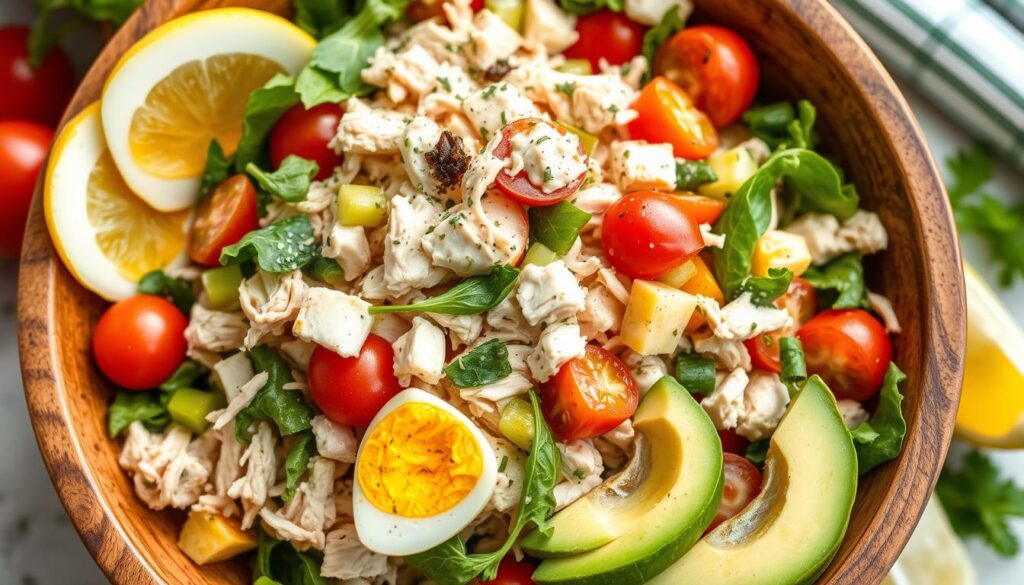
Can I make the tortilla quiche bake in advance?

Yes, it’s perfect for making ahead. Assemble and refrigerate for up to 3 days. Or bake, cool, and freeze for up to 3 months. Reheat in the oven or microwave.

What are some serving suggestions and complementary side dishes for the tortilla quiche bake?

It’s great with fresh fruit salad, roasted potatoes, or a green salad. Offer hot sauces, salsas, or avocado slices for extra flavor.

What are some common mistakes to avoid when making the tortilla quiche bake?

Avoid overcrowding the dish for even cooking. Don’t pack tortillas too tight to prevent sogginess. And don’t overbake to avoid rubbery eggs.